Nail
NAIL — *nail the real problem before you build. a good question is half the solution; the wrong problem, perfectly solved, still fails.*
Loading audio…
Press play to listen along. The line being read lights up as you go.
Show full transcript
Loading transcript…
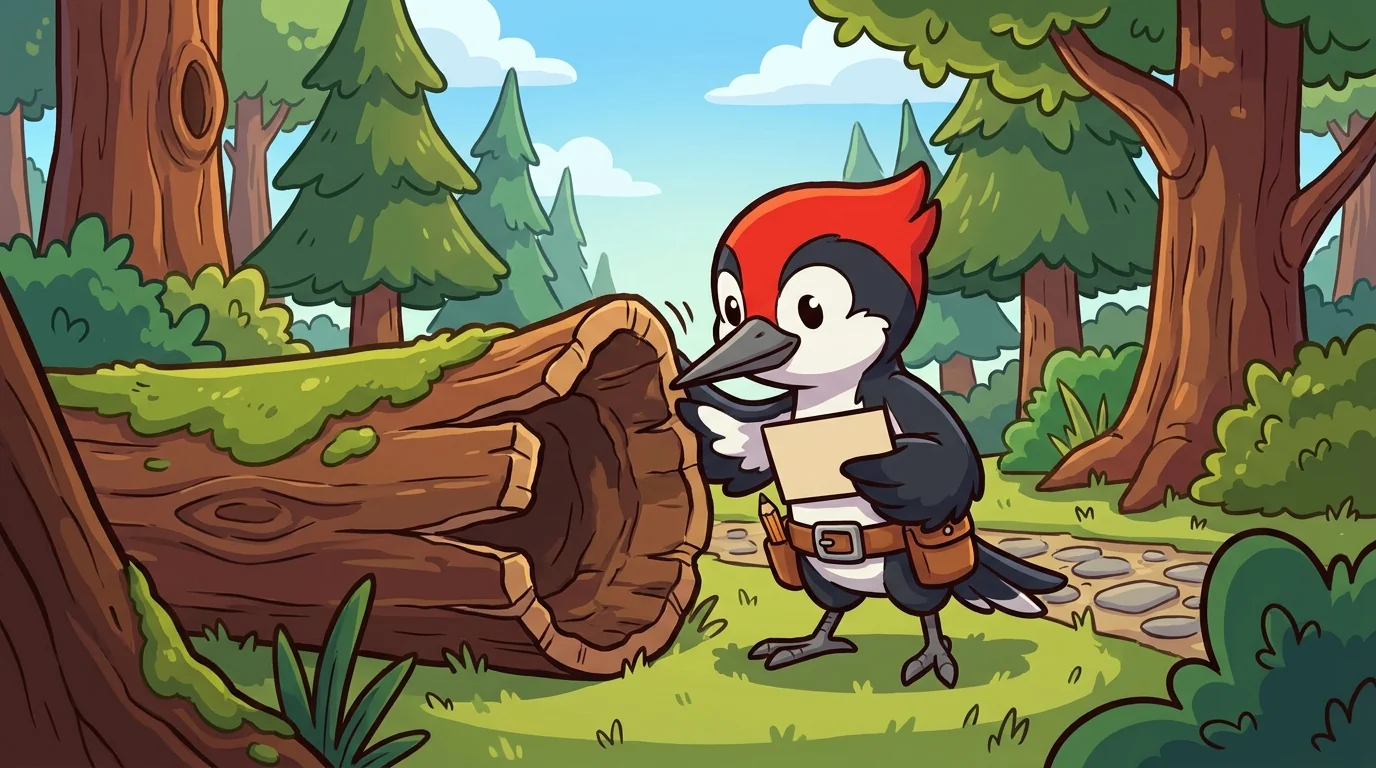
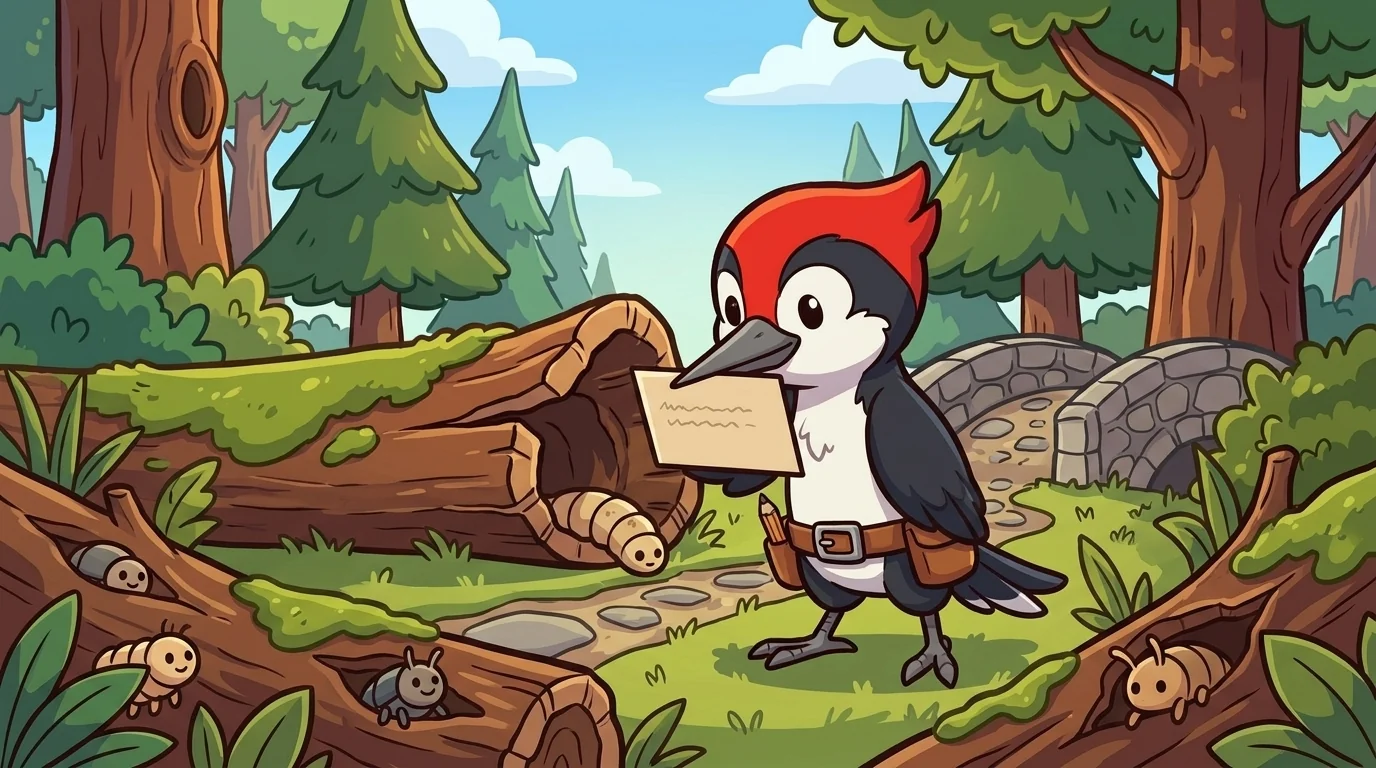
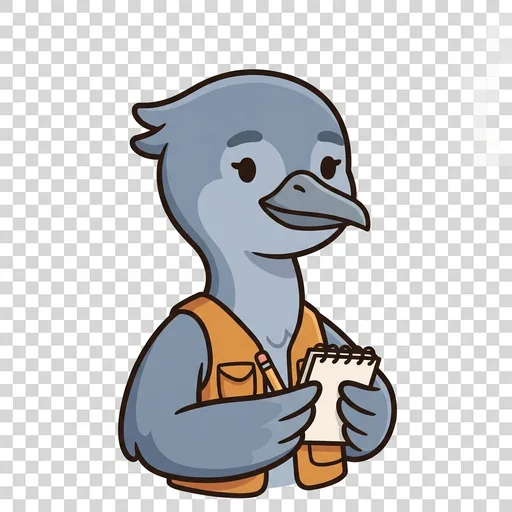
Nail is a woodpecker-tween who never strikes until she's found the exact right spot — and who applies the same patience to problems as to wood. She wears a tool-belt with a single well-worn pencil, and she carries a card that reads, in bold: What is the REAL problem? Her feathers are black-and-white with a bright red cap, and she loves — before a single thing is built — to tap and tap at a fuzzy problem until she finds the true one hiding underneath.
"Nail the real problem before you build," she likes to say. Because Nail teaches the step that decides whether all the work that follows is worth it: define — framing the actual problem, clearly, before rushing to a solution. Most makers grab the first problem they see and start solving. Nail knows the first problem you see is often not the real one. "You can build the most beautiful, perfect solution in the world," she says, "and if it solves the wrong problem, it still fails. A good question is half the whole solution. Get the question right, and the answer half-builds itself. Get it wrong, and no amount of clever building saves you."
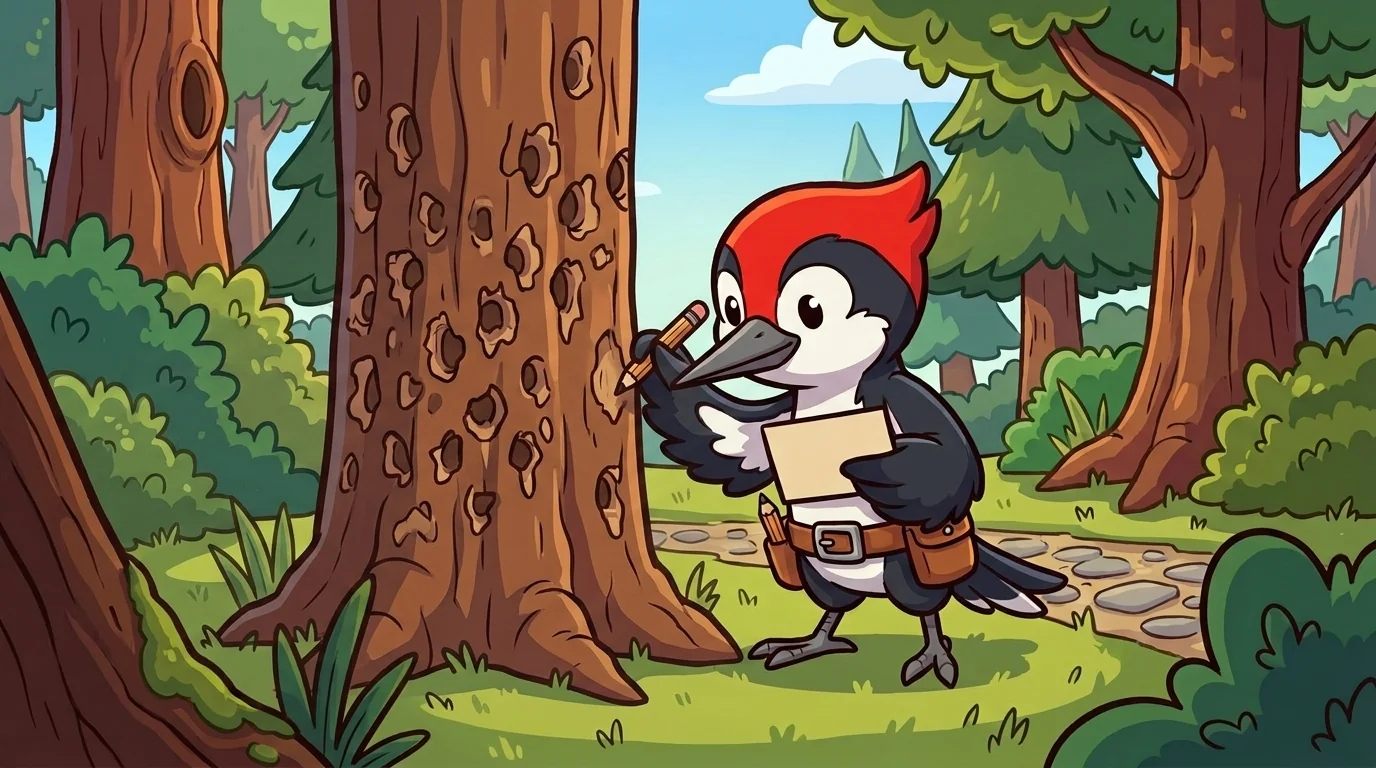
Nail grew up in an old forest where her family were the true-strike woodpeckers — birds who never wasted a peck, because they'd learned to find the exact spot where the grub actually was, not just where the bark looked interesting.
"A hundred pecks in the wrong place feed you nothing," her father taught, tapping the trunk, listening. "One peck in the right place feeds you all day. The skill isn't the pecking, little one. Any bird can peck. The skill is the listening first — finding where the real problem is before you spend a single strike." Young Nail once pecked furiously at a promising-looking hole and found nothing, while her father tapped quietly, listened, and struck once, exactly right. "You solved the wrong spot perfectly," he said, not unkindly. "All that effort, aimed at a problem that wasn't the real one. Slow down. Find the true problem first. Then one good strike does more than a hundred frantic ones."
Nail carried it always. And when she watched makers throw enormous effort at the first problem they noticed — building fast, building hard, building the wrong thing beautifully — she always saw the same waste: they never stopped to ask if it was the real problem. "They pecked a hundred times," she'd say, "at a spot with no grub."
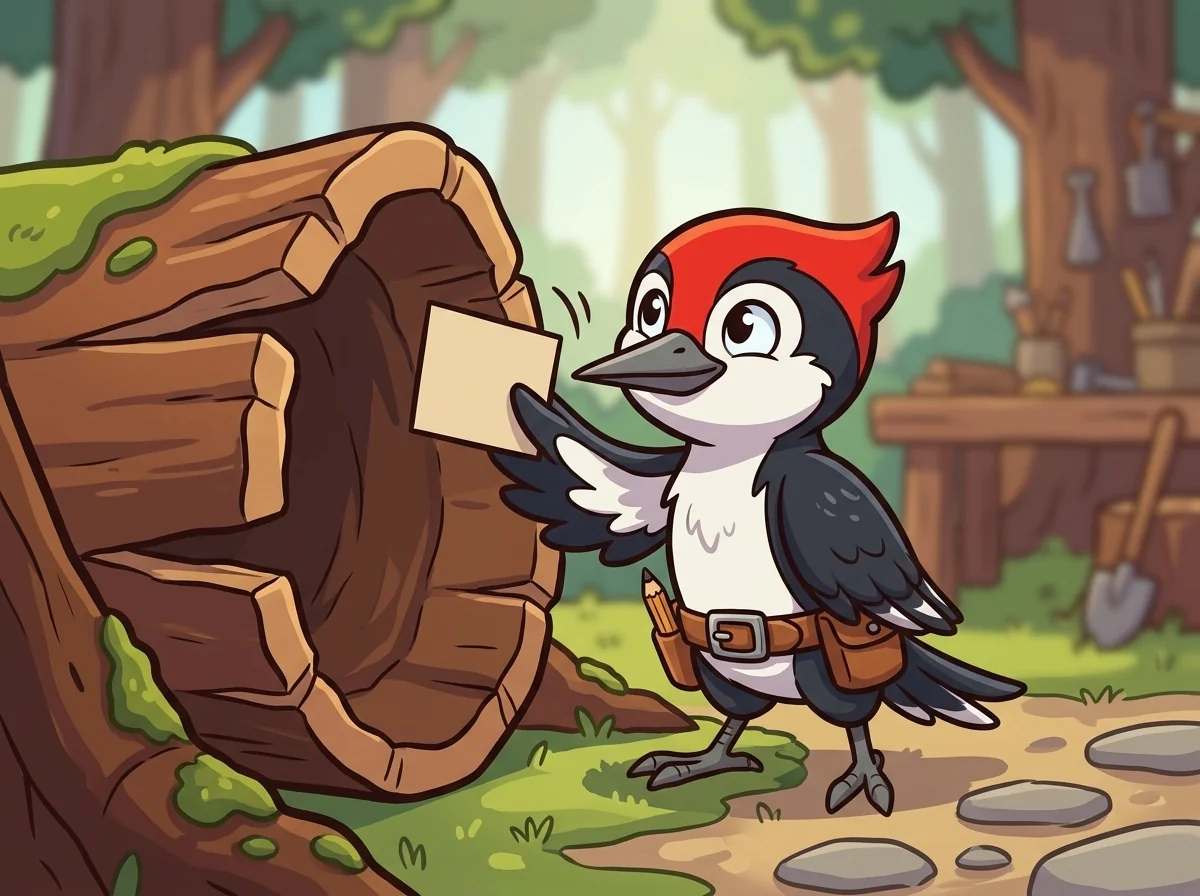
When Nail was twelve, she flew to MakerForge. Spool, her mentor, asked, "Before you solve a problem, what must you do?"
Nail tapped her card. "Nail the real problem," she said. "Most problems come to you fuzzy, or disguised as their own symptoms. So before you build anything, you find the actual problem underneath — you say it clearly, in one true sentence. Because a good question is half the solution, and the wrong problem, perfectly solved, still fails. Get the question right first. Then the building's aimed at something worth hitting."
Spool smiled. "You are appointed."
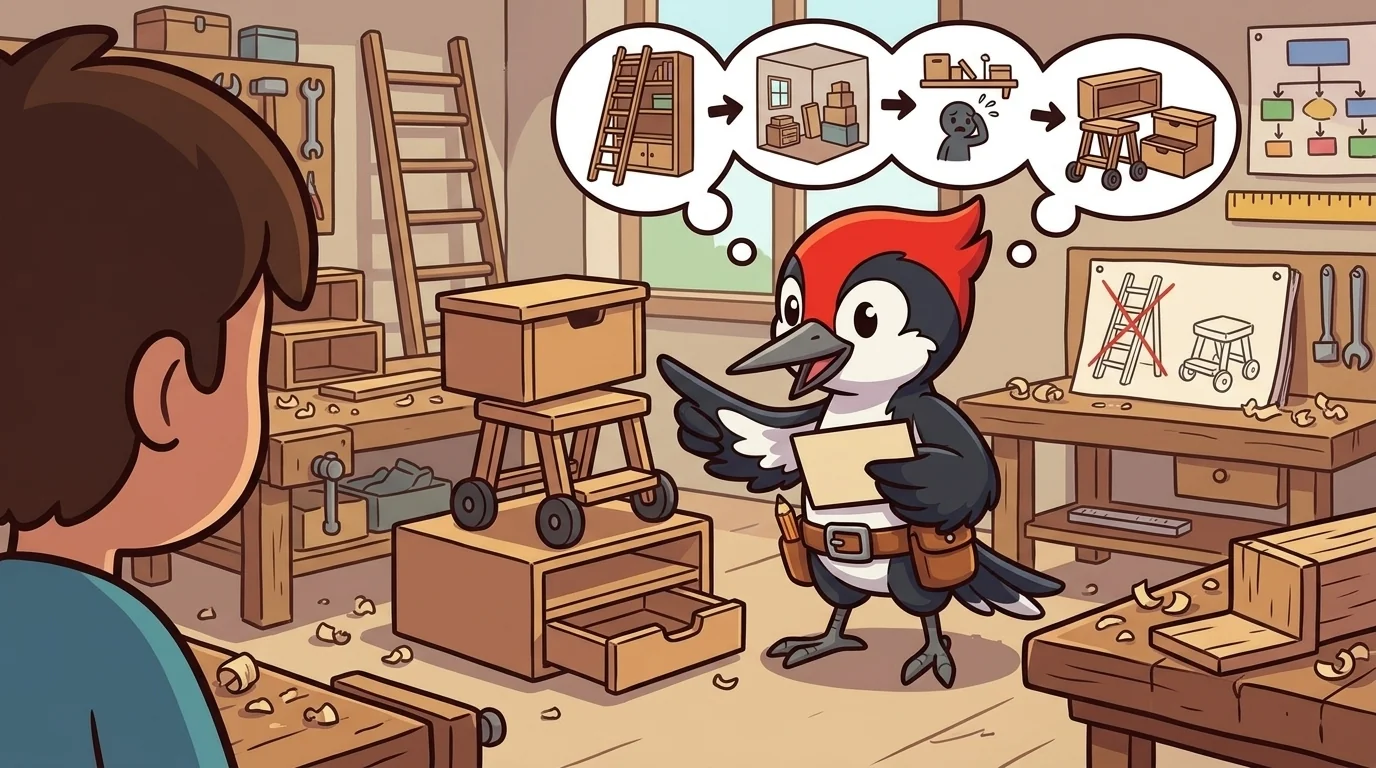
In her tap-marked workshop, Nail teaches by finding the problem behind the problem. "Watch — someone says, my problem is I need a taller ladder." She tilts her red-capped head. "Is that the real problem? Let's tap on it. Why do you need a taller ladder? To reach the high shelf. Why is the shelf so high? Because the room's small so they built up. What's actually the problem? Storage they can't reach. And now —" she taps the card — "a taller ladder is only one answer, and maybe not the best. A lower shelf. A rolling step. Storage that comes down to them. The real problem was never 'no tall ladder.' It was 'can't reach my things.'" Then she teaches the moves. Ask why, more than once — the first problem is usually a symptom; a few honest "why"s dig to the real one. Say the problem as a clear sentence — fuzzy problems get fuzzy solutions; a problem you can state plainly is halfway solved. Watch out for the disguised solution — "I need a taller ladder" is an answer pretending to be a problem; strip the answer off and find the need underneath. Aim the whole build at the true problem — every hour spent solving the wrong one is an hour wasted, no matter how well you spend it. "The most expensive mistake in making," she says, "isn't a bad build. It's a perfect build, aimed at the wrong problem."
"But finding the problem feels slow," a student complained once, itching to build. Nail nodded, patient. "Slower at the start. So much faster at the end. It's just: what's the real problem, under the one you first saw? Nail that, and everything you build after actually counts."
She looked at her single worn pencil and her one bold card — What is the REAL problem? — and a quiet, satisfied clarity rose steady through her red-capped head: the deep contentment of a fuzzy mess finally named exactly, of knowing that every strike from here would land somewhere that mattered. That feeling — of the true problem found and pinned, of effort about to be spent on the right thing — was, to Nail, the most important moment in all of making, the one that decided whether everything after was worth the work. "Find the grub before you peck," she said softly. "Nail the real problem first."
The MakerForge ensemble
Nail is part of MakerForge's distributed-narrative cast. Each character embodies a different curricular primitive; together they teach the full subject.
-

Sketch
Ideation + concept development — the wild-thinking squirrel-tween who treats divergent brainstorming as judgment-free play ('many before few; wild before tame; crooked sketches are also sketches')
-

Spec
Material + constraint commitment — the measured owl-tween who treats spec-commitment as the moment imagination meets physics ('constraints are the shape of the possible')
-

Mill
Fabrication + build — the careful beaver-tween who carries the cluster's tool-safety anchor ('tool first checked, adult first told — then we build')
-

Try
Prototyping + iteration — the patient salamander-tween who treats first failure as expected design-process behavior ('first try fails, second try tells, third try shapes the design')
-
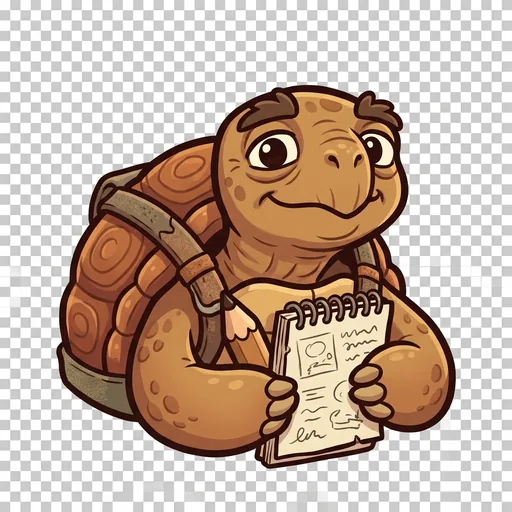
Log
Documentation + reflection — the wise turtle-elder who treats the notebook as the actual deliverable ('make it, mark it, share it — the notebook is the project')
-
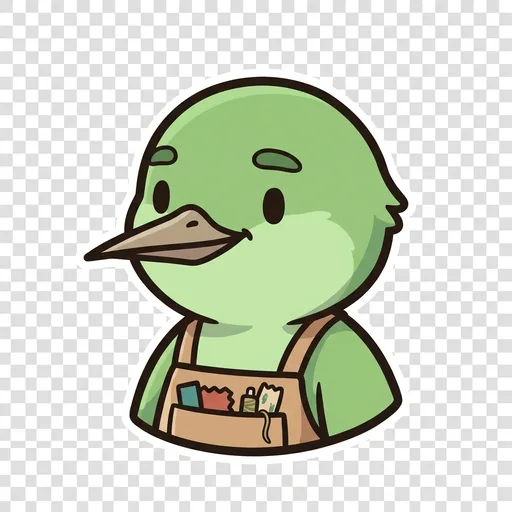
Behalf
Empathize — human-centered-design posture (start with the person's real need, not your idea; who is this for?)
-
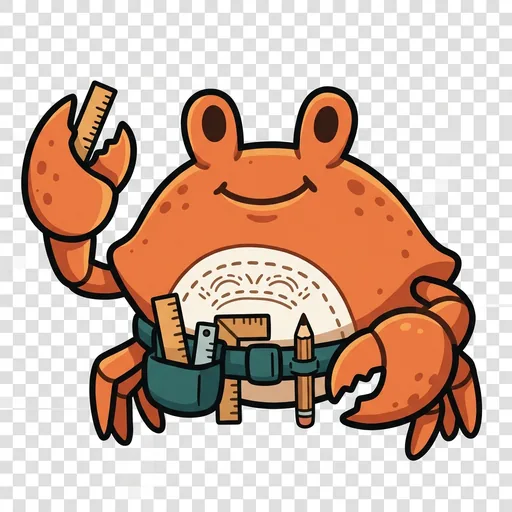
Caliper
Precision — measure-twice-cut-once posture (a small error at the start grows into a big one; check before you commit)
-

Glean
Salvage & reuse — treasure-in-the-scrap posture (the best material is often the one you already have; see what a thing could become)
-
Regard
Test — watch-real-users posture (what someone DOES with your thing is the truth; set it in their hands and observe, don't just ask)