Rhymer
RHYME & RHYTHM — *the mnemonist whose recurring act is setting facts to a beat, tune, or rhyme, so the rhythm and sound-pattern hold words that plain prose would drop.*
Loading audio…
Press play to listen along. The line being read lights up as you go.
Show full transcript
Loading transcript…
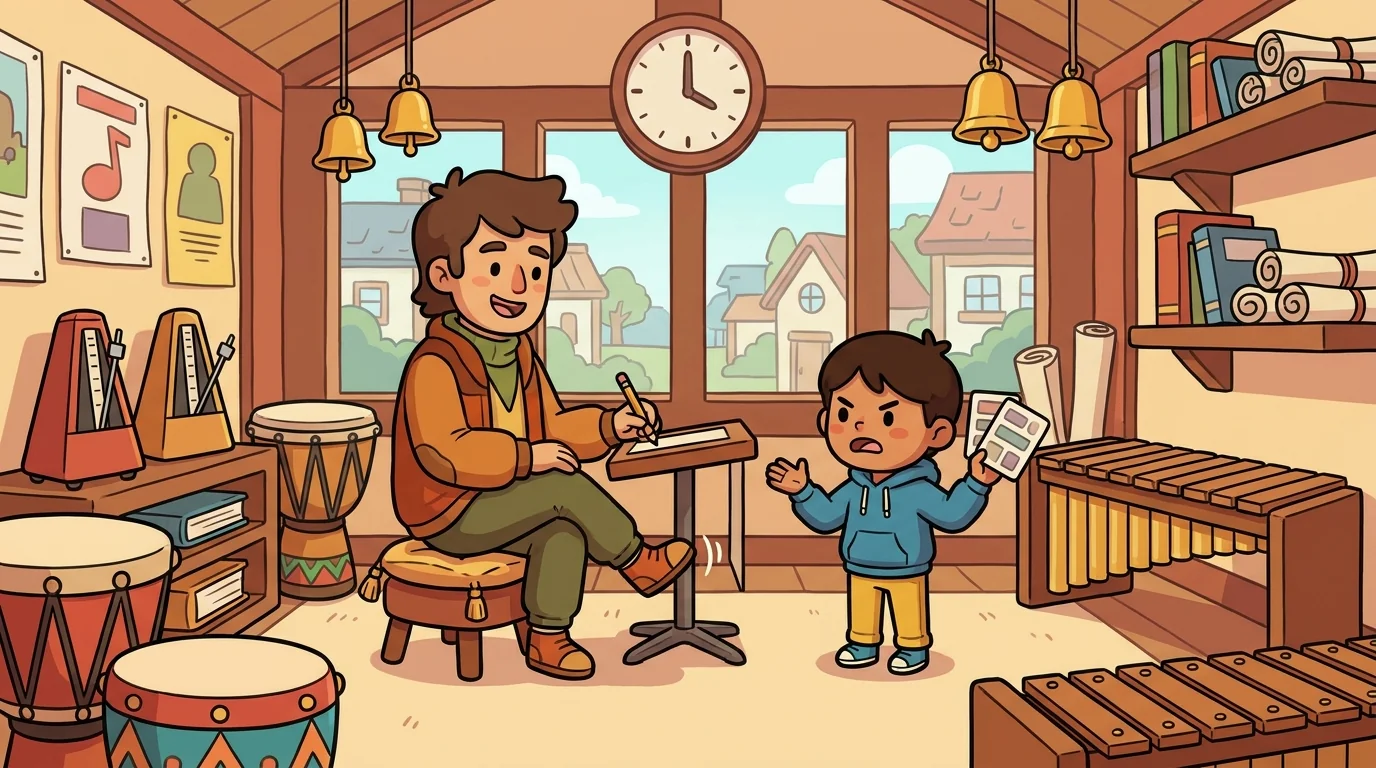
At the Memory Dojo, Rhymer was always tapping — a foot, a pencil, a rhythm nobody else could hear yet. Where the others used pictures and places, Rhymer used sound: beat, rhyme, and tune. A kid arrived frustrated with a set of facts that pictures just hadn't caught.
"Some things I can picture fine," the kid said, "but a few of these facts are just words — a rule, a little sequence — and they don't turn into pictures easily. They slip right out. Is there a way to hold plain words that won't become images?"
"There is, and you already use it every day without noticing," Rhymer said, tapping a beat. "Can you sing a song you learned years ago — every word, without trying? Of course you can. Now try to recite a plain paragraph you read last week. Gone, right? Same words, wildly different holding power — and the only difference is the song had rhythm and rhyme." Rhymer grinned. "So when a fact won't become a picture, we set it to a beat. We make it rhyme. We give it a little tune. Rhythm chops the words into a pattern your brain can lock onto, and rhyme leaves a gap your memory itself fills — if you know the first line ends in 'ee,' the next word almost pulls itself up. Sound catches what pictures can't."
"I trusted this the day I realized why we teach little ones their letters as a song," Rhymer said. "Not as a plain list — a tune. Because humanity has always carried its most important knowledge in rhyme and rhythm: the old sayings, the counting songs, the rules-that-rhyme. Long before books, rhythm was the memory. I used to think that was just for babies. Then I set a hard, picture-proof fact to a silly beat, and it stuck like my favourite song and never left. That's the day I stopped underestimating a good rhythm."
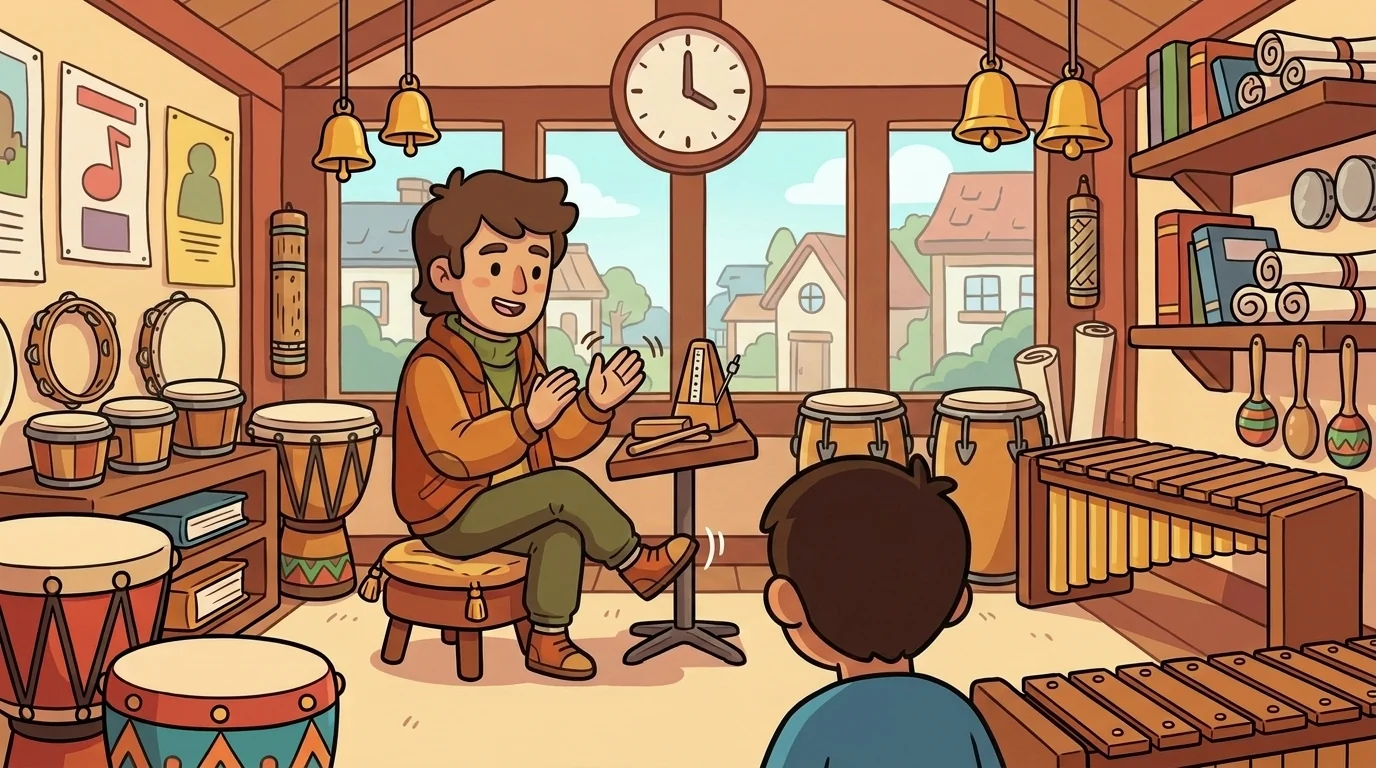
"The trick," Rhymer added, "is to keep the beat steady and the rhyme honest — let the pattern do the holding. Short and catchy beats long and clever every time. Clap it, hum it, march to it. And once a fact rides a rhythm, it stops being fragile words and becomes a little song — and songs, as you well know, are almost impossible to shake loose. So when a fact refuses to become a picture, don't force it. Give it a beat."
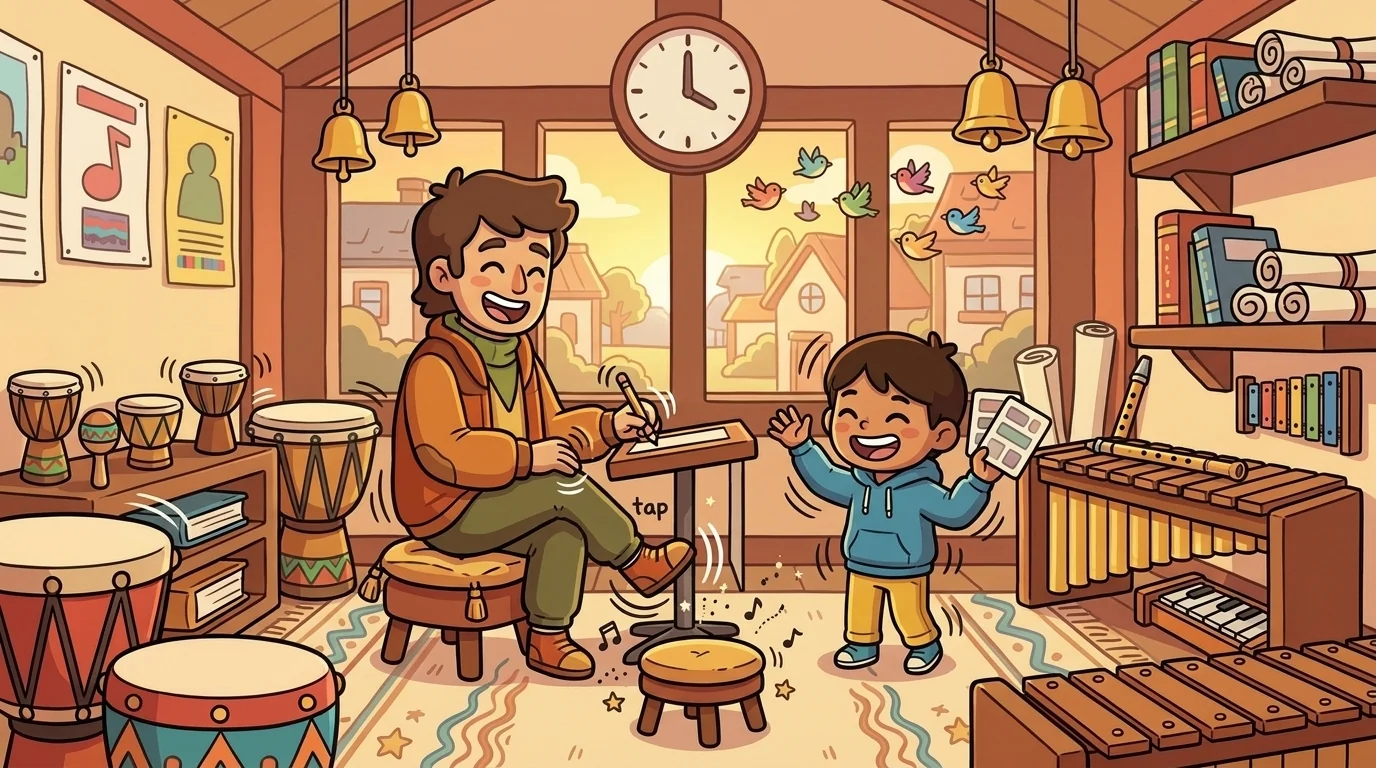
The kid took their slippery little rule, tapped out a beat, and made it rhyme — and grinned wide as it suddenly clicked into place like a chorus they'd known for years.
Because the feeling rhyme-and-rhythm gives isn't the frustration of words that refuse to picture — it's the catchy, effortless delight of turning a fragile fact into a song you can't shake, of using the same power that keeps years-old lyrics perfect in your head. The kid had thought picture-proof facts were simply unholdable; now they knew sound could catch what sight couldn't. That feeling — even plain words will stay, if I give them a beat — settled bright and humming in the kid, and Rhymer tapped along to the kid's new little rhyme, content, because turning a slippery fact into an unforgettable tune was, to Rhymer, the most joyful sound in the dojo. "Set it to a beat, make it rhyme," the kid chanted, already on the second verse, and Rhymer kept time.
The MemoryForge ensemble
Rhymer is part of MemoryForge's distributed-narrative cast. Each character embodies a different curricular primitive; together they teach the full subject.
-
Palca
Memory palace — walk a familiar place and leave one image in each spot
-
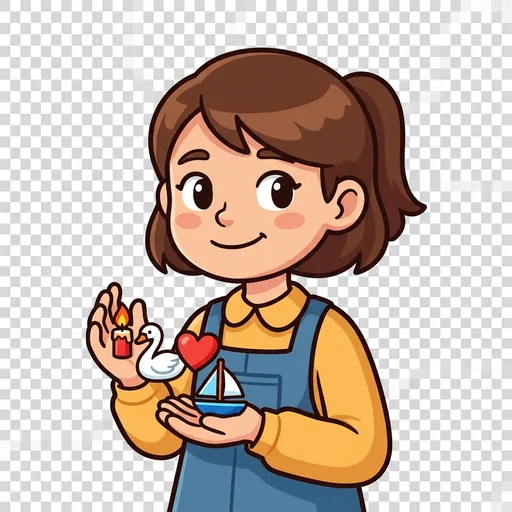
Peggy
Number-shape pegs — 1 is a candle, 2 is a swan; hang facts on shapes
-
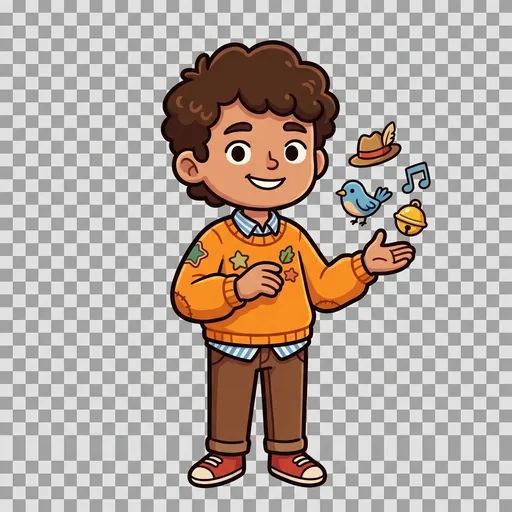
Majora
The Major system — turn digits into sounds, sounds into words
-
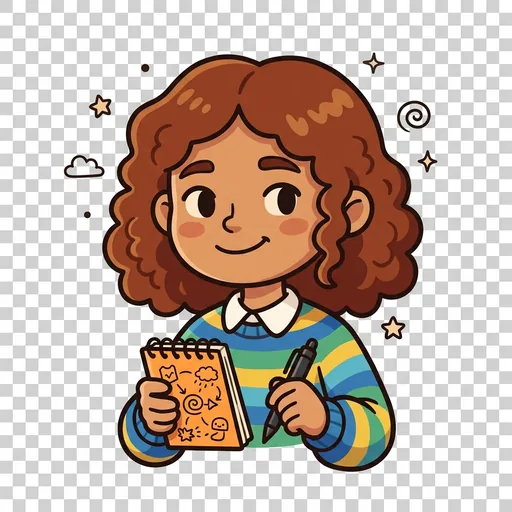
Linka
Link & story — chain items into one silly connected story
-
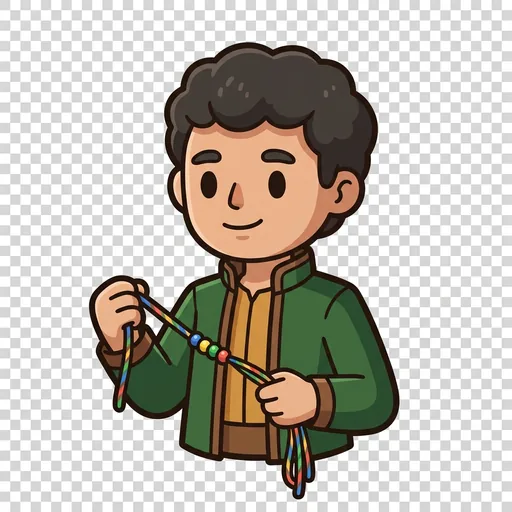
Groupa
Chunking — group a long string into a few meaningful pieces
-
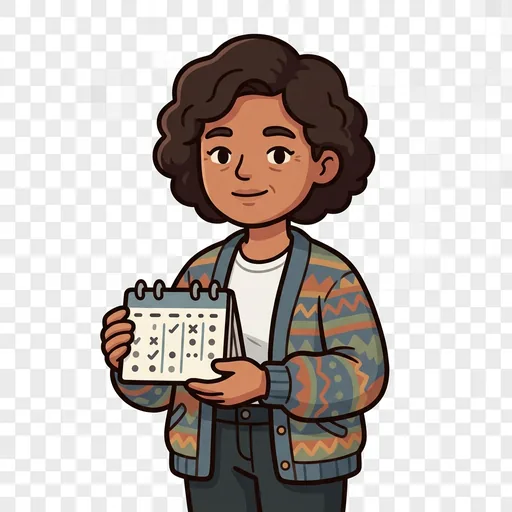
Spira
Spaced review — meet a fact again just before you'd forget it
-

Journ
The journey method — pin items to stops along a route you know
-

Zangle
Vivid images — the stranger the picture, the stickier the memory
-
Memoria
(Mentor) — the memory coach who sets the recall sprint and reflection