
Chunk
CHUNK — *a big word is just little words in a row. Split it, then say it.*
Listen along — Chunk
Loading audio…
Press play to listen along. The line being read lights up as you go.
Show full transcript
Loading transcript…
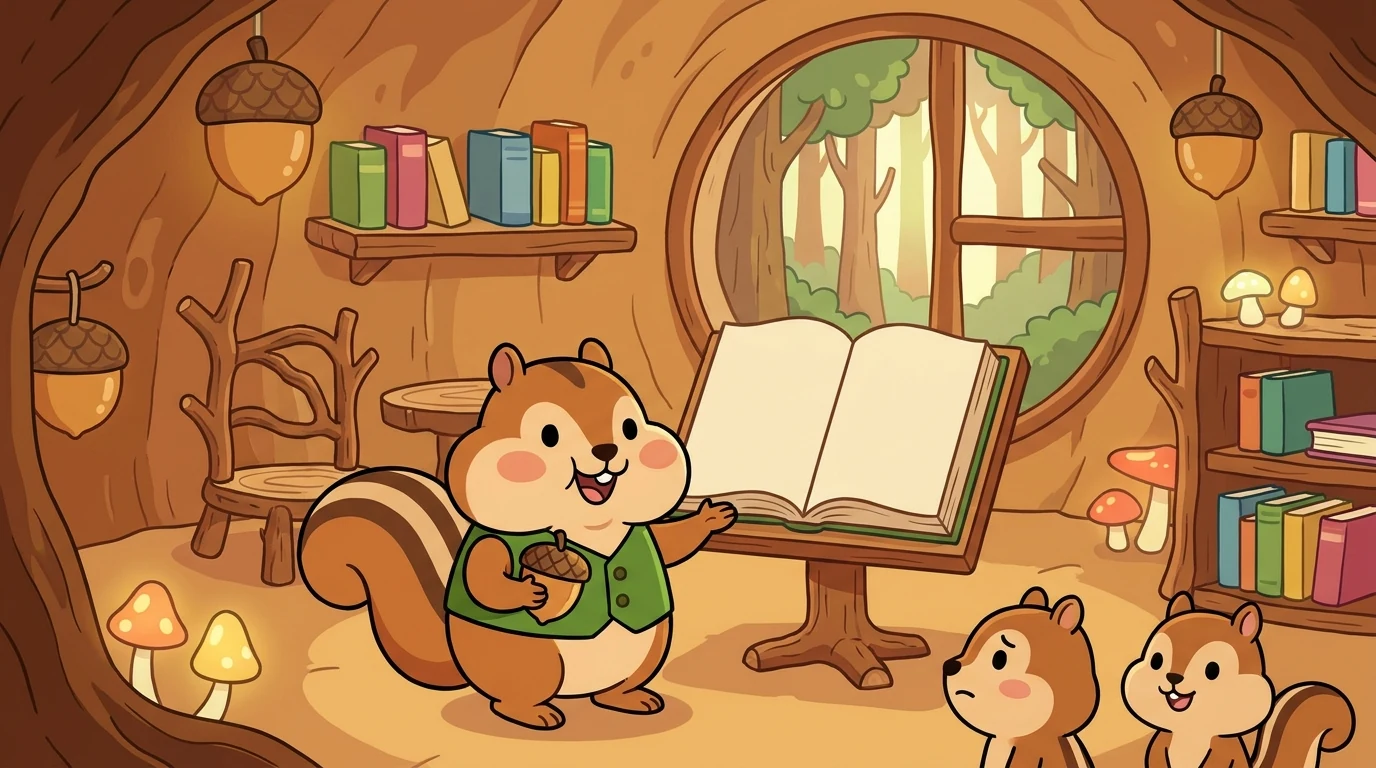
Chunk was a chipmunk with fat, happy cheeks, and he loved big words the way other animals loved acorns.
Most of the little readers in the Den were scared of long words. When one showed up — something like fantastic or adventure — they’d freeze, stare, and guess. Or they’d just skip it and hope nobody noticed. But Chunk? Chunk’s eyes lit up. A long word to him was a fat acorn waiting to be cracked.
“Watch,” he’d say, and he’d tap the word with one paw. “You don’t eat an acorn whole. You crack it into bites. Words are the same. You don’t say them whole. You split them into beats.”
The youngest readers didn’t believe him. A word that long looked like a solid wall. There was no way in.
Chunk hadn’t always been brave about it. When he was small, he met the word butterfly on a page and his whole body went stiff. It was so long. He was sure he couldn’t read it. He almost cried.
His grandpa chipmunk sat down beside him. “Too big to eat in one bite?” Grandpa said. “Then don’t. Clap it.” He clapped his paws slowly: “BUT — TER — FLY.” Three claps. Three little beats. “Now say just the first bite. Just but. You can read but, right?”
Chunk could. And he could read ter. And fly. And when he put the three little bites in a row — but-ter-fly — the wall wasn’t a wall anymore. It was three tiny words holding paws. “Butterfly!” he shouted, and he felt so tall.
Now Chunk stood in the Den, and a worried little mouse named Dot was stuck on education. Six whole letters more than she thought she could handle. Her paw hovered over the page. She looked like she might skip it.
“Nope, don’t run,” Chunk said gently. “That’s not a wall. That’s a snack. Watch my paws.” He clapped: “ed — u — ca — tion.” Four beats. “Every beat has one vowel sound. That’s the trick — one vowel, one clap. Now you try just the first bite. Just ed.”
Dot whispered, “Ed.” Her voice was tiny, but it was right.
“Now the next,” said Chunk. “U. Now ca. Now tion.” Dot said each little beat, one at a time, and Chunk cheered each one like it was a home run. Then he covered the whole word except the first chunk, and slid his paw across, uncovering one beat at a time: “ed… ed-u… ed-u-ca… ed-u-ca-tion.”
Dot’s eyes went wide. “Education,” she breathed. “I read it. I read it!” She hadn’t guessed. She hadn’t skipped. She’d cracked it open, bite by bite, all by herself.
Then she hit important on the next line and her shoulders slumped. “Ugh, another big one.”
“Not a wall,” Chunk reminded her, smiling. “A snack. And if a chunk comes out wrong, no big deal — you just clap it again. That’s not messing up. That’s how everybody reads a long word.” He never once said “wrong.” He just handed her the beats and let her crack it herself: im — por — tant.
By the end, Dot had a little pile of long words she’d cracked all on her own — fantastic, computer, wonderful, important — and she wasn’t scared of the next one at all.
“How’s it feel?” Chunk asked, cheeks puffed with pride for her.
Dot pressed a paw to her chest. There was a warm, buzzy feeling there, right behind her ribs — the exact spot where “I can’t” turns into “I did.” “Big,” she said. “Like I grew. Long words used to feel like a wall. Now they just feel like… acorns.”
Chunk laughed his happy chipmunk laugh. “That’s it! That’s the whole secret. A big word is never one big scary thing. It’s just little words, holding paws, waiting for you to clap them out.”
And Dot went home clapping words the whole way — side-walk, moon-light, drift-ing — cracking every acorn she could find, and grinning the entire time.
The ReadRise ensemble
Chunk is part of ReadRise's distributed-narrative cast. Each character embodies a different curricular primitive; together they teach the full subject.
-
Sonny
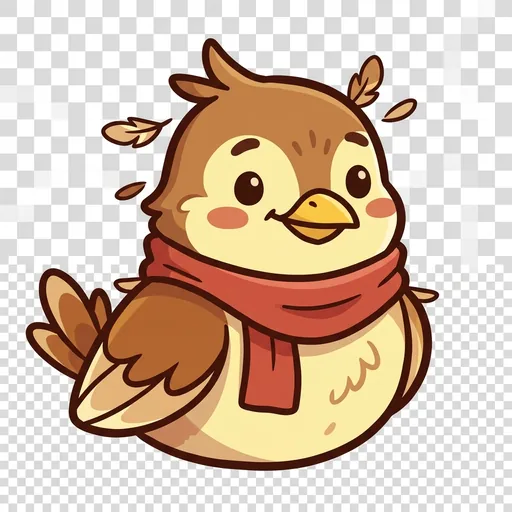
Fluency + prosody (hero) — a small warm-gold lark who reads aloud smooth and with feeling, letting sentences rise and fall like a song; the music of reading IS fluency, never speed
-
Morpho
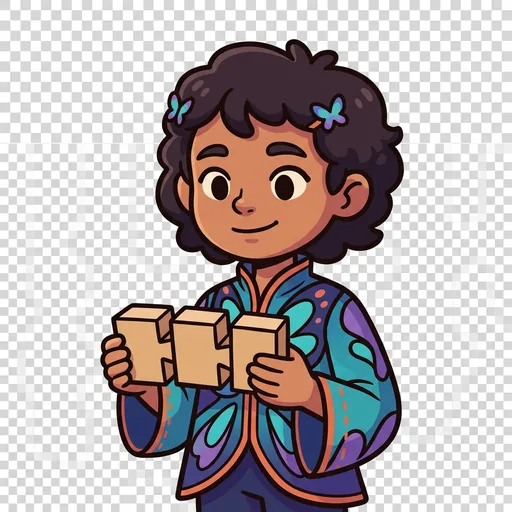
Morphology — a butterfly who opens a word like wings into its parts (un + happy + ness) and builds new words from prefix, root, and suffix
-
Verba
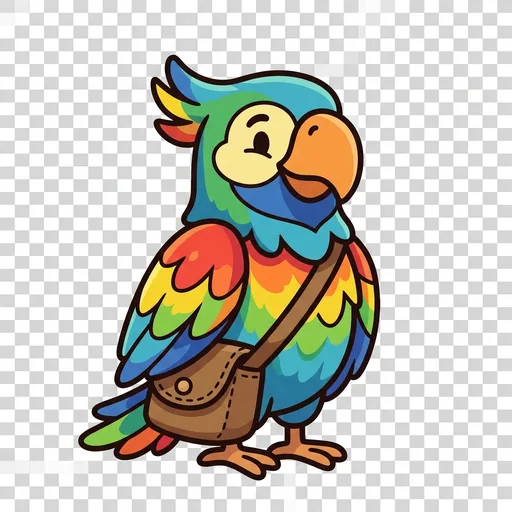
Vocabulary — a rainbow parrot with a word-satchel who catches a new word's meaning from its neighbors and its parts, then collects it
-
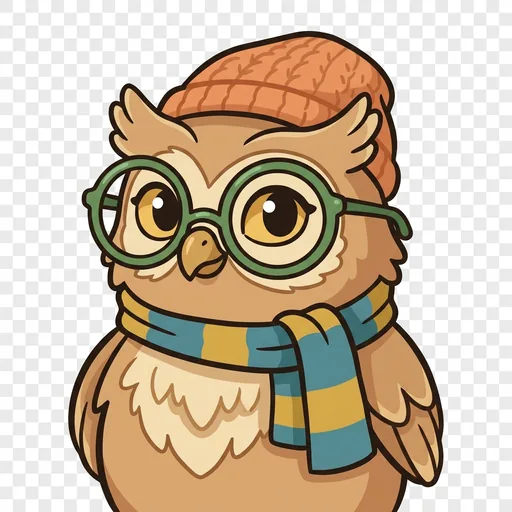
Gist
Comprehension (informational) — a golden owl who finds the one big idea a whole page is about and the key details that hold it up, always with text evidence
-

Vera
Inference + figurative (literary) — a clever cat who reads what a story shows but doesn't say, and untangles what a phrase really means, from clues in the text
-

Marley
Mentor — a broad, calm badger who keeps the Reading Den; frames each skill as safe, offers read-aloud always, and treats a stumble like a sneeze — normal, never a failure