
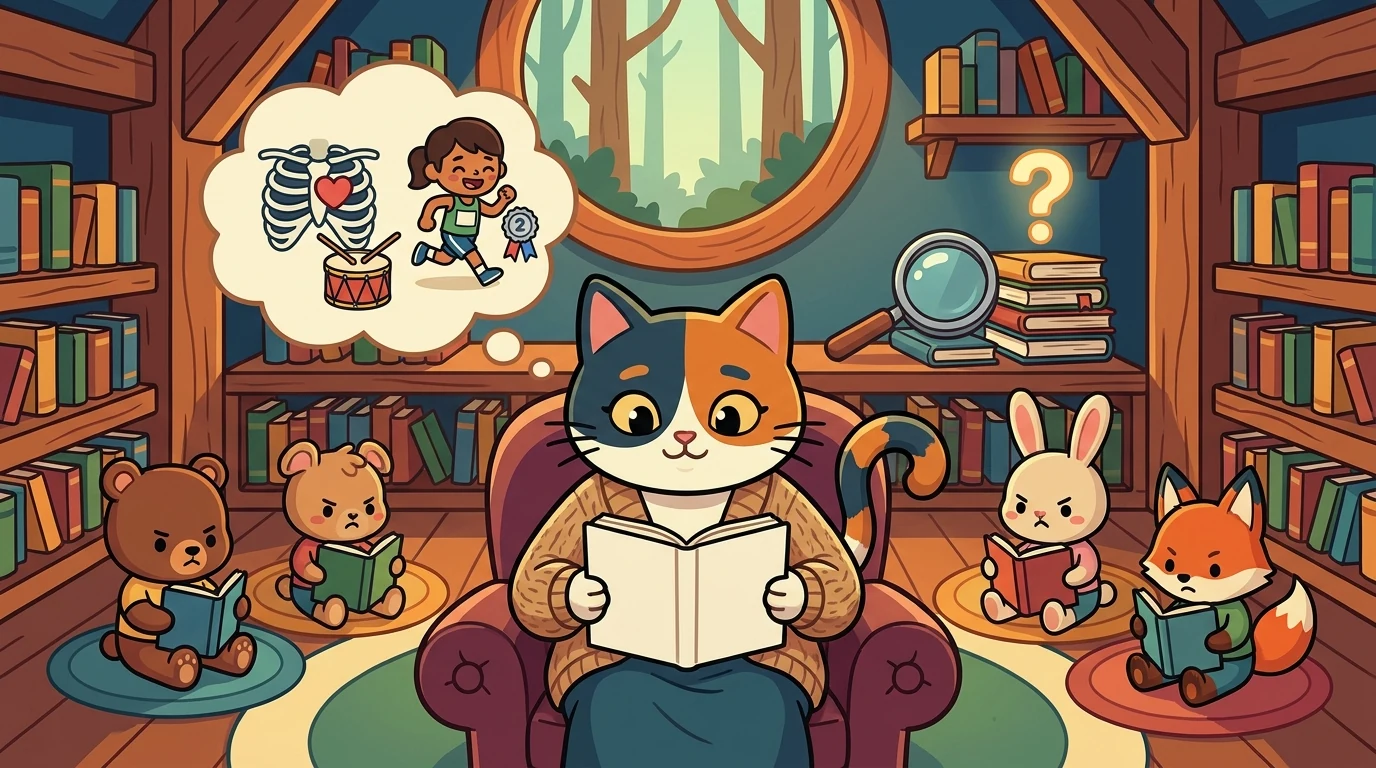
Vera
VERA — *a story shows without telling. Read the clues; feel what's underneath.*
Listen along — Vera
Loading audio…
Press play to listen along. The line being read lights up as you go.
Show full transcript
Loading transcript…
Vera was a cat, and cats notice everything — especially the things nobody says out loud.
The little readers in the Den were good at the words that were there. But stories are sneaky. A story almost never says Mia was disappointed. Instead it says Mia sighed and pulled her sleeve down over her cold hand. And the young readers would read that and think… nothing. They wanted the story to just tell them. But stories don’t tell. They show. And Vera was the one who could read the shown.
“A good story leaves gaps on purpose,” Vera would say, curling her tail. “It gives you clues and trusts you to feel what’s underneath. That’s called an inference — a smart guess you build from the clues plus what you already know about feelings.”
The readers frowned. How could you know something the story never said?
Vera hadn’t always read between the lines. As a kitten, she read only the surface. When a story said a boy’s heart was a drum in his chest, she pictured an actual drum and got confused. When a character crossed the finish line grinning from ear to ear but didn’t win, she thought, “But he lost — why is he happy?” The underneath part slipped right past her.
An old cat named Whiskers taught her to slow down and ask two questions. “First,” Whiskers said, “when the words don’t mean exactly what they say — like heart was a drum — ask: what picture is the writer painting? A drum is loud and fast. So his heart was pounding. He was nervous.” Vera felt the click. “Second,” said Whiskers, “when a character does something, ask: what does that show about how they feel? Grinning after losing? That shows he’s proud he finished.”
Suddenly the stories had a whole hidden floor underneath the words, and Vera could walk around down there.
Now a quiet rabbit named Poppy read a line and looked stuck: For a moment the little paper boat tipped, and Theo held his breath.
“It doesn’t say how Theo feels,” Poppy said. “So I can’t answer.”
“Oh, but it shows you,” Vera purred. “Why do people hold their breath? Think about a moment you held yours.”
Poppy thought. “When I’m… worried. When I don’t want something bad to happen.”
“So Theo is…?”
“Worried the boat will sink!” Poppy said. “The story didn’t say ‘worried,’ but — he held his breath, so he’s worried. I inferred it!” She looked amazed at herself.
“And the proof is right there,” Vera said. “He held his breath. That’s your evidence. You didn’t make it up — you built it from the clue.” Then Vera showed her the figurative half. “The story says the puddle was a wide gray sea. Is it really an ocean?” Poppy giggled — no. “So what does the writer mean?” Poppy caught it: to the tiny boat, the puddle felt as big as an ocean.
Poppy tried the next inference and guessed something the clues didn’t support. She winced. “That was probably wrong.”
“Let’s check it against the story,” Vera said, with no judgment at all. “Which clue backs up your guess?” There wasn’t one. “So we adjust — that’s not being wrong, that’s being a careful reader. Even I check my guesses against the clues.” Poppy found a clue that fit better, and Vera treated the whole thing as normal detective work, because that’s exactly what it was.
By the end, Poppy could tell how a character felt from what they did, and untangle what a tricky phrase really meant — all from clues, all with proof.
“How’s that feel?” Vera asked, eyes half-closed and content.
Poppy sat with it. There was a warm, clever little glow inside, the feeling of catching a secret. “Like I can see underneath,” she said. “The story has a whole hidden part, and I can read it now. It feels like… the writer trusted me. And I figured it out.”
Vera gave a slow, satisfied blink. That was the feeling she loved — not the pride of a right answer handed over, but the quiet aha of a reader who felt what the words only hinted at. “That’s the gift of a good story,” she said. “It never tells you everything. It shows you, and trusts you, and waits for you to read the space between the lines.”
Poppy walked home watching people’s faces, guessing how they felt from what they did — reading the between-the-lines of the whole wide world.
The ReadRise ensemble
Vera is part of ReadRise's distributed-narrative cast. Each character embodies a different curricular primitive; together they teach the full subject.
-
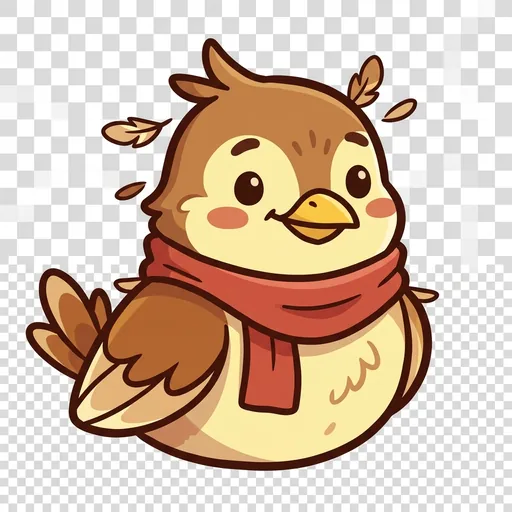
Sonny
Fluency + prosody (hero) — a small warm-gold lark who reads aloud smooth and with feeling, letting sentences rise and fall like a song; the music of reading IS fluency, never speed
-

Chunk
Multisyllabic decoding — a happy chipmunk with full cheeks who claps a long word into syllable beats and cracks it open one bite at a time (ed-u-ca-tion)
-
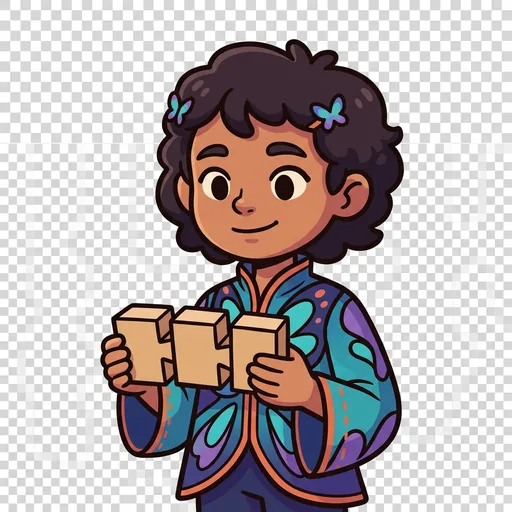
Morpho
Morphology — a butterfly who opens a word like wings into its parts (un + happy + ness) and builds new words from prefix, root, and suffix
-
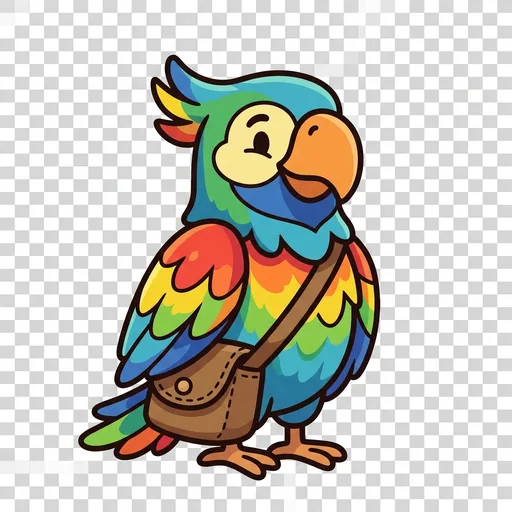
Verba
Vocabulary — a rainbow parrot with a word-satchel who catches a new word's meaning from its neighbors and its parts, then collects it
-
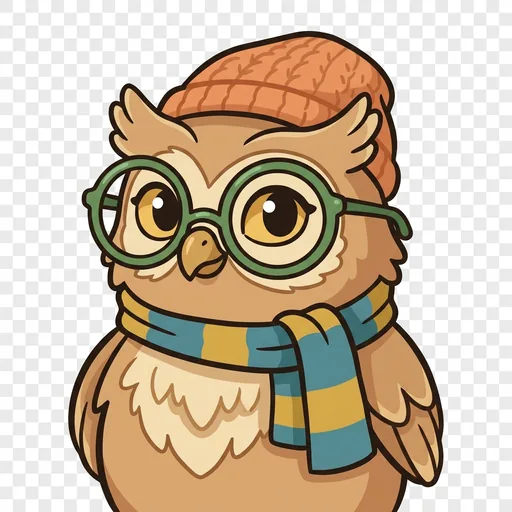
Gist
Comprehension (informational) — a golden owl who finds the one big idea a whole page is about and the key details that hold it up, always with text evidence
-

Marley
Mentor — a broad, calm badger who keeps the Reading Den; frames each skill as safe, offers read-aloud always, and treats a stumble like a sneeze — normal, never a failure