
Breather
DIGITAL BALANCE (Advanced) — reading your body's and attention's signals (tired eyes, restless body, foggy focus, a mood that soured for no reason) and choosing, on purpose, to come up for air — while understanding, calmly, that many apps are DESIGNED to keep you under (autoplay, endless feeds, little pings), so surfacing is an act of self-authorship, not a failure. Screens aren't the enemy; you're just the one who decides when to breathe.
Loading audio…
Press play to listen along. The line being read lights up as you go.
Show full transcript
Loading transcript…


Breather is a whale-tween who glides through the deep for a good long while — and then, when her body tells her, rises easily to breathe. She's a soft grey-blue with kind eyes, unhurried and calm. She never fights the need for air; she notices it, rises, feels wonderful, and dives again when she's ready.

Breather teaches digital balance, and she teaches it without ever making screens the villain. "Lecture-talk says screens are rotting your brain, put it down — and lecture-talk just makes you feel nagged and want to prove it wrong," she says. "So forget that. A screen is a fine place to be: a game, a video, a friend. The whole skill is smaller and kinder than a rule. It's listening to your own body, and coming up for air when it asks."
But the Advanced version adds one honest thing she wants older kids to understand — calmly, not fearfully. "Here's a thing worth knowing," she says. "A lot of apps are built to keep you under. The next video plays on its own. The feed never ends. A little ping pulls you back. That's not because you're weak — it's because whole teams designed it to be hard to leave. Which means surfacing isn't something that should just happen to you. It's something you get to do on purpose." She rises a little. "Once you know the current's pulling you down, coming up for air stops being a failure and becomes a small, powerful choice — you deciding, instead of the design deciding for you."

Breather learned it in a pod who understood something simple and deep: you cannot stay under forever, and that's not a flaw — it's how you're built. Her grandmother taught her not to count her time under or fear the surface, but to notice her body. "When your body starts to feel it — that little pull — that's not a warning to be scared of. That's your body being wise. You come up, you breathe, you feel wonderful, and then you dive again, fresh." Breather felt the calm truth settle in her: stepping away wasn't quitting, and her own body was a good, kind guide if she just listened.
In her classroom she names the signals plainly, the way you'd name the weather. "Your body and your attention send up flares when it's time. Tired, dry eyes. A stiff neck or restless, jangly legs. A foggy, buzzy, can't-quite-focus feeling. A grumpy mood that arrived out of nowhere. Those aren't your fault, and they don't mean screens are bad. They mean: time to surface." Then she shows the breather itself — short, easy, pleasant. "Come up. Look at something far away so your eyes can stretch. Move — a walk, a stretch, a wiggle. Water. Breathe. When you feel fresh, dive back if you like." She adds the older-kid move: "And if an app makes it hard to leave — autoplay, an endless scroll — that's your cue to surface sooner, not a reason to feel bad. You can even turn some of that off: stop autoplay, set a gentle reminder. Little rudders. You steer."

A student once asked, "Is knowing when to stop hard?" Breather gave her easy answer, gliding upward. "It isn't hard. Listen to your body — tired eyes, foggy head, restless legs — and when it says so, come up for air. Move, blink, breathe, dive back fresh. And remember the current's pulling; surfacing is you deciding. That's the whole whale secret." She broke an imaginary surface and took a slow, happy breath.
And every kid who learned it walked out feeling exactly what she felt: not scolded about screens, but capable of caring for themselves — the light, clear, refreshed feeling of someone who knows how to come up for air, and who knows the current is real but they're the one who steers. That fresh, self-knowing feeling, Breather knew, was the real gift — better than any screen, and always waiting whenever you chose to rise.
The SafetyForge ensemble
Breather is part of SafetyForge's distributed-narrative cast. Each character embodies a different curricular primitive; together they teach the full subject.
-

Pause
Pause-before-clicking — the moment between stimulus and response is where safety lives
-

Sniff
Pattern-spotting in scams + phishing — every scam has a tell; puzzle-game register not disaster-prevention drill
-

Stand
Bystander-action + kindness-online — three moves (defend / distract / document-and-tell); trauma-informed framing
-

Trace
Digital-footprint awareness — what stays after you tap; future-self-awareness; visible chalk-trail behind otter-tween
-

Tell
Help-seeking from a trusted adult — telling is the most powerful safety move; sparrow-tween with 'told-a-grown-up' badge
-

Bolster
Responding to online unkindness — 'Answer meanness with steadiness.'
-
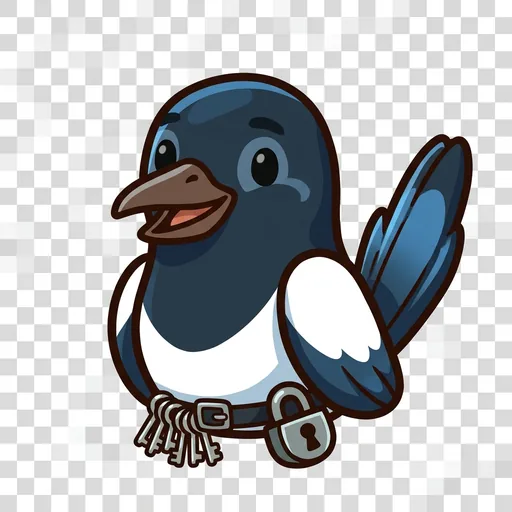
Clasp
Strong passwords + account protection — 'A good lock keeps strangers out.'
-

Warren
Privacy settings + the share-circle — 'Decide who is inside the fence.'
-
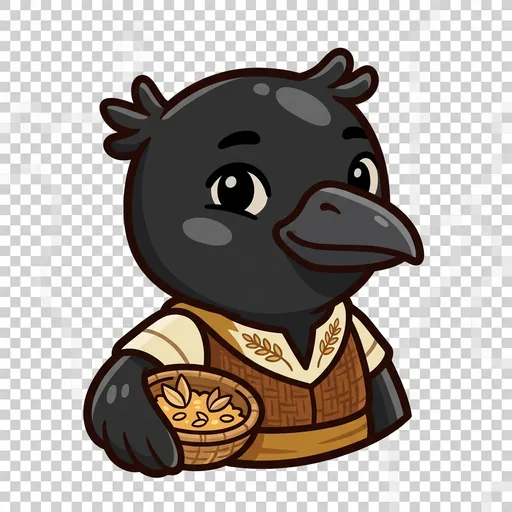
Winnow
Check-before-you-share — spotting misinformation — 'Sift the true from the tall tale.'