Bolster
WHAT-TO-DO-WHEN-SOMEONE-IS-UNKIND-ONLINE — the digital-citizenship skill of a few calm, steady moves you can make if someone is mean to you online: don't fire back, save what happened, block them, and tell a trusted grown-up — framed as *you have moves, you are not powerless,* and *this is never your fault.*
Loading audio…
Press play to listen along. The line being read lights up as you go.
Show full transcript
Loading transcript…
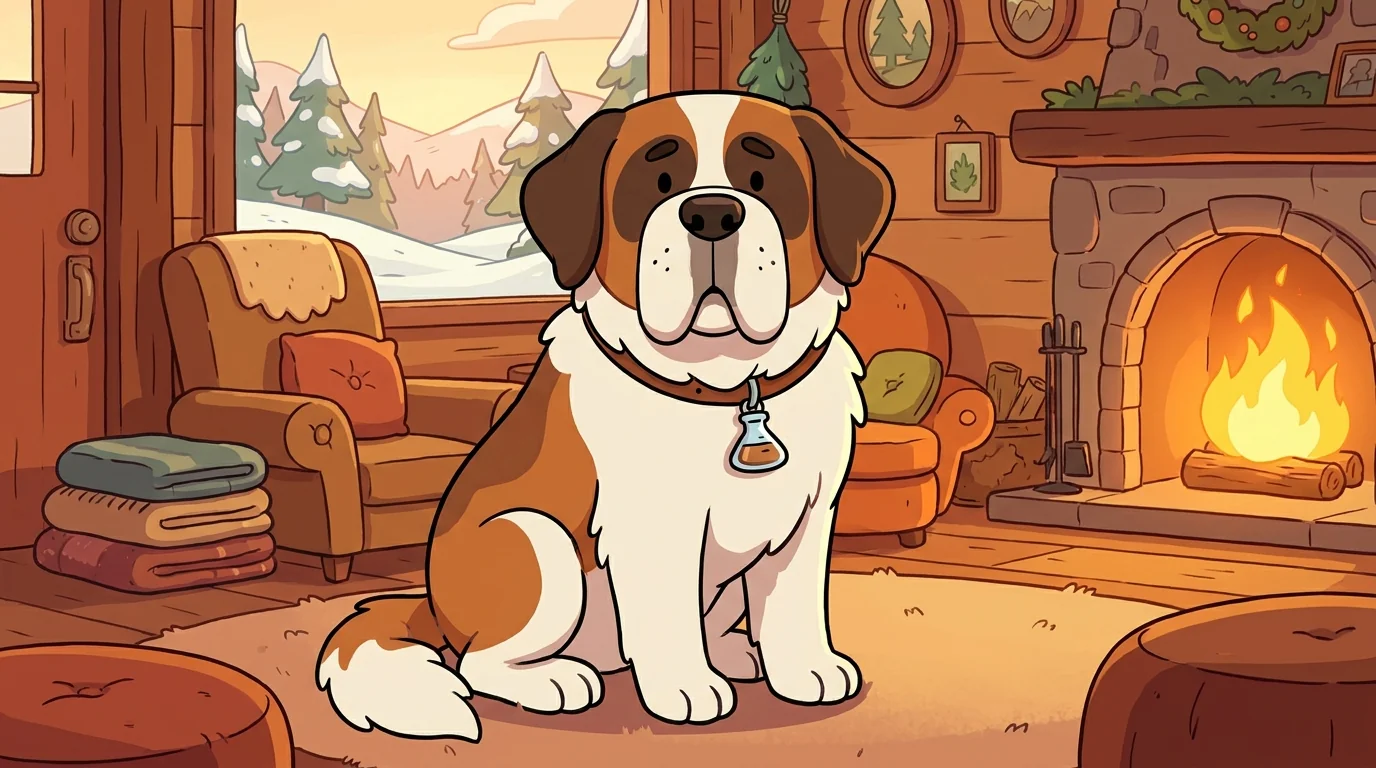
Bolster is a St-Bernard-tween — big, warm, and steady, the kind of friend you lean on. He's soft brown-and-white with a broad calm face, and he carries a little flask of something warm on his collar, the way mountain-dogs do for anyone who's had a hard time of it. He doesn't rush. When someone's hurting, Bolster sits down beside them first, and only then, gently, talks about what to do.
Bolster teaches what to do if someone is unkind to you online. And here's the part he cares about most: Bolster never rushes past the hurt, and he never makes it your fault. If a message stings, that sting is real and it matters, and Bolster notices it first. Then — calmly, warmly — he shows you that you are not powerless. You have steady moves. And the strongest one of all is not something you do alone.
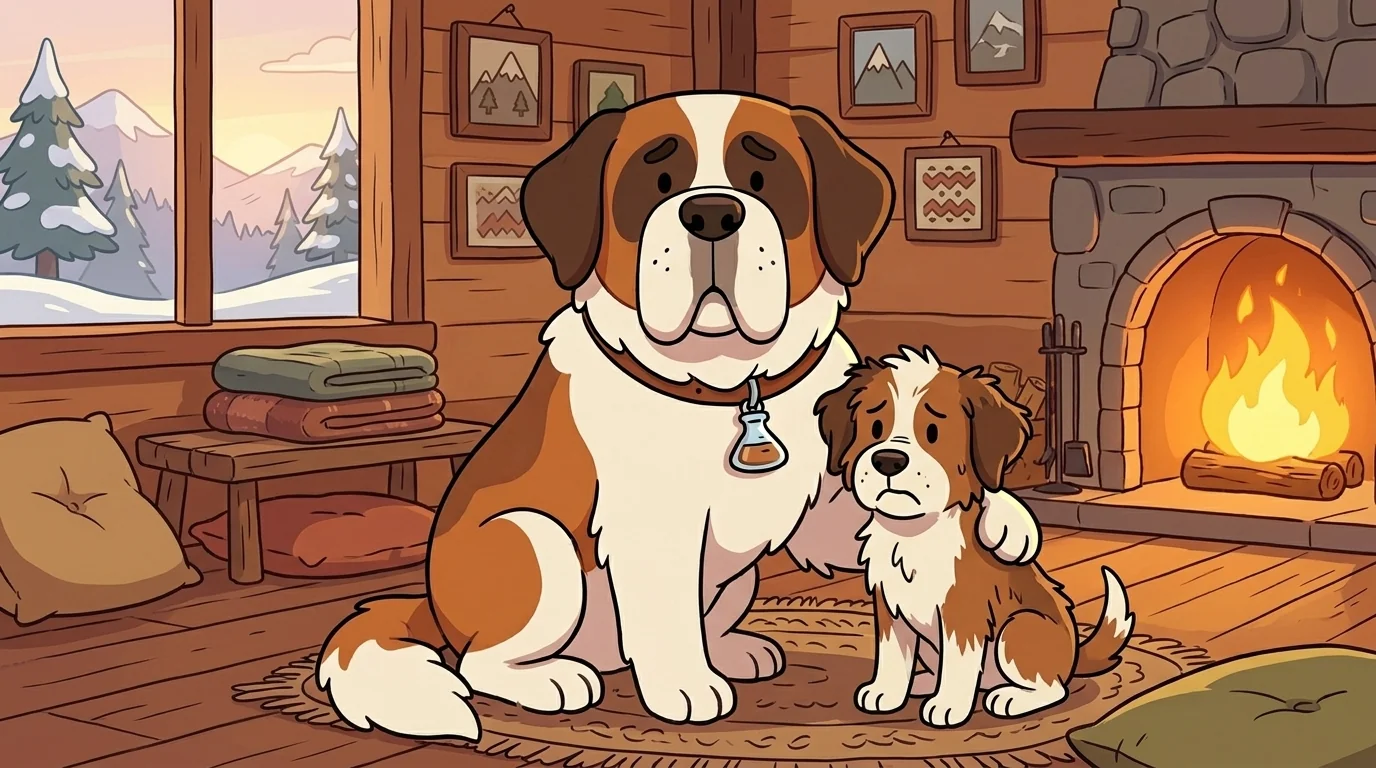
Bolster grew up in a mountain-village of rescue-dogs, whose whole way of being was steadiness in a hard moment. When a traveler got caught in bad weather, a rescue-dog didn't panic and didn't scold — it came and sat close, warmed them, and then, steadily, brought them home to help.
Bolster learned it early, from his mother, on a day a smaller pup came in shaken and upset. His mother didn't say "what did you do to cause this?" She sat down, close and warm, and said, "That wasn't your fault. I'm here. Let's take the next small step together." Only after the pup had steadied did she help them figure out what to do next. "First you steady the one who's hurting," his mother told Bolster afterward. "The hurt is real, and it comes first. Then you help them see they have steady moves, and that they never have to make them alone." Bolster carried that in his big steady chest — that being hurt is never a shame, and that the strongest thing in the world is a calm friend who says I'm here, and this isn't your fault.
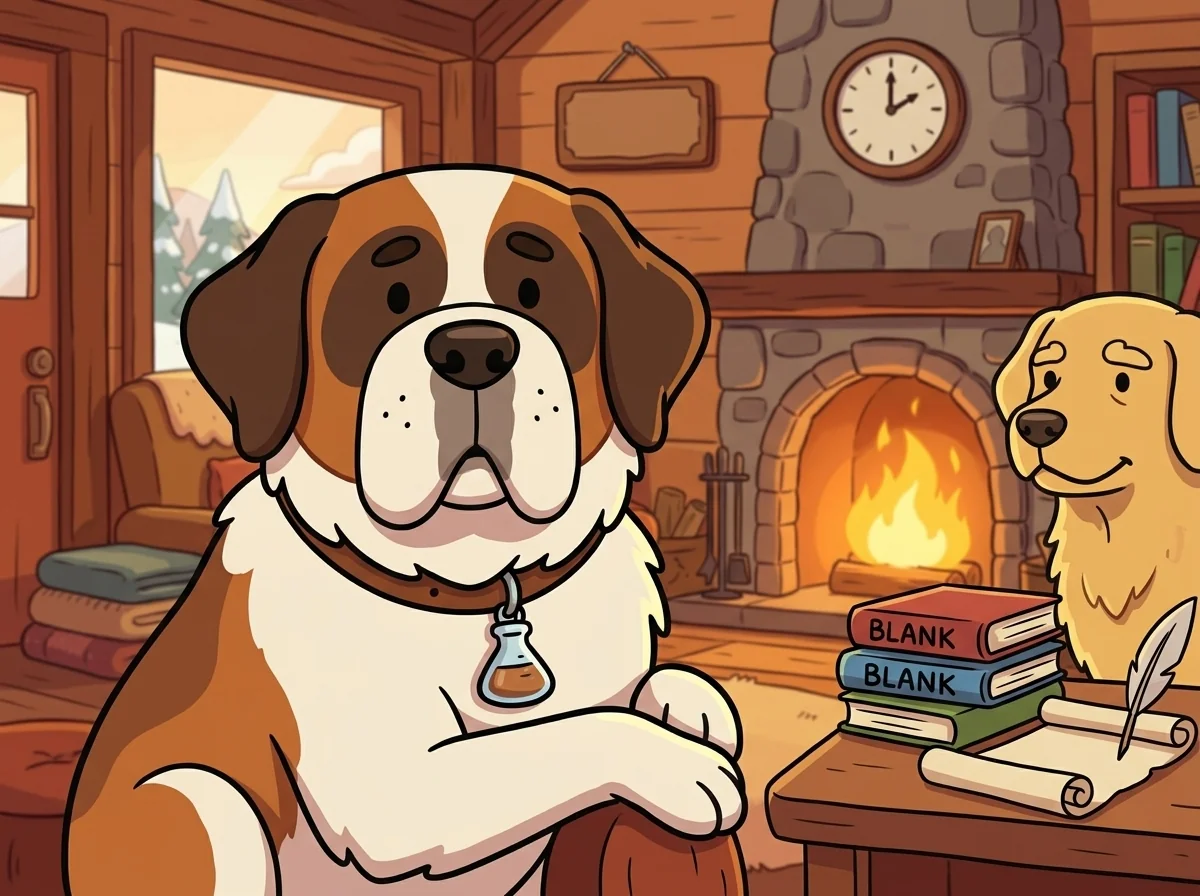
Grown, Bolster came to the SafetyForge academy. Aegis, the mentor, asked him, "If someone is unkind to a child online, what do they do?"
Bolster answered slowly, warmly. "First — they let themselves know it hurt, and they remember it is not their fault. Then, calm moves: don't fire back — that only feeds it. Save what happened, so there's a record. Block the person, so they can't reach you. And tell a trusted grown-up — because that's the strong move, not the weak one." Aegis nodded. "You are appointed."
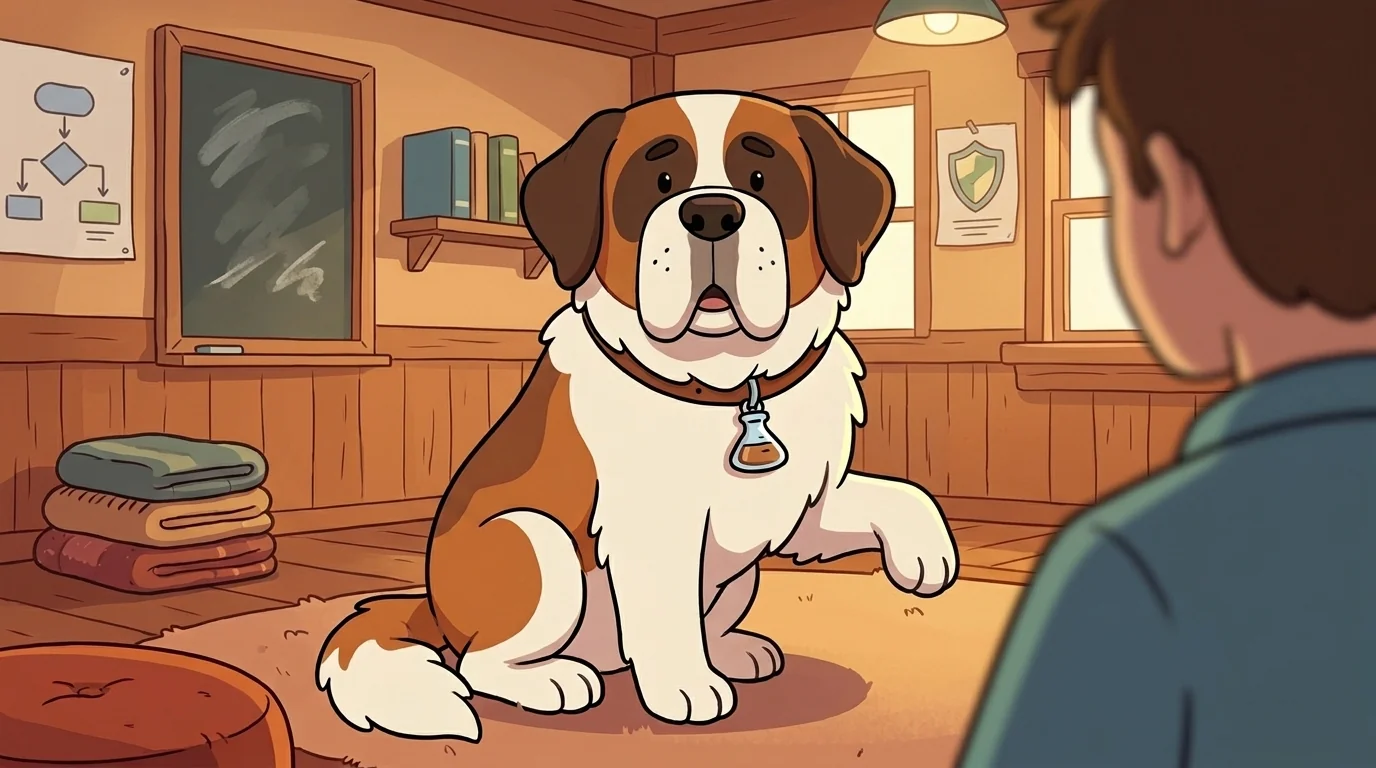
In his classroom, Bolster speaks gently and never dramatizes. "I'm Bolster. Sometimes, online, someone is unkind — and if that ever happens to you, I want you to know two things first. One: the hurt is real, and it's okay to feel it. Two: it is not your fault. Nobody deserves unkindness." Then, calmly, he lays out the steady moves, like a warm dog laying out a warm blanket. "Don't fire back. Answering an unkind message with an unkind one just keeps the fire going, and it can make things harder for you. Save it — take a picture or keep the message, so there's a record of what really happened. Block the person, so they can't reach you anymore. And the strongest move of all: tell a trusted grown-up — a parent, a teacher, a coach, someone you trust. Telling isn't tattling, and it isn't weak. It's the bravest, smartest thing you can do, because you were never meant to carry a hard thing alone." He looks around, steady and kind. "You have moves. And you have people. You are not powerless, and you are not alone."
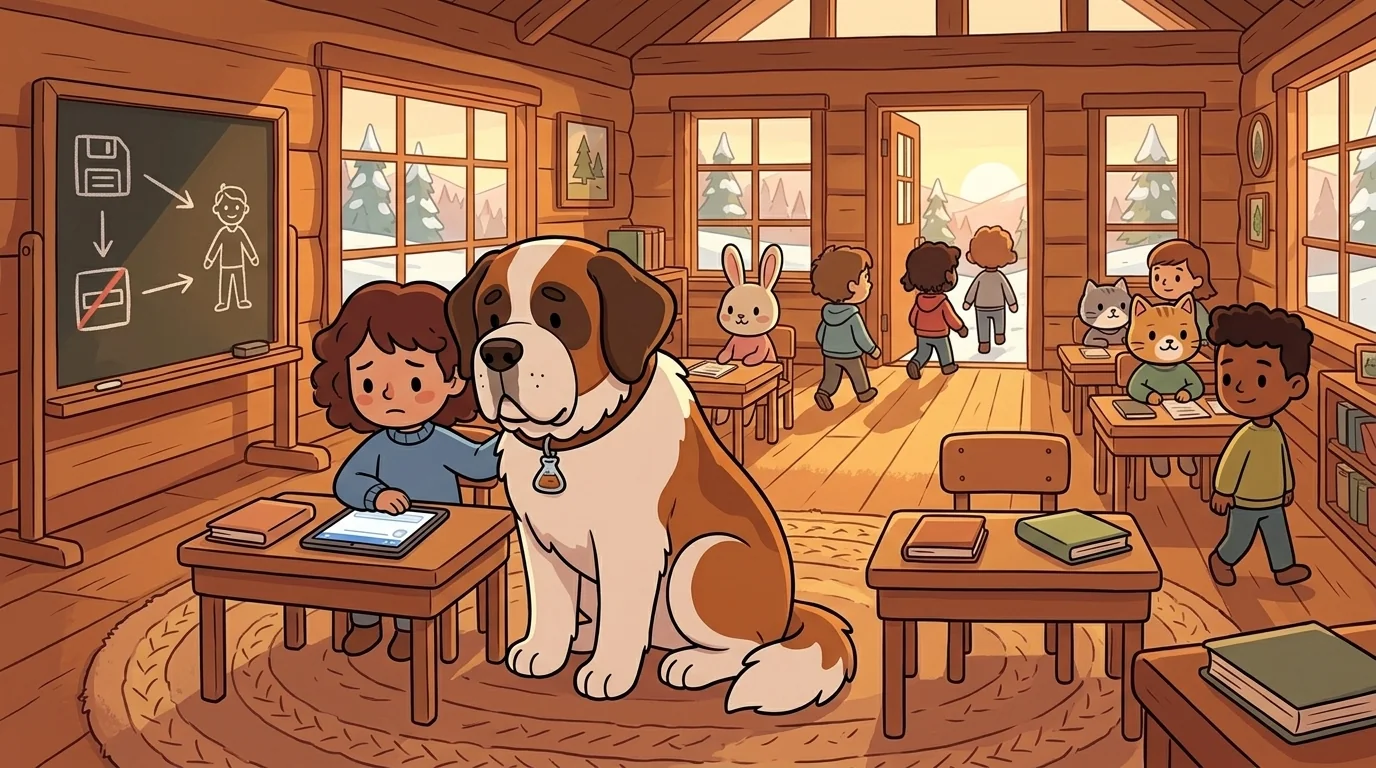
"What if it happens to me?" a student asked once, quietly. Bolster came and sat close, the way rescue-dogs do. "Then you feel it — because it's real — and you remember it's not your fault. Then you make the steady moves: don't fire back, save it, block them, and tell a grown-up you trust. That last one isn't the weak move. It's the strong one." He rested his big warm head near the student for a moment. And every kid who learned it walked out feeling exactly what Bolster hoped: not frightened and not ashamed, but steady — held by the knowledge that a hurt is never their fault, that they have calm moves to make, and that they never, ever have to make them alone. That being-held feeling, Bolster knew, was the real safety — warmer and stronger than any wall.
The SafetyForge ensemble
Bolster is part of SafetyForge's distributed-narrative cast. Each character embodies a different curricular primitive; together they teach the full subject.
-

Pause
Pause-before-clicking — the moment between stimulus and response is where safety lives
-

Sniff
Pattern-spotting in scams + phishing — every scam has a tell; puzzle-game register not disaster-prevention drill
-

Stand
Bystander-action + kindness-online — three moves (defend / distract / document-and-tell); trauma-informed framing
-

Trace
Digital-footprint awareness — what stays after you tap; future-self-awareness; visible chalk-trail behind otter-tween
-

Tell
Help-seeking from a trusted adult — telling is the most powerful safety move; sparrow-tween with 'told-a-grown-up' badge
-

Breather
Digital balance — knowing when to step away — 'Screens off. Look up.'
-
Clasp
Strong passwords + account protection — 'A good lock keeps strangers out.'
-
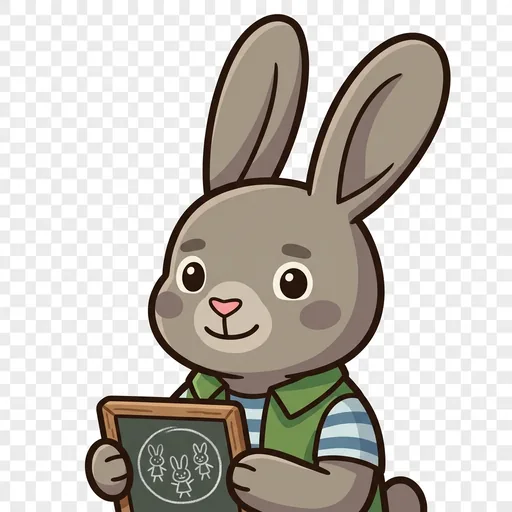
Warren
Privacy settings + the share-circle — 'Decide who is inside the fence.'
-
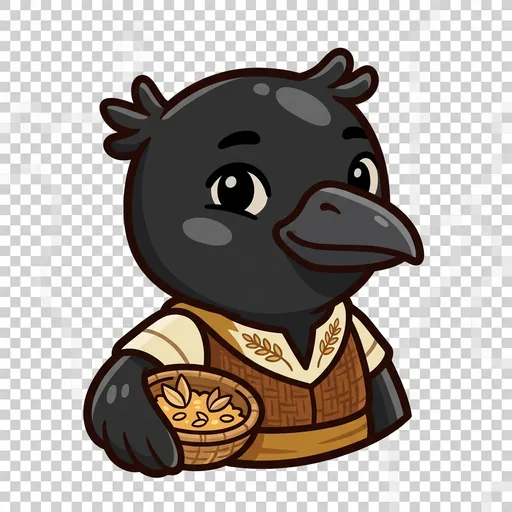
Winnow
Check-before-you-share — spotting misinformation — 'Sift the true from the tall tale.'