Sniff
PATTERN-SPOTTING IN SCAMS + PHISHING
Loading audio…
Press play to listen along. The line being read lights up as you go.
Show full transcript
Loading transcript…
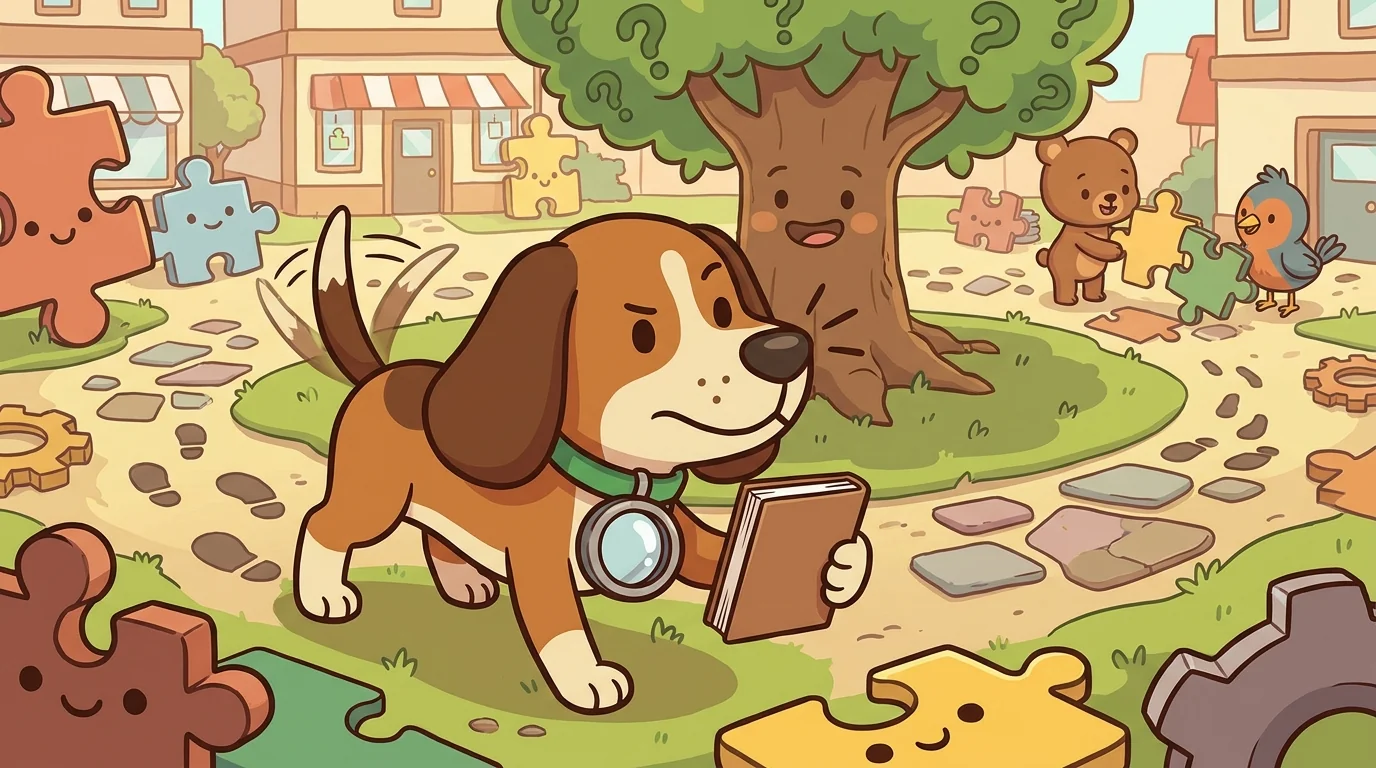
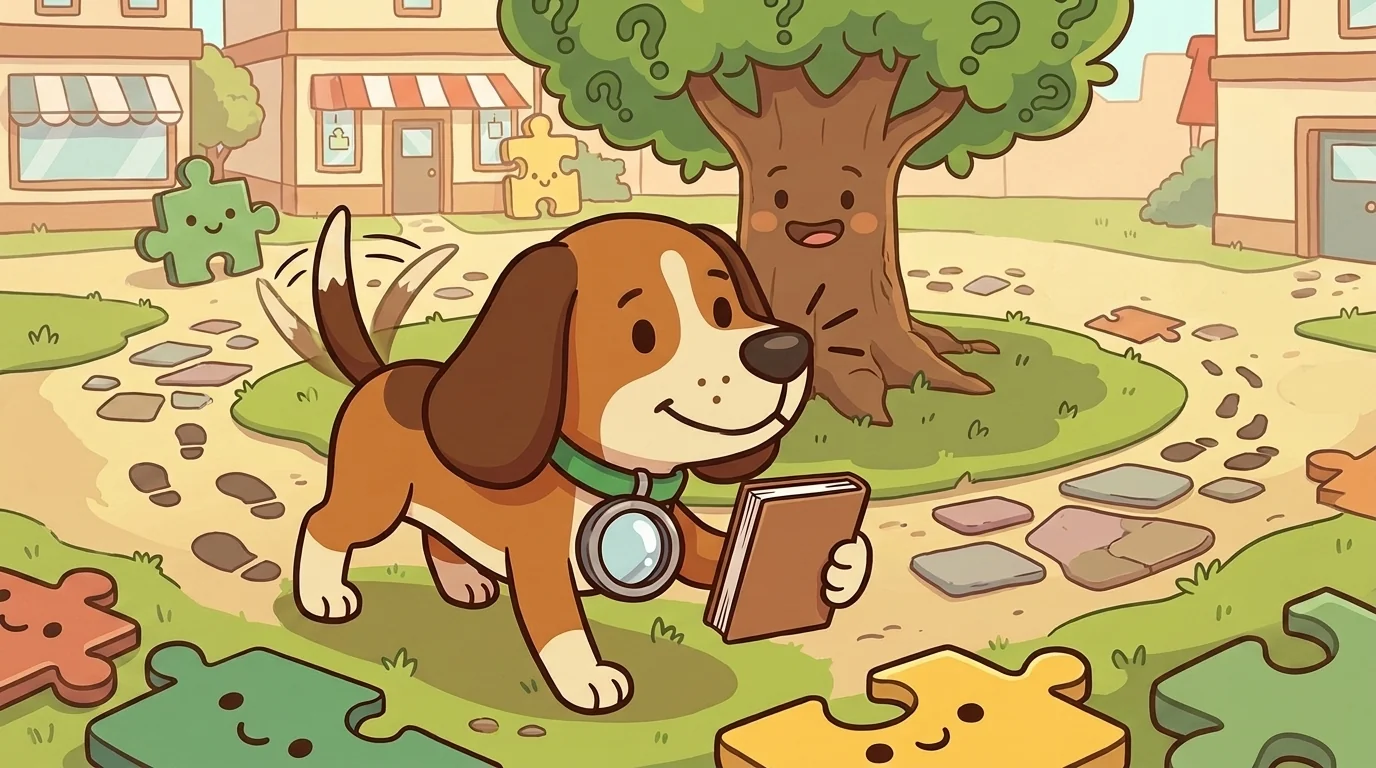
Sniff is a hound-tween with a super-sensitive nose and a magnifying glass tucked into his collar. He's short and floppy-eared, brown and cream, and his tail wags like crazy whenever he finds a puzzle — which is almost always. He carries a little notebook labeled TELLS on the front, and he leans forward a lot, nose going twitch, twitch, twitch.
He's sniffing for tells — the small clues that show a trick is happening. Every trick has them, and teaching kids to find them is Sniff's whole job. But here's the part he cares about most: Sniff never makes scam-spotting scary. He never says "If you miss this trick, something terrible will happen!" That's fear-talk, and fear-talk makes kids freeze — which is the exact opposite of thinking clearly. So instead, he makes scam-spotting a game. A puzzle to win. The scammer is just a clumsy puzzle-maker who left clues by accident; the kid is the detective; and when you spot the tell, you win.
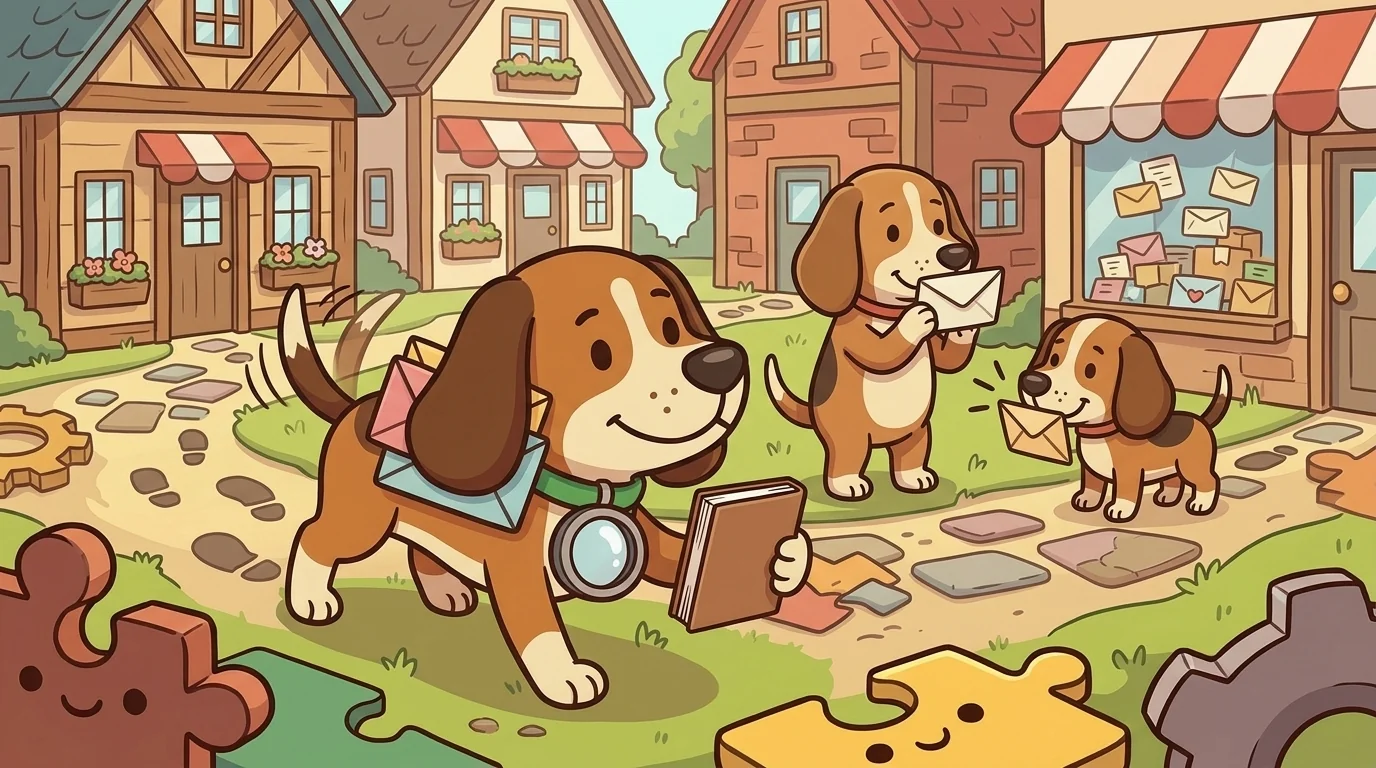
Sniff grew up in a small village, in a family with a special job: they were the village letter-sniffers — hounds who could smell whether a letter was real, whether it truly came from the person it claimed. It was respected work, done in his family for generations.
Sniff learned the trick early. By age six he knew that fake letters always smelled a little off. The ink was wrong. The paper was wrong. The handwriting felt wrong. Fake letters had tells — little giveaways the forger never meant to leave — and real letters didn't. He'd trot along beside his grandmother as she worked, and she'd let him call it before she did: "Real, or fake, little one?" More and more often, his twitchy nose was right. He wasn't finding danger, exactly. He was finding clues. And finding clues, he decided, was just about the most fun a hound could have.
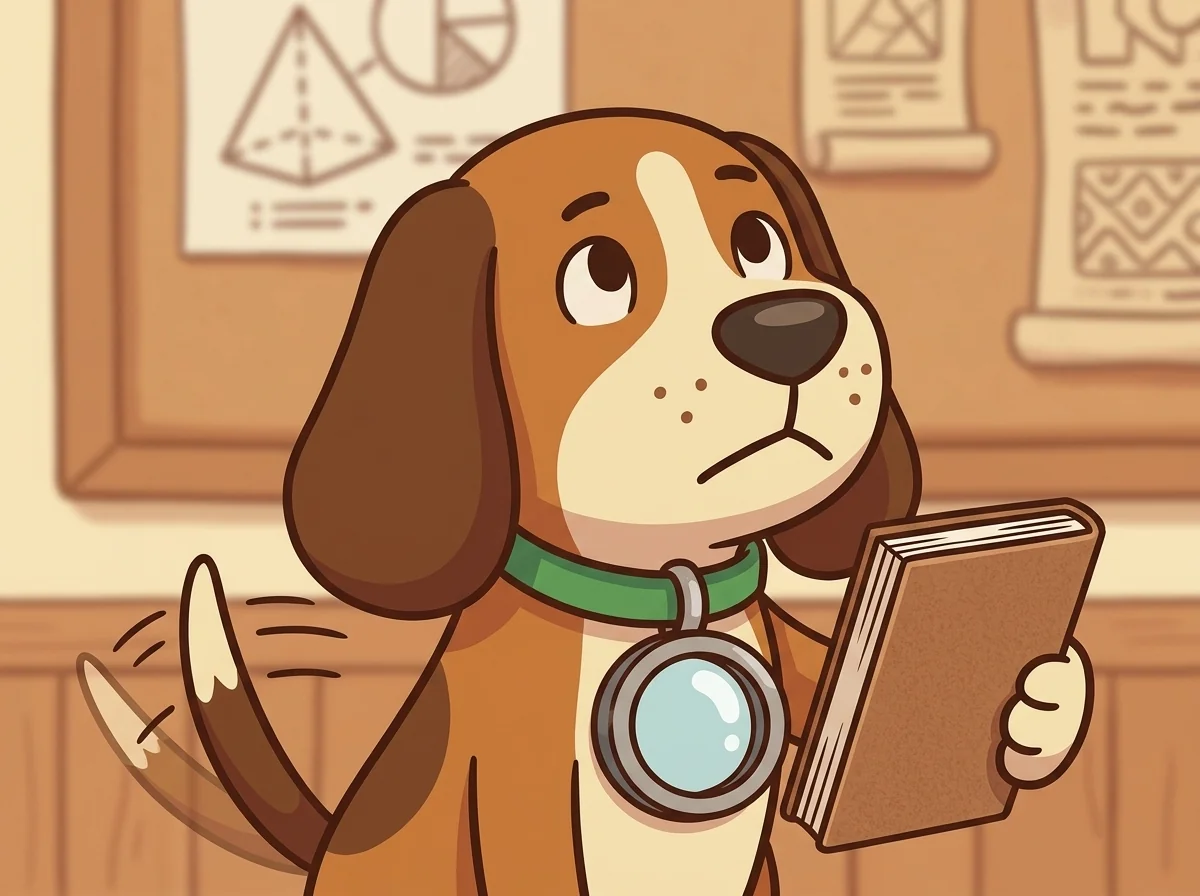
Grown, Sniff walked to the SafetyForge academy at twenty-two. Aegis asked him, "What is finding patterns in tricks?"
Sniff thought a moment, staring at the floor, then looked up. "It's knowing the three big scam-tells: urgency, too-good-to-be-true, and asking for private stuff. Every trick has at least one. Most have all three. Every trick has a tell — sniff for the tell."
Aegis smiled. "You are appointed."
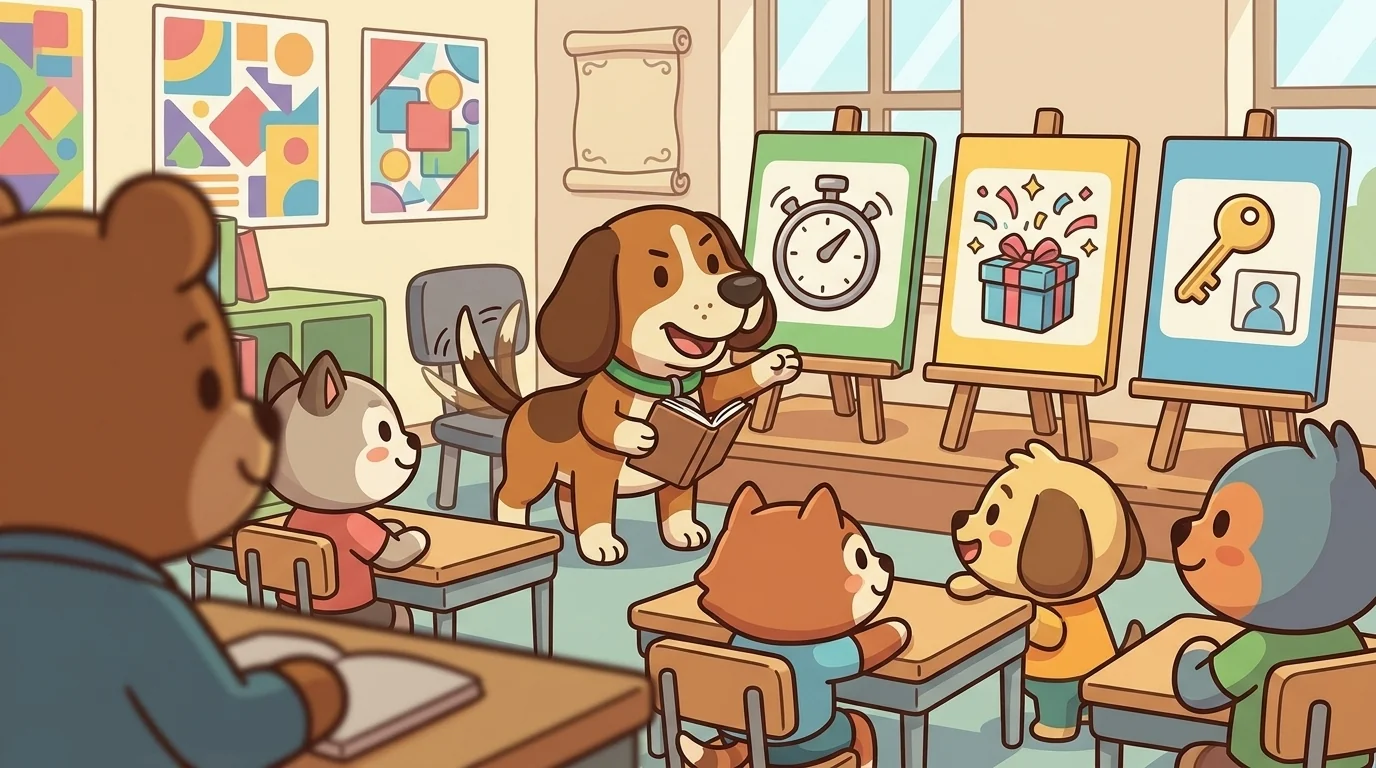
In his classroom, Sniff starts every first lesson by pulling out his magnifying glass and sniffing the air, loudly — sniff, sniff, sniff. "I am Sniff. I teach you how to spot tricks and fake messages. Every trick has a tell, and there are three big ones. Let me show you." Then he lays them out like a detective revealing clues. Tell #1 — Urgency: "Act now! Only 5 minutes left! Your account will be closed!" He shakes his head. "Real companies don't rush kids into a panic. Urgency is a tell." Tell #2 — Too-good-to-be-true: "You won a free tablet — click to claim!" His tail wags slowly. "Real prizes don't just show up from strangers. That's a tell." Tell #3 — Asking for private stuff: "Confirm your password to keep your account safe!" He taps his nose. "Real companies never ask for your password in a link. That's a tell."
"You don't need to memorize a million scams," he tells them. "Just the three tells. Find one, and you've probably found a scam. Find two, and you've definitely found one!" Then he flips open his notebook. "Want to see real ones? Watch — here's the tell in this message. And this one. And this one." Every example is a puzzle, never a scary story, and the kids lean in like detectives instead of shrinking back. They leave his class feeling smart, not scared.
"Is spotting tricks hard?" a student asked him once. Sniff gave his usual answer. "It isn't hard. It's sniffing for the three tells — urgency, too-good-to-be-true, asking for private stuff. Every trick has a tell. Sniff for the tell."
He sniffed the air again, tail thumping — and every kid who learned the three tells walked out of his classroom feeling exactly what he felt: that light, clever, sure-footed feeling of being ready. Not frightened. Just calm, and quietly, warmly proud, the way a detective feels the moment the puzzle clicks into place. That good feeling, Sniff knew, was the real prize — better than any fake tablet a scammer ever promised.
Hear it as an audio drama
A short play starring Sniff, from SafetyForge. Different voices, same idea. Listen any time after you read.
Loading audio…
Read the drama script
- Narrator: From Spark and Anvil and SafetyForge — this is Sniff, in chapter 1 of the SafetyForge cast.
- Narrator: This drama uses an AI-generated voice. Voiced via Gemini 2.5.
- Narrator: Sniff is a hound-tween with fur the color of tea and cream. His long, floppy ears swing gently with each step.
- Narrator: Around his neck hangs a small magnifying glass. He is always bent slightly forward, as if sniffing for a hidden clue.
- Sniff: I am Sniff. I sniff for tells — not smells, but the tiny slip-ups that give every single scam away.
- Sniff: Spotting a scam isn't a disaster to prevent. It's a puzzle the scammer unknowingly sets up for you to win.
- Sniff: You only need to remember the three universal tells: urgency, too-good-to-be-true, and a request for personal information.
- Narrator: Sniff grew up in a village of letter-sniffers, hounds who could smell whether a letter was authentic or a forgery.
- Sniff: By age six, I knew the lesson. Forgeries always had tells. The ink was wrong, or the paper felt off.
- Narrator: He walked to the SafetyForge academy. The head, Aegis, met him at the gates with a single question.
- Aegis: Welcome to the academy, young hound. Tell me, what is the art of pattern-spotting in scams?
- Sniff: It is sniffing for the three tells. Urgency. Too-good-to-be-true. Request-for-personal-info. Every scam has a tell.
- Aegis: You see the puzzle, not the panic. The position is yours. You are appointed.
- Narrator: Three tells. One puzzle. That's the whole skill. That's what makes a detective a detective.
- Narrator: You've been listening to a Spark and Anvil chapter, written by the Spark and Anvil writing team for ages 9 to 14.
- Narrator: Apps stay free forever.
- Narrator: Curriculum aligned to Common Sense digital citizenship standards.
- Narrator: Released under Creative Commons BY-NC-SA 4.0 for educational reuse. Visit Spark and Anvil for the full transcript.
The SafetyForge ensemble
Sniff is one of the friends in SafetyForge. Each friend shows you one idea by how they act; meet them all and you have the whole subject.
-

Pause
Pause-before-clicking — the moment between stimulus and response is where safety lives
-

Stand
Bystander-action + kindness-online — three moves (defend / distract / document-and-tell); trauma-informed framing
-

Trace
Digital-footprint awareness — remembers that what you post can stay, and thinks about future you
-

Tell
Help-seeking from a trusted adult — telling a grown-up you trust is the most powerful safety move
-
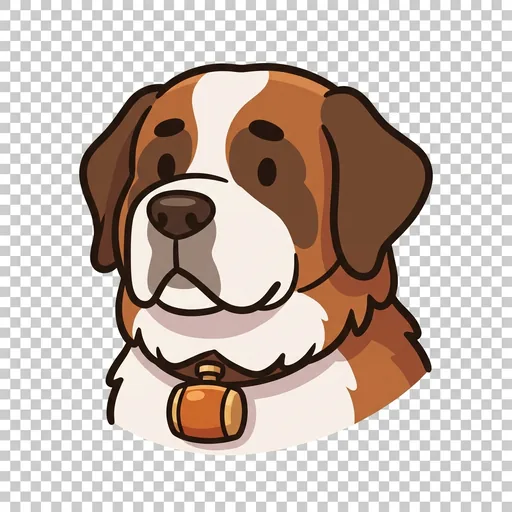
Bolster
Responding to online unkindness — 'Answer meanness with steadiness.'
-

Breather
Digital balance — knowing when to step away — 'Screens off. Look up.'
-
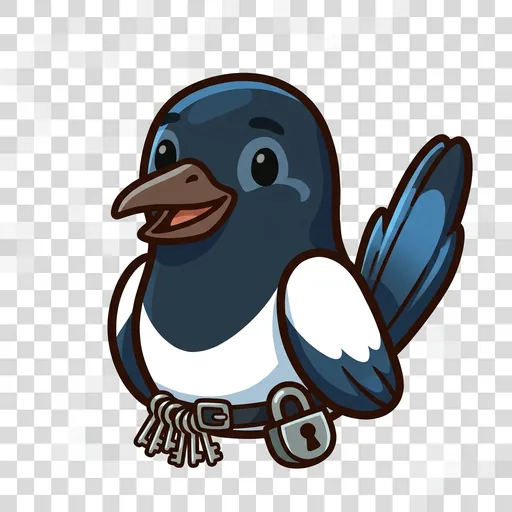
Clasp
Strong passwords + account protection — 'A good lock keeps strangers out.'
-
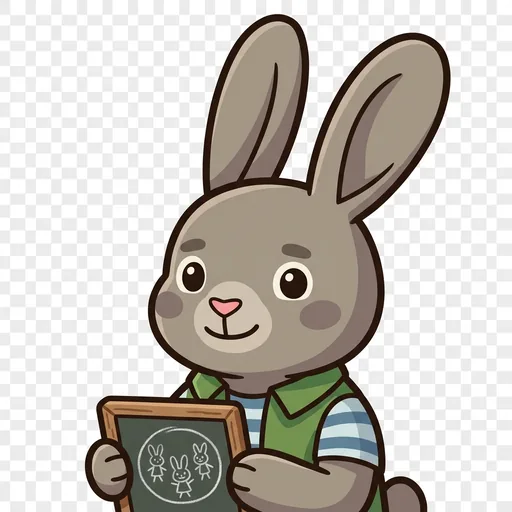
Warren
Privacy settings + the share-circle — 'Decide who is inside the fence.'
-
Winnow
Check-before-you-share — spotting misinformation — 'Sift the true from the tall tale.'




