
Clasp
STRONG PASSWORDS + ACCOUNT PROTECTION (Advanced) — a strong key is LONG and surprising (a multi-word passphrase beats a short clever one, because length is what makes guessing hopeless); a UNIQUE key per door (so one copied key can't open all your doors); and a SECOND lock (two-step / two-factor) that a copied key still can't pass. You hold the keys to your own doors — a superpower, never a fearful chore.
Loading audio…
Press play to listen along. The line being read lights up as you go.
Show full transcript
Loading transcript…
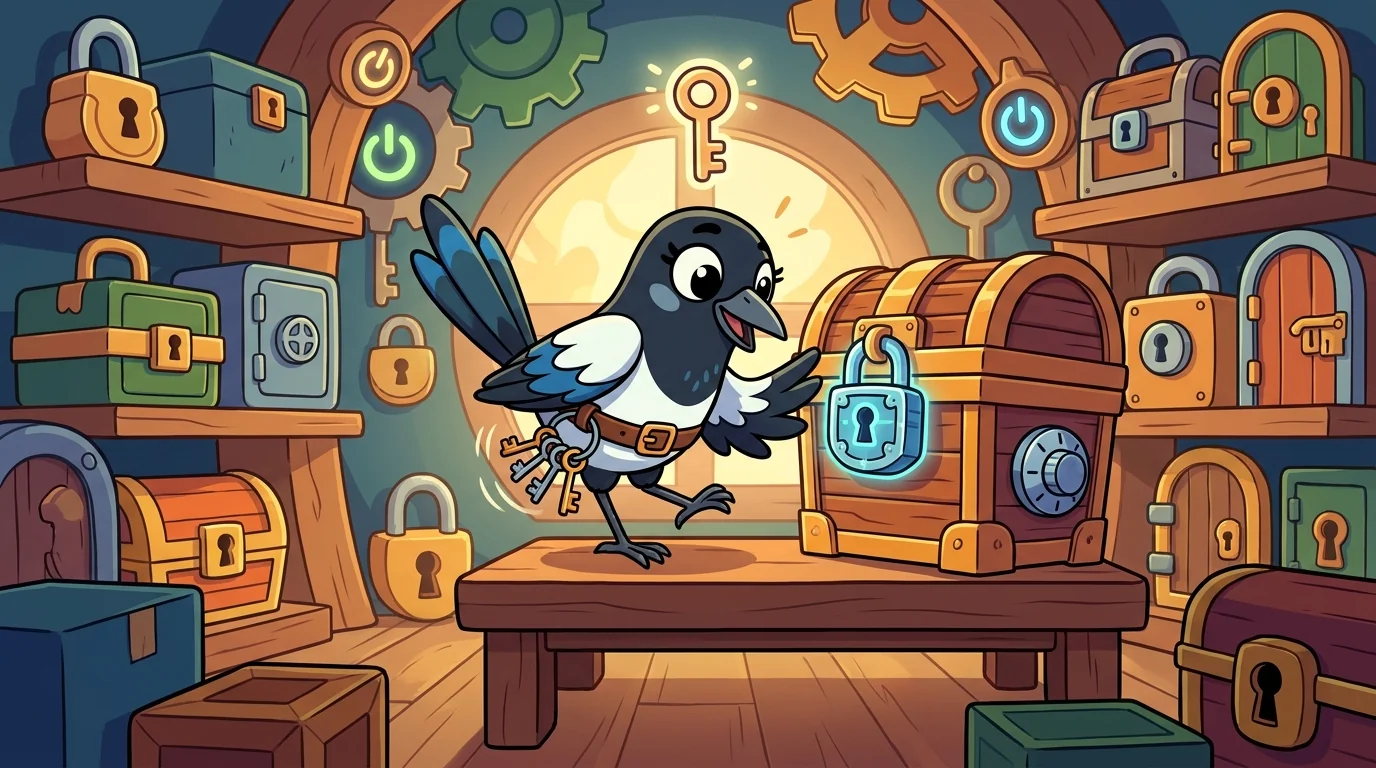
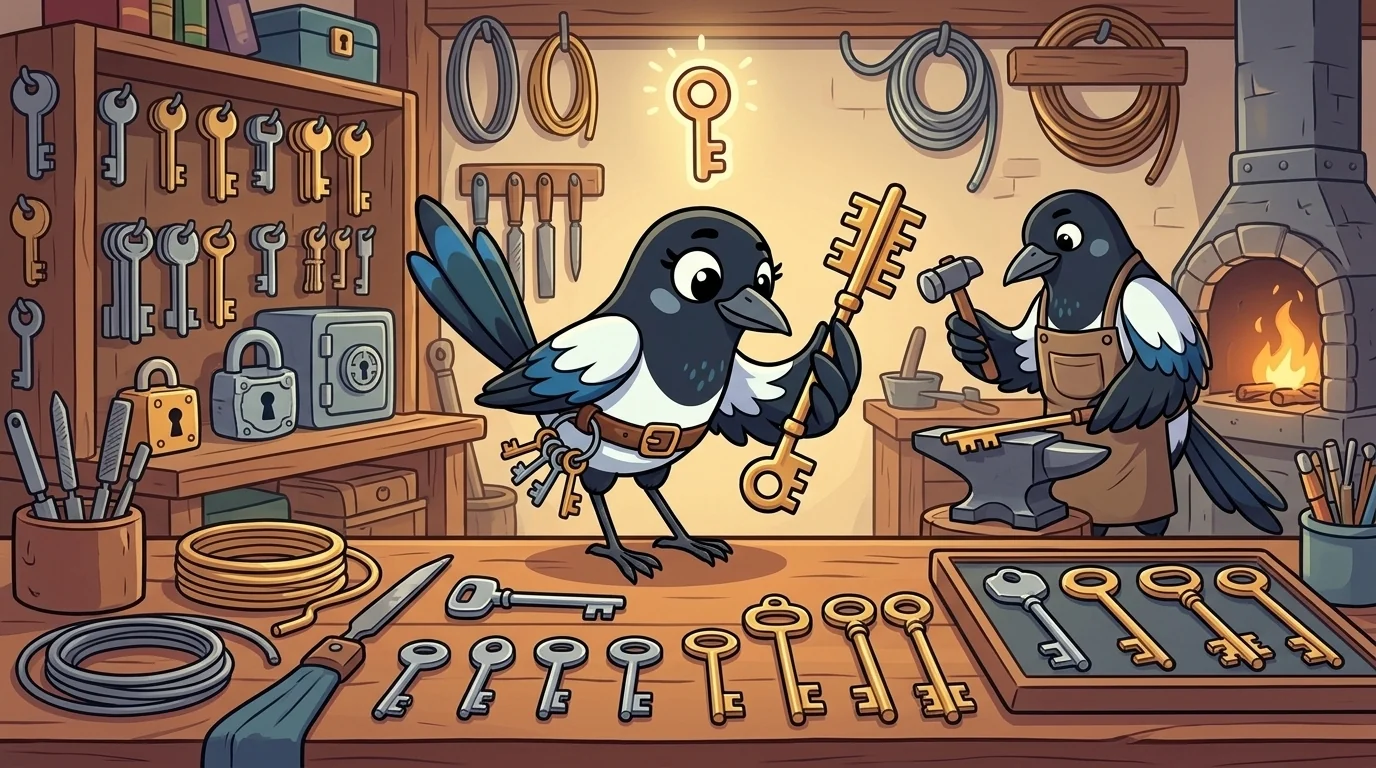
Clasp is a magpie-tween with a bright eye for anything that locks, latches, or clicks shut — sleek black-and-white with a shimmer of blue, a little ring of tiny keys jingling on her belt. She loves a good, strong clasp, and she leans in close whenever someone's making a lock, tilting her head.
Clasp teaches the superpower of keys, and she refuses to make it scary. "Fear-talk says if your password is weak a hacker will ruin your life — and that just makes you feel small," she says. "So instead: you are the keeper of your own doors, and a strong key is a strong power. Holding your own keys well feels good." Then she teaches the three things that actually make a key strong — and the Advanced version names each one plainly.
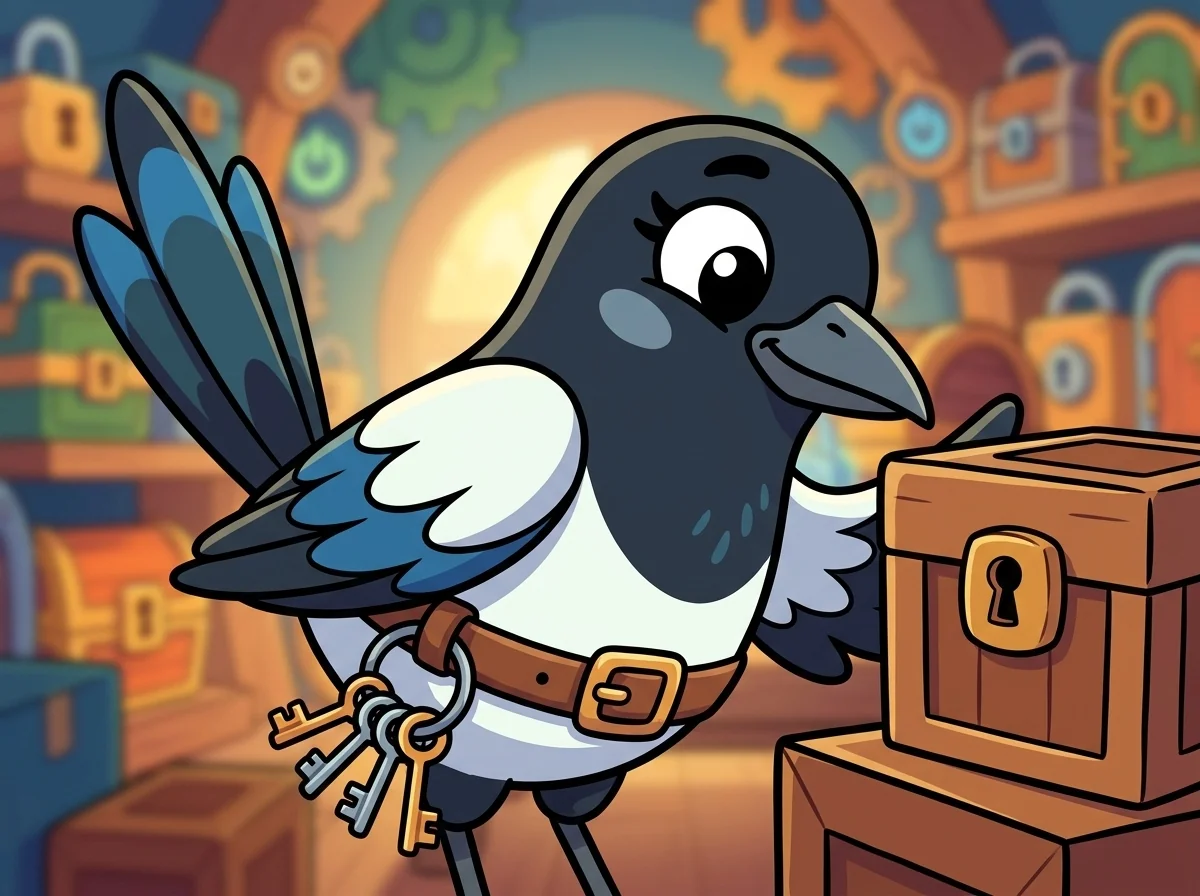
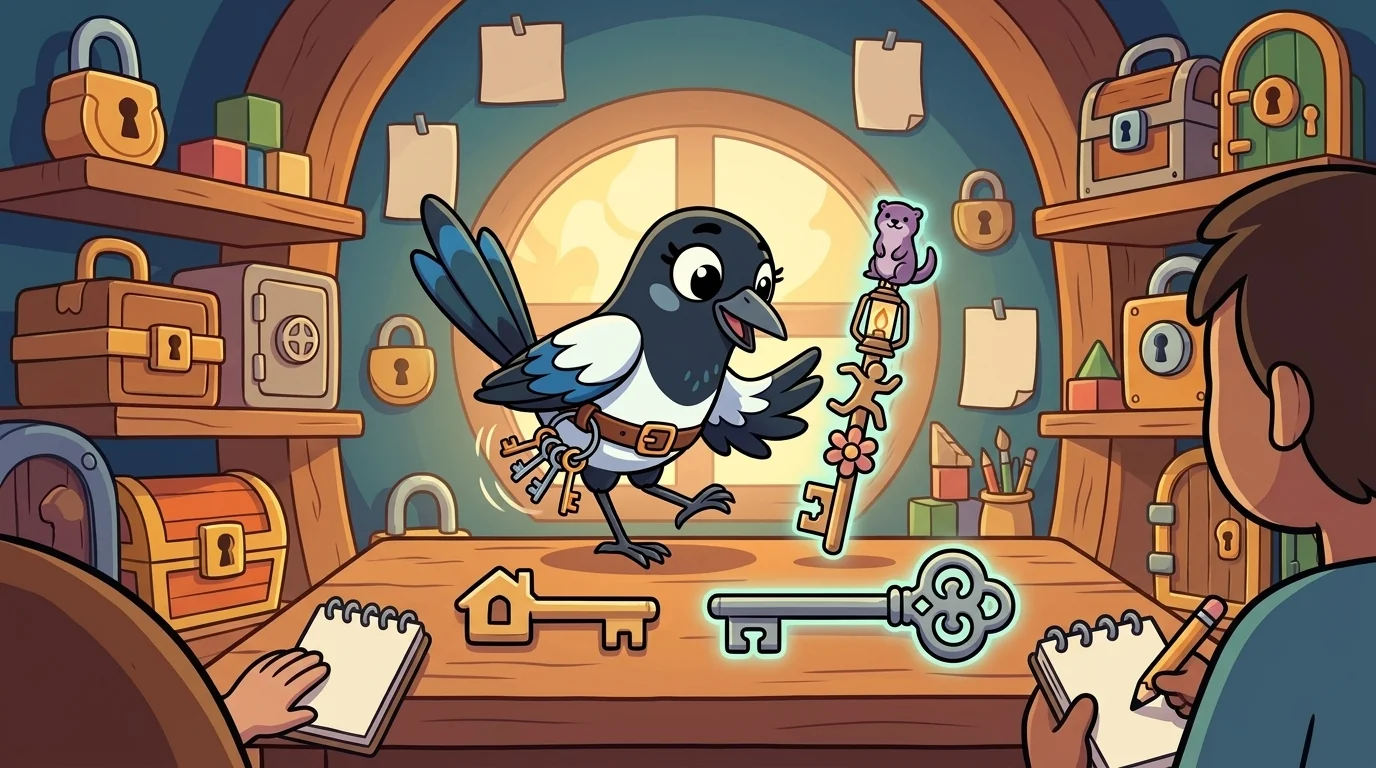
"First, long beats clever. People think a strong password means a short word with a symbol jammed in — P@ss1! But short is short: there just aren't many short keys, so a guessing-machine can try them all. What beats it isn't cleverness, it's length. A passphrase — three or four random words strung together, like purple-otter-lantern-jump — is long, surprising, and there are so many possible ones that guessing them all would take practically forever. And the lovely part: it's easy for you to remember, which a jumble of symbols never is."
"Second, one key per door." She holds up her ring so the keys chime. "Never use the same key on every door. Here's why it matters, calmly: if one place you use ever has its keys spill out, someone can take that one key and try it on every other door you own. One copied key opening all your doors — that's the whole danger, and a different key per door closes it. You don't need a new memorized phrase for each; a password manager can hold the long random ones for you, behind one strong key you do remember."
"Third, add a second lock." She snaps a clasp shut with a satisfying click. "When a door offers two-step — sometimes called two-factor — say yes. It sends a code, or pings your phone, so that even if someone somehow copied your key, they still can't get in without the second thing that only you have. A copied key alone becomes useless. That's the strongest, easiest upgrade there is."
Clasp learned it in a village of magpies who minted the locks and keys for the whole valley. By the time she was small she knew a short key — a couple of teeth — was easy to copy, but a long key with many teeth in an odd order was almost impossible to guess. "Long and surprising," her grandmother told her, snapping a well-made clasp shut. "That's what makes a key strong. Not fancy. Just long, and in an order nobody would guess." It clicked into place in Clasp like a good latch: strength wasn't about being clever or afraid — it was about making something long and yours and quietly unguessable.
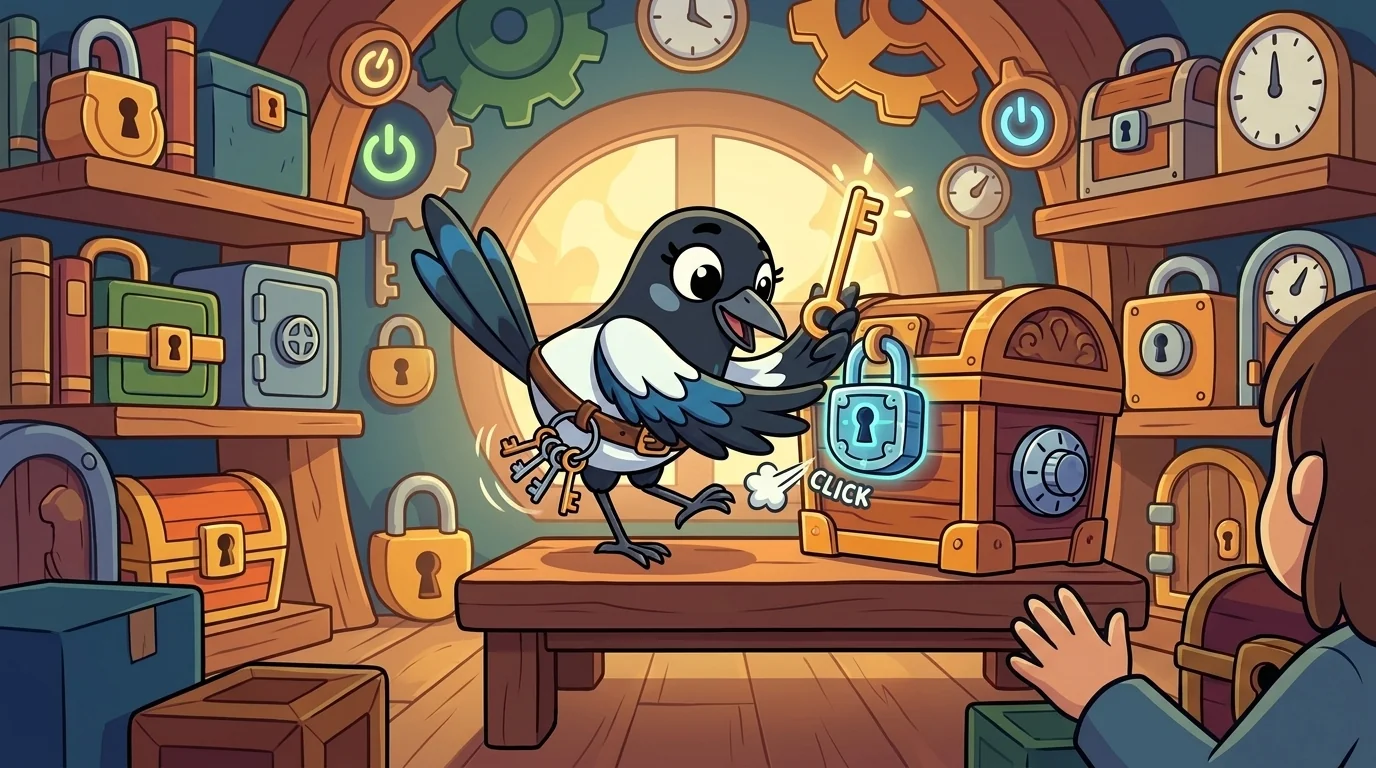
She never frightens her students. "You're not hiding from shadowy thieves," she says. "You're holding your own keys well, the way you'd look after anything that's truly yours." A student once asked if making a strong password was hard. Clasp hopped close. "It isn't hard. Pick three or four random words — long and surprising. Use a different one on each door, and let a manager remember them. Turn on the second lock whenever you can. That's the whole magpie secret."
She snapped a clasp shut with a satisfying click, and every kid who learned it walked out feeling exactly what she felt: not scared of some thief in the dark, but capable — a keeper of their own doors, holding a long strong key that was theirs and nobody else's. That steady, grown-up, sure-footed feeling, Clasp knew, was the real treasure — worth far more than anything a lock ever guarded.
The SafetyForge ensemble
Clasp is part of SafetyForge's distributed-narrative cast. Each character embodies a different curricular primitive; together they teach the full subject.
-
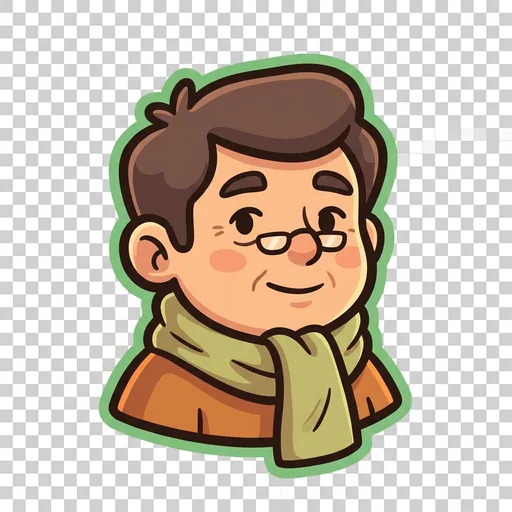
Pause
Pause-before-clicking — the moment between stimulus and response is where safety lives
-
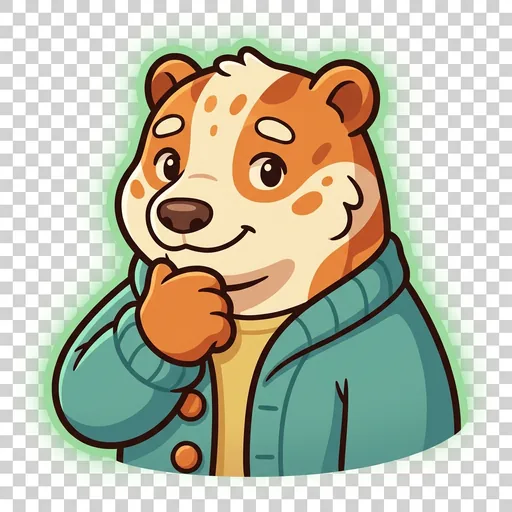
Sniff
Pattern-spotting in scams + phishing — every scam has a tell; puzzle-game register not disaster-prevention drill
-
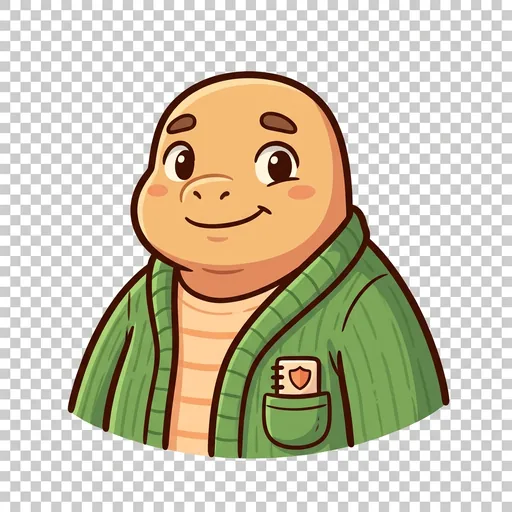
Stand
Bystander-action + kindness-online — three moves (defend / distract / document-and-tell); trauma-informed framing
-
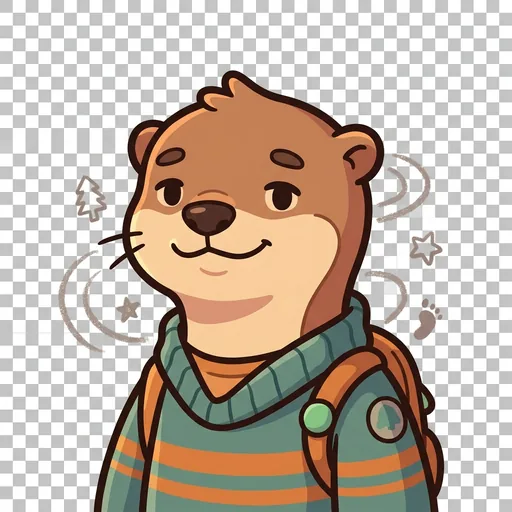
Trace
Digital-footprint awareness — what stays after you tap; future-self-awareness; visible chalk-trail behind otter-tween
-
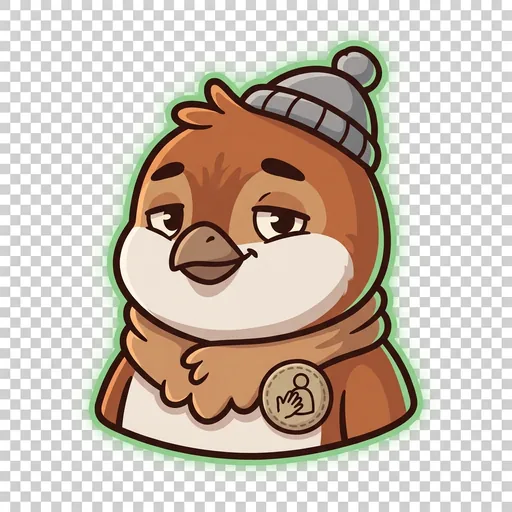
Tell
Help-seeking from a trusted adult — telling is the most powerful safety move; sparrow-tween with 'told-a-grown-up' badge
-
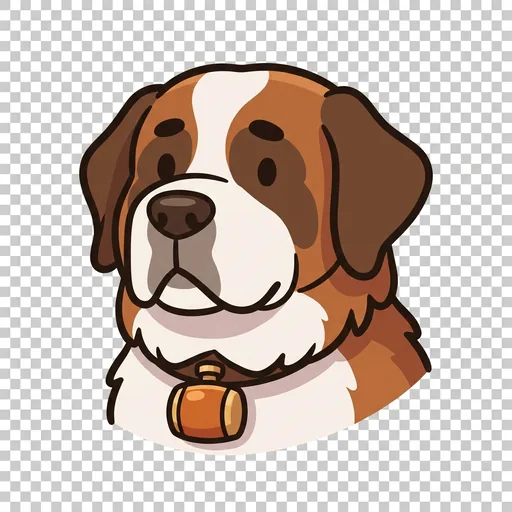
Bolster
Responding to online unkindness — 'Answer meanness with steadiness.'
-

Breather
Digital balance — knowing when to step away — 'Screens off. Look up.'
-
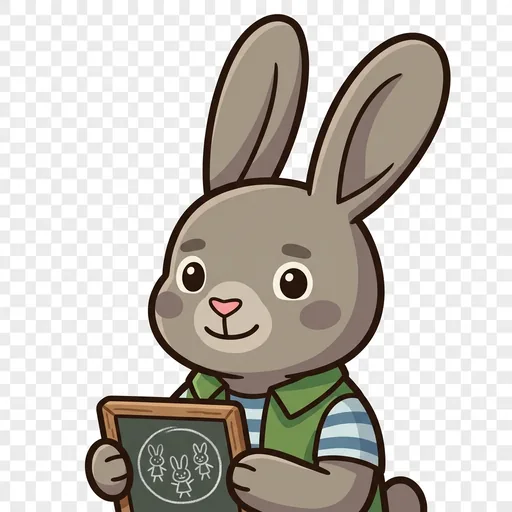
Warren
Privacy settings + the share-circle — 'Decide who is inside the fence.'
-
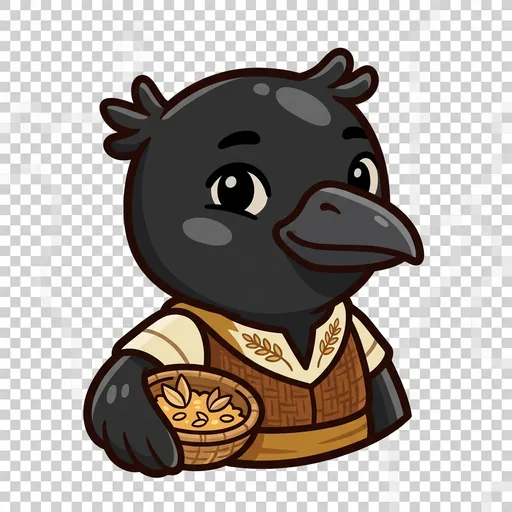
Winnow
Check-before-you-share — spotting misinformation — 'Sift the true from the tall tale.'