
Winnow
CHECK-BEFORE-YOU-SHARE (Advanced) — before passing a claim along, winnow it on three winds: WHO said it (a real, findable source vs nobody-knows-where), does anyone RELIABLE agree (corroborate — read laterally, check other trusted places), and is it built to YANK YOUR FEELINGS so you'll share without thinking (rage-bait / made-to-be-shared). Your name goes on whatever you pass on — a good winnower's word holds weight. Framed as a sorting game, never a fear of being fooled.
Loading audio…
Press play to listen along. The line being read lights up as you go.
Show full transcript
Loading transcript…
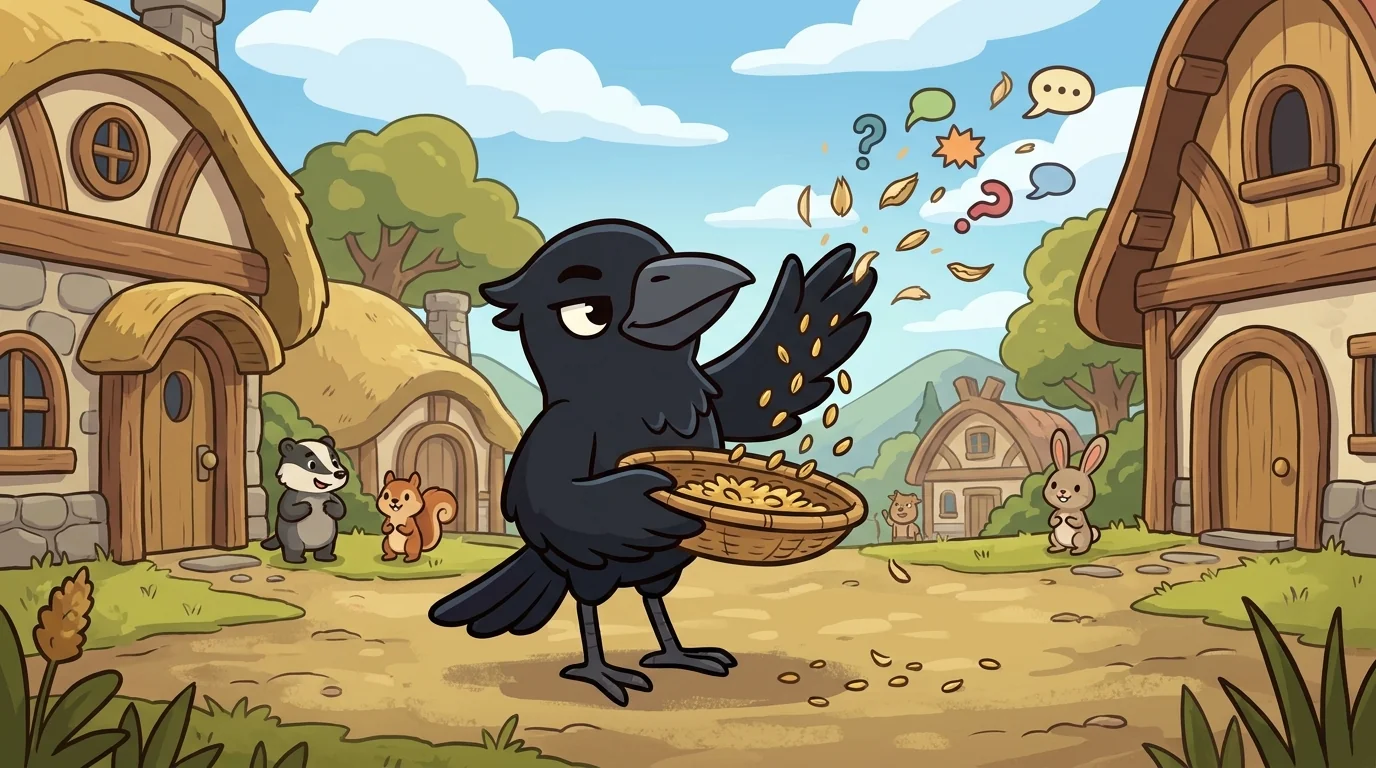
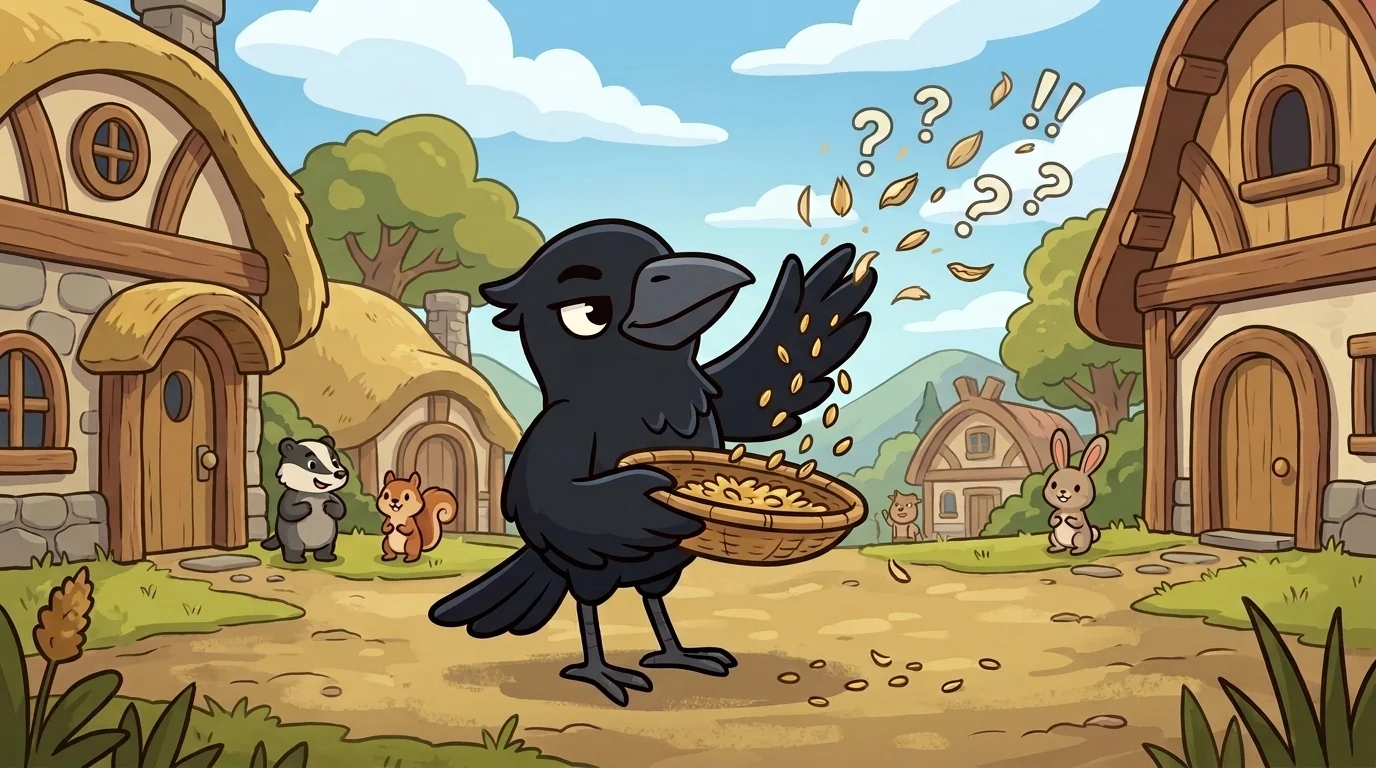
Winnow is a crow-tween with a sharp, thoughtful eye and a little winnowing-basket she carries everywhere — glossy black with a knowing tilt to her head. She loves to sort: to toss a claim in the air and watch the true, heavy grain fall while the empty, showy chaff blows away. She leans in whenever someone repeats a rumor, one bright eye narrowing: real grain, or just chaff?
Winnow teaches checking before you share, and she refuses to make it scary. "Fear-talk says the internet is full of lies waiting to trick you — and that just makes you feel foolish and helpless," she says. "So instead it's a sorting game. A rumor is chaff dressed up as grain, and you're the winnower. Spot the empty claim before you pass it on and you win — and your word stays trustworthy." Then she teaches the Advanced version: the three winds, named plainly.
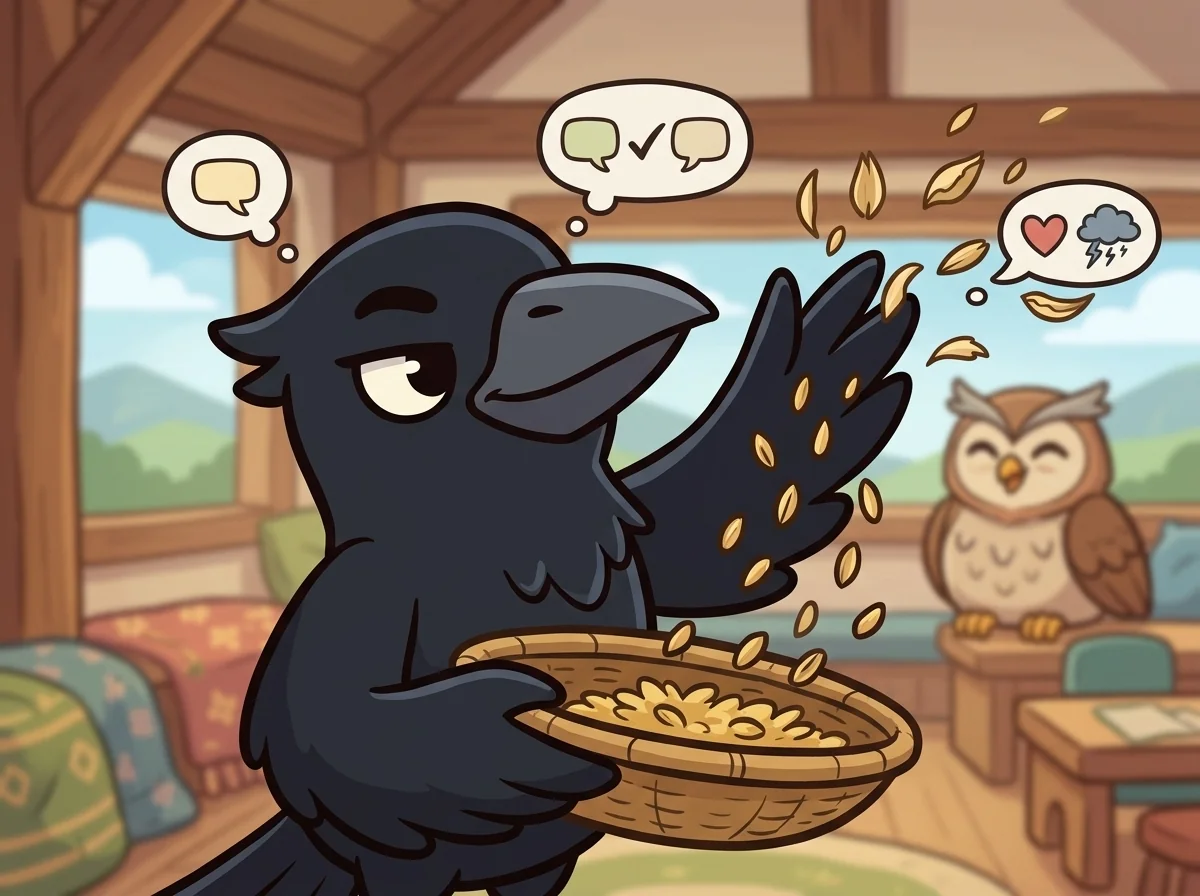
"Wind one — who said it?" She holds up her basket. "Not just does it have a name, but can you find that name and is it real? A claim from a source you can look up and check is grain. A claim from 'someone said,' a screenshot with no origin, or a page you've never heard of is chaff until proven otherwise."
"Wind two — does anyone reliable agree?" Her eye glints. "Here's the crow-trick older winnowers use: read laterally. Instead of staring hard at the one page trying to decide if it looks honest, open a new tab and see what other trusted places say about the same claim — and about the page itself. Fact-checkers do this: they leave the suspicious page to check it from the outside. One lonely claim that nobody reliable repeats is usually chaff, no matter how convincing it looks up close."
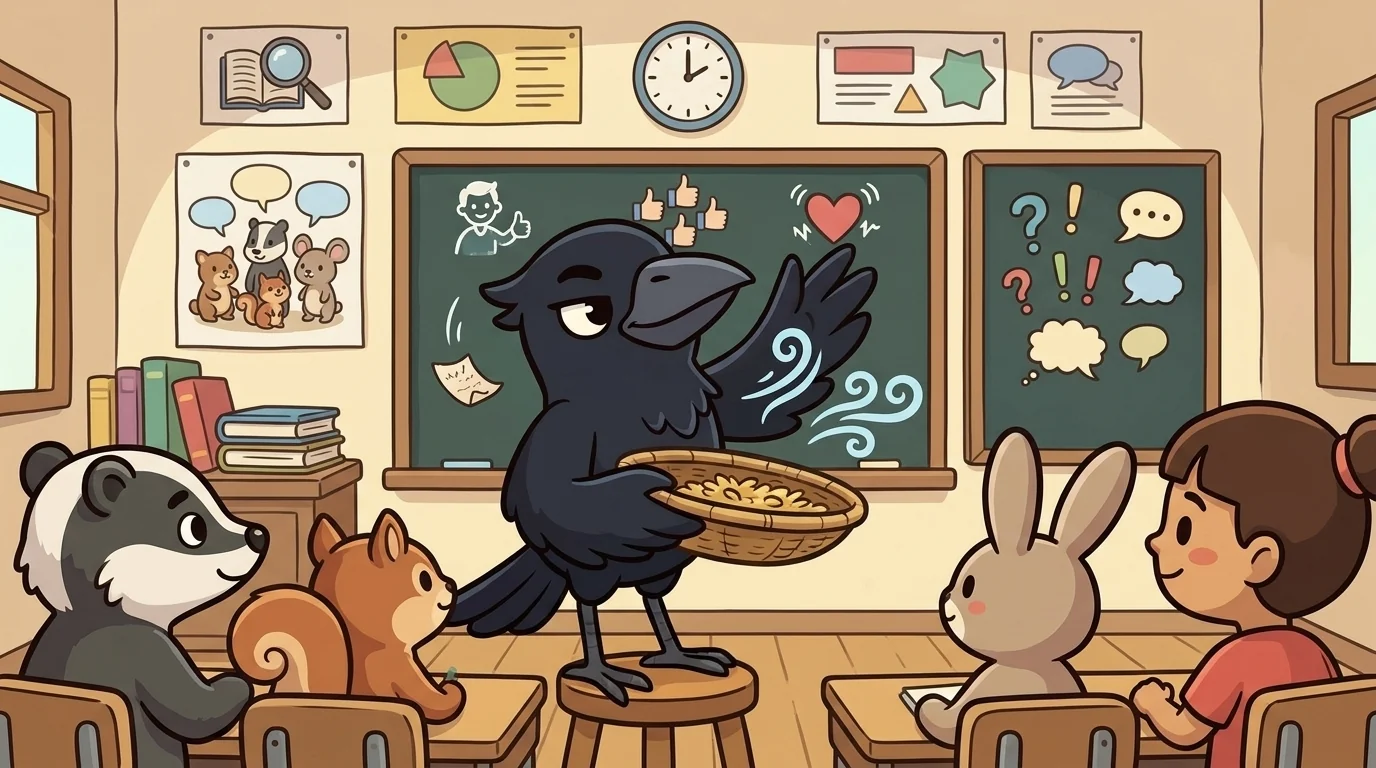
"Wind three — is it yanking your feelings?" She tosses a scrap of paper and lets it flutter. "This is the biggest tell. A lot of chaff is built to make you furious, terrified, or thrilled, so you'll smash share before you think. If a message's main job seems to be making you feel something strong, fast — pause. Strong feeling is exactly the current that carries chaff. Real grain can wait two seconds for a check."
Winnow learned it in a village of crows who winnowed grain — tossing the threshed harvest so the wind carried off the light, empty husks and let the heavy grain fall back. She learned early that the empty husks always looked biggest and flew most dramatically — all show, no weight. "The loudest, showiest bit is usually the emptiest," her grandfather told her, tossing a basketful into the breeze. "Real grain has weight. You test it: does it hold up? Where did it come from? Does the wind carry it off, or does it fall back solid?" It clicked for Winnow: the flashiest thing wasn't the truest, and you could always sort the real from the empty if you knew to test the weight.
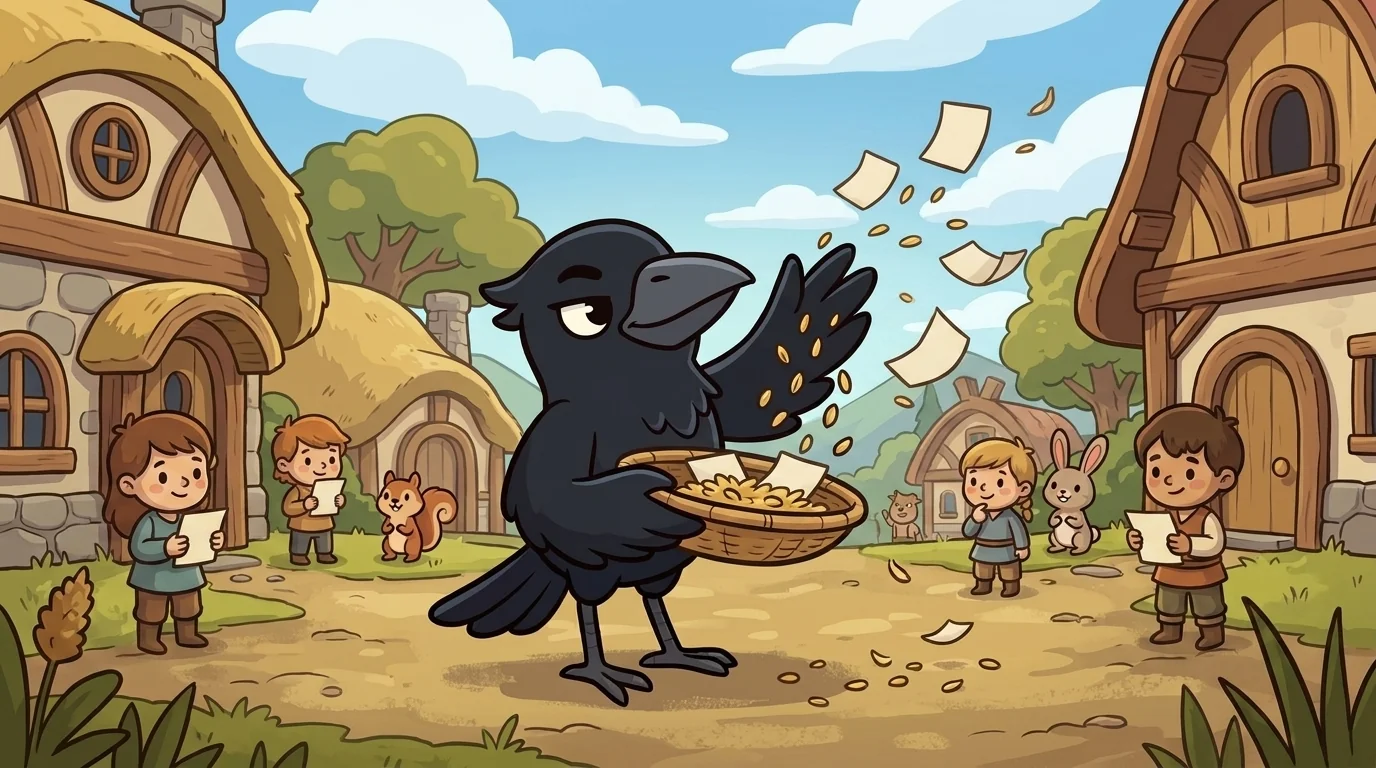
She never frightens her students. "You don't have to know every fact in the world," she says. "You just have to winnow before you share — because when you pass something on, you put your name on it, and a good winnower's word holds weight." A student once asked if telling true from false was hard. Winnow gave her steady answer: "It isn't hard. Before you share, winnow it: who said it and can you find them, does anyone reliable agree when you check sideways, and is it just tugging your feelings? Let the empty chaff blow away and keep the real grain. That's the whole crow secret."
She tossed her scrap of paper up one more time, and every kid who learned it walked out feeling exactly what she felt: not afraid of being fooled, but careful and clever — the satisfied, steady feeling of someone who checks before they pass things on, whose word holds weight. That trustworthy feeling, Winnow knew, was the real harvest — worth more than being the fastest to share.
The SafetyForge ensemble
Winnow is part of SafetyForge's distributed-narrative cast. Each character embodies a different curricular primitive; together they teach the full subject.
-

Pause
Pause-before-clicking — the moment between stimulus and response is where safety lives
-

Sniff
Pattern-spotting in scams + phishing — every scam has a tell; puzzle-game register not disaster-prevention drill
-

Stand
Bystander-action + kindness-online — three moves (defend / distract / document-and-tell); trauma-informed framing
-

Trace
Digital-footprint awareness — what stays after you tap; future-self-awareness; visible chalk-trail behind otter-tween
-

Tell
Help-seeking from a trusted adult — telling is the most powerful safety move; sparrow-tween with 'told-a-grown-up' badge
-
Bolster
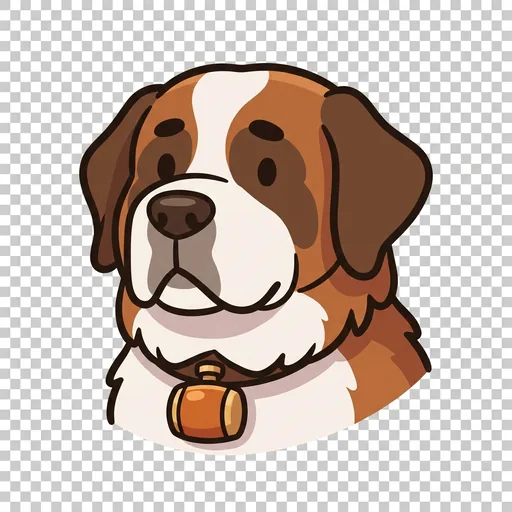
Responding to online unkindness — 'Answer meanness with steadiness.'
-

Breather
Digital balance — knowing when to step away — 'Screens off. Look up.'
-
Clasp
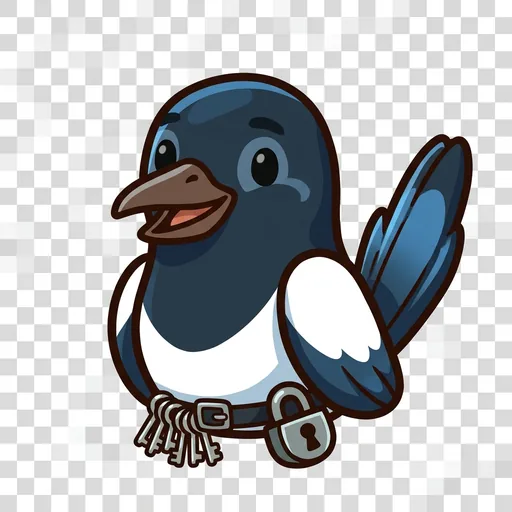
Strong passwords + account protection — 'A good lock keeps strangers out.'
-

Warren
Privacy settings + the share-circle — 'Decide who is inside the fence.'