Copley
ECHO
Listen along — Copley
Loading audio…
Press play to listen along. The line being read lights up as you go.
Show full transcript
Loading transcript…
Copley and the Drum Conversation
Copley is good at impressions. She can do her maths teacher, her grandad, a seagull and a car alarm. At home, her little cousins beg her to do the seagull.
But it was a quiet boy called Mo who taught her what copying is really for.
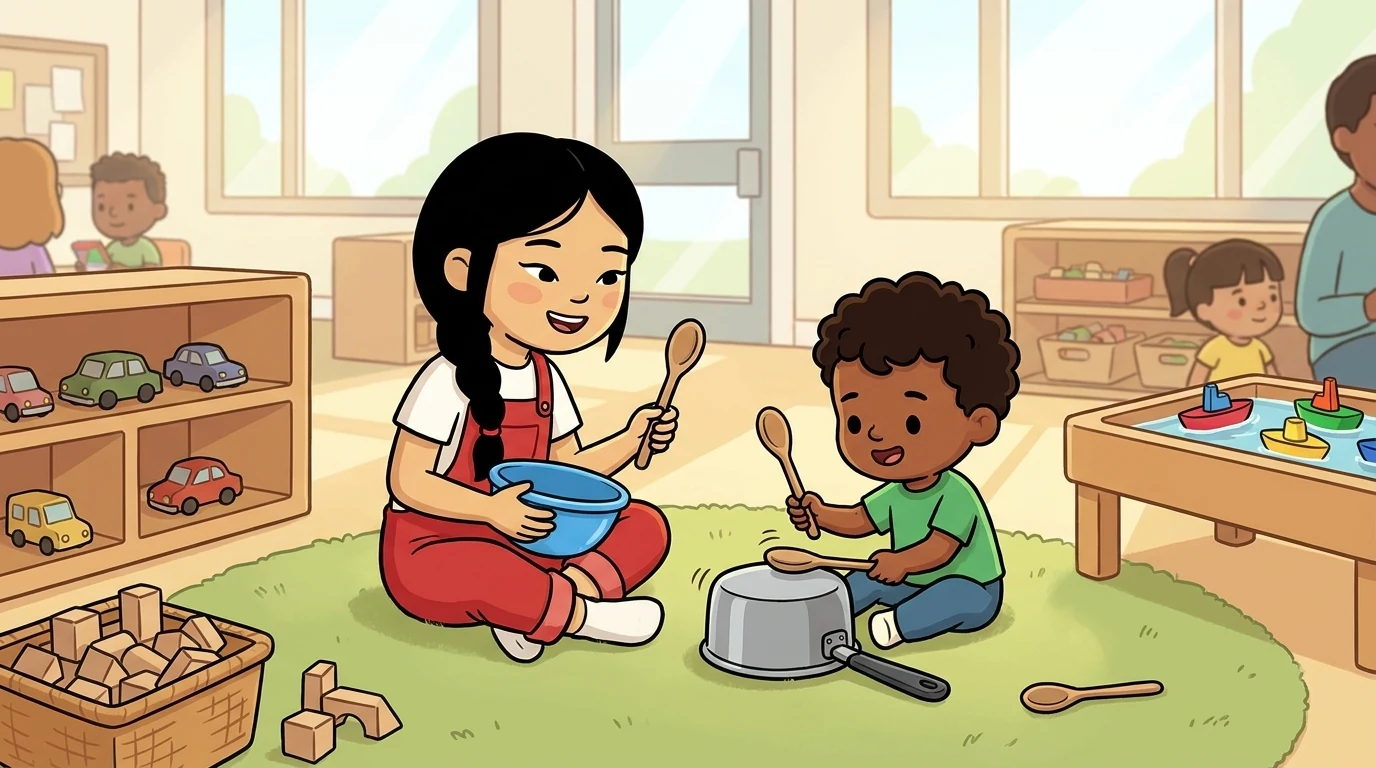
Mo was four, and he didn’t say much. He sat by the low shelf with an upside-down saucepan and a wooden spoon, and he hit it. Bong. Bong-bong. Bong.
Copley sat down near him. She didn’t have a saucepan, so she found a plastic bowl and a spoon from the toy kitchen. When Mo went bong-bong, she went bong-bong too. Exactly the same rhythm. She felt a bit silly, a big kid banging a plastic bowl on the floor, but she kept going.
Mo stopped. He looked at her. His eyes went wide.
He hit the saucepan three times. Bong-bong-bong.
Copley did three. Bong-bong-bong.
Mo grinned. He did one big BONG. Copley did one big BONG. He did a tiny tap. She did a tiny tap. He hit the floor instead of the pan. She hit the floor.
Then something wonderful happened. Mo started making patterns on purpose, to see if she could follow. Bong, tap, bong-bong. She copied it. He made it longer. She copied that too. He laughed out loud, a big surprised laugh, and so did she.
They played like that for fifteen minutes. Neither of them said a single word. It was a conversation anyway.
Afterwards, Sola sat down with her. “What do you think he liked?” she asked.
Copley thought about it. “I think he liked that I was really paying attention,” she said. “Like, not half paying attention while I looked at something else. I had to watch him really closely to copy him.”
That’s the Echo move. When you copy what a little kid does, the same sound, the same move, the same funny face, you’re telling them something without words: I see you. What you’re doing is interesting. I want to play.
And copying turns play into turn-taking. They do something, you echo it, they do something new to see what happens. Before you know it, you’re having a back-and-forth, even with a kid who doesn’t talk much.
Copley has some tips she shares with the new Sidekicks.
Copy, don’t correct. If they sing a song with the wrong words, sing it back with their words. It’s their song.
Copy the feeling as well as the action. If they bang the drum excitedly, be excited. If they stack blocks slowly and seriously, be slow and serious.
Echo words too. If a little kid says “big truck!”, you can say “big truck!” back, and maybe add one tiny thing, like “big red truck!” That’s a little bit of Leif’s Stretch move, mixed in.
And don’t overdo it. If they start to look annoyed, like you’re copying to tease, stop and try something else. Copying should feel like a friendly mirror, not a game of “stop copying me.”
Copley still does her seagull for her cousins. But on Saturday mornings, her favourite impression is whatever the little kid in front of her is doing right now.
Copy their move. Then see what they do next.
The SidekickQuest ensemble
Copley is one of the friends in SidekickQuest. Each friend shows you one idea by how they act; meet them all and you have the whole subject.
-
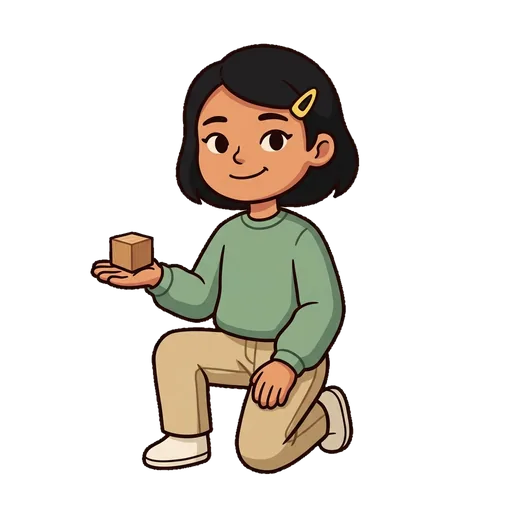
Sola
the little one leads; you are the sidekick who helps their idea grow
-
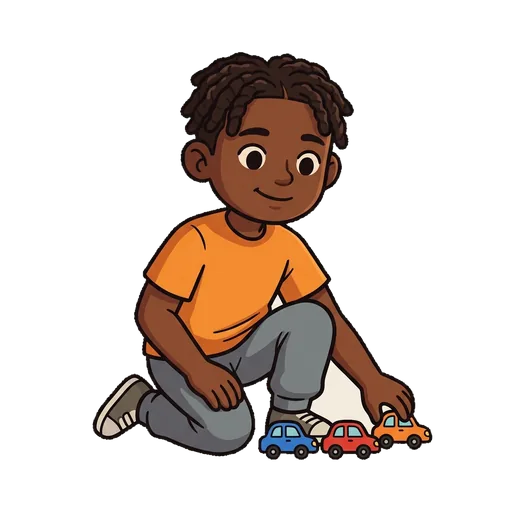
Trailby
The Follow move - join what the little one is already doing
-

Tarry
The Wait move - leave a gap so the little one can lead
-
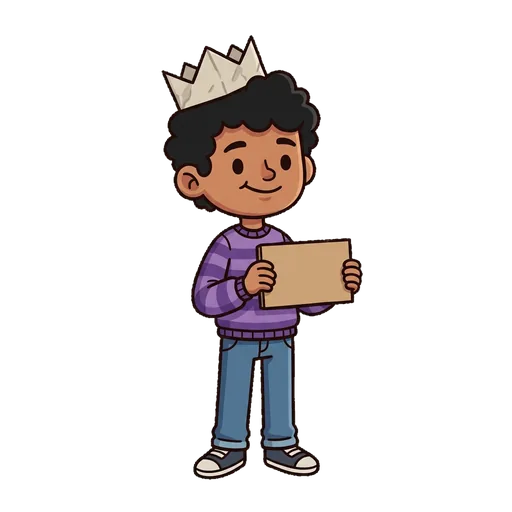
Bumpus
The Obstacle move - be a funny problem the little one can solve
-
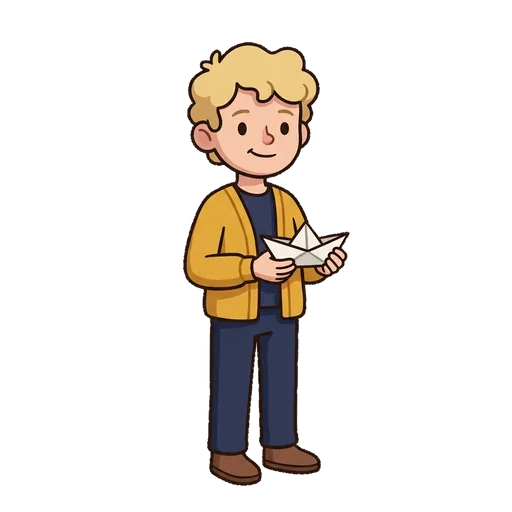
Leif
The Stretch move - add one small new idea to their game
-
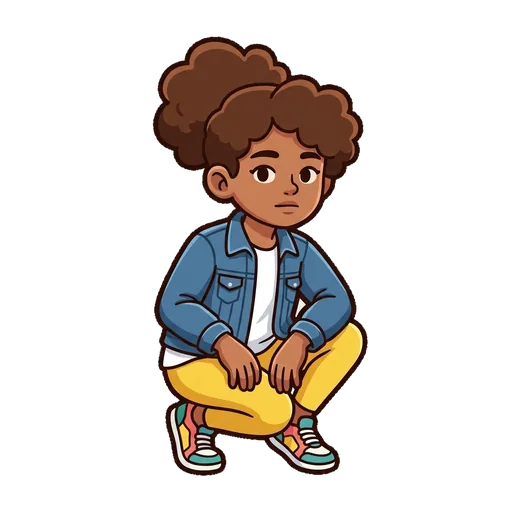
Linden
Notices first - watches before choosing a move
-
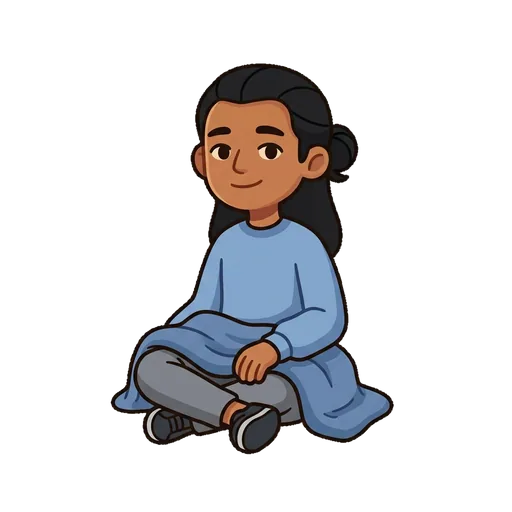
Lowen
Calms first - low, slow and close before any game
-
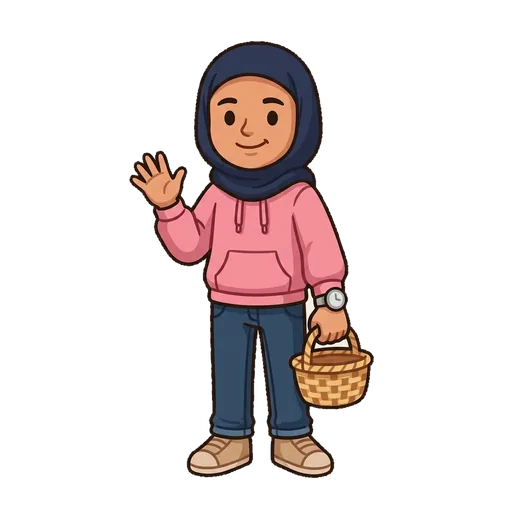
Finley
Ends well - a five-minute warning and a proper goodbye
-
Hallam
Knows the grown-up line - fetches an adult when it is more than play
-
Odessa
Looks back afterwards - when did they lead, what worked, what next