Odessa
LOOK BACK
Listen along — Odessa
Loading audio…
Press play to listen along. The line being read lights up as you go.
Show full transcript
Loading transcript…
Odessa’s Three Cards
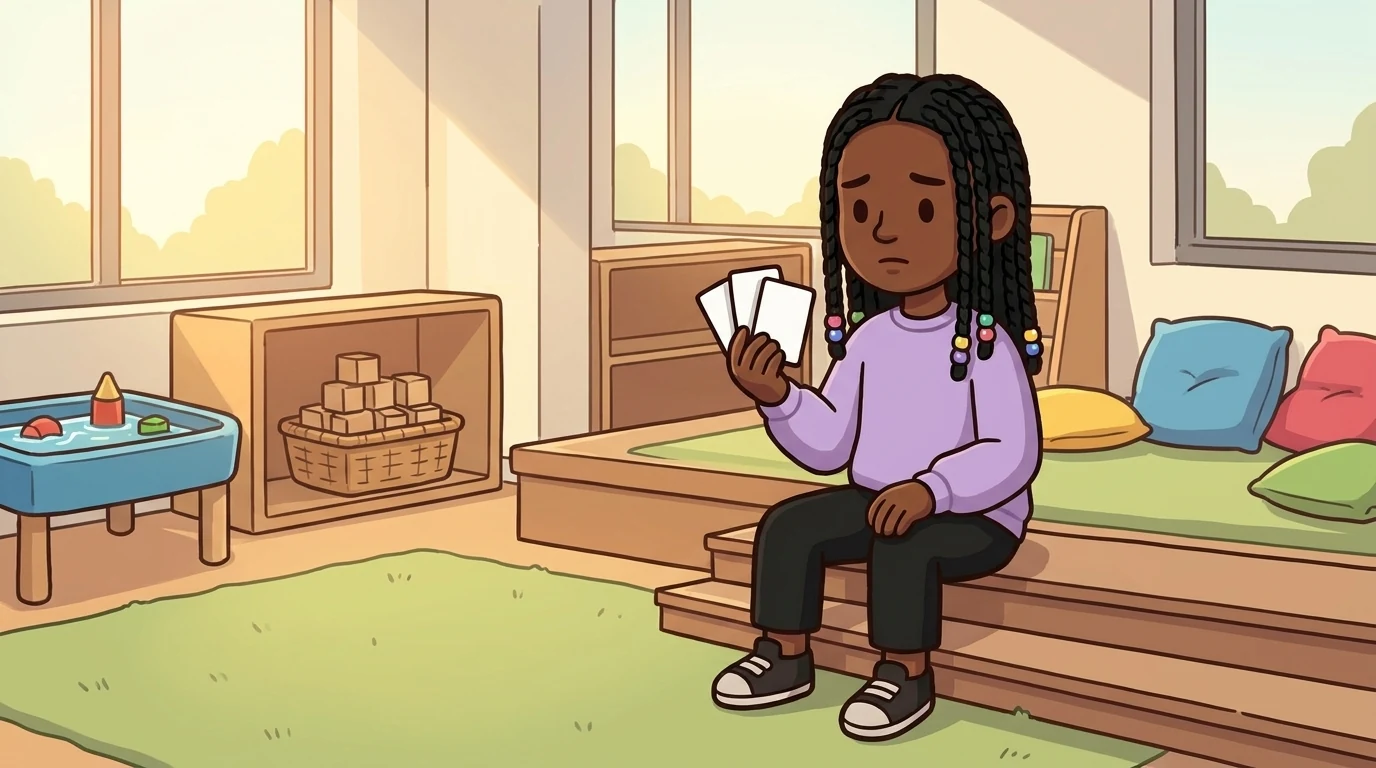
Odessa always sits on the Playroom steps after the Saturday session. The little kids have gone home with their grown-ups, the blocks are back in the basket, and the room is quiet. Odessa takes out three plain cards and thinks.
The first card is for one question: When did they lead?
The second: Which move worked best?
The third: What would I try next time?
She doesn’t write much on them. Sometimes she doesn’t write anything at all. But she always asks the three questions.
It began after a morning she thought was a disaster.
She had been playing with Mo, the quiet boy who liked drumming. Nothing seemed to work. She tried the troll, and Mo turned away. She tried adding a new idea, a toy xylophone, and he ignored it. She tried talking, and he didn’t answer. When the session ended, she felt like she’d failed.
“I was rubbish today,” she told Sola.
Sola didn’t argue. She just asked, “Was there any moment, even a tiny one, when Mo was leading?”
Odessa thought. “At the very end,” she said slowly. “When we were tidying up. He started putting the blocks back in a pattern, and I copied his pattern, and he looked at me and did it faster.”
“So what worked?”
“Copying,” said Odessa. “Copley’s Echo move. Not the troll. Not the xylophone. Just copying what he was already doing.”
“And next time?”
“Start with copying,” said Odessa. “Don’t try the troll first.”
The next Saturday, she sat down beside Mo and copied whatever he did. It was the best session she’d ever had with him.
That’s what looking back is for. Not to give yourself a score or decide if you were good or bad. Just to notice. When you play with a little kid, a lot happens very fast, and it’s easy to remember only the bits that felt bad. A few small questions afterwards help you find the bits that worked, even tiny ones, so you can do more of them.
Odessa has a few rules about her three cards.
Ask about them first, not about you. “When did they lead?” comes before “how did I do?”
Look for something that worked, even if most of it didn’t. There is almost always one moment.
Pick just one thing to try next time. Not ten.
And if a grown-up asks how it went, tell them one good moment. Grown-ups love hearing about the time a little kid led the game.
Sometimes, when she plays with her own little cousins at home, Odessa does the three cards in her head on the walk back. When did they lead? What worked? What next time?
It takes about one minute. And every time, she gets a little bit better at playing.
“It’s like a coach watching the replay,” she says. “Except there’s no score. Just the next game.”
The SidekickQuest ensemble
Odessa is one of the friends in SidekickQuest. Each friend shows you one idea by how they act; meet them all and you have the whole subject.
-
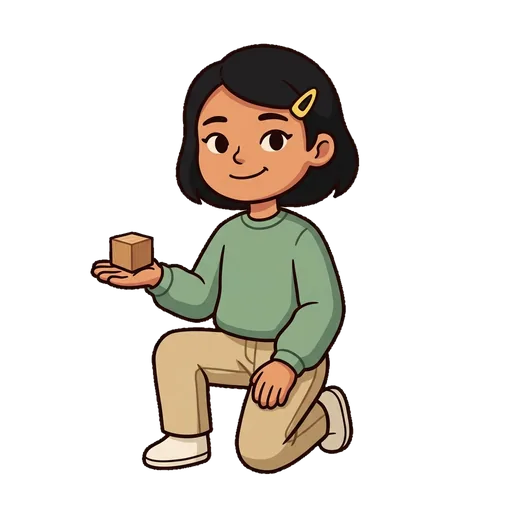
Sola
the little one leads; you are the sidekick who helps their idea grow
-
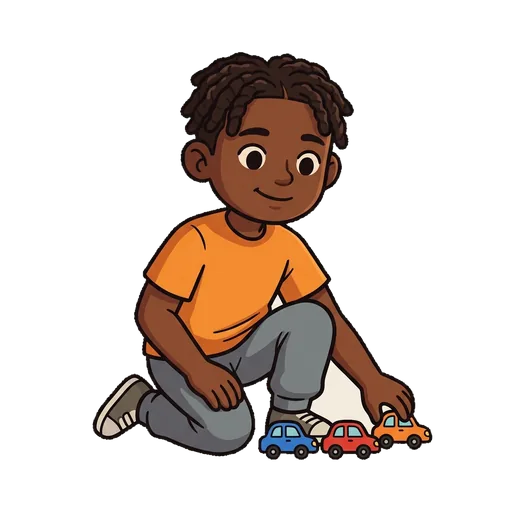
Trailby
The Follow move - join what the little one is already doing
-

Tarry
The Wait move - leave a gap so the little one can lead
-
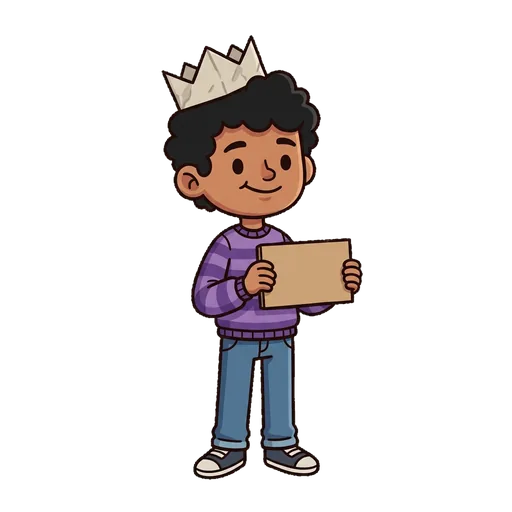
Bumpus
The Obstacle move - be a funny problem the little one can solve
-
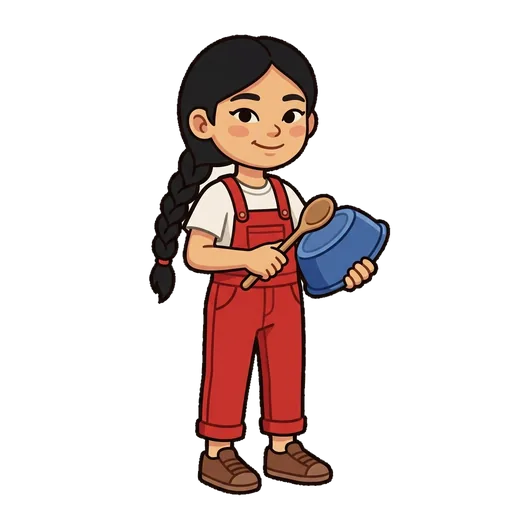
Copley
The Echo move - copy what the little one does or says
-
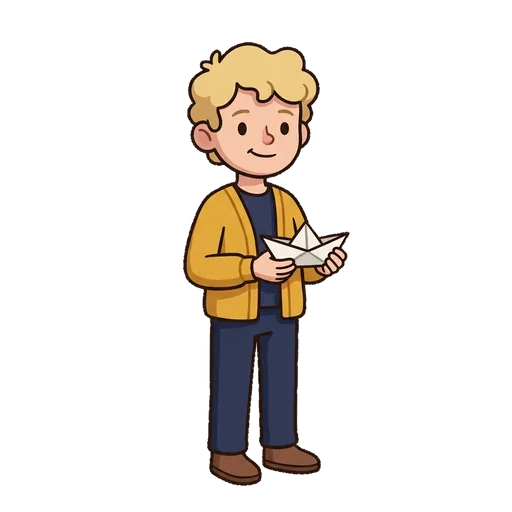
Leif
The Stretch move - add one small new idea to their game
-
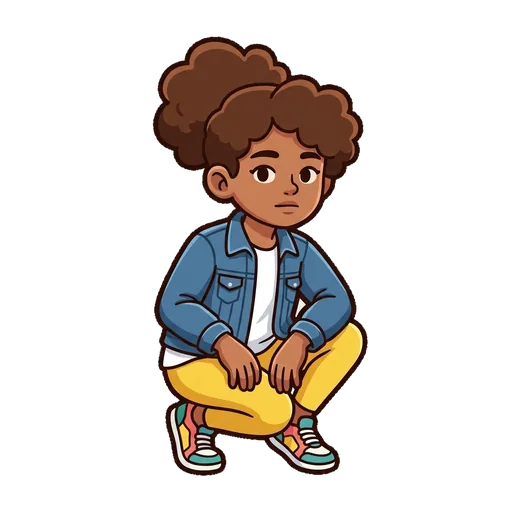
Linden
Notices first - watches before choosing a move
-
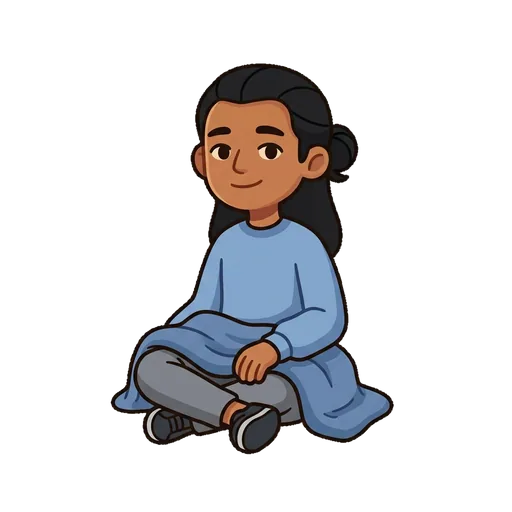
Lowen
Calms first - low, slow and close before any game
-

Finley
Ends well - a five-minute warning and a proper goodbye
-

Hallam
Knows the grown-up line - fetches an adult when it is more than play