Accord and Lodestar
HARMONY + FOCAL
Loading audio…
Press play to listen along. The line being read lights up as you go.
Show full transcript
Loading transcript…
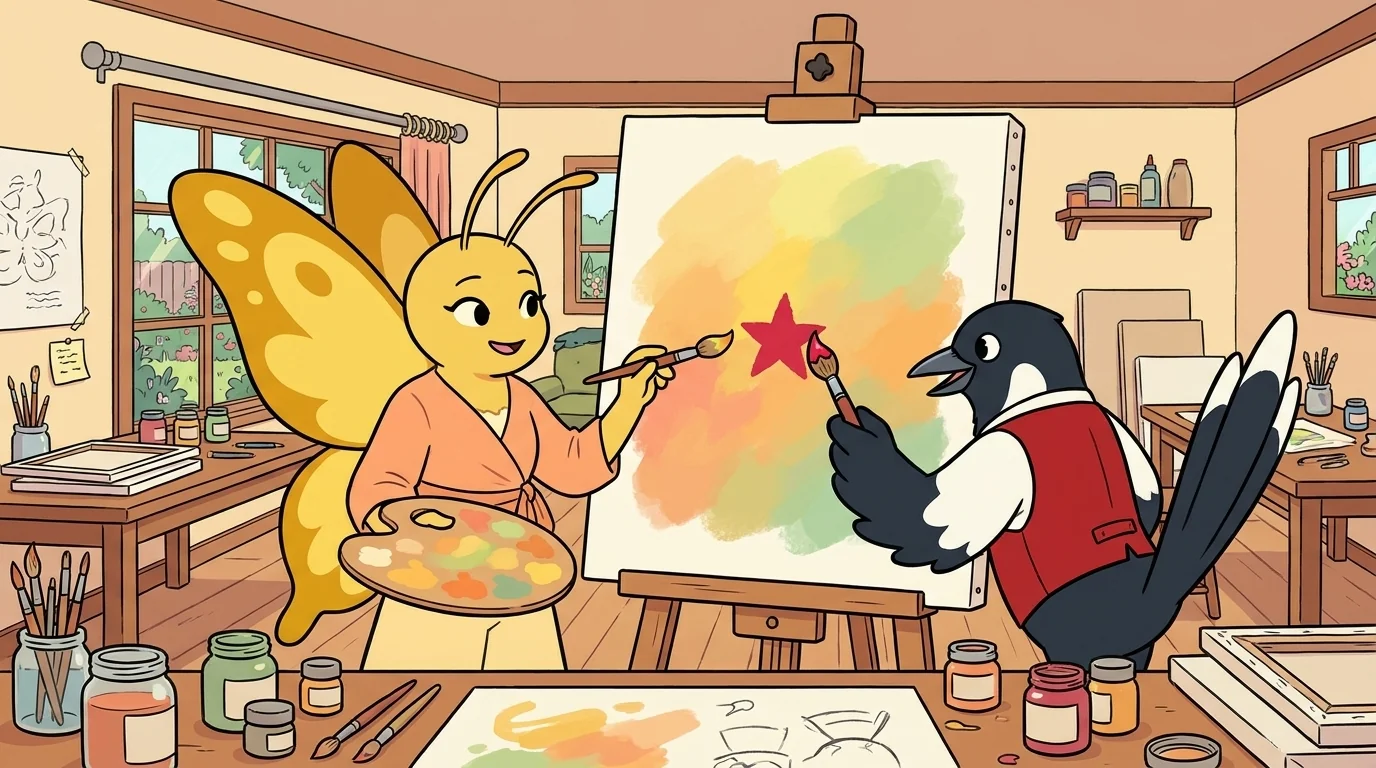
Accord the butterfly and Lodestar the magpie work the same painting from two sides, and between them they perform a small magic: they tell the eye exactly where to look, gently, using color. Accord makes the quiet — a calm, unified, harmonious palette, colors that belong together and settle into one mood. Lodestar makes the star — one bold accent, one spot that breaks the calm and pulls the gaze. And they discovered, painting side by side, that these two are made for each other: the quiet makes the star, and the star gives the quiet a point. A harmonious field of related colors is peaceful — and the one deliberate contrast within it becomes a lodestar the eye flies straight to. Neither works alone. All-quiet has no focus; all-bold is just noise. But quiet around one bold star — that is a picture that leads the eye home.
"I make everything calm and unified," Accord says, a warm harmonious wash. "Colors that belong together." "And I make one thing bold," Lodestar says, a single bright point. "The star that pulls the eye." "The quiet is the field," says Accord. "And the star is where the eye lands," says Lodestar. "The calm is what makes it pop."

Accord makes the quiet. She paints a whole scene in a gentle, related family of colors — soft cool blues and greys and teals, all belonging together, settling into one calm mood. "This is my craft," she says. "Harmony — a unified palette, colors that get along, a peaceful whole." She steps back from her calm, cool painting. "It's restful. It has a mood. Nothing clashes." Then she frowns a little. "But look what my quiet can't do alone. It's so unified, so evenly calm, that... there's nowhere in particular for the eye to go. It's a lovely peaceful field — but the eye just drifts across it, pleasantly, with no destination. Harmony without a focal point is a beautiful lull with no point." She glances at the magpie. "My calm needs something to make it mean — one spot that breaks the peace just enough to pull the eye and give the whole quiet a reason. And that spot isn't mine. It's Lodestar's."

Lodestar makes the star. Into Accord's calm cool field, she places one small spot of warm, bold color — a single glowing orange, the one thing that breaks the harmony. And the eye flies straight to it. "This is my craft," she says. "The focal point — one bold accent that pulls the gaze, that says look here first." The one warm spot in the cool field pops brilliantly. "See how it sings? The eye lands on it instantly and rests." Then she considers. "But look what my star can't do alone. If I put a bold spot in a field that's already full of bold, clashing colors — it disappears. It's just one more shout in a shouting crowd. A star only shines if there's quiet around it." She glances at the butterfly. "My bold accent only becomes a star because of the calm field it sits in. The quiet that makes my star pop isn't mine. It's Accord's."

Then the two of them showed, together, the thing neither could do alone: a painting that led the eye exactly where it should go, effortlessly, through color. A young art student named Wren was stuck. "My paintings are either boring — all one calm mood, nothing to look at — or chaotic — every color bold, and it's a clashing mess. I can't win." And it took both of them. "Two problems, one answer," Accord said, "and it's the two of us together." "First," Accord went on, "let me make most of it calm and unified — a harmonious family of colors, one peaceful mood, everything belonging together." She washed Wren's scene in gentle, related tones. "Then," Lodestar said, "let me place one bold accent in that calm — one spot of contrasting color, right where you want the eye to land." She dropped one warm, glowing point into the cool field. And there it was — a painting that was calm and had a clear star, the eye flying straight to the bold spot and then resting, guided perfectly. Not boring (it had a star), not chaotic (it had calm) — it led the eye. "So it took both of you," Wren realized. "Accord's quiet, AND Lodestar's bold spot." "My calm alone," Accord said, "is peaceful but pointless — the eye drifts with nowhere to go." "And my bold spot alone," Lodestar said, "in an already-loud field, just disappears into the noise." "But together," they said, "the quiet makes the star pop, and the star gives the quiet a point. A calm field and one bold accent — that's how you tell the eye exactly where to look, gently, with color. Neither the peace nor the pop works without the other." Wren looked at her painting, the eye flying home to the one warm star in the cool calm. It finally worked.
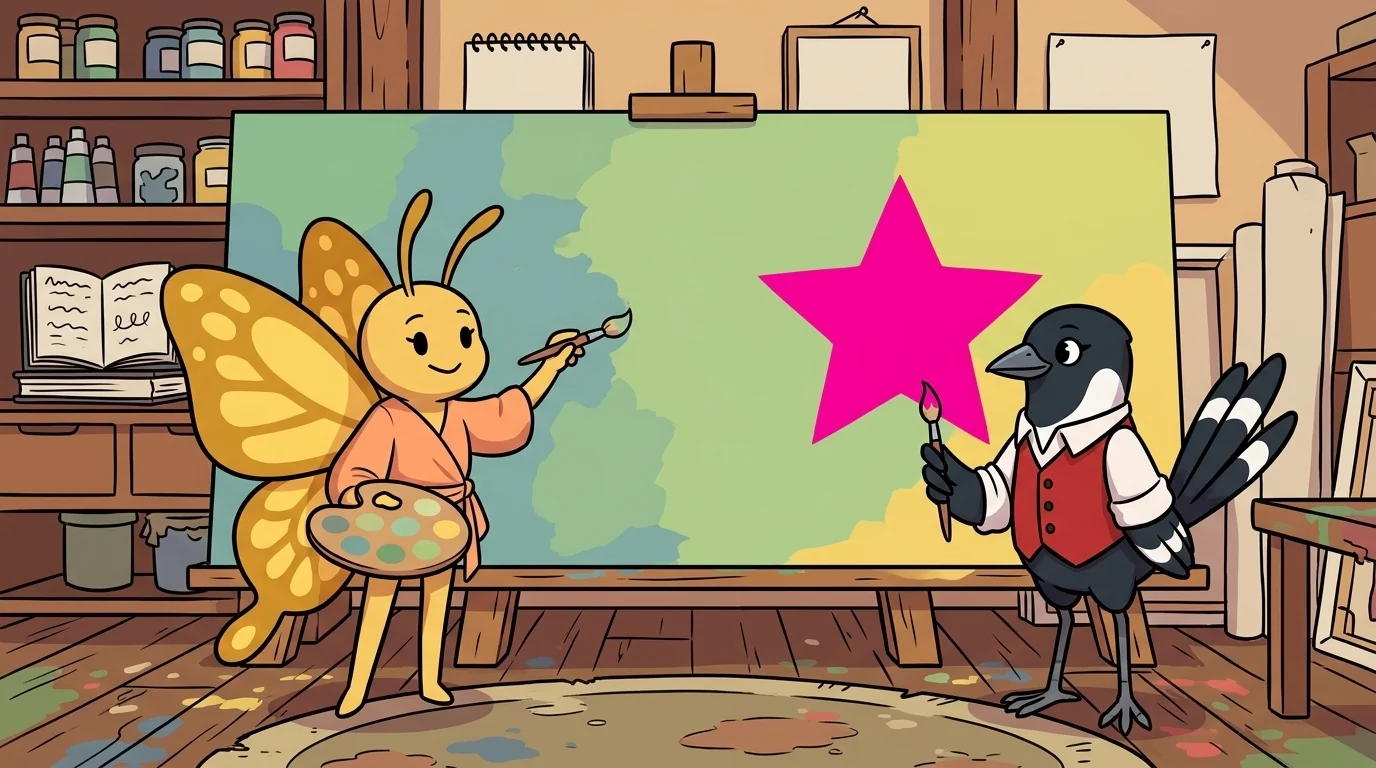
"So a calm palette and one bold accent guide the eye together," Wren said slowly, "the quiet making the star, the star giving the quiet a point?"
"The quiet and the star, always together," Accord agreed, and Lodestar bobbed her bright head. Accord set down her calm harmonious field — the quiet; Lodestar set down her one bold accent — the star — side by side, the two halves of leading the eye with color. Under the quiet, the two of them felt the same settled, guided calm rise: not the pointless drift of all-harmony, not the clashing noise of all-bold, but a warm, paired, the-eye-knows-where-to-go steadiness — the particular satisfaction of two who each hold one half of directing a gaze, so that between them a painting could be both peaceful and pointed, calm and sure, leading every eye gently home to the one bright star in the quiet field. That quiet-makes-the-star, star-gives-the-quiet-a-point, leading-the-eye-with-color feeling, richer than either harmony or focus alone, was to Accord and Lodestar exactly why they paint the same scene from two sides — the calm and the bold, the field and the star — and why a picture, like a kind word, lands best when most of it is gentle and one part of it shines.
The SpectrumCanvas ensemble
Accord and Lodestar is one of the friends in SpectrumCanvas. Each friend shows you one idea by how they act; meet them all and you have the whole subject.
-

Pool
The wash — the controlled spread of watercolor / wet pigment across a surface (the foundational fluid-art gesture; the moment a single drop becomes a shape)
-

Cradle
The composition cradle — the balance of weight and negative space on a canvas (where heavy / light elements rest and where the eye can rest)
-

Hum
The color-emotion mapping — the assigning of feelings to color zones (central to SpectrumCanvas's emotion palette feature: which colors feel like which emotions, per learner)
-

Soften
The sensory-soften gesture — any move that reduces visual / textural stimulation when it gets high (lower contrast, reduce saturation, calm the line weight, soften the edges)
-
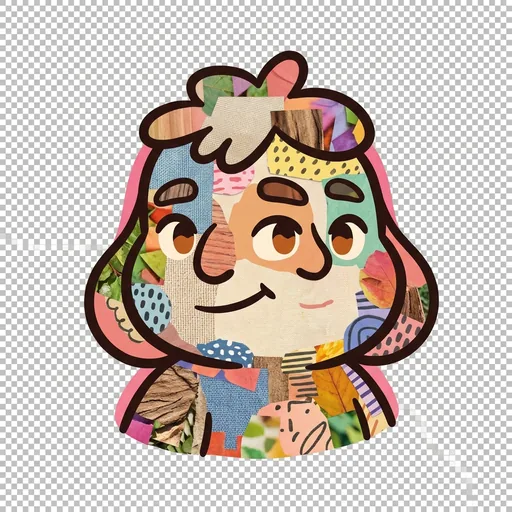
Weave
The collage weave — the layered overlay of textures + photos + drawn elements (central to social-story illustration and to multi-media composition)
-
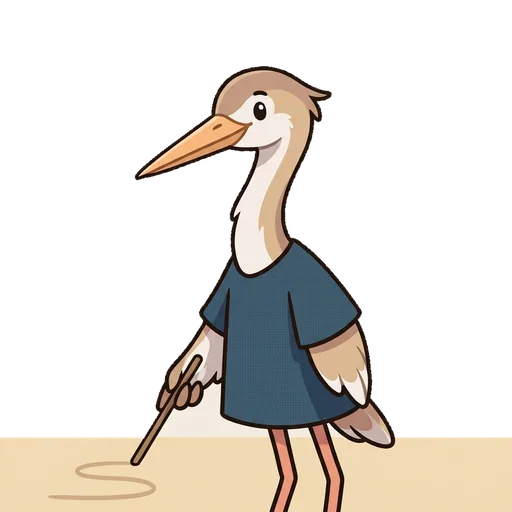
Etch
Line / gesture / mark-making
-

Lodestar
Focal point / emphasis
-

Dusk
Value / light and dark
-

Grit
Texture
-

Accord
Color harmony / palette