Etch
A line carries feeling
Loading audio…
Press play to listen along. The line being read lights up as you go.
Show full transcript
Loading transcript…
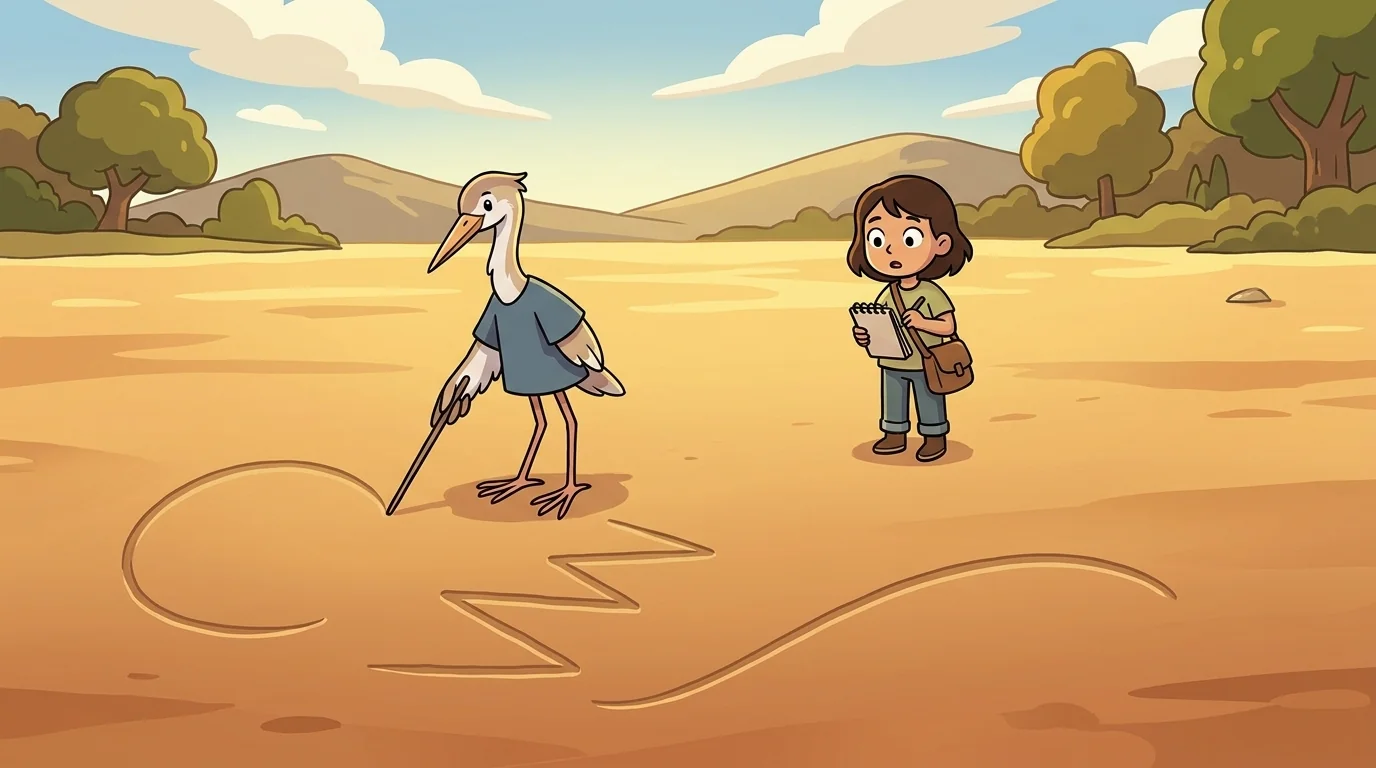
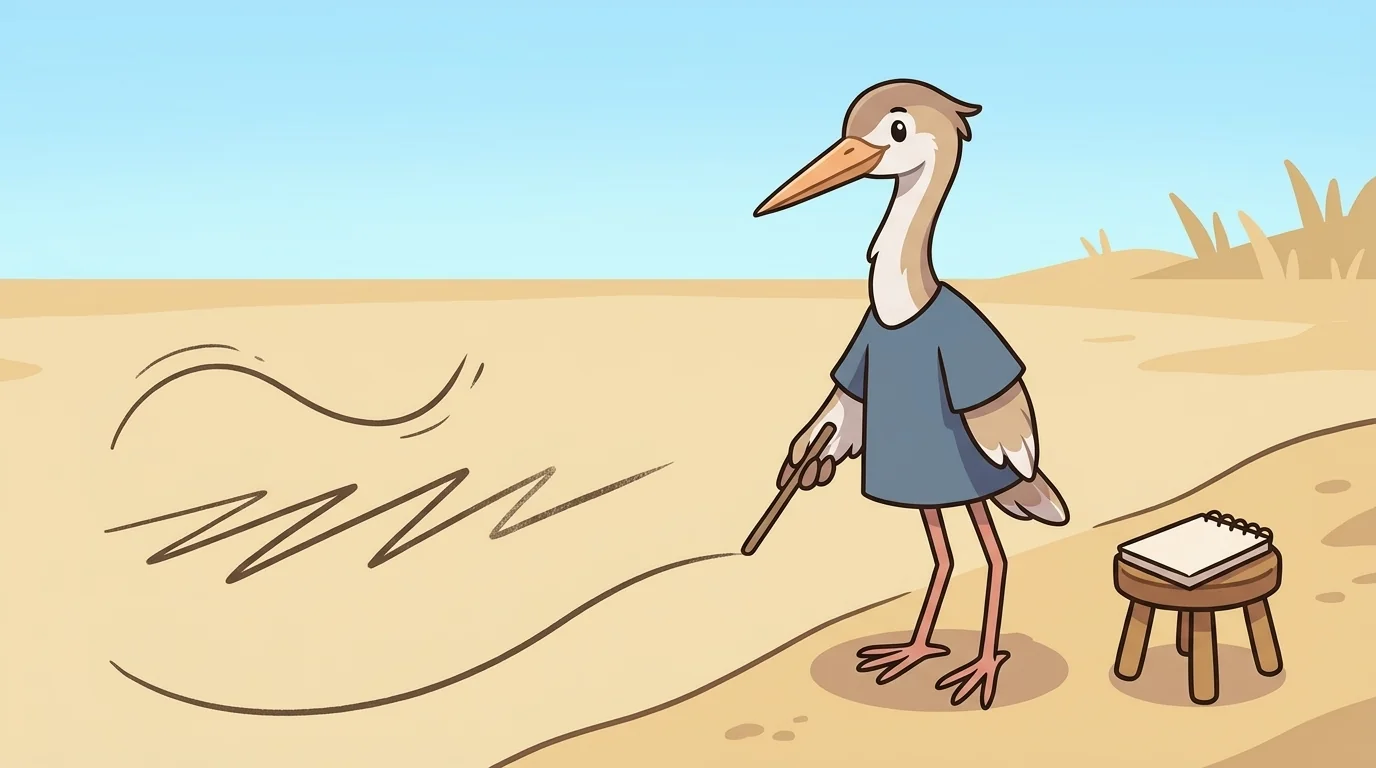
At the edge of a wide sandy flat, a long-legged heron named Etch dragged the tip of one toe through the sand and made a single line — and the line was not just a line. It swooped, and paused, and lifted, and it felt like something.
A young art student named Wren watched. "It's just a line in the sand."
"Every line is a feeling," Etch said, and made another one — this time fast and jagged, a sharp zigzag. "See this one? Quick. Sharp. It feels nervous, excited, a little wild — because I made it fast, with a jumpy hand." Then she made a third, slow and smooth, a long gentle curve. "And this one feels calm. Peaceful. Because I made it slowly, with a quiet hand." She stepped back. "That's the secret of a line. It's not just where it goes. It's how you make it. A fast line and a slow line can travel the exact same path and feel completely different — one anxious, one serene — because your hand puts your feeling into the mark." She tilted her head at Wren. "So a drawing isn't just a picture of a thing. It's a record of how your hand was feeling when it moved. A line can be loud or gentle, angry or tender, jumpy or still — before you draw a single recognizable thing, the line itself is already saying something true."
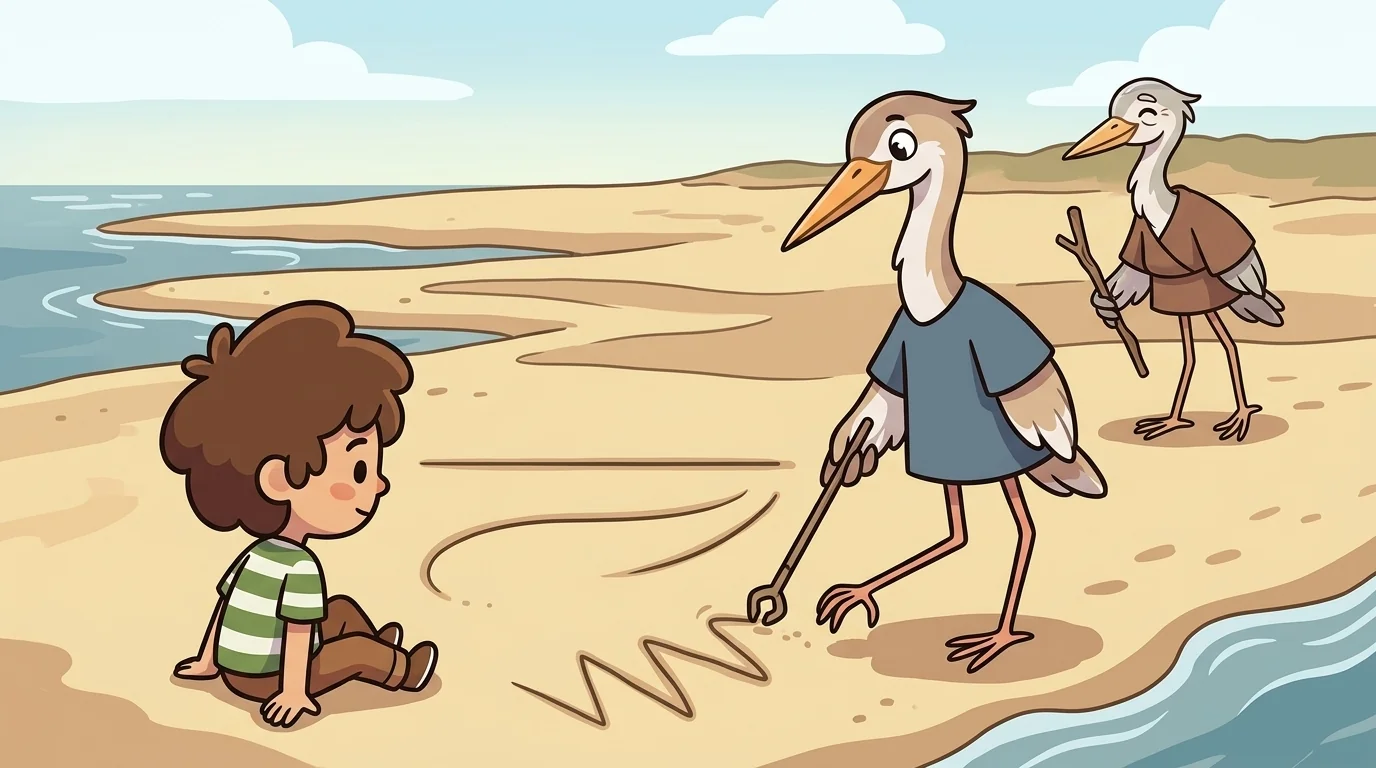
Etch hadn't always trusted her own hand.
When she was little, she'd tried to make her lines perfect — smooth, controlled, exactly like the ones in the books — and they'd come out stiff and lifeless, no matter how carefully she copied. She thought she was bad at drawing.
Her grandfather, an old heron with a graceful, unhurried stride, watched her force another stiff, careful line one afternoon.
"You're strangling it," he said gently.
"I'm trying to make it perfect," young Etch said, frustrated.
"That's the strangling," he said. He drew a quick, loose line beside her stiff one — and his was alive, full of energy, while hers was dead-straight and dull. "A line isn't good because it's perfect. It's good because it's honest — because it holds the feeling of the hand that made it. When you try to make every line perfect, you squeeze all the feeling out, and you get a line that's technically correct and completely empty." He drew a slow, tender curve, then a fast, joyful swoop. "Let your hand move the way you feel. Fast when you're excited, slow when you're calm, jagged when you're stirred up. The line will carry that feeling to whoever sees it — and that is what makes a line come alive." He smiled. "Stop making perfect lines, little one. Make honest ones. The honest ones are the only ones that ever feel like anything."
Young Etch let her hand move loose and true, and her lines came alive — jumpy, gentle, wild, calm — each one honest, each one holding what she felt. Her hand wasn't bad at drawing. It had just been holding its breath.
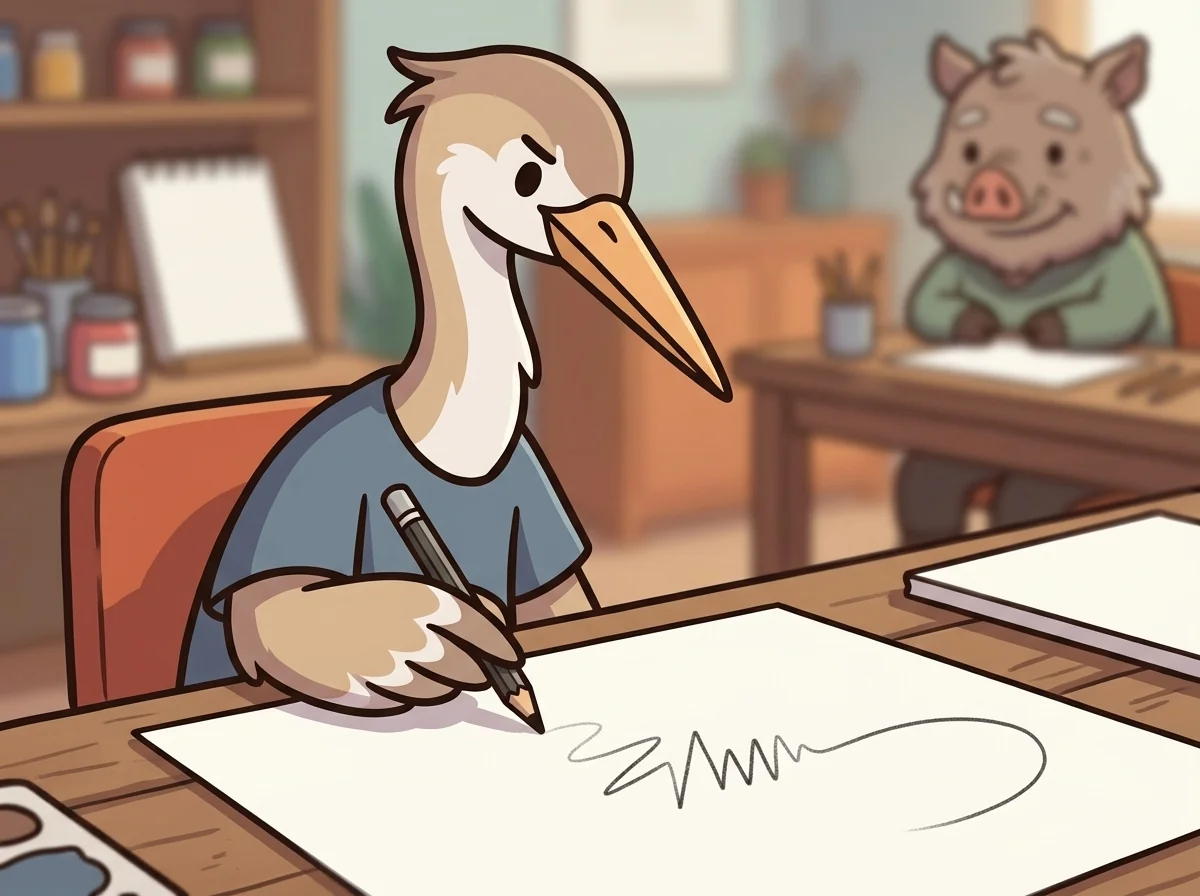
She walked the long road to SpectrumCanvas, the art school on the hill, where a wise old mentor named Pigment kept the studios.
Pigment met her and set down a single pencil, and asked one thing: "Show me a feeling — with one line."
Etch didn't answer with words. She drew a line that started soft and slow, then quickened, then broke into a sharp, trembling zigzag, then settled back to a long calm curve — and anyone watching could feel it: a moment of peace, then rising worry, then a jolt, then calm again. All in one unbroken line, no picture at all — just the pure feeling of a hand that had moved through those feelings.
Pigment watched the line hold its feeling. "You belong here," he said.
Which was how Etch came to be at the sandy flat with Wren, whose careful drawings kept coming out stiff.
"Mine always look so lifeless," Wren said. "Yours feel alive. How?"
"Because you're trying to make them perfect," Etch said gently, "and perfect squeezes the feeling out." She handed Wren a stick. "Don't draw the thing. Draw the feeling. You're excited? Let your hand go fast and loose. You're calm? Let it go slow and smooth. Don't fix it, don't smooth it, don't make it correct — just let your hand move the way you feel, and let the line carry it." Wren tried — a fast, loose, imperfect line — and gasped, because it was alive, full of energy, nothing like the stiff careful ones. Then Etch shared the whole craft: a line's feeling comes from how it's made, not just where it goes — fast and jagged feels one way, slow and smooth another; a perfect line is often a dead line, because chasing perfect squeezes out the honesty; and the best mark isn't the neatest — it's the one that holds the true feeling of the hand that made it. "Your careful lines were stiff," Etch said, "not because you can't draw, but because you were holding your hand too tight to let any feeling through. Loosen up. Let the line be honest instead of perfect. Honest is what feels alive."
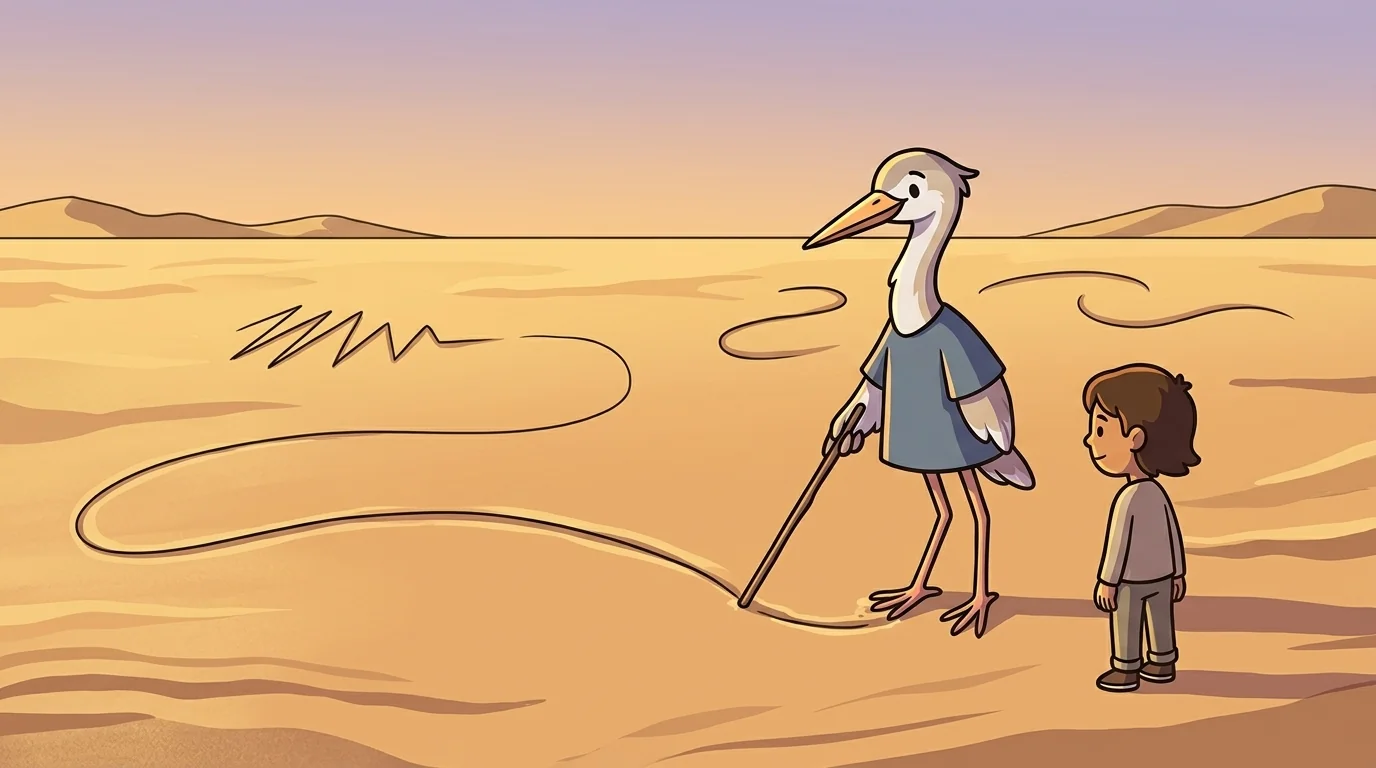
"So a line can hold a feeling," Wren said slowly, "and the honest one beats the perfect one?"
"Honest every time," Etch agreed, and she drew one last long, easy, unhurried line through the sand — loose and true and holding all her quiet contentment — and felt a warm, unstrangled gladness at how alive it looked. There was a settled, freed happiness in it — the deep relief of a heron who had stopped chasing perfect and started making honest marks, who knew that her lines were alive precisely because she let her real feeling flow down her arm and into the sand, and that a mark made freely was worth a hundred stiff perfect ones. It made her feel loose, and true, and quietly proud of her own hand. That honest-not-perfect, let-the-line-carry-the-feeling, alive-because-it's-true warmth — the freed gladness of a creature whose hand told the truth — was, to Etch, the living secret hidden inside a single line. "A line holds a feeling," she said softly, toe resting in the sand, "so let your hand feel — and the mark will come alive."
The SpectrumCanvas ensemble
Etch is one of the friends in SpectrumCanvas. Each friend shows you one idea by how they act; meet them all and you have the whole subject.
-

Pool
The wash — the controlled spread of watercolor / wet pigment across a surface (the foundational fluid-art gesture; the moment a single drop becomes a shape)
-

Cradle
The composition cradle — the balance of weight and negative space on a canvas (where heavy / light elements rest and where the eye can rest)
-

Hum
The color-emotion mapping — the assigning of feelings to color zones (central to SpectrumCanvas's emotion palette feature: which colors feel like which emotions, per learner)
-
Soften
The sensory-soften gesture — any move that reduces visual / textural stimulation when it gets high (lower contrast, reduce saturation, calm the line weight, soften the edges)
-
Weave
The collage weave — the layered overlay of textures + photos + drawn elements (central to social-story illustration and to multi-media composition)
-
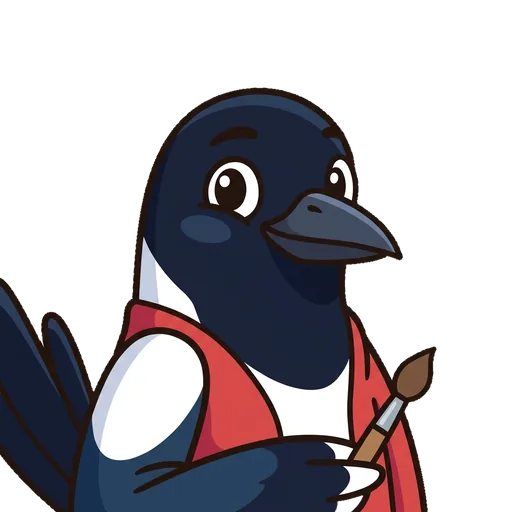
Lodestar
Focal point / emphasis
-
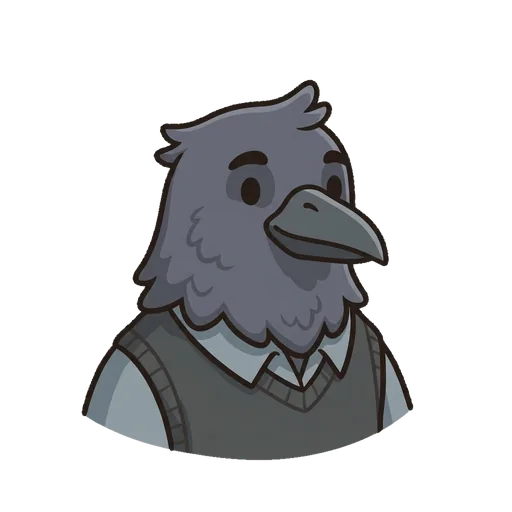
Dusk
Value / light and dark
-
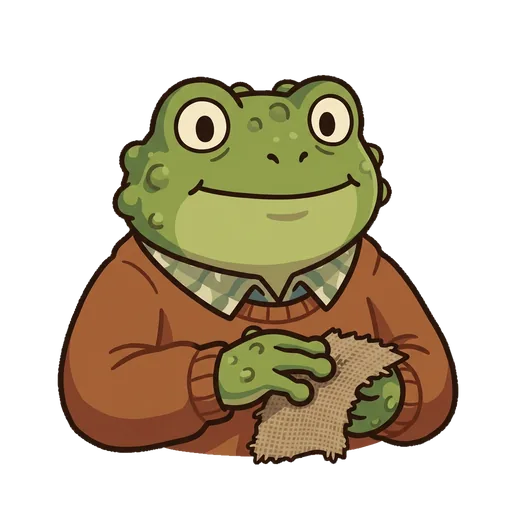
Grit
Texture
-

Accord
Color harmony / palette