Yoke
One strong piece across the top carries all the rest
Loading audio…
Press play to listen along. The line being read lights up as you go.
Show full transcript
Loading transcript…
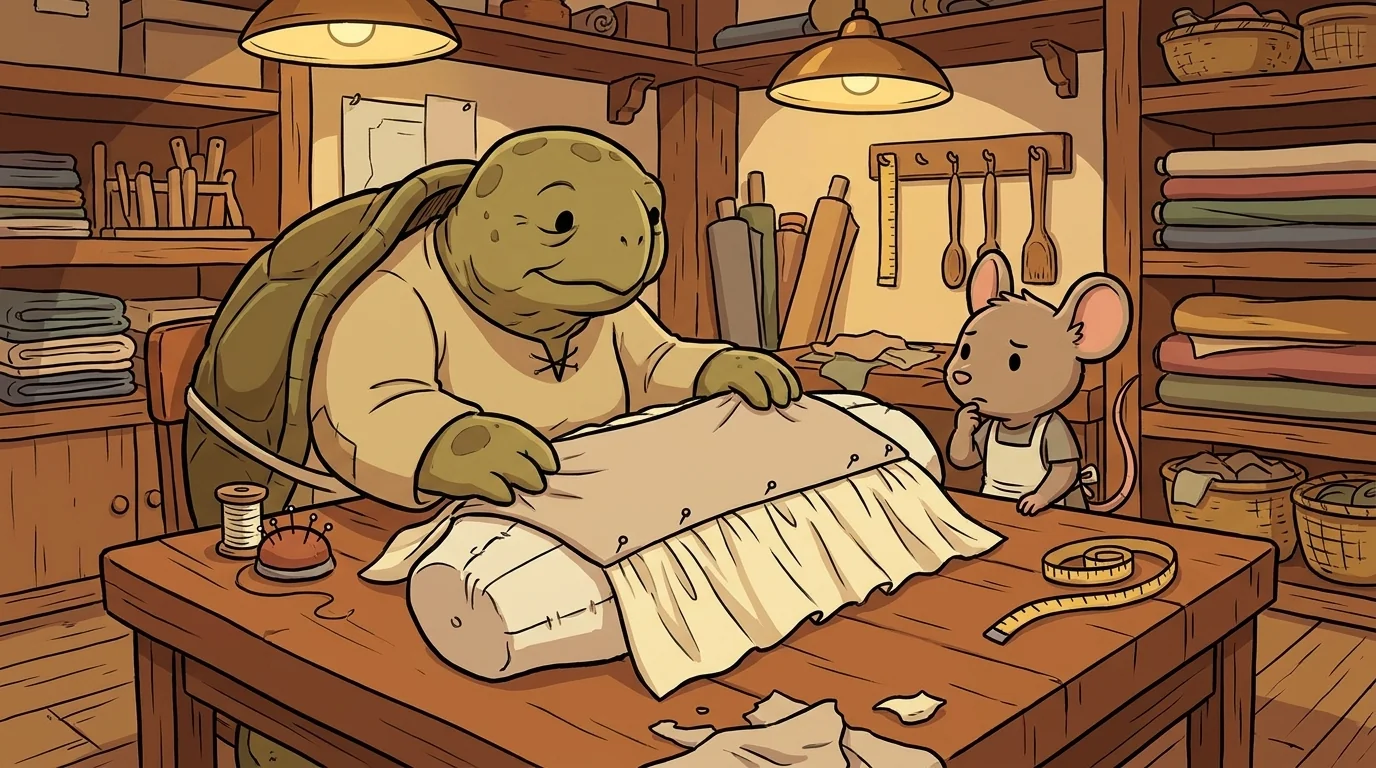
In the steadiest corner of StyleForge, a broad old tortoise sat over a shirt-in-progress, and instead of the sleeves or the collar or the pretty parts, she was working, patiently, on one plain panel across the shoulders.
Yoke had a shell like a smooth carrying-frame and a slow, sure way with her hands. The panel she was building sat across the top of the shirt, from shoulder to shoulder, and to it — she showed the watching apprentice — everything else would attach. The full front gathered into it. The sleeves hung from it. The back pleats anchored to it.
"That flat piece is so plain," an apprentice said. "Shouldn't you start with the exciting parts?"
"The plain piece is the one that carries everything," Yoke said, smoothing it. "It sits across the strong part of the body — the shoulders — and it holds the weight of the whole garment so the cloth below can hang easy and free." She pinned a gathered panel onto it, and the gathers hung neat and supported. "One strong piece across the top carries all the rest. Build the anchor first."
The apprentice touched the plain yoke. "So all the fullness below just... trusts this piece?"
"Leans on it," Yoke said, pleased. "Get the anchor right, and everything you hang from it hangs beautifully. Get it wrong, and the whole shirt drags and sags, no matter how pretty the rest."
Yoke had learned about carrying-pieces when she was small.
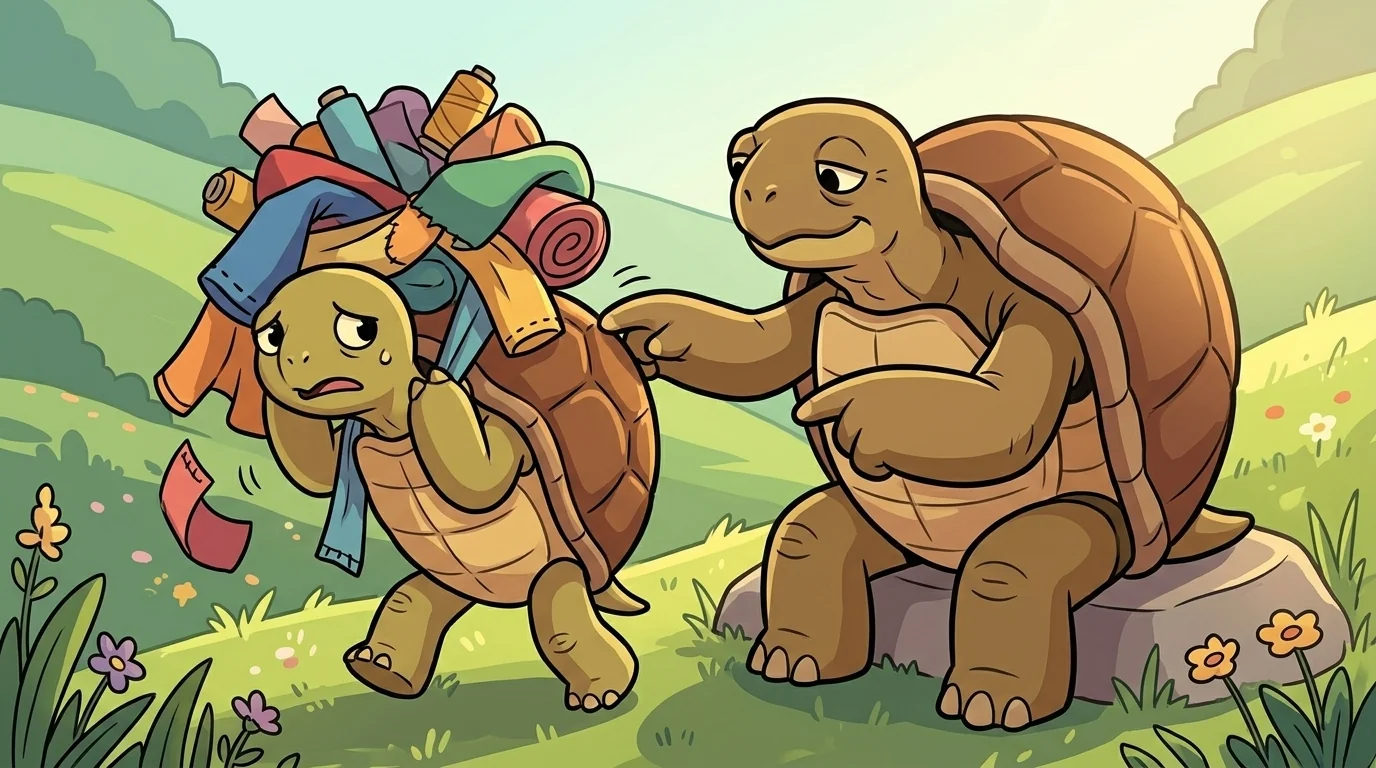
She grew up on a slow hillside where her family were burden-carriers — tortoises whose strong flat backs carried the little ones and the harvest both. But young Yoke, wanting to seem light and quick, used to hang everything off her thin legs and edges instead of her broad back, and she'd wobble and tire and drop things, sure she just wasn't strong enough for the work.
Her grandfather, wide-shelled and unhurried, watched her stagger under a load balanced all wrong and settled beside her. "You're carrying with the weak parts," he said. "Look where your strength IS." He tapped her broad flat back-shell. "Put the weight on the strong, flat top, close to the middle, and your legs barely feel it. The load doesn't get lighter. You just carry it from the right place."
Yoke shifted the load onto her broad back, over her strong center, the way her grandfather showed her. Suddenly it felt half the weight. She stopped wobbling. The tired, not-strong-enough ache eased into a steady, capable calm. She hadn't gotten stronger. She'd found the part of her built to carry.
"Everything you hold," her grandfather said, "hangs best from your strongest place. Build from there."
She plodded up to StyleForge at twelve, because a place that made beautiful things ought to know what holds them up.
Stitch, the old mentor, met her and asked one question. "What is the most important part of a shirt?"
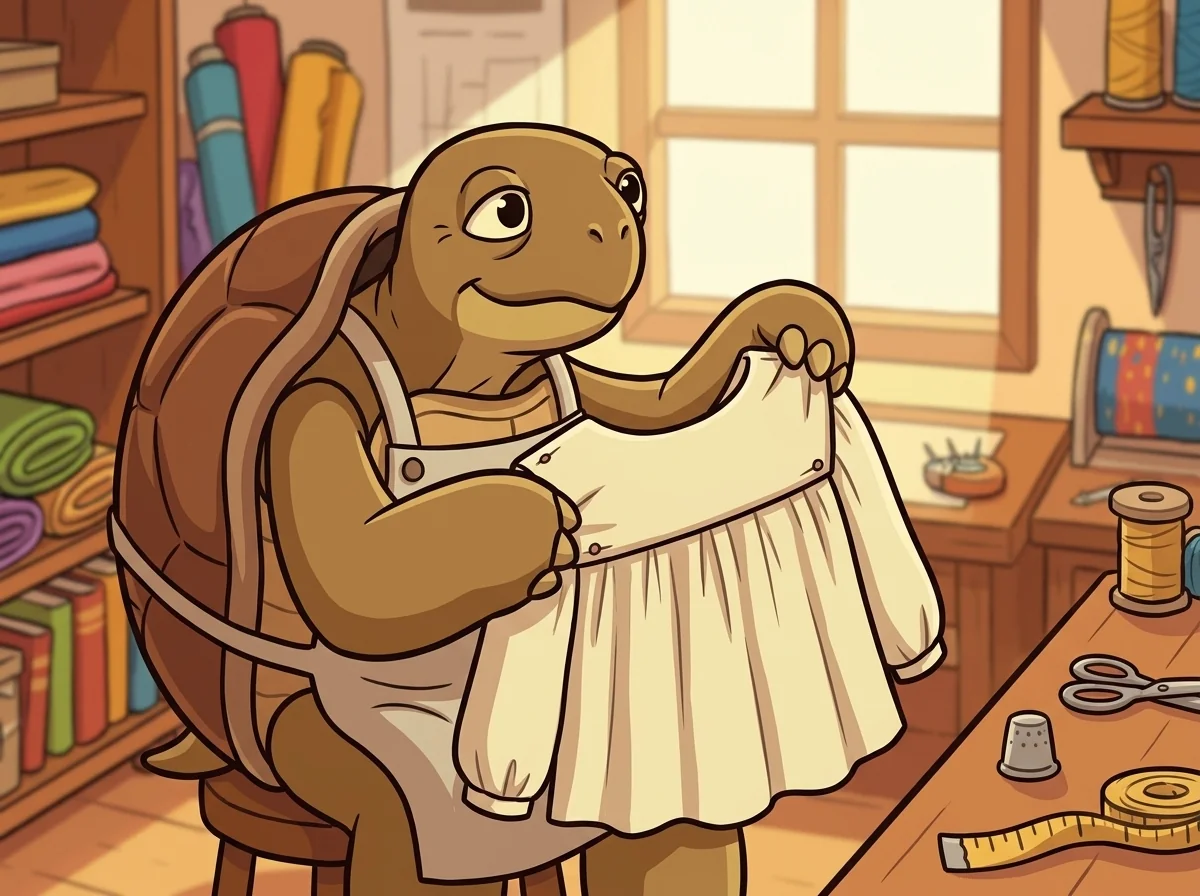
Yoke didn't give a speech. She took a heap of shirt-pieces and, before anything else, built the shoulder yoke — one strong double panel across the top. Then she hung the gathered front from it, and the sleeves, and the back, and held the whole thing up. It hung clean and even, the fullness supported, nothing dragging.
"Most makers start with the front, or the collar," Stitch said, testing.
"Then their fullness has nothing to lean on," Yoke said. "The yoke sits on the shoulders, the body's strongest carry-place, and everything hangs from it easy. Build the anchor, then hang the rest." She gave the shirt a little shake, and it swung and settled, unbothered.
Stitch watched the garment hang true. "You belong here," Stitch said.
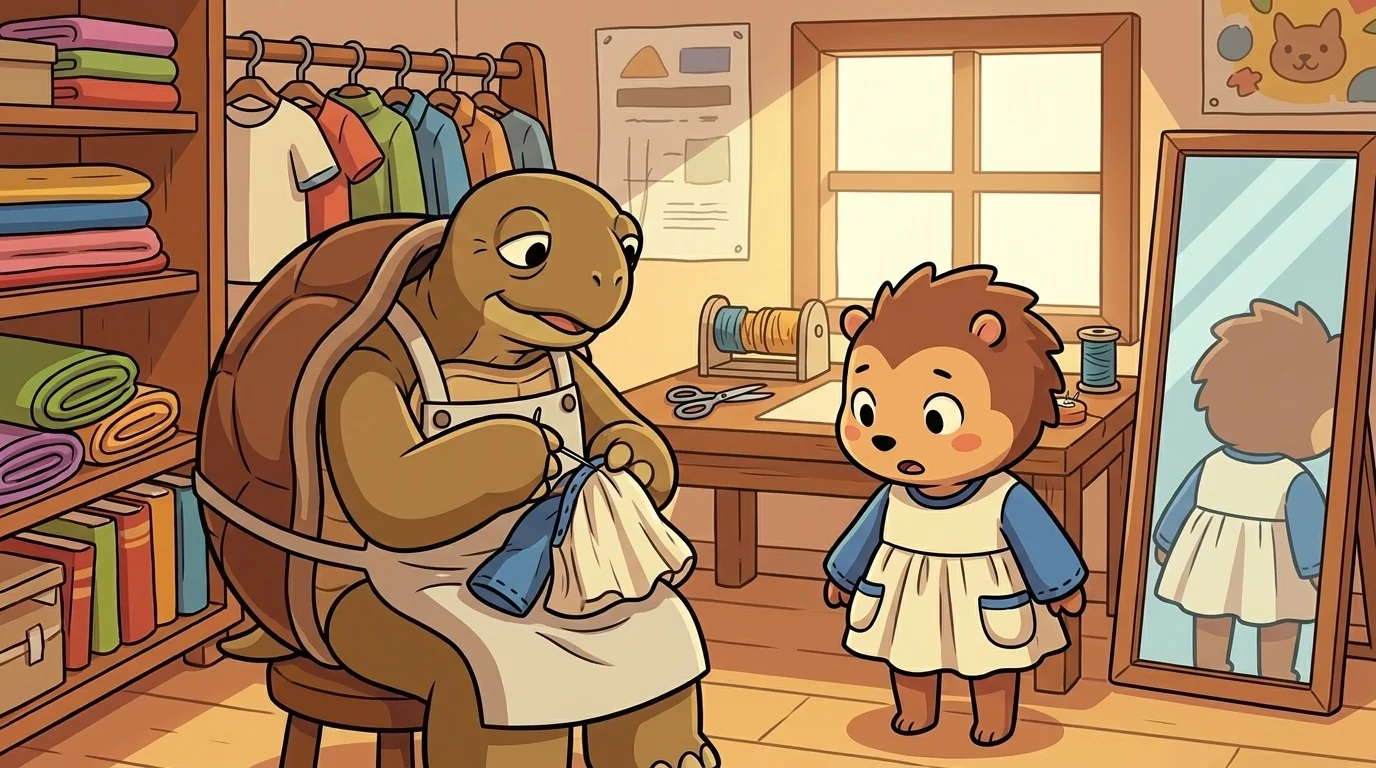
Yoke's workshop was full of garments hanging straight and easy, and one afternoon a kid came in with a droopy, sagging tunic, discouraged.
"I made all the fun parts first," they said. "The gathers, the ruffle, the pockets. But when I put it together it all just... sags and drags. It looks tired. And I feel like I wasted all that work on the pretty bits."
Yoke knew that dragging, wobbly feeling. She had staggered under badly-carried loads once.
"You made lovely things," Yoke said, "but you gave them nothing strong to hang from." She unpicked the sagging top and, patiently, built a proper yoke across the shoulders first — one firm double panel. Then she re-hung the gathers and the ruffle and the pockets from it. "Now try it."
The kid put it on, braced for the droop — and the tunic hung clean and easy, the gathers blooming supported, the pockets sitting level. "Oh," they said, turning to the mirror. "It's not sad anymore. It's all... held up."
"That's the whole secret," Yoke said. "The exciting parts only hang beautifully when there's one strong, plain piece carrying them. Build the boring strong anchor first — then everything you hang from it can be as full and playful as you like."
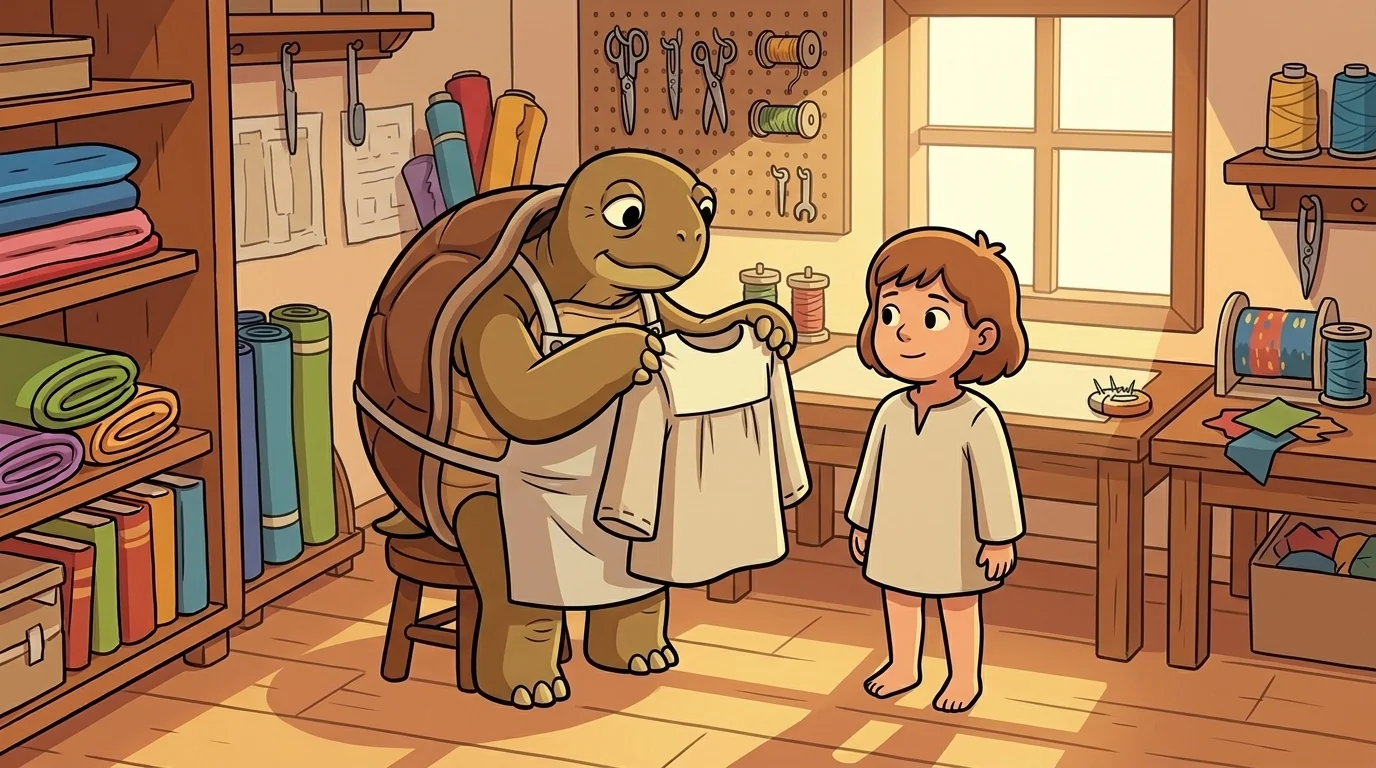
Later, when the workshop had emptied, the kid came back, running a hand along the level shoulders.
"When you spend so long on the plain part first," they said, "and everyone else is off making the pretty bits... doesn't it feel like you're falling behind on the fun?"
Yoke thought of her grandfather's broad, weight-carrying back.
"It used to," she said. "I wanted to rush to the exciting parts too. But rushing left everything sagging, and building the anchor first let it all hang free, and after a while I stopped calling the strong part boring and started calling it the part that makes the fun possible." She smoothed the yoke. "There's this steady, grounded feeling when you build the carrying-piece first — like the rest of the work can relax onto it, like nothing's going to droop. That's not falling behind. That's giving your best ideas something to stand on."
The kid took a slow breath and rolled their shoulders in the level tunic, and Yoke watched the discouraged sag lift right out of them — the same steady, grounded way hers had, long ago, on the slow green hill.
The StyleForge ensemble
Yoke is one of the friends in StyleForge. Each friend shows you one idea by how they act; meet them all and you have the whole subject.
-

Grain
Fabric + textile science — the thoughtful raccoon who treats fabric science as a vocabulary of natural-material decisions ('where does this thread come from? where does it go after? fabric has a beginning and an after')
-
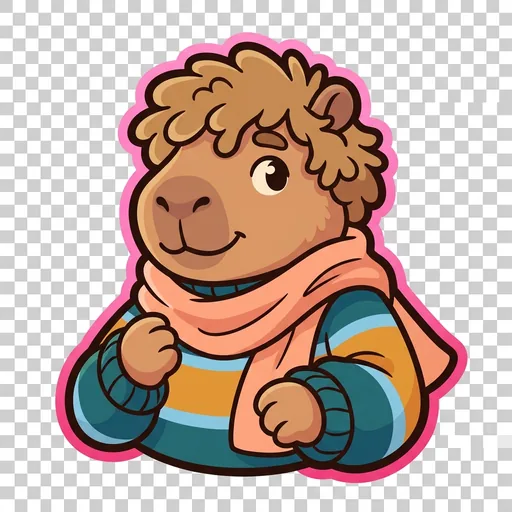
Drape
Concept silhouette + fit — the curvy capybara who knows clothes are made to fit people, not the other way round ('fabric meets body; body says what fabric wants to be — listen to both')
-
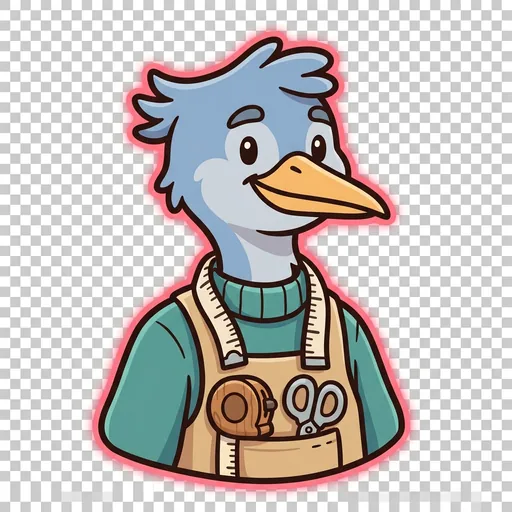
Cut
Pattern-making + construction — the precise heron who treats pattern-cutting as careful measure-twice-cut-once practice ('measure first, cut once — the pattern is the promise')
-
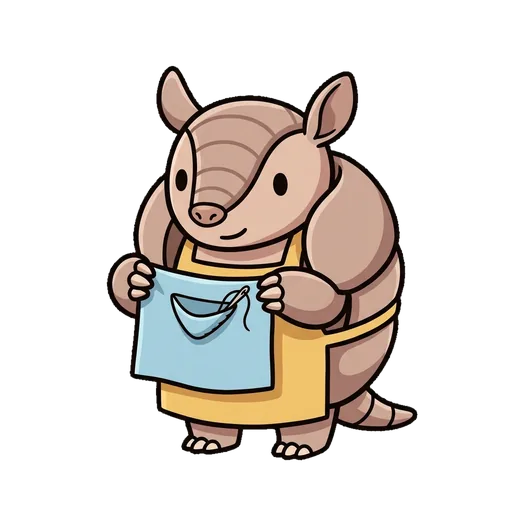
Dart
Shaping flat cloth to a real body's curve
-
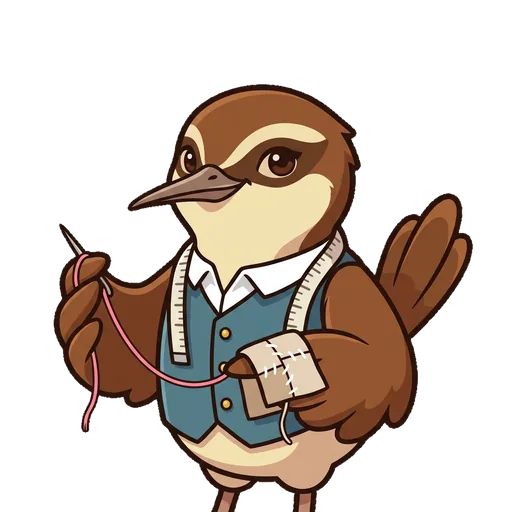
Baste
The temporary try-it-first stitch
-
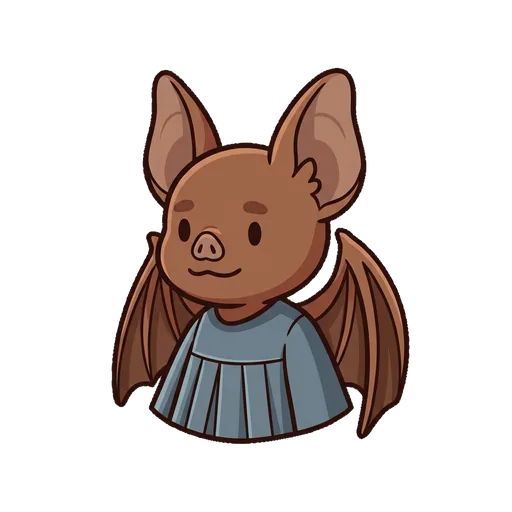
Pleat
Controlled fullness + pleating
-

Dye
Color + natural dyeing
-

Trim
Finishing + embellishment — the steady mole who treats finishing as the small details that make a garment whole ('big shapes finish first, tiny details finish last — hem first, then bead')
-
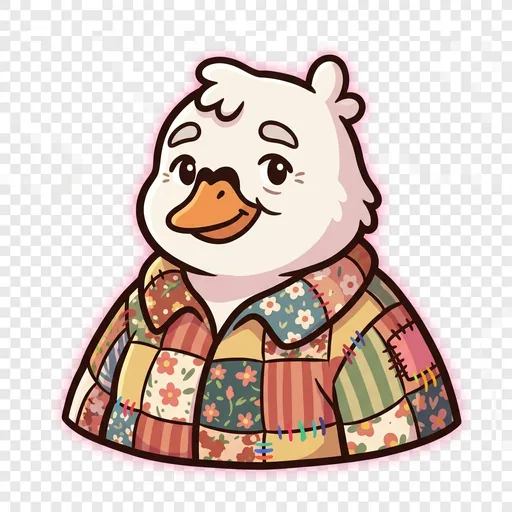
Fold
Sustainability + garment care — the wise old swan in a visibly-mended quilted coat who mends, keeps and honours where clothes come from ('make to last, mend to keep, fold to remember — fashion is a long story, not a short trend')