Before you start
Most popular
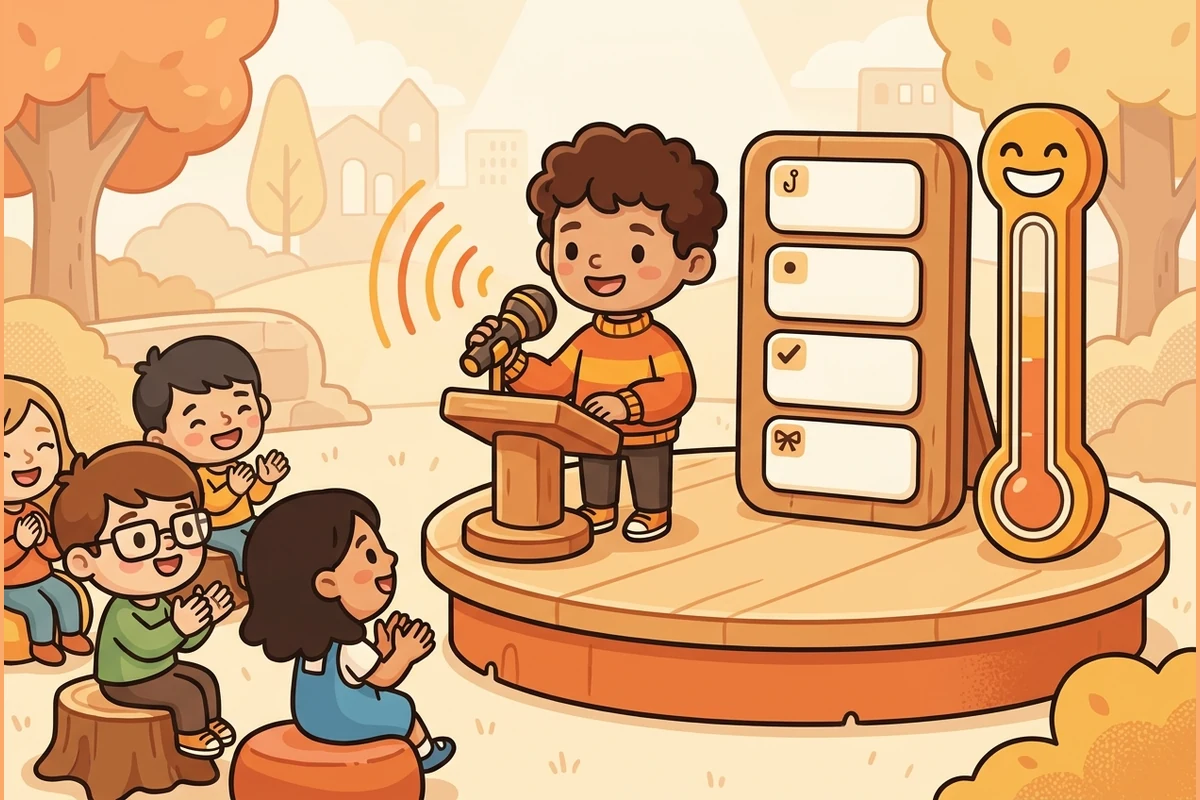
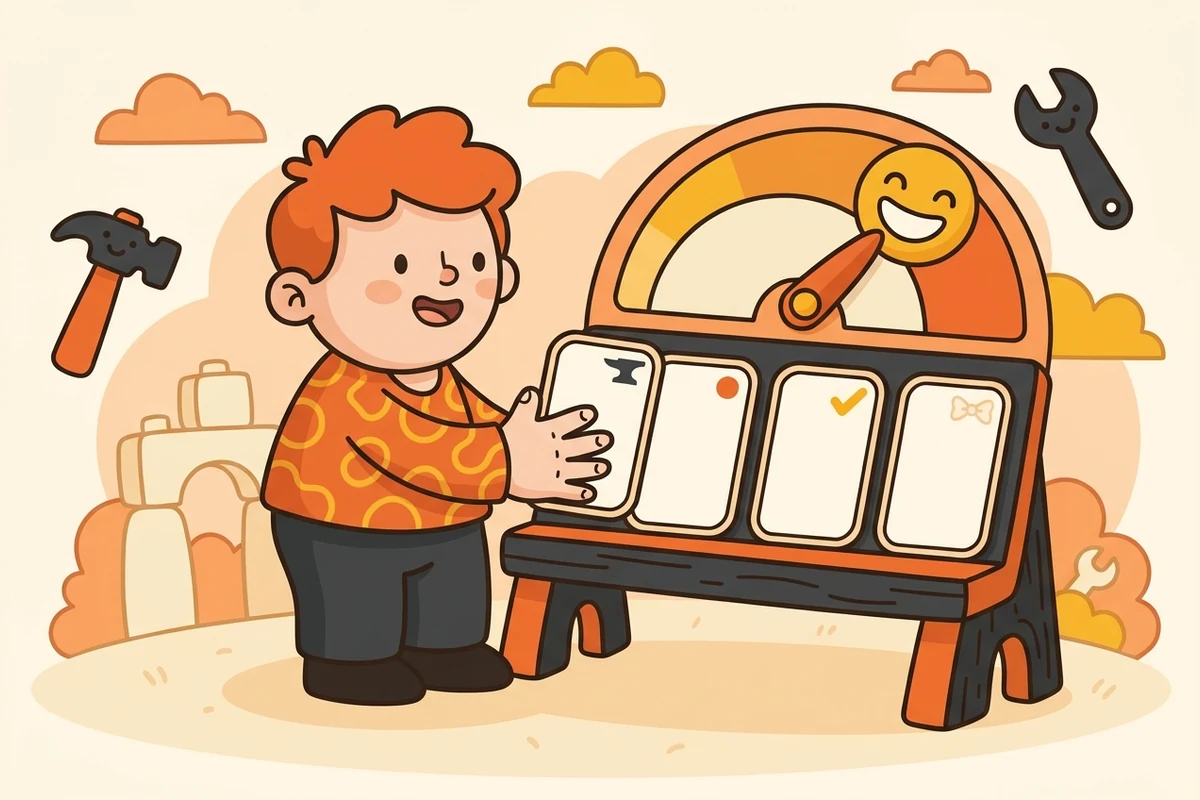 Speech Architect Put a talk’s parts — hook, point, evidence, close — in the order you’d say them, and watch a live meter show how strong the structure is.
 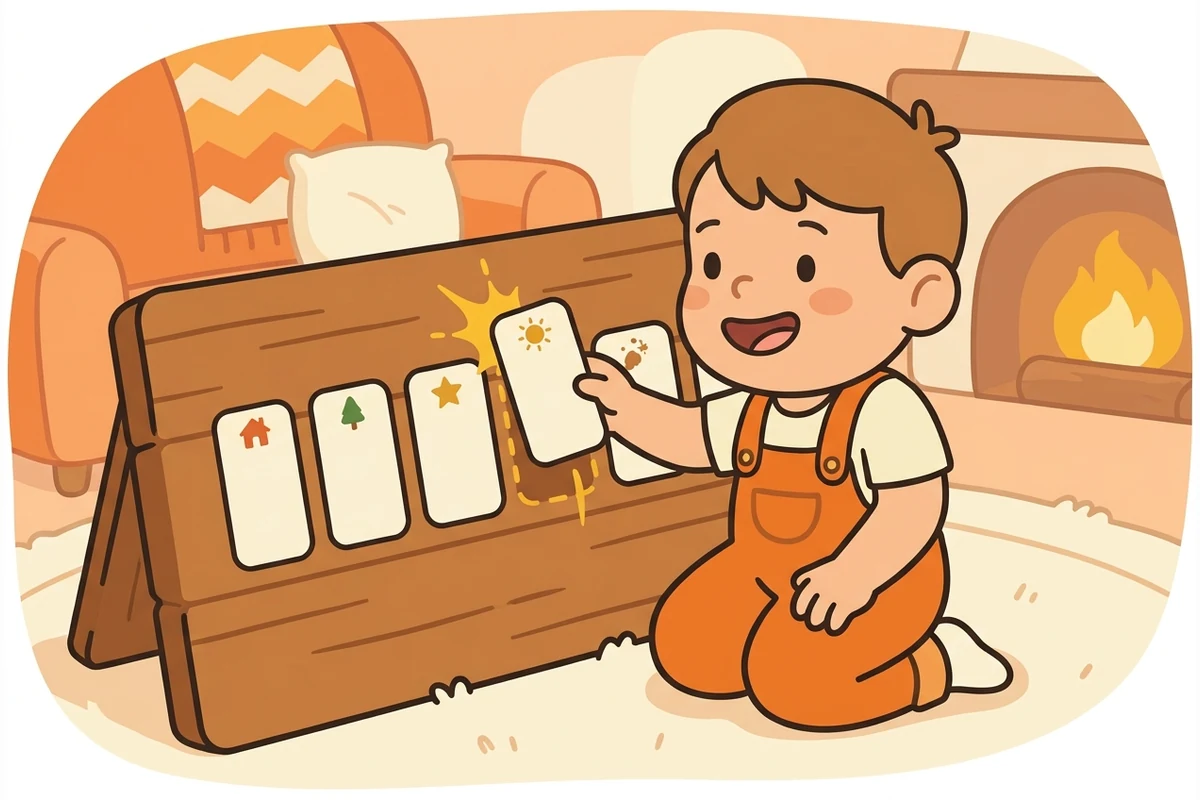 Build the Talk Outline Take scrambled sections and build a talk that flows — hook, point, evidence, close. Tap them into the order that carries an audience.
  Active-Listening Lab Read what someone says, then catch the main idea, recall a detail, or pick the best follow-up question or paraphrase.
  Adventure Map A path through all 16 kits — clear each stop, then move on.
 All activities
Build & listen
Speech Architect Order a talk’s parts with a live structure meter; spot the tangent that doesn’t belong. Build the Talk Outline Order scrambled sections into a talk that flows — hook, point, evidence, close. Story Spine Build a story with the six-beat Story Spine and spot the detail that doesn’t move it. Active-Listening Lab Catch the main idea, recall a detail, or pick the best follow-up — a reason every time. Delivery Marks Plan how you’d SAY a line — mark the pauses, the stressed words, the lifts — then check it against a coach.
Learn & practice
Concept kits 16 kits from voice projection and active listening up to formal debate — a hint whenever you get stuck. Mixed Practice A short round shuffling questions from the kits you have played — spaced out so it sticks. SpeakForge Sprint Race your OWN best on what you already know. Timer optional, no penalty for a miss. Trick Questions Brain-teasers with a twist — spot why the obvious answer is a trap. Teach the Cast Teach a speaking idea to a cast member still learning it — teaching makes it stick. Progress Your levels, streak, and how each skill is coming along — saved on this device. Progress report For grown-ups — a private on-device snapshot mapped to the skill areas. Export a CSV or print.
Play together
Concept Kits — speaking & listening, kit by kit
Kit 1: Speaking Foundations: Voice & Confidence Speaking & Presentation · 25 questions Kit 2: Active Listening & Comprehension Listening & Media Literacy · 25 questions Kit 3: Group Discussions & Collaborative Conversations Discussion, Persuasion & Debate · 25 questions Kit 4: Presentation Skills & Informative Speaking Speaking & Presentation · 25 questions Kit 5: Persuasive Speaking & Argumentation Discussion, Persuasion & Debate · 25 questions Kit 6: Media Literacy & Critical Listening Listening & Media Literacy · 25 questions Kit 7: Formal Debate & Structured Argumentation Discussion, Persuasion & Debate · 25 questions Kit 8: Public Speaking & Communication Leadership Capstone Speaking & Presentation · 25 questions Kit 9: Foundational Concepts Review Speaking & Presentation · 25 questions Kit 10: Applied Problem Solving Review, Application & Synthesis · 25 questions Kit 11: Critical Analysis & Evaluation Review, Application & Synthesis · 25 questions Kit 12: Advanced Integration & Synthesis Review, Application & Synthesis · 25 questions Kit 13: Cross-Topic Connections Review, Application & Synthesis · 25 questions Kit 14: Real-World Applications Review, Application & Synthesis · 25 questions Kit 15: Misconceptions & Reasoning Review, Application & Synthesis · 25 questions Kit 16: Advanced Synthesis Review, Application & Synthesis · 25 questions
More ways to play
😄 Brain break

Meet the cast — the characters who teach this
-
 Pose Posture / presence / stance — 'Stand. Then speak.'
 -
 Pitch Voice projection + tone variation — 'Your voice is a road. Not a wall.'
 -
 Hark Active listening — 'Listen all the way through.'
 -
 Truss Argument structure (claim / evidence / reasoning) — 'Claim, then proof, then why.'
 -
 Echo Audience awareness + tone calibration — 'Who's listening? Speak to THEM.'
 -
 Easel Visual aids / multimedia displays — show, don't just tell; one clear picture beats a hundred words (SL.5)
 -
 Waypoint Signposting — the verbal roadmap; 'first, next, finally' so listeners never get lost (SL.4)
 -
 Volley Q&A — fielding and answering questions; catch it, breathe, send it back clean (SL.1)
 -
 Mosaic Building on others' ideas — synthesizing a discussion; 'you said X, and building on that…' (SL.1c-d)
 -
 Usher Turn-taking & discussion norms — everyone gets a seat at the talk; make room for the quiet voice (SL.1b)
Ensemble stories — the cast together