Switch
Same letters, different word
Loading audio…
Press play to listen along. The line being read lights up as you go.
Show full transcript
Loading transcript…
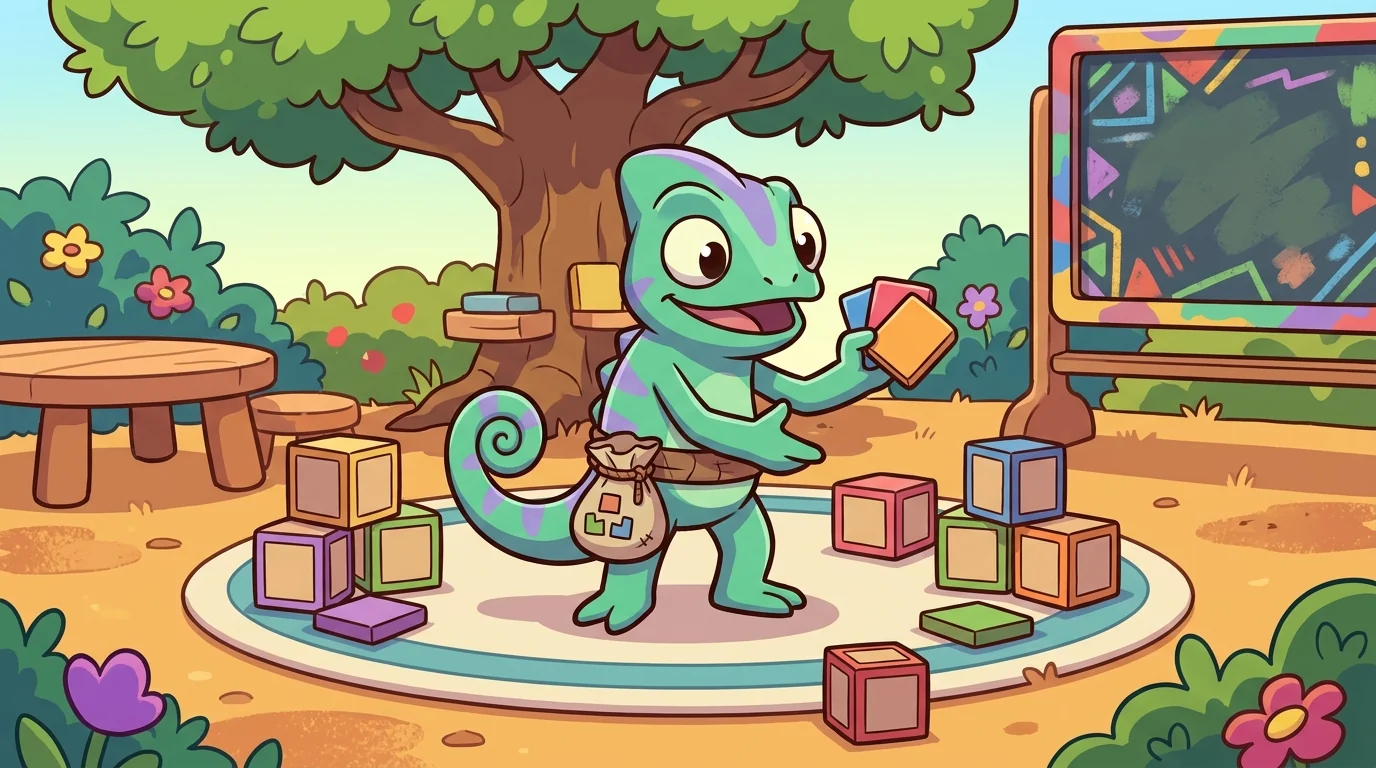
Switch is a chameleon-tween who moves like — well, like a chameleon: there one minute, shifted the next. Their skin is cool jade green with soft violet stripes, and a little bag of letter-tiles hangs from their belt. They love to shuffle letters around, paying close attention to every single one, and they always say: "Same letters, different word. Shake the bag!"
Switch teaches anagrams — rearranging the letters of a word into a brand-new one. "Think about listen and silent," Switch says. "The exact same letters — just mixed up, and the meaning changes completely! Astronomer holds moon starer. The eyes holds they see." Because words, Switch knows, are really just bags of letters — and the same letters can spill out as something totally new. "Most shakes make nonsense," Switch is quick to add. "That's okay — that's the practice. But about one shake in twenty makes gold."
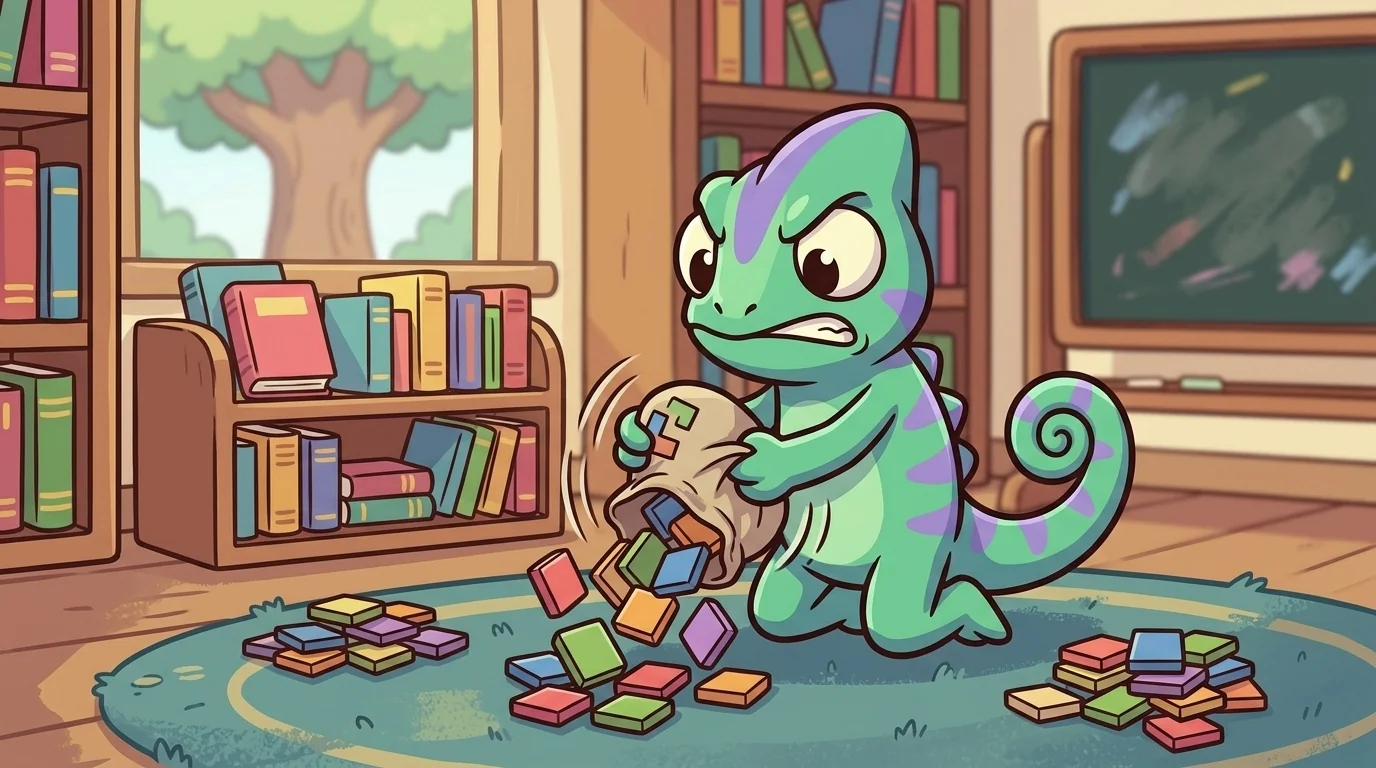
Switch learned the whole secret by shaking a bag long past the point of giving up.
As a young chameleon, Switch got a set of letter-tiles and tried to make a word — and got nonsense. Tried again — more nonsense. Again, again, again — all garbage. "I nearly threw the bag across the room," Switch admits. "I decided I just wasn't clever enough for word puzzles."
But right before quitting, out of pure stubbornness, Switch shook one more time — and suddenly, out of the jumble, a real word appeared, clear as day. "And here's the thing that changed everything," Switch says, eyes bright. "I wasn't any smarter on that last shake than the first. I'd just shaken more times. The nonsense wasn't me failing — it was me practicing. The gold was hiding in the twentieth try, not the first." From then on Switch stopped worrying about being clever and just... kept shaking the bag.
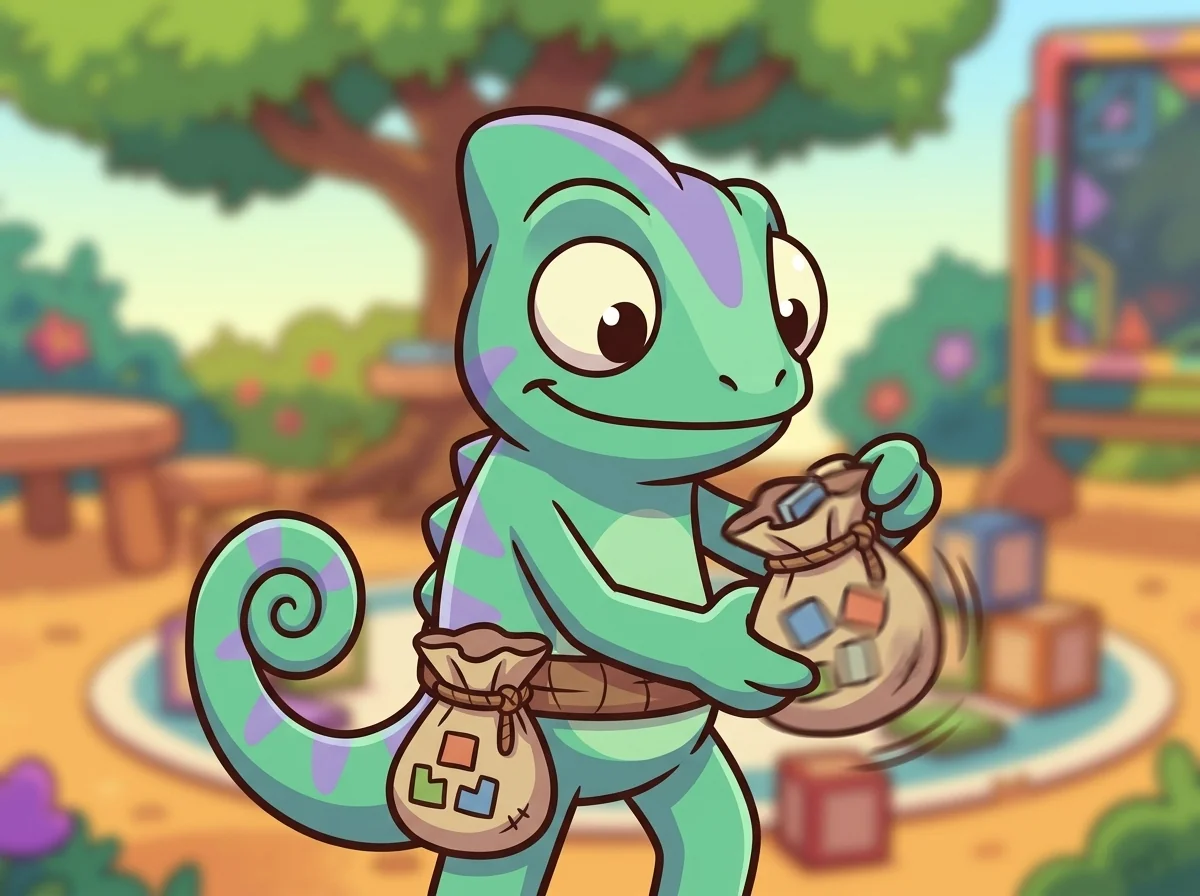
One day Switch and their friends came to a bouncy Laughtonia bridge made of huge colorful letters, guarded by a grumpy Letter-Sprite with a square head and pencil arms. "Hold it, word-wanderers!" it boomed, voice like chalk on a blackboard. "To cross, pass my test!" It tipped out seven tiles: E, A, R, T, H, S, T. "Give me a word from these letters!"
Quirk froze — seven letters felt like too many, and his mind went blank. Knot mumbled, pairing letters, but nothing clicked.
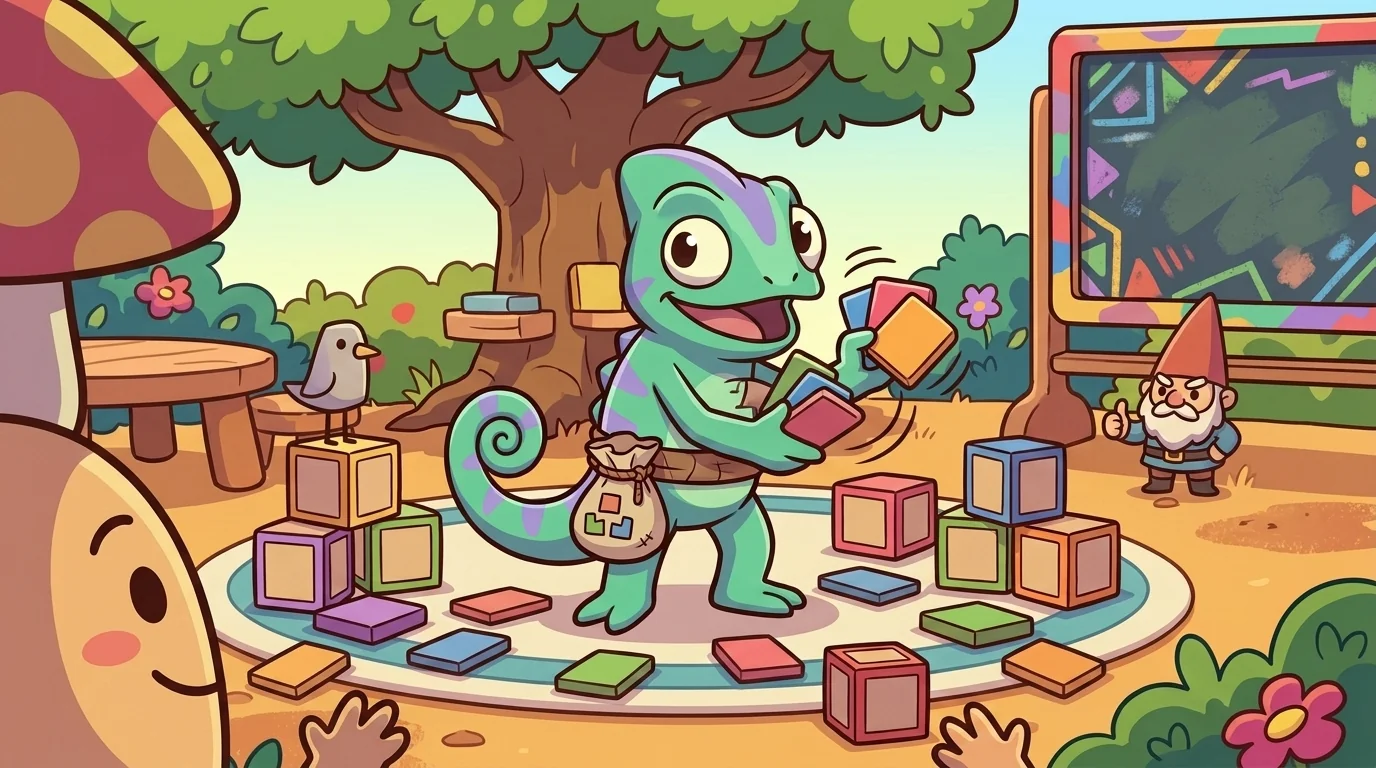
Switch just smiled and made a little shaking motion with their hands. "Hmm, let's see." They tried combinations out loud: "HASTERT? No — only one T and one H. STREET? No — that needs two E's and two T's; we've got one E." The Sprite tapped its foot; the friends held their breath; Switch kept their eyes on the tiles and kept shaking the imaginary bag, checking the letters carefully each time, trying nonsense after nonsense. Then — "Wait! I've got it! THREATS!" Switch spelled it out: "T-H-R-E-A-T-S — seven letters, all used, every one!" The Sprite's grumpy face softened; it gave an approving nod and stepped aside. "Well done, word-shaker." And Switch turned to their friends with the real lesson: "See? The trick isn't being super smart. It's shaking the bag again and again. Most of what I tried was nonsense — HATTERS without an A, STREET with the wrong counts. But the shaking made THREATS appear. It's about how many times you try, not how clever you are on the first go." (And Switch never called anyone a "good" or "bad" anagrammer — there's no such thing; every kid can shake the bag, and some have just practiced more. That's all.)
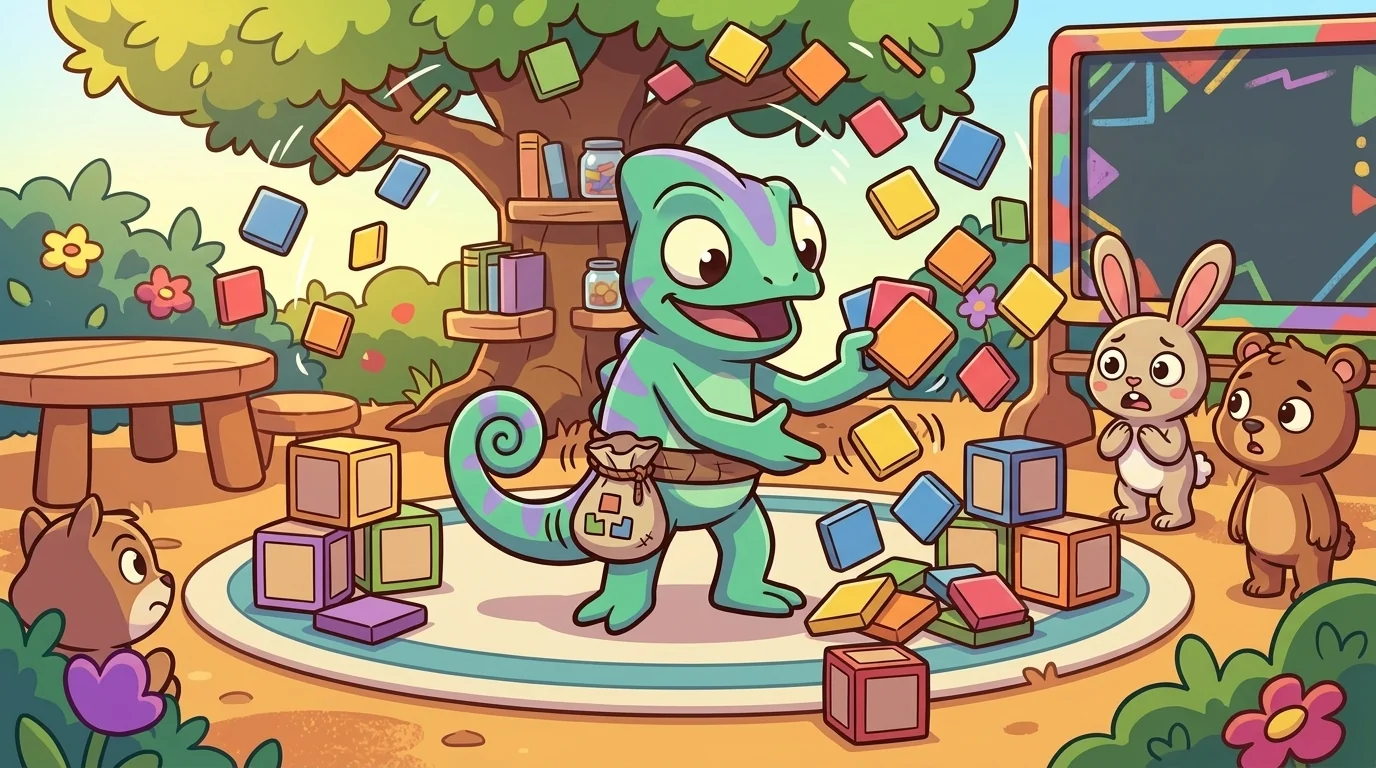
"But what if I keep getting nonsense?" a friend asked, worried. Switch grinned and shook the bag. "Then you're doing it right — that IS the practice. Keep shaking. The gold's in there."
And when THREATS finally leapt out of that jumble of tiles, Switch felt the thing they loved best fizz all the way up through their jade-green stripes: not the cold pride of being clever, but the bright, popping joy of I've-got-it! — the reward that comes only after the nonsense, only because you kept shaking. That glad, earned, out-of-the-jumble feeling — patience finally paying off in a shower of letters — was, to Switch, the very best part of the whole word-game.
Hear it as an audio drama
A short play starring Switch, from WitQuest. Different voices, same idea. Listen any time after you read.
Loading audio…
Read the drama script
- Narrator: From Spark and Anvil and WitQuest — this is Switch, in chapter 1 of the WitQuest cast.
- Narrator: This drama uses an AI-generated voice. Voiced via Gemini 2.5.
- Narrator: Switch is a chunky chameleon-tween, jade-green with violet stripes, holding a small bag of letter tiles.
- Narrator: They are deeply attentive to the letters that live inside a word, always ready to shake things up.
- Switch: I am Switch. What I teach is anagrams.
- Switch: The move is simple: same letters, different word. You just have to shake the bag.
- Narrator: Switch sees that the word "listen" holds the same letters as the word "silent," just rearranged.
- Switch: Most shakes are just nonsense, and that's part of the practice. One in twenty produces gold.
- Narrator: One day, a Letter-Sprite guarded a bridge, spilling seven tiles: E, A, R, T, H, S, T.
- Sprite: Give me a word made from these exact letters.
- Switch: Hmmm. Hatters? No. Street? Wrong counts. Let's shake the bag again. Ah!
- Switch: T-H-R-E-A-T-S. Threats. Seven letters, all used. The bag revealed the word.
- Narrator: The trick wasn't being clever. It was the simple practice of shaking the bag again and again.
- Switch: The volume of shakes is more important than the cleverness of shakes. Just keep trying.
- Narrator: A word is a bag of letters. Shaking is the craft.
- Narrator: You've been listening to a Spark and Anvil chapter, written by the Spark and Anvil writing team for ages 9 to 14.
- Narrator: Apps stay free forever.
- Narrator: Curriculum aligned to Common Core and Next Generation Science Standards.
- Narrator: Released under Creative Commons BY-NC-SA 4.0 for educational reuse. Visit Spark and Anvil for the full transcript.
The WitQuest ensemble
Switch is one of the friends in WitQuest. Each friend shows you one idea by how they act; meet them all and you have the whole subject.
-
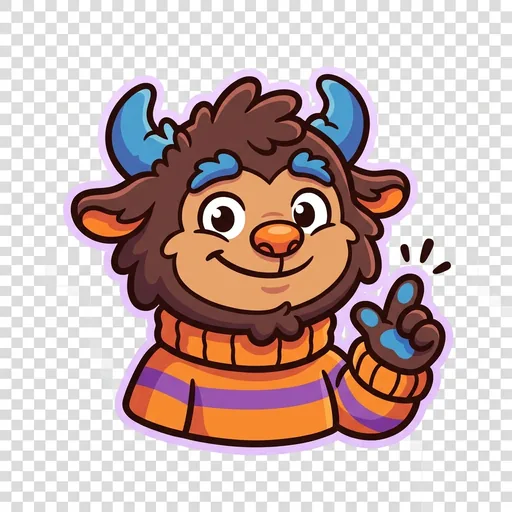
Quirk
Puns and double-meanings
-
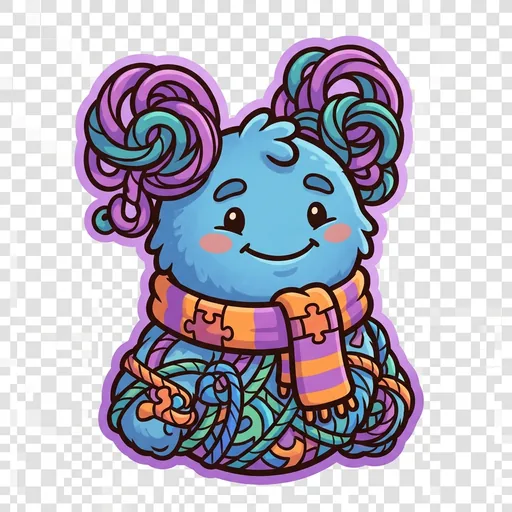
Knot
Riddles (compressed-info puzzles where you decode the answer from constrained clues)
-
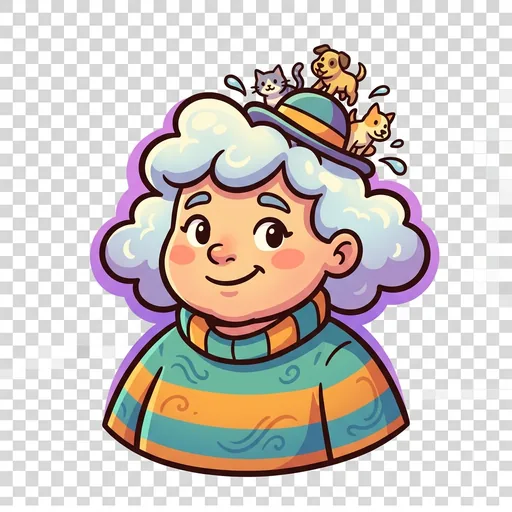
Lilt
Idioms and figurative language (phrases whose literal meaning ≠ their actual meaning — "raining cats and dogs")
-

Hop
Lateral thinking (finding a non-obvious angle on a problem; sidestepping the assumed framing)
-
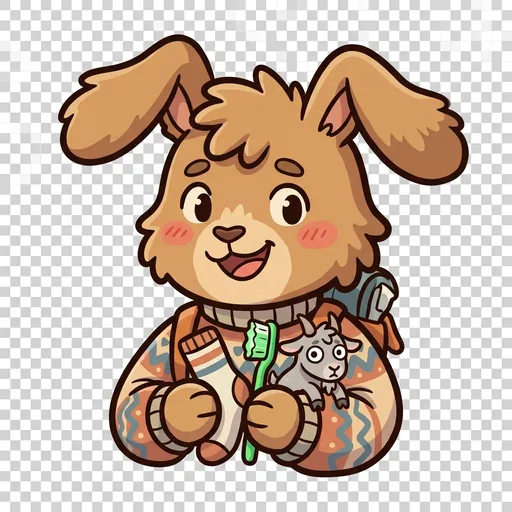
Trip
The rule of three (two beats set a pattern; the third breaks it — the break is the laugh)
-
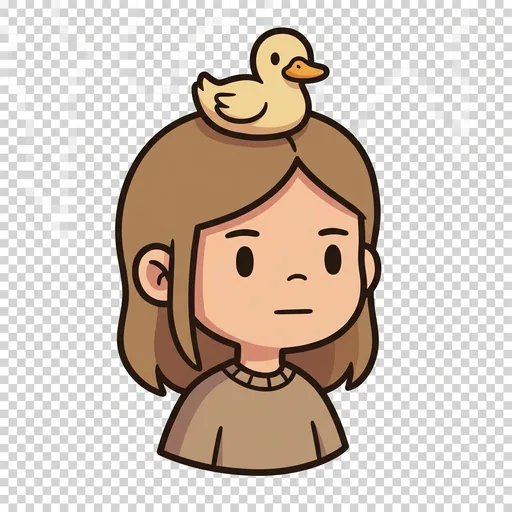
Dry
Deadpan delivery (saying something ridiculous with a calm, serious face — the flat delivery is the joke)
-
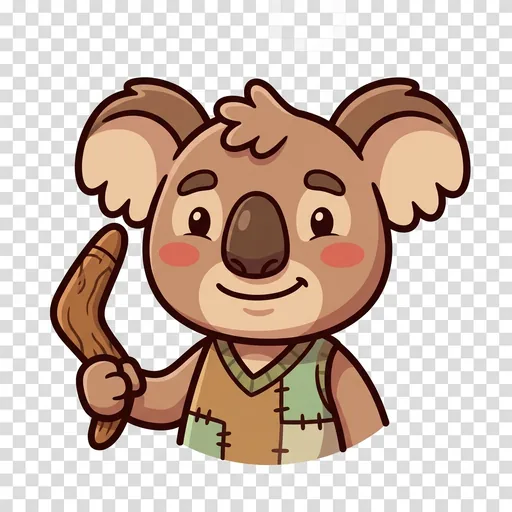
Boomerang
The callback (bringing back an earlier joke later, when it's half-forgotten — funnier the second time)
-
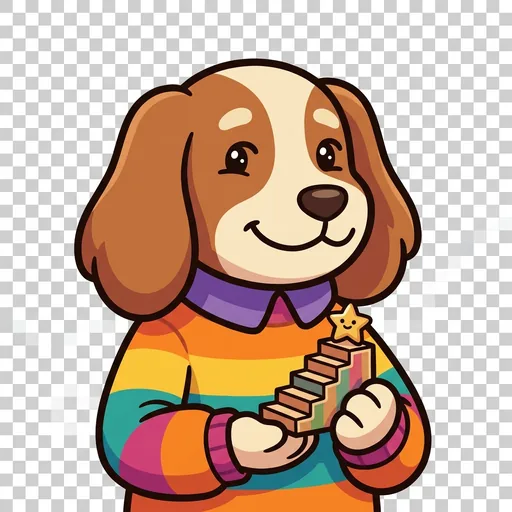
Topper
The topper / escalation (capping a joke with an even bigger one, raising the stakes each time)
-

Straight
The straight man / the setup (reacting normally so the absurdity stands out — comedy needs someone to be normal)

