Before you start
Most popular
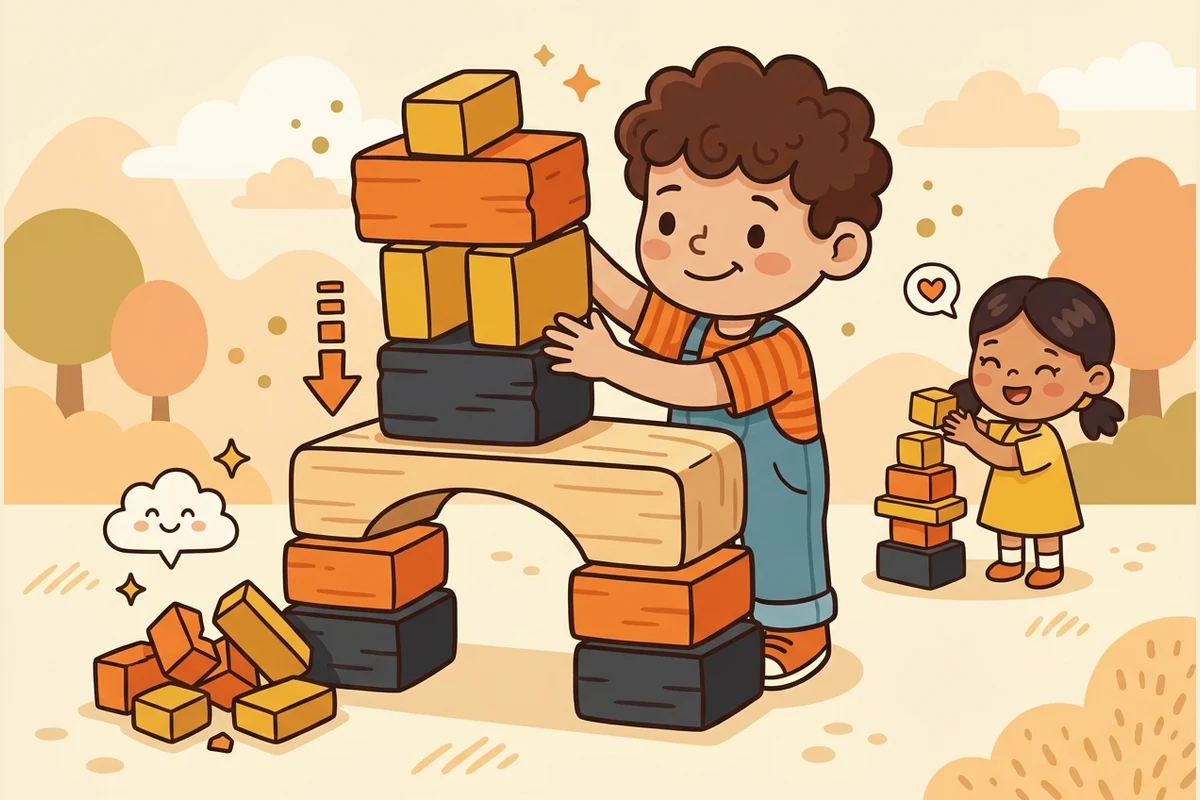 Structure Lab Pick a material and enough support columns so a building carries its load to the foundation — predict whether it stands, then run the load test.
 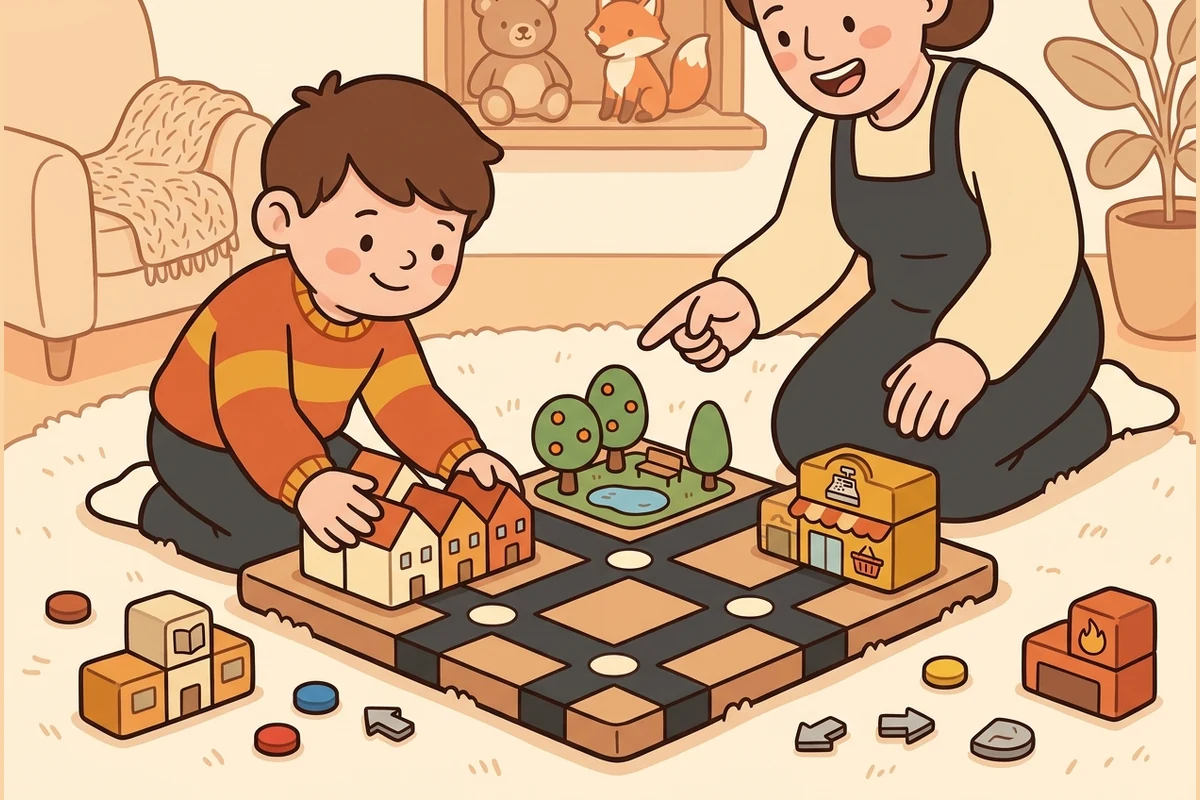 City Planner Fill a city block so families, shops, and parks make good neighbors — watch happiness and sustainability change as you plan.
 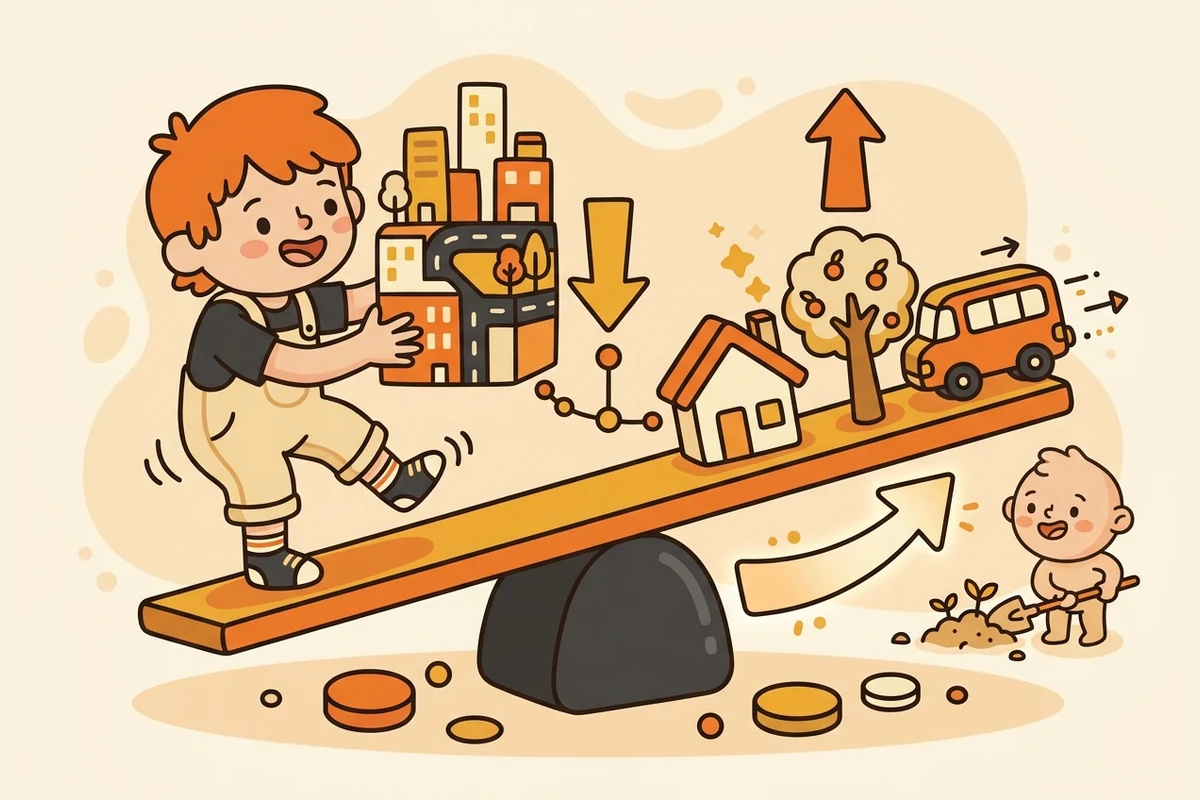 Balance the Block The capstone: four decisions cascade across five systems — there is no free lunch, so keep every system healthy, not just one.
 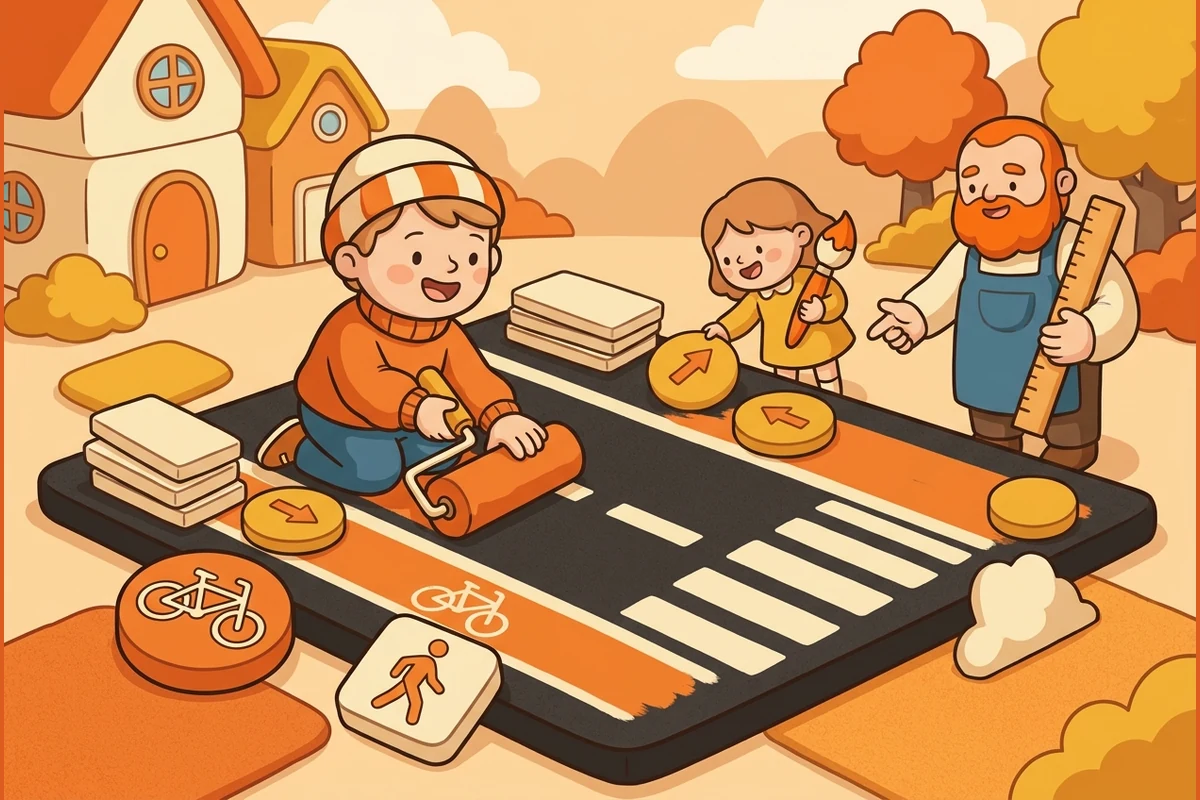 Street Designer Compose a street cross-section — sidewalk, bike, bus, car, trees — to fit a design goal. Streets are rooms; cars are guests, not owners.
 All activities
Design & plan
Structure Lab Choose material + support columns, predict, then run the load test. City Planner Zone a block so homes, shops, and parks make good neighbors. Street Designer Compose a street cross-section to fit a design goal. Transit Access Place bus stops so the most homes fall within a short walk. Public-Space Lab Design a plaza people want to stay in — shade, edges, and a feature to gather around. Balance the Block The capstone — four decisions cascade across five systems; keep them all healthy.
Learn & practice
Concept kits 16 kits from what makes a city up to city economics and resilient future cities — a hint whenever you get stuck. Mixed Practice A short round shuffling questions from the kits you have played — spaced so it sticks. CityForge Sprint Race your OWN best on what you already know. Timer optional, no penalty for a miss. Trick Questions Brain-teasers with a twist — spot why the obvious planning answer is a trap. Teach the Cast Teach a planning idea to a cast member still learning it — teaching makes it stick. Progress Your levels, streak, and how each skill is coming along — saved on this device. Progress report For grown-ups — a private on-device snapshot mapped to the skill areas. Export a CSV or print.
Play together
Concept Kits — architecture & urban planning, kit by kit
Kit 1: What Makes a City? City Foundations · 25 questions Kit 2: Buildings and Structures City Foundations · 25 questions Kit 3: Roads, Bridges, and Transportation Streets, Transit & Zoning · 25 questions Kit 4: Water and Waste Systems Green & Sustainable Cities · 25 questions Kit 5: Zoning and Land Use Streets, Transit & Zoning · 25 questions Kit 6: Sustainable City Design Green & Sustainable Cities · 25 questions Kit 7: City Economics and Budgets Economics, Resilience & Synthesis · 25 questions Kit 8: Urban Resilience and Future Cities Economics, Resilience & Synthesis · 25 questions Kit 9: Sustainable Cities & Green Design Green & Sustainable Cities · 25 questions Kit 10: Transportation & Infrastructure Streets, Transit & Zoning · 25 questions Kit 11: Housing & Community Development Green & Sustainable Cities · 25 questions Kit 12: Emergency Planning & Resilient Cities Economics, Resilience & Synthesis · 25 questions Kit 13: Cross-Topic Connections Economics, Resilience & Synthesis · 25 questions Kit 14: Real-World Applications Economics, Resilience & Synthesis · 25 questions Kit 15: Misconceptions & Reasoning Economics, Resilience & Synthesis · 25 questions Kit 16: Advanced Synthesis Economics, Resilience & Synthesis · 25 questions
Think it through first
More ways to play
😄 Brain break
Meet the cast — the characters who teach this
-
 Block Zoning + density — the badger-tween with clay-block models who teaches zoning as 'plan for the neighbors first, not the buildings'
 -
 Stoop Public space + community — the capybara-elder on a wooden stoop who treats public space as the city's living room, foregrounding existing stoop-cultures (Brooklyn / Latin American plazas / Italian piazzas / West African gathering trees)
 -
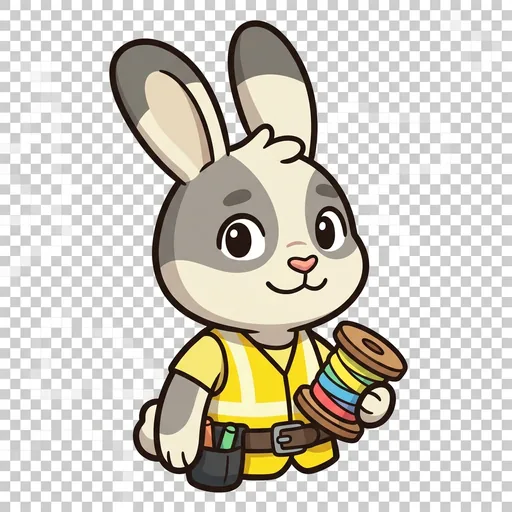 Lane Walkability + mobility — the rabbit-tween in safety-vest with a chalk-spool who teaches streets-as-spaces ('streets are rooms; cars are guests, not owners')
 -
 Hub Transit nodes — the pangolin-tween in conductor-vest who teaches that transit is about ACCESS, not about cars-vs-trains ('many ways, equal ways; the bus matters as much as the train')
 -
 Dwell Housing equity + repair — the owl-elder in a mended quilted-coat who teaches anti-displacement, repair-not-replace urbanism ('repair before replace; listen before plan; the people who live here ARE the design')
 -
 Canopy Green infrastructure — trees and parks cool the city and soak up rain; shade placed where it is needed most
 -
 Mix Mixed-use land use — weave homes, shops, and work close so daily life is a short walk
 -
 Seam Edges and connection — a highway can rip two neighborhoods apart; design can stitch them back
 -
 Berm Climate resilience — the beaver who builds soft green earthworks that bend and soak up floods instead of walling them out
 -
 Conduit Infrastructure — the badger who tends the hidden pipes, wires, and drains beneath every street
Ensemble stories — the cast together