Before you start
Most popular
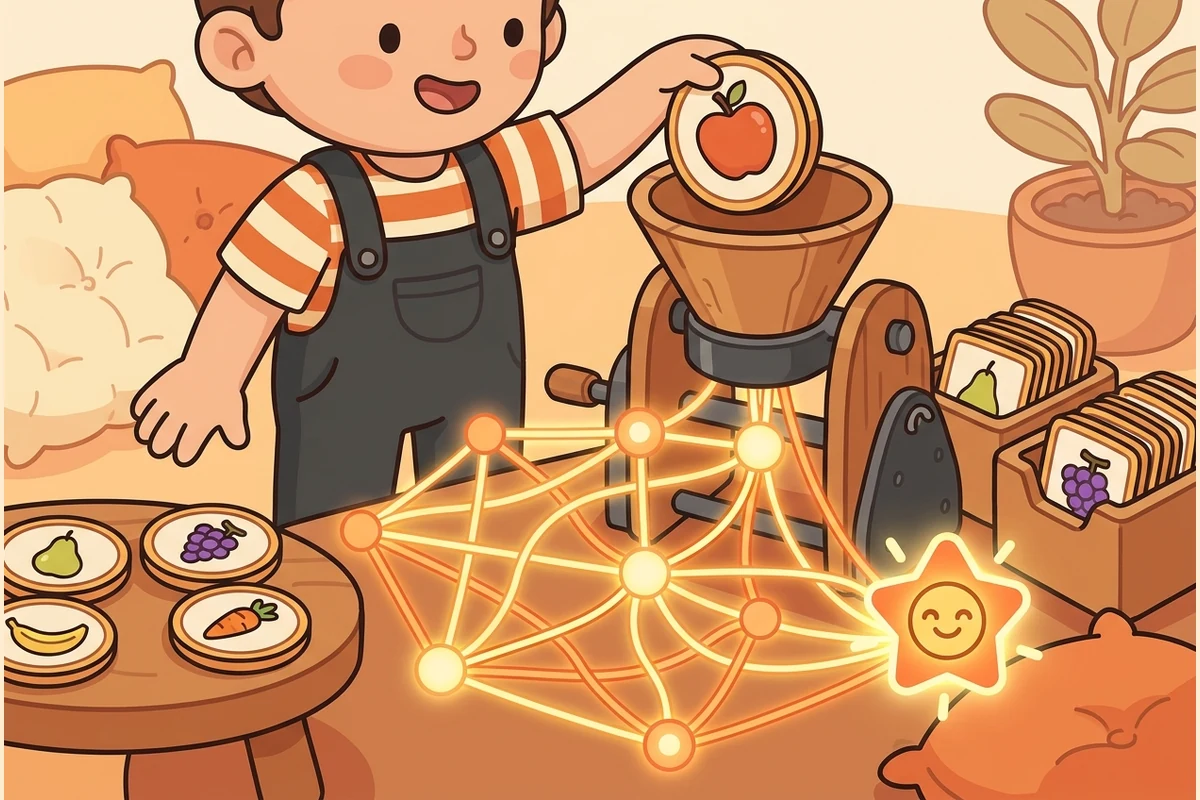 Classifier Trainer Label a handful of examples and watch an AI discover a rule — then predict what it does on a brand-new one, and find where its training was unfair.
 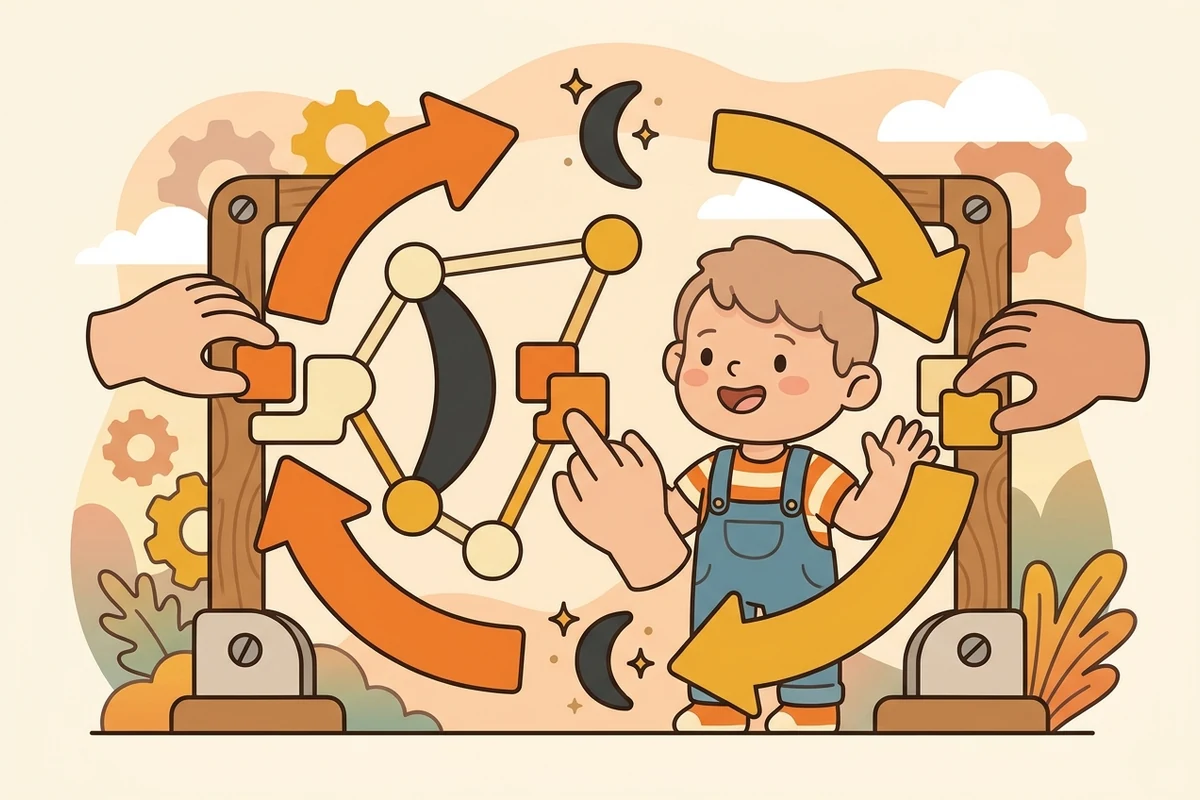 Training Loop Adjust the weights and watch a network learn — and learn when to STOP before it overfits.
 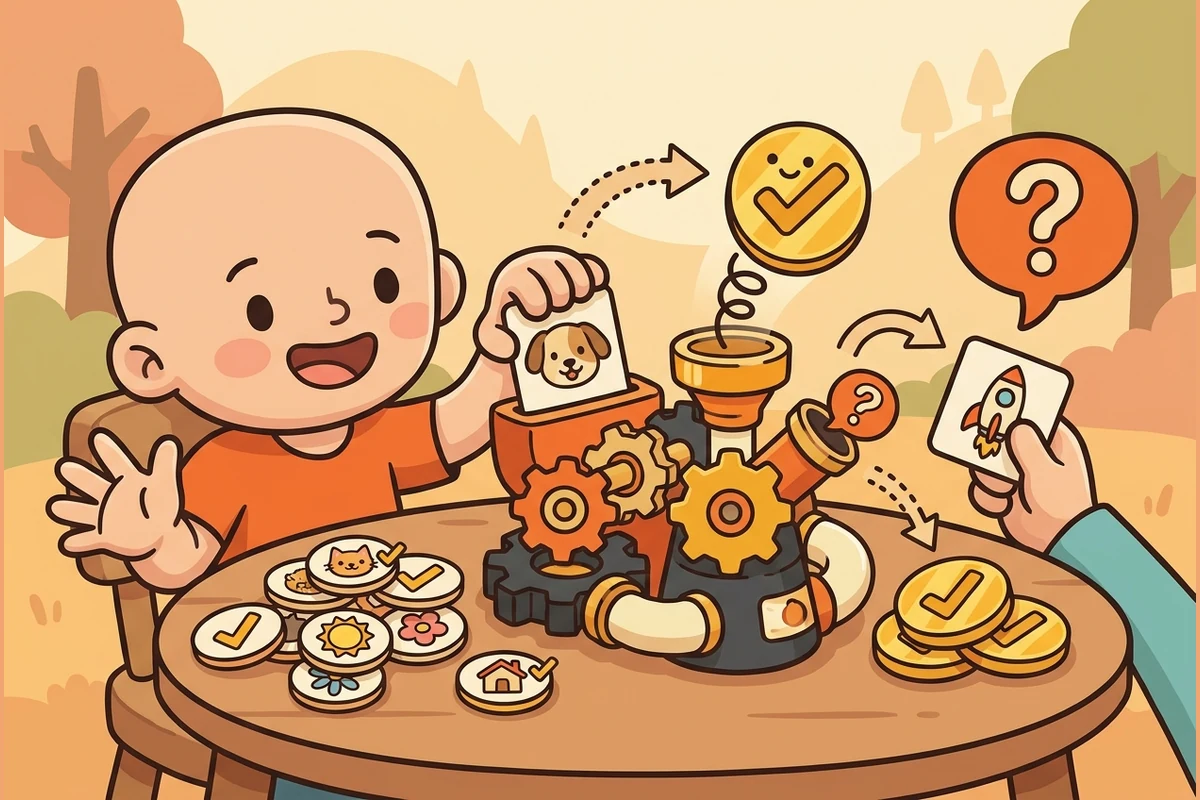 Does it Generalize? Test the model on data it has never seen — the honest way to know if it really learned.
 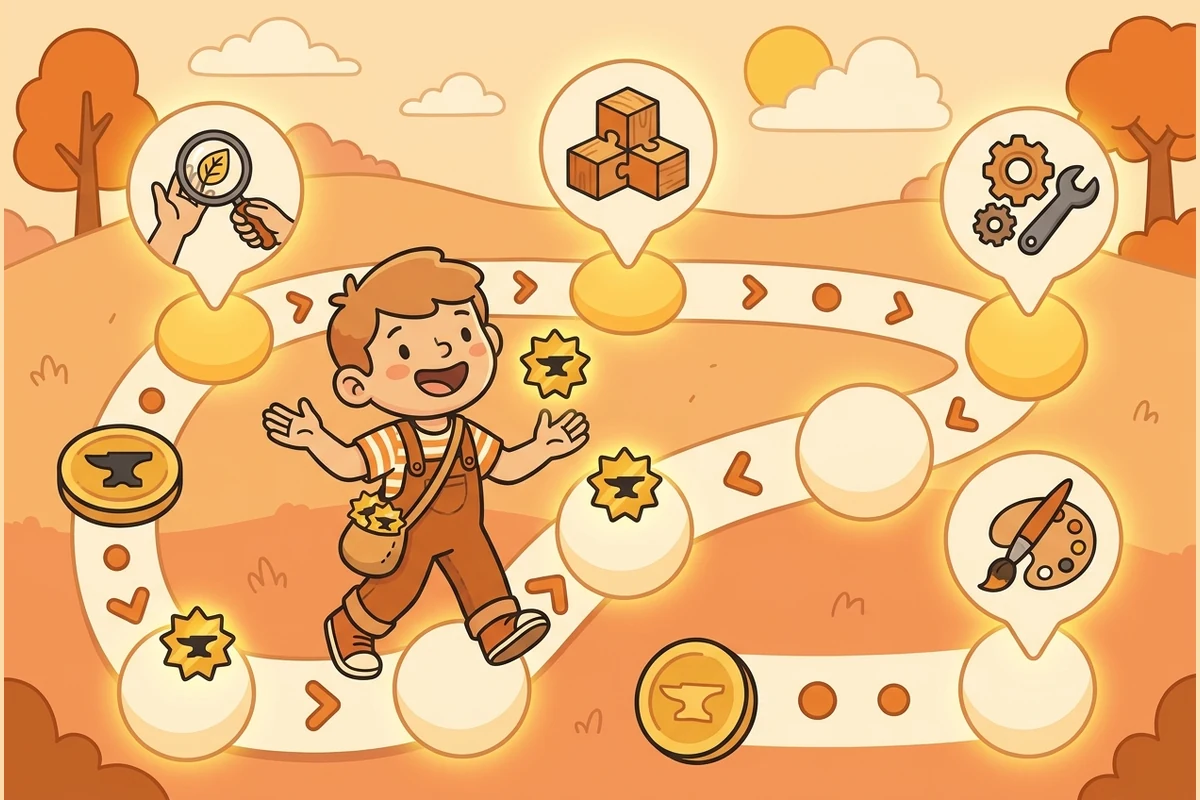 Adventure Map A path through all 16 kits — clear each stop, then move on.
 All activities
Build & inspect ML
Classifier Trainer Label examples, watch an AI learn a rule, then predict what it does on a new one. Training Loop Adjust weights and learn when to stop before a model overfits. Does it Generalize? Spot the overfit on data it has never seen. Recommendation Lab Predict what a recommender serves next — and catch filter bubbles and popularity bias. Weigh It Pick the decision that weighs both sides fairly.
Learn & practice
Concept kits 16 kits from how machines learn to AI in society — a hint whenever you get stuck. Mixed Practice A short round shuffling questions from the kits you have played — spaced out so it sticks. NeuralQuest Sprint A calm speed round on what you already know. Timer optional, no penalty for a miss. Trick Questions Brain-teasers with a twist — spot why the obvious answer is a trap. Teach the Cast Teach a machine-learning idea to a cast member still learning it — teaching makes it stick. Progress Your levels, streak, and how each topic is coming along — saved on this device. Progress report For grown-ups — a private on-device snapshot mapped to the skill areas. Export a CSV or print.
Play together
Concept Kits — machine-learning literacy, kit by kit
Kit 1: How Machines Learn How machines learn · grades · 25 questions Kit 2: Training Your First Classifier How machines learn · grades · 25 questions Kit 3: Neural Networks and Deep Learning Neural networks · grades · 25 questions Kit 4: Recommendation Systems and Personalization Recommendation systems · grades · 25 questions Kit 5: Bias, Fairness, and Data Ethics Ethics & bias · grades · 25 questions Kit 6: Computer Vision and Image AI Computer vision · grades · 25 questions Kit 7: Natural Language Processing and AI Communication Language AI · grades · 25 questions Kit 8: Master AI Scientist: Responsible AI Capstone Review & synthesis · grades · 25 questions Kit 9: Reinforcement Learning and AI Agents How machines learn · grades 4-5 · 25 questions Kit 10: Generative AI and Creative Machines How machines learn · grades 5-6 · 25 questions Kit 11: AI in Society and Everyday Life Ethics & bias · grades 6-7 · 25 questions Kit 12: Future of AI and Emerging Technologies Future of AI · grades 7-8 · 25 questions Kit 13: Cross-Topic Connections Review & synthesis · grades 5-6 · 25 questions Kit 14: Real-World Applications Review & synthesis · grades 6-7 · 25 questions Kit 15: Misconceptions & Reasoning Review & synthesis · grades 6-7 · 25 questions Kit 16: Advanced Synthesis Review & synthesis · grades 7-8 · 25 questions
Think it through first
More ways to play
Meet the cast — the characters who teach this
-
 Tag Labeling — the cheerful labeler who treats every label as a human choice and meaning-making act ('every label is a choice — and you're the one making it')
 -
 Drill Training loops — the focused practitioner who treats iteration as rhythm, not race; explicit teacher of when-to-stop ('once, again, again — different this time? Then again')
 -
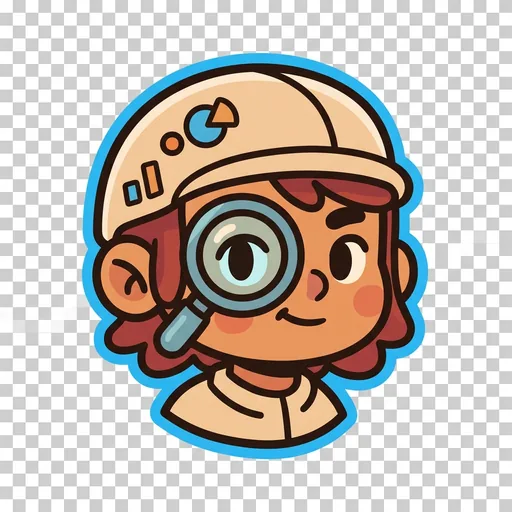 Skew Bias + data fairness — the bias-vigilance anchor who always asks 'whose data is in here, whose is missing, who decided'; appears in every kit from kit 5 onward
 -
 Veer Generalization vs overfit — the wandering scout who treats generalization as travel ('trained here, tested here — now go somewhere new, does it still know the way?')
 -
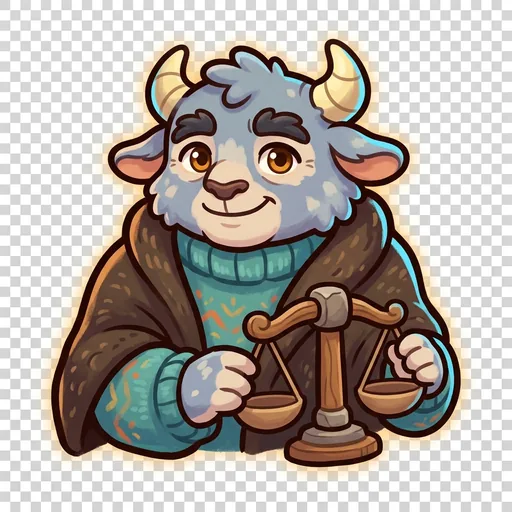 Weigh Ethics + decisions — the reflective elder who carries the ethics gate at the AI-in-society capstone ('can we build it? Yes. Should we? That's a different question')
 -
 Foretell Prediction — the model learned on the past; now it guesses about something it's never seen (the leap is the whole point and the whole risk)
 -
 Glean Feature selection — a computer can't look at everything; what you let it look at is what it learns from, so choose the clues on purpose
 -
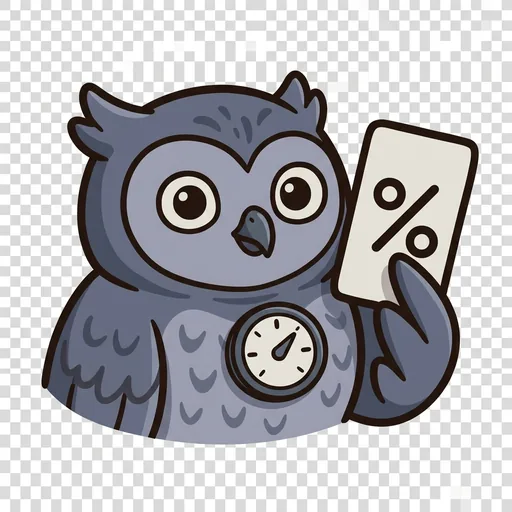 Odds Confidence — I'm not sure, I'm 80% sure; those are different, and the difference is the whole point
 -
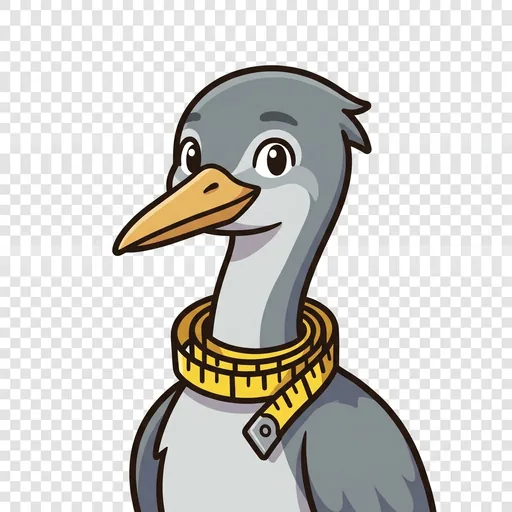 Rue Loss — how far off was that guess? the exact size of the miss tells the model which way to change
 -
 Verge Decision threshold — the model gives a number, I draw the line; move the line and you choose what you'd rather be wrong about
Ensemble stories — the cast together