Ages 9–14 · Grades 4–8 · Computer Science
TinkerForge
A little program stamps shapes — and then one line changes. A number, a shape name, a
coordinate, a + instead of a −, an if’s threshold. Your job:
predict the new picture before you run it. That’s real tinkering — a small change, a
careful guess, and a look — not button-mashing.
Every picture here is drawn by really running the code, and the randomness uses a fixed seed so your guess is always checkable. Runs on your device; nothing leaves it.
Loading the tinker lab…
How are you feeling?
😄 Brain break
Where this idea comes from
Change one line
Vera Molnár (1924–2023) made pictures in series: draw a pattern, change one thing, draw it again. Before she had a computer she worked this way by hand and called it her “imaginary machine”. In 1968 she began using a real computer at a research laboratory in Paris, drawing with a plotter.
One thing to hold: A square of paper, a few shapes, and one number you are allowed to change.
Why it matters: Molnár liked to add a small amount of randomness to an orderly grid — she called it “1% of disorder” — and look at what one small change does. From 1968 Sol LeWitt made wall drawings as written instructions that other people carry out. In 2001 Casey Reas and Ben Fry started Processing, a language for sketching with code: change a number, run it again, look.
What we don’t know: If a LeWitt wall drawing is drawn by someone else from his instructions, whose drawing is it? People who look after art still argue about that.
Dates:
- 1968 Molnár starts drawing with a computer in Paris.
- 1968 LeWitt’s first wall drawing: instructions, carried out by others.
- 2001 Reas and Fry start Processing.
- 2023 Molnár dies, aged 99, still making series.
Meet the cast — the characters who teach this
-
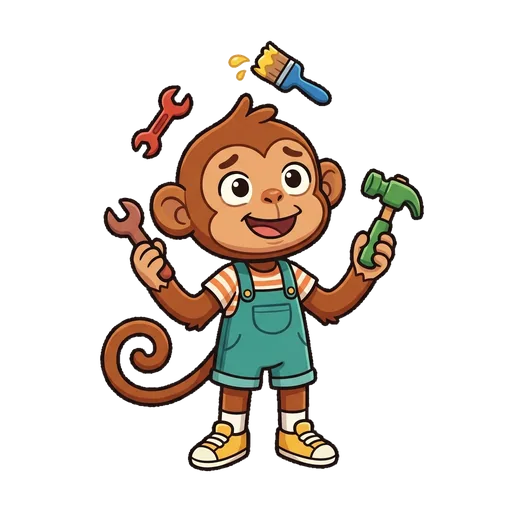 Tweaky changes five things at once and can't say which did what — you teach one change at a time
-
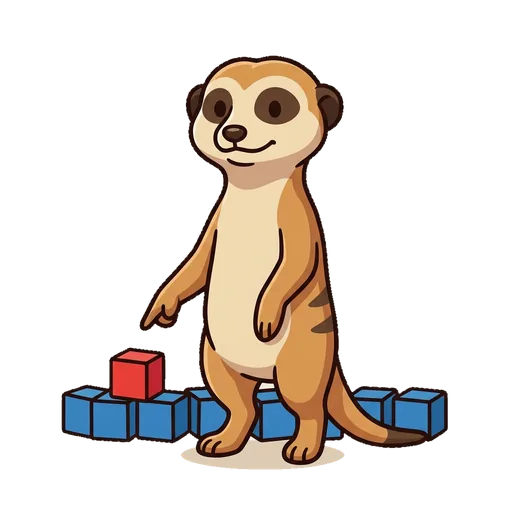 Diffy finds the one changed line
-
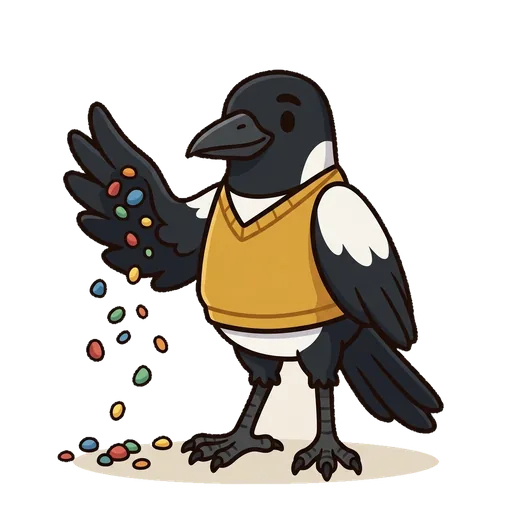 Randle scatters things anywhere inside a range
What next? Pick a door
- More like this TraceForge What will this program print? ScreenForge What screen will this code make? DoodleForge What will this little loop draw?
- A bit harder SortTales Which sort is fastest for this list? PingForge Where does your data travel? TokenTales What word will the model say next?
- Something different FractionForge Which fraction is bigger? FrameQuest Which frame comes next? AtlasTales Which board game from the world next?