Ages 9–14 · Grades 4–8 · Computer Science
DoodleForge
Read the pen program, predict the picture, then watch the pen draw it: the repeats are the sides, the turn is the corner.
Every picture here is drawn by really running the code — nothing is a stock image. Runs on your device; nothing leaves it.
🧪 The Pen Lab: the turn dial, two programs one picture, and fix the pen.
Where this idea comes from
The turtle’s family tree
In 1948 and 1949 the brain scientist W. Grey Walter built two small robots in Bristol, Elmer and Elsie, which he called tortoises. They wandered towards light and steered round things in their way, with no program at all, just a few wires and valves.
One thing to hold: Logo, a programming language designed for children in 1967 at the company BBN by Wally Feurzeig, Seymour Papert and Cynthia Solomon. A few years later it got a turtle: first a robot on the floor that drew with a pen, then a triangle on a screen. FORWARD 50 and RIGHT 90 moved it, the same idea as forward(50) and turn(90) here.
Why it matters: A turtle draws from where it stands: “go forward, then turn” is how you would walk a shape yourself. That is why a square is four forwards and four quarter turns, and why the turns of any closed path add up to whole turns.
What we don’t know: Logo is often credited to Papert alone, but it was designed by three people, and Cynthia Solomon’s part was overlooked for a long time. The first floor turtles are not dated to the month in the sources: around 1970 is as close as they say.
Dates:
- 1948 Grey Walter builds the first of his robot tortoises.
- 1967 Feurzeig, Papert and Solomon design Logo at BBN.
- 1970 About now, a floor turtle with a pen draws Logo programs.
- 1980 Papert’s book Mindstorms explains turtle geometry for teachers and parents.
How are you feeling?
😄 Brain break
Meet the cast — the characters who teach this
-
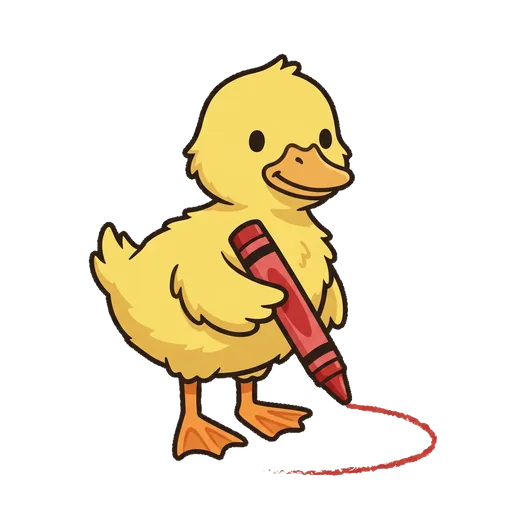 Wonky picks a turn by feel and the shape won't close — you teach the full turn
-
 Rosette draws a shape again and again, turning a little each time
-
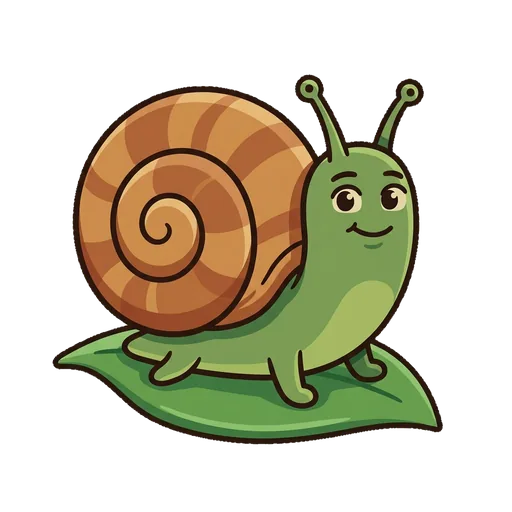 Curlicue lets each side grow a little longer, into a spiral
-
 Penwick counts the sides and keeps the pen on the page
What next? Pick a door
- More like this TinkerForge Change one line: what changes? RailForge Will the cart reach the ore? TraceForge What will this program print?
- A bit harder ScreenForge What screen will this code make? SortTales Which sort is fastest for this list? PingForge Where does your data travel?
- Something different EscapeForge Which clue opens the lock? DecodeForge Can you break this long word apart? HaggleQuest What is the smartest deal here?