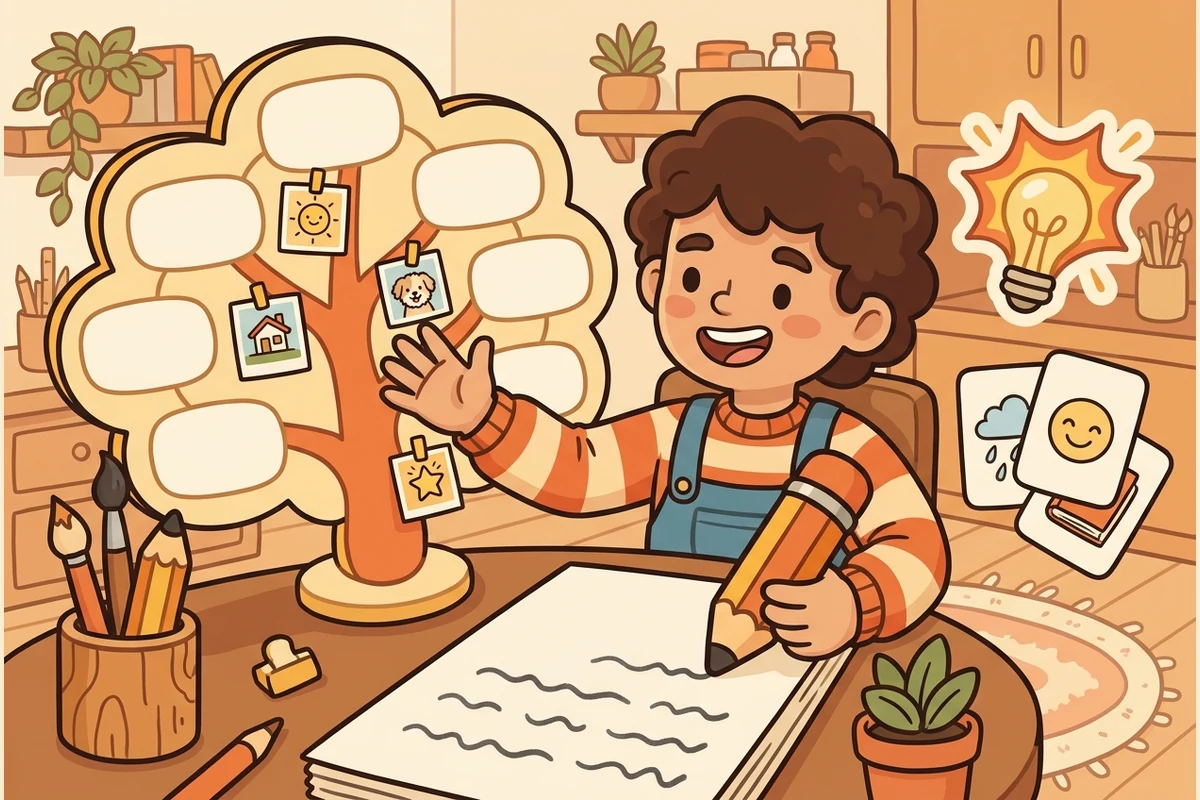
Plan first — then the writing is easy.
Plan & write
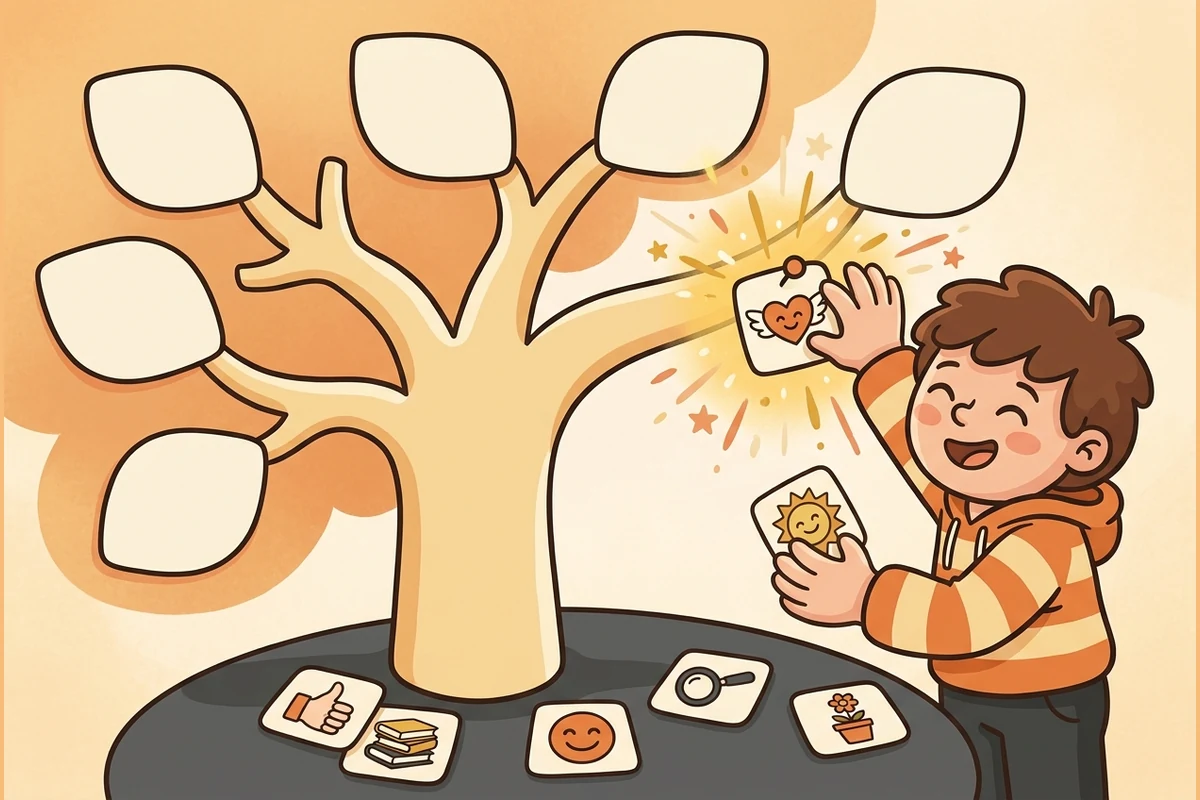 TREE — Opinion Plan an opinion: a topic sentence, your reasons, an explanation, and an ending. Sort each sentence into the right part.
 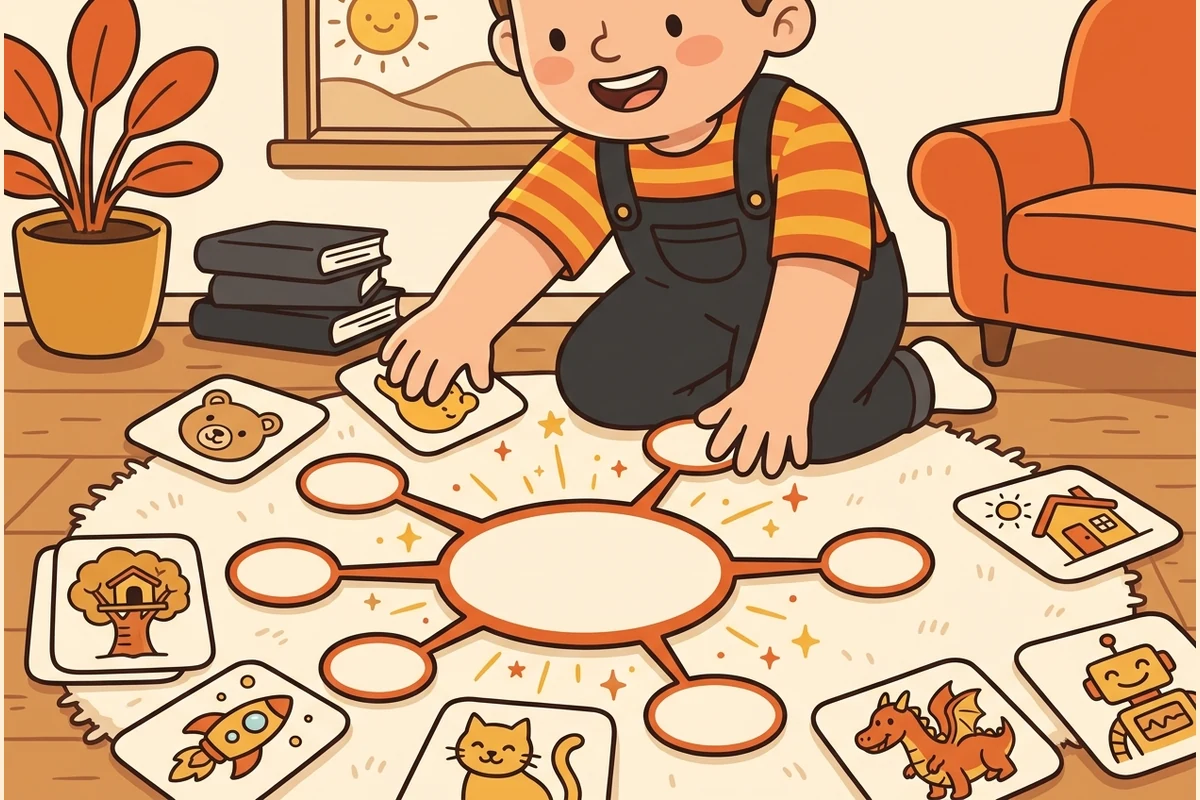 WWW — Story Plan a story: who/when/where, what the character wants, what happens, and how it ends.
 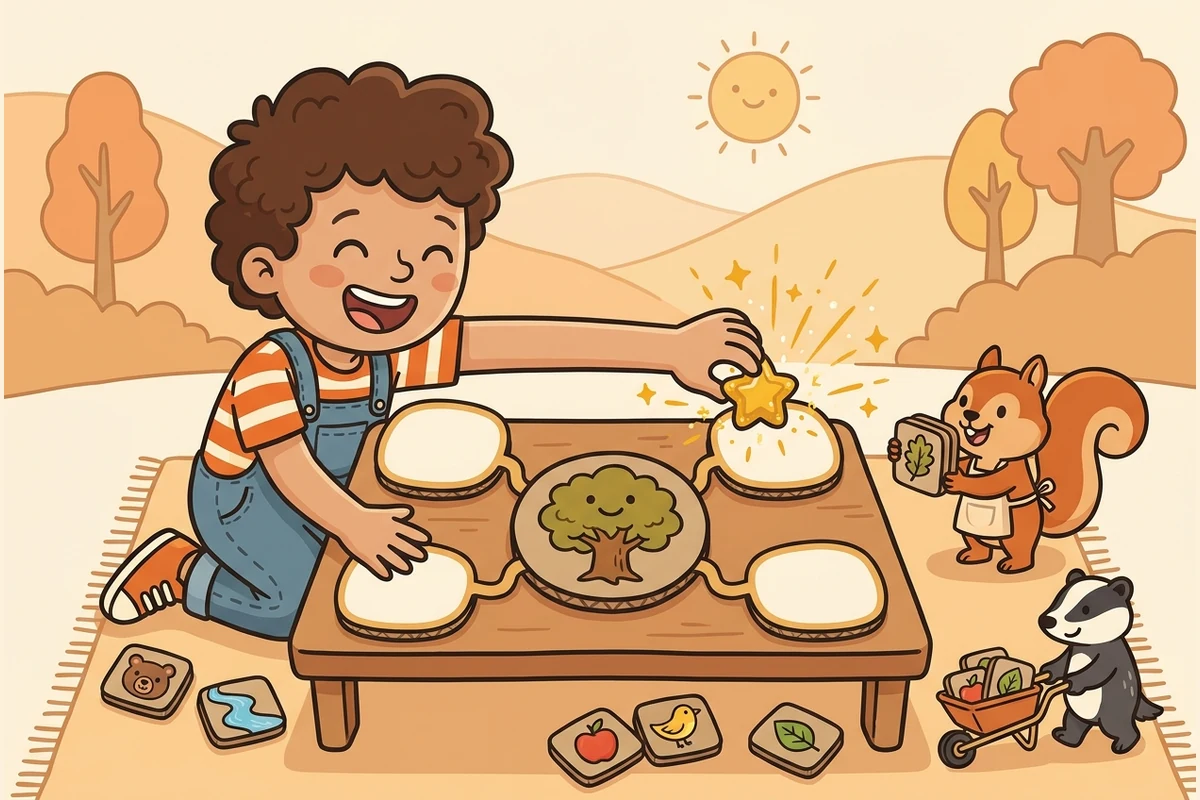 TIDE — Facts Plan an informational piece: a topic, important details, and an ending.
 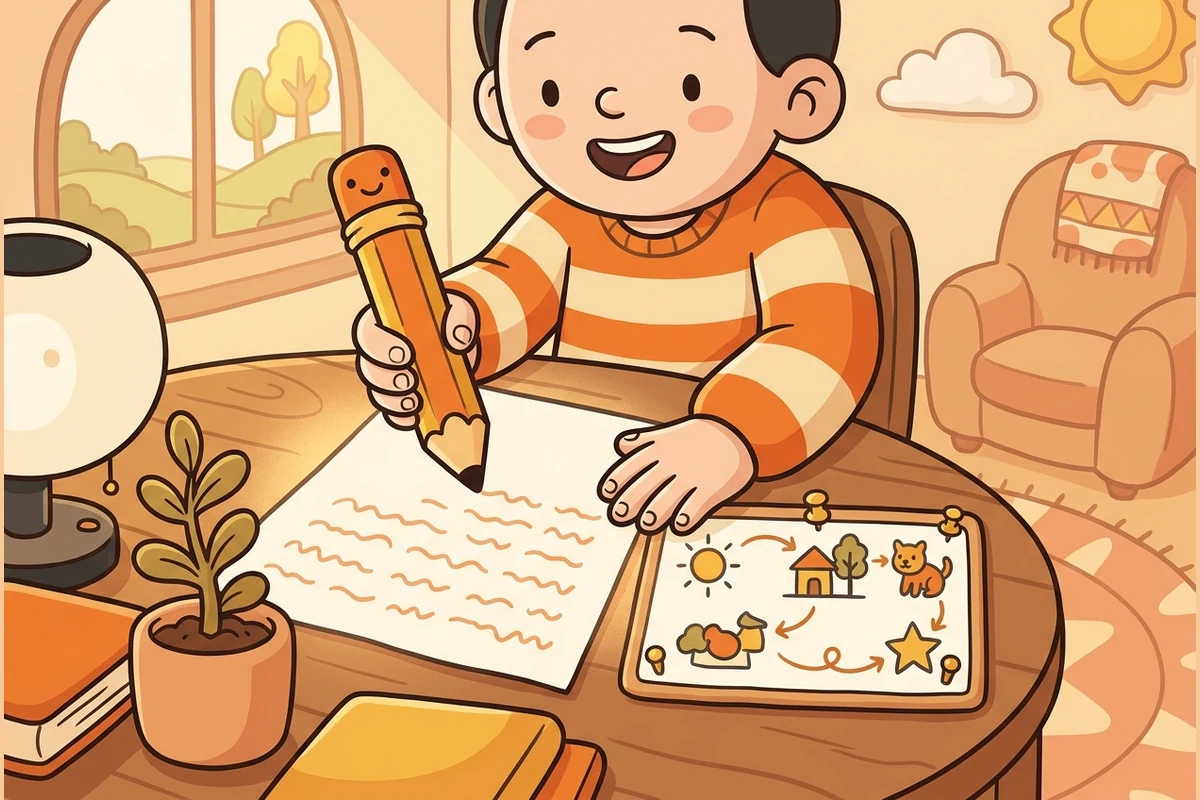 Write it out Use your plan to write it in your own words. We never grade your writing — it stays only on your device. Combine It Take two short sentences and pick the best way to join them into one smooth sentence. Stretch It Start with a little sentence and add where, when, and how — watch it grow big and interesting, one detail at a time. Say It & Fade Learn a short writing rule by heart — say it, then say it back as more and more words fade away. Everything is read aloud. Become an Expert Pick a topic, find out about it, then teach it in your own little expert book.
 Quick checks
Plan It First Stack Your Reasons Tell the Story Facts Together Say It Clearer Connect the Ideas Cheer Yourself On Workshop Mix
Mixed practice — revisit what you've learned Meet the cast — the characters who teach this
-
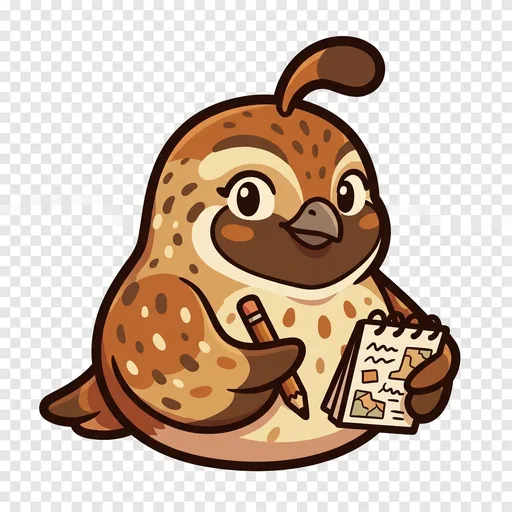 Penna Planning / POW (hero) — a quail who maps her notes into a plan before writing; planning IS the writing strategy
 -
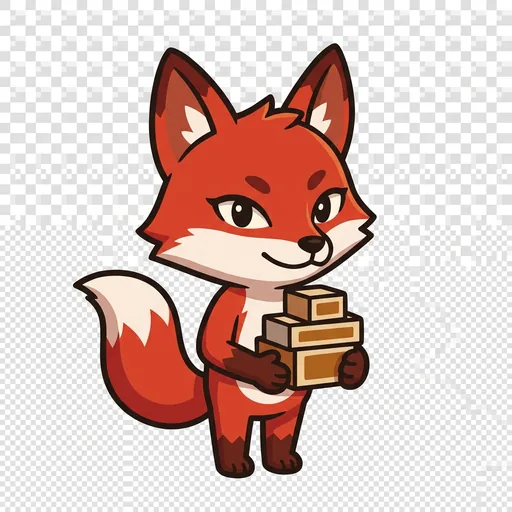 Reeza Opinion / TREE — a fox who stacks up 'because' reasons for what she thinks; reasons ARE argument
 -
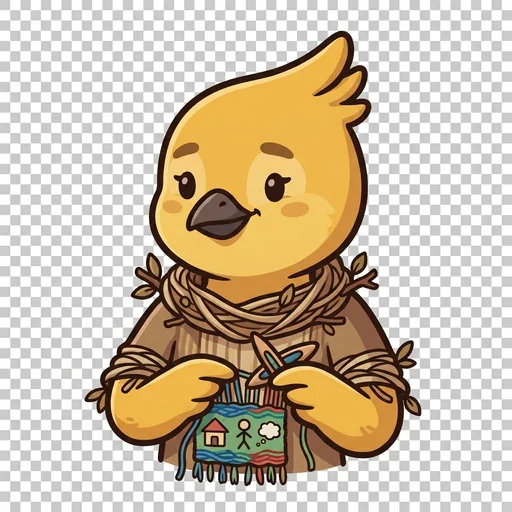 Willow Narrative / WWW — a weaver bird who weaves the who/where/what/how of a story; story elements ARE narrative
 -
 Facta Informative — an owl who gathers facts under one main idea; main-idea-with-details IS informative writing
 -
 Snippa Revising / editing — a beaver who snips and reshapes a draft to say more, clearer; revising IS improving
 -
 Cheeri Self-regulation — a cricket who sets a goal and cheers herself on; self-talk IS SRSD self-regulation
 -
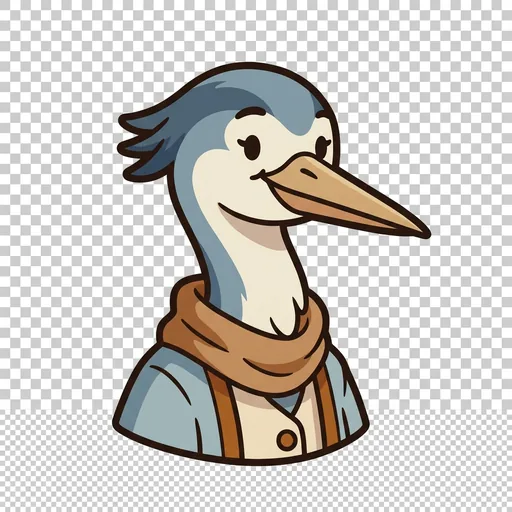 Ms. Quilby The workshop keeper (mentor) — a calm heron who frames each strategy and never red-pens a draft