The Knotted Cords
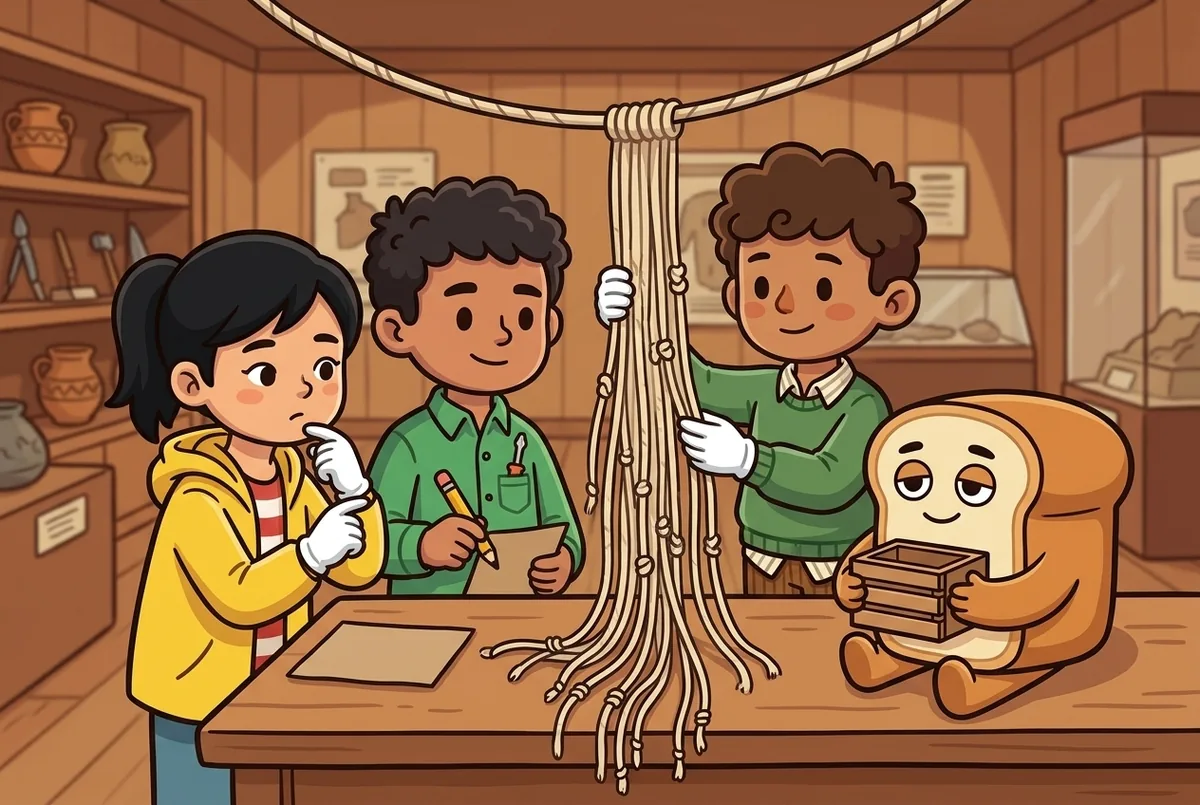
The idea: where a knot sits tells you what it is worth (place value), and a total can be tied on top.
Read it
Who is in this book
-
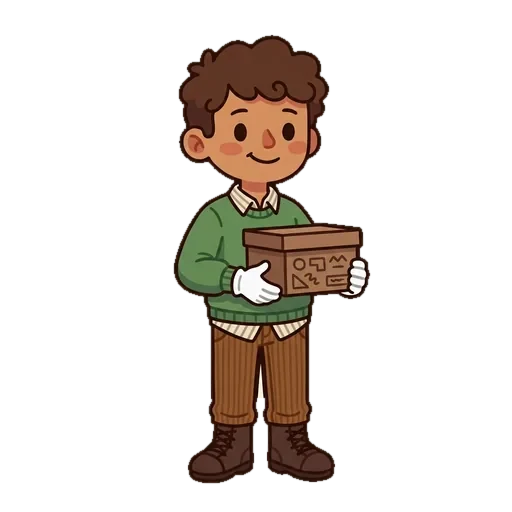 Ledger No object leaves without a slip that says what you saw, before what you think from BackstageQuest
-
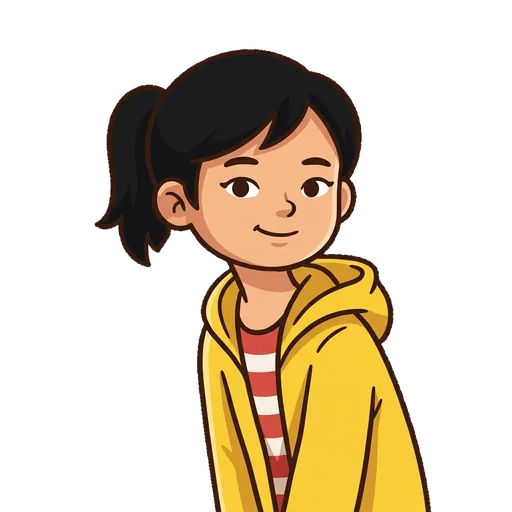 Lan a child of the Green Goes first; makes a friend in a minute
-
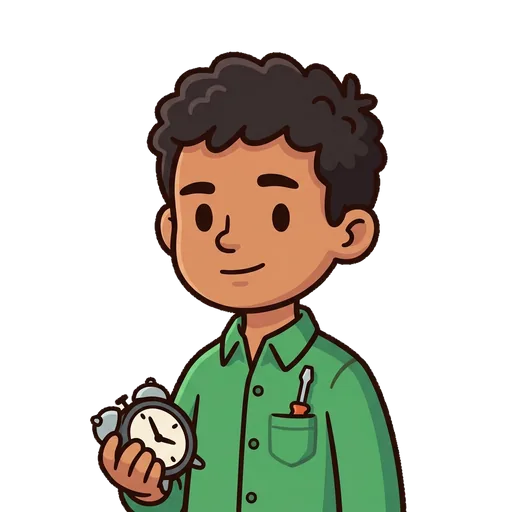 Beto a child of the Green Takes things apart
-
 Loaf Ten ones squish into one ten, so a big count is tens and ones from CarryPals
Every recurring character has a short tune, so you can tell who is on stage before a word is said. The tunes play only when you tap, and the Reading Access sound switch turns them off.
The Honest Page
Which parts are true, stretched or made up — and what does nobody know?
True
- Andean peoples recorded numbers on knotted cords called khipu (quipu). The Inka state used them for counts such as people, llamas and harvests, kept by record-keepers called khipukamayuq. Source
- Knots on a khipu cord stand for ones, tens, hundreds and more by where they sit, and on many khipu a top cord holds the total of the cords below it. Source
- 3 hundreds, 4 tens and 7 ones is 347, and 347 + 125 + 210 = 682.
Stretched
- Every knot on the cords is easy to read. What we simplified: Real khipu use different kinds of knot (single, long and figure-eight), colours and the way cords are attached, and they are fragile; only experts handle the old ones.
Made up
- The Lending Museum and this replica are made up. Ledger comes from BackstageQuest and Loaf from CarryPals.
Nobody knows
- Whether some khipu recorded words or stories as well as numbers. Researchers are still working on it. Source
Tell it back
Tell the story in your own words: who was there, what went wrong, and what they found out. Then the third loan slip, stamped, in the children's folder goes on your belt.
On your belt: the third loan slip, stamped, in the children's folder.
Your belt lives on this device. Nothing is sent anywhere.
Ring the hammer for someone
Pick this book for someone younger. The link carries only the book, and it will wait for them on the Green.