Throw
Step-rotate-release
Loading audio…
Press play to listen along. The line being read lights up as you go.
Show full transcript
Loading transcript…
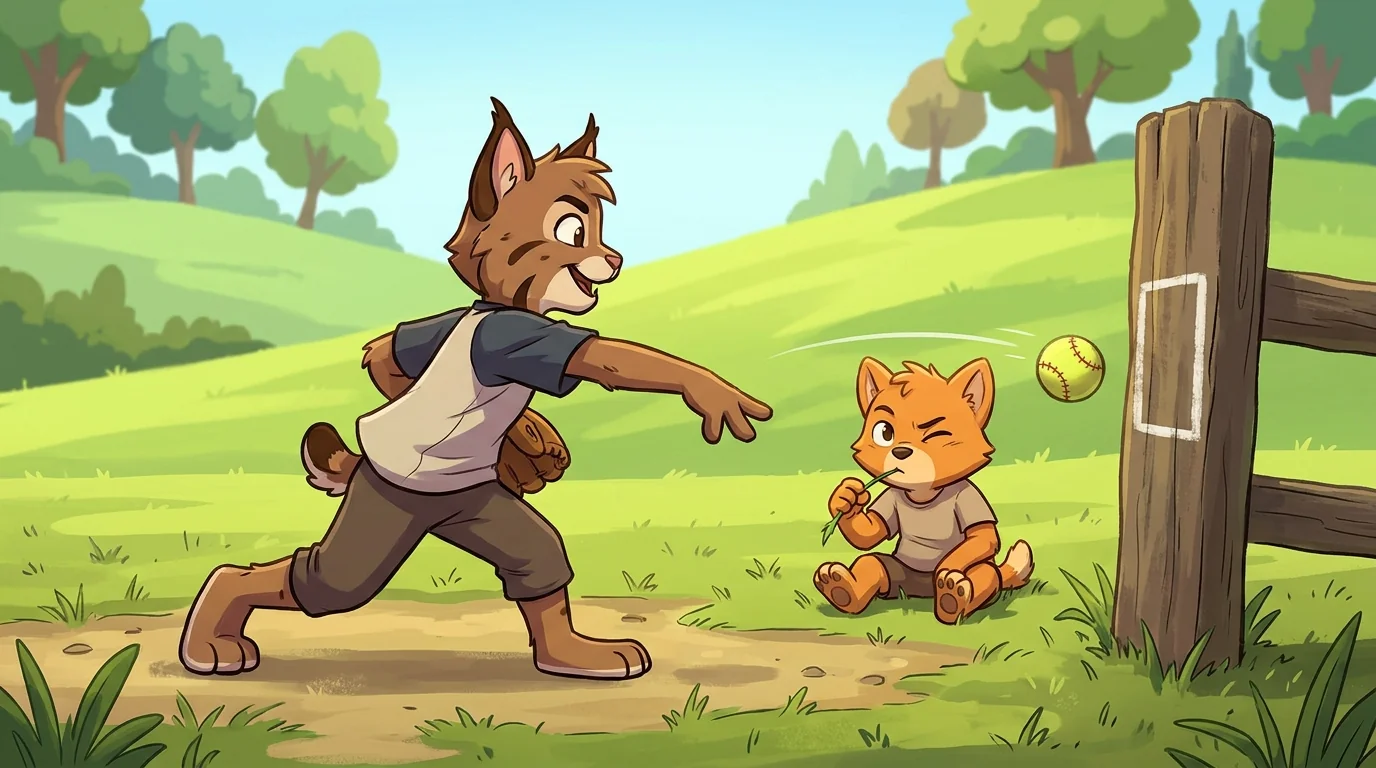
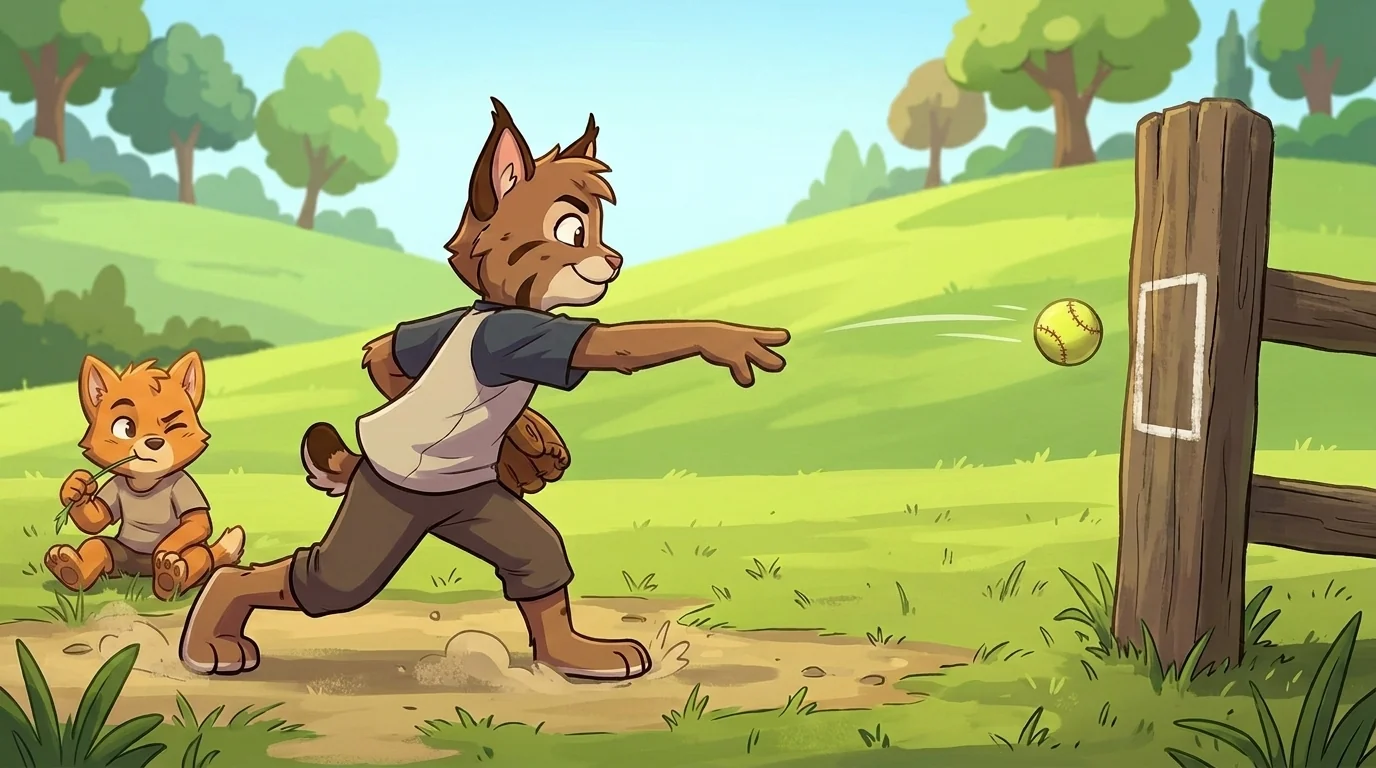
In the far corner of the ActiveForge field, a bobcat-tween named Throw stood sideways to an old fence post and let a softball fly.
They didn't wind up big. They didn't strain. Their left foot slid forward, their hips uncoiled like a corkscrew, their shoulder swung through, and the ball left their hand at eye level and sailed dead straight into the strike zone painted on the post. Thock. Then again. Thock. Same motion every time, loose and easy, their layered practice shirt barely shifting.
A younger kid watched from the grass, chewing a blade of it. "You must have a really good arm," they said.
Throw caught the last ball out of the air and shook their head. "It's not the arm. It's the shape." They stepped back to the line. "Watch my feet, not my hand."
The kid squinted. Foot forward. Hips turn. Shoulder through. Release. Follow. Foot forward. Hips turn. Shoulder through.
"You keep doing the same thing," the kid said.
"That's the whole trick," Throw said, grinning. "I'm not throwing hard. I'm throwing the same. My body isn't guessing anymore — it just remembers." They tossed the ball underhand to the kid. "Step-rotate-release. The body remembers what the mind teaches. Say it while you're doing it, and pretty soon you don't have to say it."
Throw hadn't always thrown straight. Once, they'd been the wobbliest kid on the field.
They remembered one afternoon so clearly it still made their ears warm. A ball had rolled to them during a game, and everyone had turned to watch them throw it back. Throw had reared up, flung it with everything they had — and it had gone almost sideways, plopping into the dirt three steps away. Somebody laughed. Throw's whole chest had gone tight and hot, and a small, heavy voice inside them had said: maybe I'm just not built for this.
Their auntie — a slow-moving, patient bobcat who coached the little kids — had crouched down next to them afterward. She didn't tell Throw to try harder. She just picked up the ball and turned it over in her paws.
"That felt bad, huh?" she said. "Like your body let you down."
Throw nodded, blinking fast.
"Here's the thing nobody tells you." She stood, planted her feet sideways, and threw the ball in a smooth, unhurried arc across the yard. "Your body didn't fail. It just doesn't know the shape yet. You were trying to make power come from your arm. Power doesn't live in the arm." She tapped Throw's foot with hers. "It starts down here and rolls up. Step, turn, throw. Small before big."
Throw tried it once. It wobbled — but less. And something loosened behind their ribs. The awful, sinking I-can't feeling had a different name now: not-yet. And not-yet was a thing you could practice.
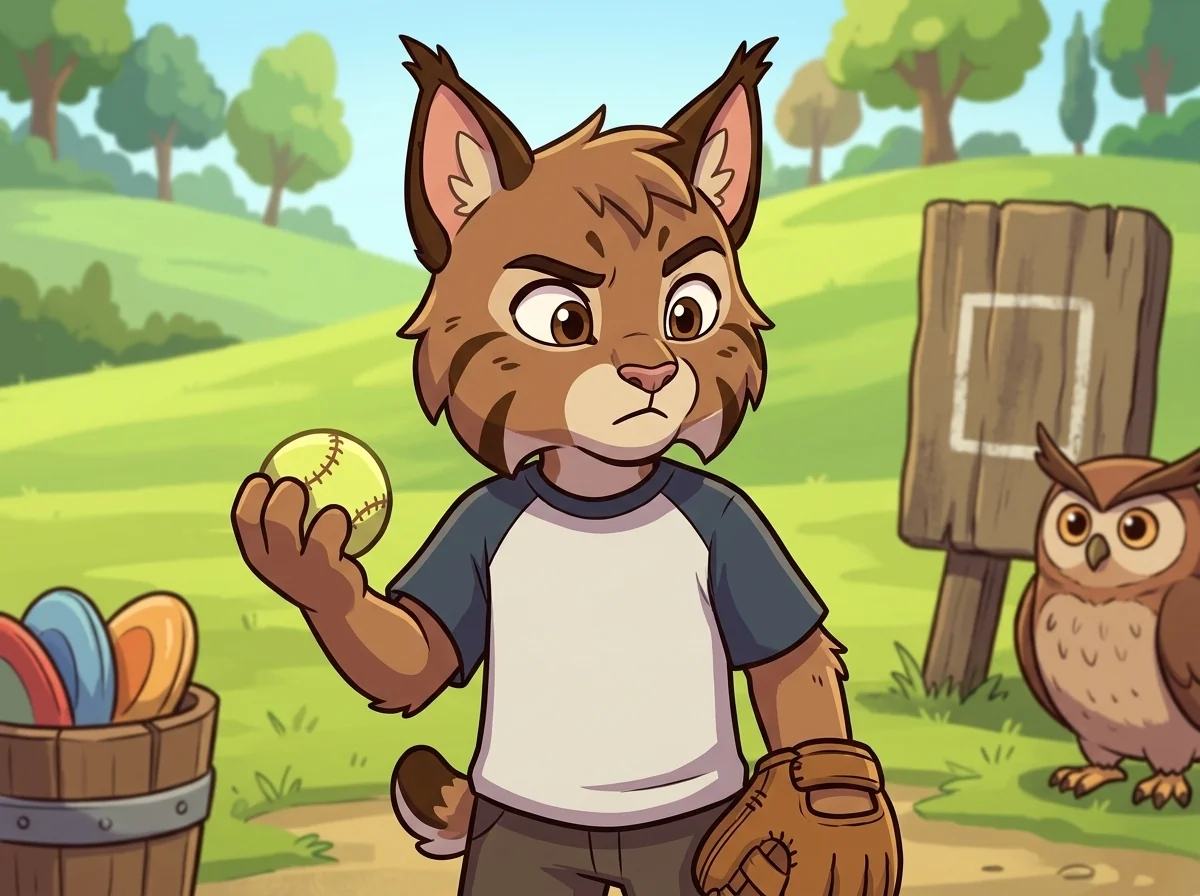
Throw came to ActiveForge because it was a place that believed bodies could learn — that no move was a locked door, only a shape you hadn't traced enough times.
Coach Echo met them at the field's edge, an old owl who watched more than they spoke. Echo didn't ask Throw to prove they had talent. They just set a bucket of frisbees down and pointed at a target twenty paces off.
"Hit it," Echo said.
Throw didn't rush. They stood sideways. They stepped, turned, threw. The first frisbee curved wide. The second, closer. By the fifth, they'd found the groove and it slapped the target flat.
"You missed four," Echo said, testing.
"I didn't miss four," Throw said. "I adjusted four times. Every throw told my body one true thing about the last one." They picked up another. "The miss isn't the enemy. The miss is the lesson."
Echo studied the little dents in the target for a long moment, then the calm way Throw reset their feet without a flinch. "You understand it," Echo said. "You belong on this field."
Throw's corner of the field filled up with kids who thought their bodies had already decided who they were.
One afternoon a rabbit-kid named Cheer stomped over, red in the ears. They'd been trying to throw a frisbee across the yard and it kept knifing sideways into the rose bush. "I can't throw," Cheer announced. "I just can't. My arm's wrong or something."
Throw knew that stomp. They'd felt it in the dirt years ago.
"Show me," Throw said.
Cheer reared back and hurled the frisbee with their whole body. It wobbled, spun flat, and dove into the roses again. Cheer's shoulders climbed up toward their ears.
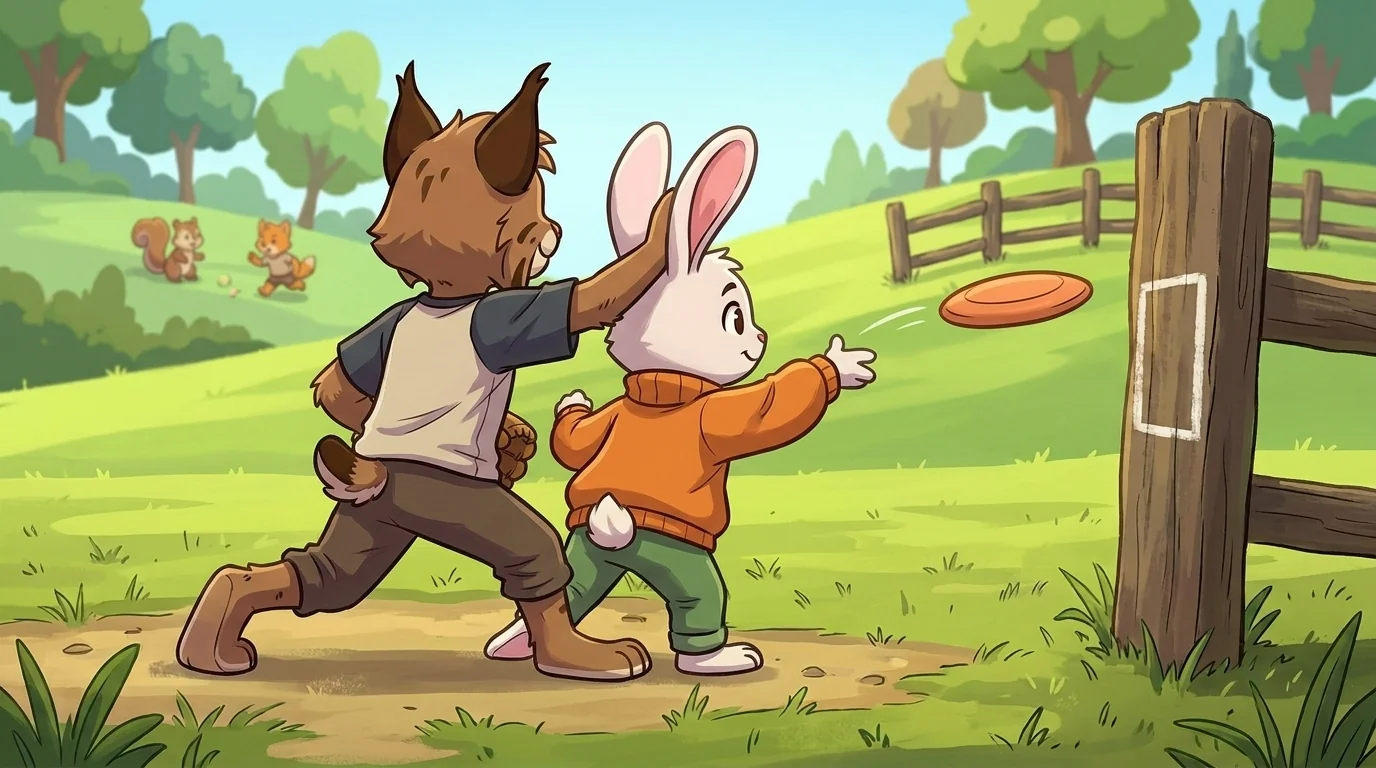
"Okay," Throw said gently. "Your arm's fine. Your feet never moved. You threw standing straight-on — so all the power had nowhere to come from except your arm, and one arm isn't much." They stood beside Cheer, sideways. "Copy my feet. Forget the frisbee for one throw. Just the feet."
Cheer turned sideways, unsure. Throw stepped forward slow-motion. Cheer stepped. Throw turned their hips. Cheer turned. Throw's shoulder came through; Cheer's followed.
"Now do that whole thing — and let the frisbee go somewhere in the middle."
Cheer stepped, twisted, threw. The frisbee wobbled — but it went straighter. It landed by the fence instead of the roses. Cheer froze. "It didn't dive."
"Because you gave it a shape to ride on," Throw said. "Again."
Wobble. Then less wobble. Then — whoosh — one flew clean and high and dropped near the fence post.
Cheer's jaw dropped. "I did it!"
"You always could," Throw said. "You just hadn't traced the shape enough times yet. There's no such thing as can't throw. Only haven't practiced."
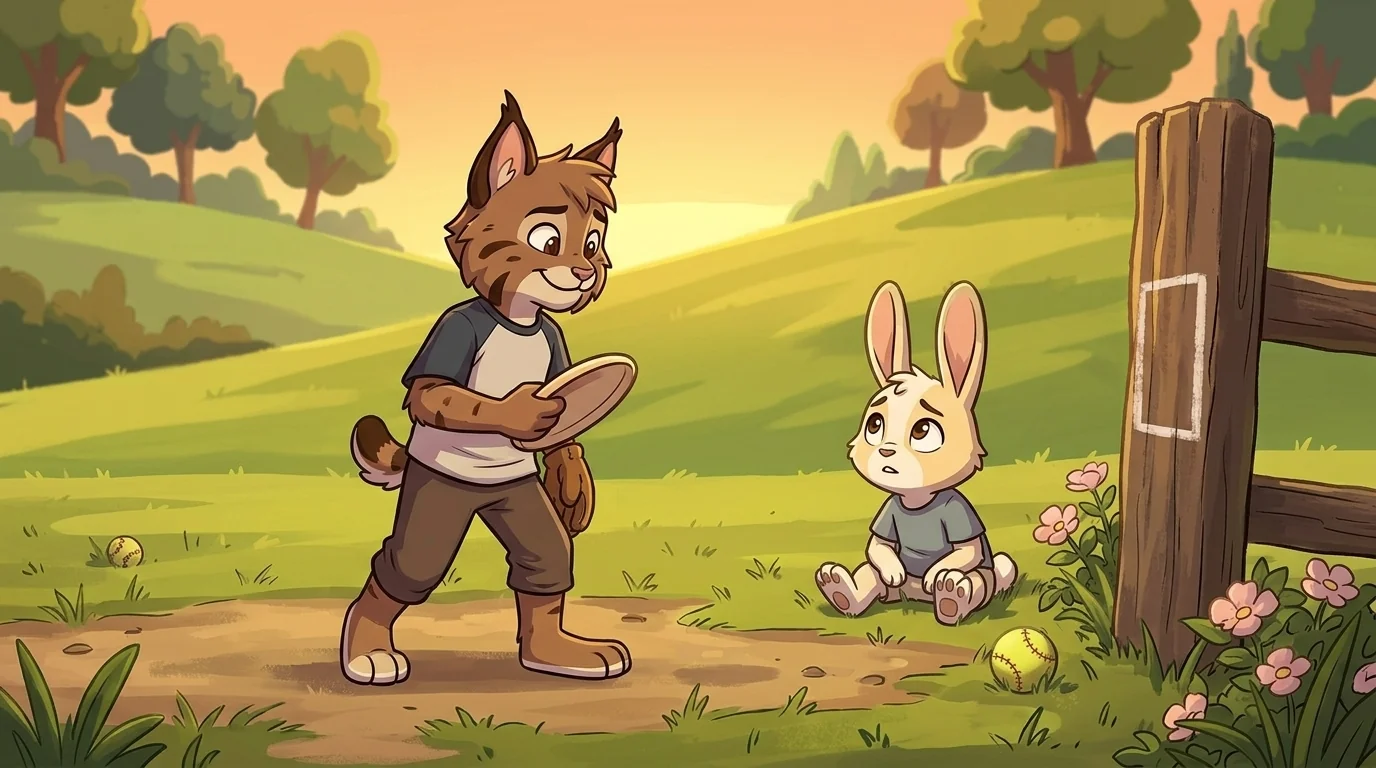
Later, when the field emptied and the light went gold, Cheer came back with one quieter question.
"But how did you know," they said, "that I could learn it? When I threw that first one into the roses, I looked bad. How'd you know that wasn't just... me?"
Throw thought about the dirt years ago, and the hot tight chest, and their auntie turning a ball over in her paws.
"Because I've felt exactly what you felt," Throw said. "That sinking, my-body-betrayed-me feeling — everybody gets it. It's not a verdict. It's just the moment right before you learn the shape." They picked up a frisbee and turned it slowly. "Nobody's born knowing this. My auntie didn't. I didn't. The good ones aren't gifted — they just wobbled in private a hundred more times than you've watched."
Cheer nodded slowly, and Throw watched the tightness lift out of the rabbit-kid's shoulders — the same way, years ago, it had lifted out of their own.
They didn't say the rest out loud, but they felt it, warm and steady all through their chest: the worst, most not-good-enough feeling is usually just the feeling of standing right at the edge of a thing your body is about to learn. And there was nothing in the whole world lighter than that.
Hear it as an audio drama
A short play starring Throw, from ActiveForge. Different voices, same idea. Listen any time after you read.
Loading audio…
Read the drama script
- Narrator: From Spark and Anvil and ActiveForge — this is Throw, in chapter 1 of the ActiveForge cast.
- Narrator: This drama uses an AI-generated voice. Voiced via Gemini 2.5.
- Narrator: Throw is a careful bobcat-tween in a chunky practice vest, always focused on the shape of a motion.
- Narrator: Warm sandstone with soft rust stripes, they are small, trainable, and deeply attentive to form.
- Throw: I am Throw. I teach overhand projection, the motor-craft of targeted force at a distance.
- Throw: The move is always the same shape. Step-rotate-release. The body remembers what the mind teaches.
- Throw: Talent is a story. You don't fix a throw by trying harder, you fix it by changing its shape.
- Narrator: One day, a friend's frisbee kept wobbling. "I can't throw," the friend sighed in frustration.
- Throw: You are not stepping with the opposite foot. Watch. Step, then rotate, then release.
- Narrator: The friend tried the new shape. The frisbee wobbled less. Three throws later, it glided perfectly.
- Narrator: The friend's mouth opened in surprise. "I can throw!"
- Throw: You always could. You just hadn't practiced the shape yet.
- Narrator: A nearby coach watched and smiled. The lesson wasn't about talent, it was about learning a shape.
- Throw: There is no such thing as "can't-throw." There is only "haven't-practiced-the-shape-yet."
- Narrator: A learnable shape. Not a talent. That's what makes Throw, Throw.
- Narrator: You've been listening to a Spark and Anvil chapter, written by the Spark and Anvil writing team for ages 9 to 14.
- Narrator: Apps stay free forever.
- Narrator: Curriculum aligned to SHAPE America physical education standards.
- Narrator: Released under Creative Commons BY-NC-SA 4.0 for educational reuse. Visit Spark and Anvil for the full transcript.
The ActiveForge ensemble
Throw is one of the friends in ActiveForge. Each friend shows you one idea by how they act; meet them all and you have the whole subject.
-
Kick
Lower-body projection — foot-language with five-different-parts-of-foot for different kicks
-
Dodge
Spatial-perception + agility — read-the-space-and-move-EARLIER not-faster; perception-game not speed-game
-
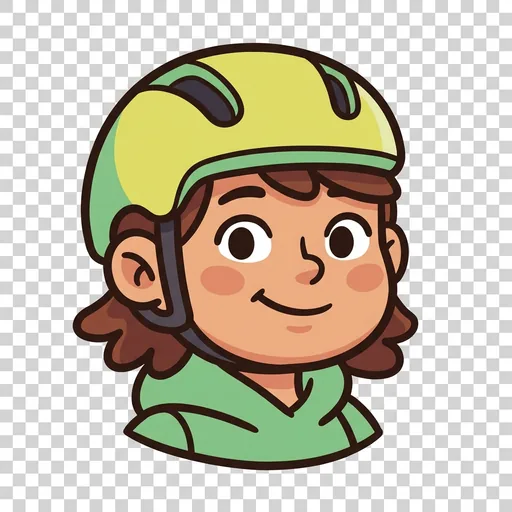
Roll
Tumbling + safe-fall + parkour-shoulder-roll — visible adaptive-PE helmet signals all-bodies-belong
-
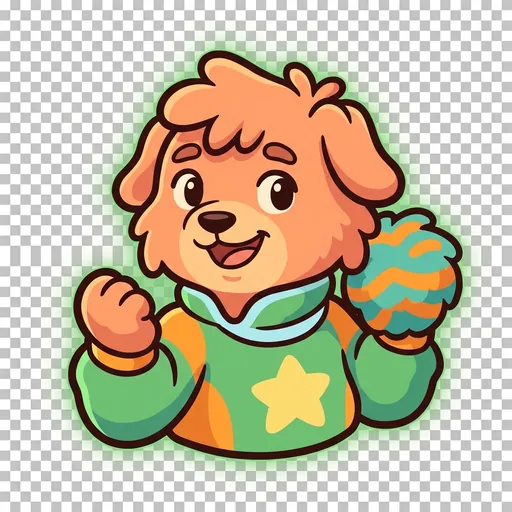
Cheer
Sportsmanship + bystander-presence-in-play — learnable-skill not personality-trait
-
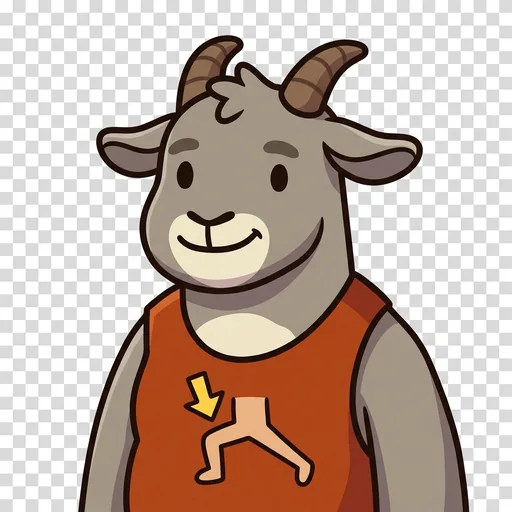
Lunge
Lunge — power lives low: sink the hips, load the back leg, then rise
-
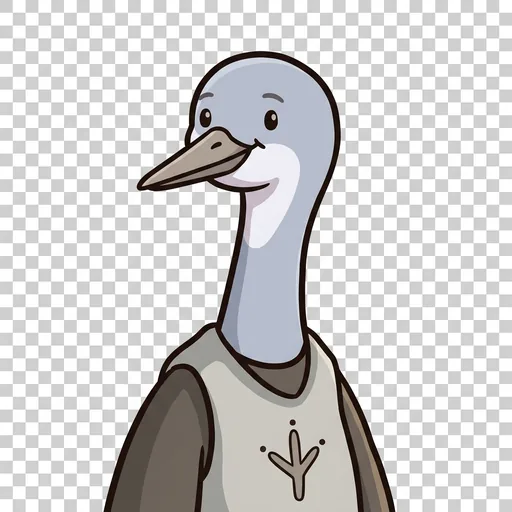
Poise
Poise — stillness is a move: find the base, then you can go anywhere
-
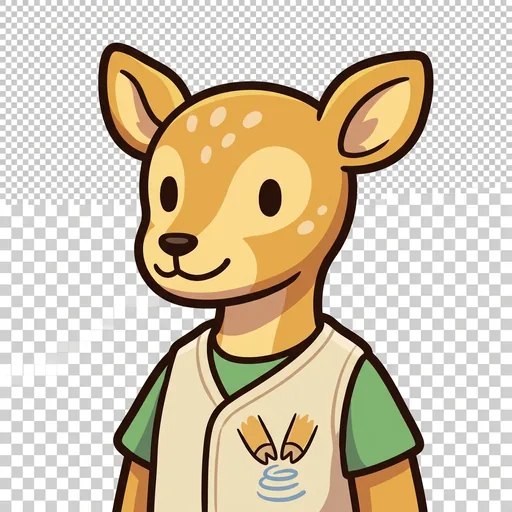
Prance
Prance — land light, spring high; heavy feet can't fly
-
Rally
Rally — the second wind is real: spend, recover, spend again
-
Swing
Swing — let the limb fall and rise like a rope; momentum is free power


