
Merle
unison — everyone singing the exact same note together, the shared starting point before harmony splits apart
Merle Gathers Everyone First
Merle, a bright-beaked blackbird, had the gift of gathering. Before the choir split into its soaring, weaving parts, Merle brought everyone onto one note together — the unison — so the whole flock started from the same place, breathing and sounding as one.
Unison means everyone singing the exact same note at the same time. It sounds simple, but it’s powerful: it’s the moment a scattered group becomes a single voice. It’s the shared ground the whole song launches from — like a team huddle before the whistle, or everyone taking a breath together before the plunge.
Merle knew that harmony works best when it begins from togetherness. So Merle would sound one clear note, wait for every bird to match it — the high ones, the low ones, the changing voices all landing on the same pitch — and only then let the parts fan out into descant and drone and anchor. Split-apart sounds richest when it starts from together.
And at the very end, after all the weaving, Merle would draw everyone back to unison for the final note — many voices collapsing into one, ringing clear. Unison is the sound of belonging: one voice made of many. Land together first, then let the parts bloom. That’s Merle — the note that makes a flock a choir.
The ChoirQuest ensemble
Merle is part of ChoirQuest's distributed-narrative cast. Each character embodies a different curricular primitive; together they teach the full subject.
-

Thrush
the Melody — carries the main tune everyone knows
-

Nightingale
the Descant — the high line that soars above the tune
-

Starling
the Cambiata — the flexible line that shifts as it grows (the changing voice, framed positively)
-

Rook
the Anchor — the low ground the whole chord stands on
-

Reed
the Drone — holds one long steady note under everything
-

Cuckoo
the Canon — enters after the others with the same tune
-

Tierce
the Harmony — sings a third above the tune, the sweetest blend
-
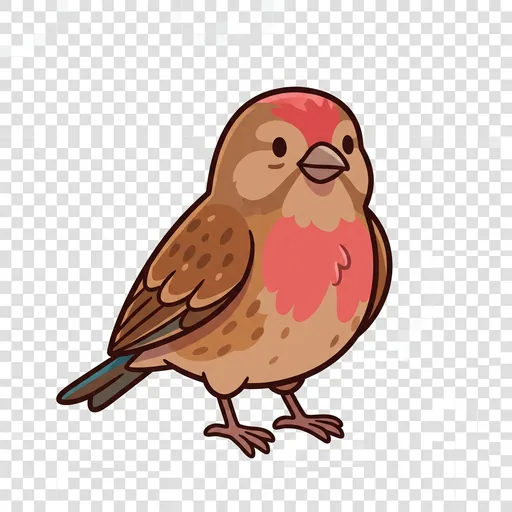
Linnet
the Breath — shows where to breathe so a line never breaks
-

Cantor
(Conductor) gives the entry cue and the cut-off, and keeps everyone together