
Rook
the bass line — the low, steady foundation note the rest of the harmony is built on top of
Rook Holds the Ground
Rook was a glossy black bird with a deep, calm voice, and Rook sang the anchor — the low bass line, the ground the whole chord stands on. While others soared and decorated up high, Rook stayed low and steady, holding the floor beneath everyone’s feet.
Every chord is built from the bottom up. The bass note Rook sings is the foundation — it tells your ear what the chord even is, and gives the higher voices something solid to rest on. Take the bass away and the harmony feels like a house with no floor: floating, unsure, wobbly. Keep it steady, and everything above it feels secure.
Rook never needed to be loud or fancy. The anchor’s whole strength is steadiness — a calm, low, sure note held right where it belongs, so the whole choir can trust it and build on it. When a high line wandered or a harmony got shaky, singers could always drop their ear down to Rook and find their footing again.
At the big final chord, all the bright lines above only sounded so grand because Rook was down there holding the ground so surely. The bass is the floor of the music — calm, low, and completely essential. Hold your note steady, be the ground others stand on, and the whole song stands tall. That’s Rook.
The ChoirQuest ensemble
Rook is part of ChoirQuest's distributed-narrative cast. Each character embodies a different curricular primitive; together they teach the full subject.
-

Thrush
the Melody — carries the main tune everyone knows
-

Nightingale
the Descant — the high line that soars above the tune
-

Starling
the Cambiata — the flexible line that shifts as it grows (the changing voice, framed positively)
-

Reed
the Drone — holds one long steady note under everything
-

Cuckoo
the Canon — enters after the others with the same tune
-

Tierce
the Harmony — sings a third above the tune, the sweetest blend
-

Merle
the Unison — starts everyone together on one note before the parts split
-
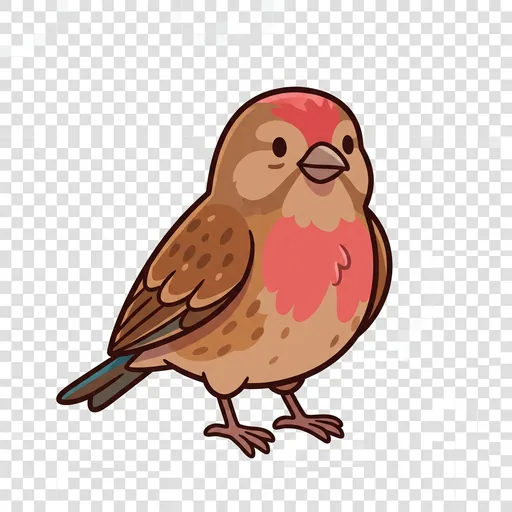
Linnet
the Breath — shows where to breathe so a line never breaks
-

Cantor
(Conductor) gives the entry cue and the cut-off, and keeps everyone together