
Nightingale
the descant — a separate higher line that floats above the melody, decorating it without replacing it
Nightingale Soars Above
Nightingale sang the descant — the shimmering high line that floats above the melody. While Thrush carried the tune everyone knew, Nightingale rose over the top with a different line entirely, catching the light like a bird circling higher than the rest.
A descant isn’t just “singing the melody but higher.” It’s its own line, woven to fit above the tune — soaring where the melody rests, holding where the melody moves, decorating the whole song from up high. When it’s done well, the melody still shines underneath, and the descant sparkles over it like frost on a window.
Singing a descant takes a little courage. You’re up there on your own line, not doubling anyone, so you have to trust your part even when it sounds different from the tune in everyone’s head. Nightingale learned to hold steady, listening down to Thrush for the anchor, but singing her own bright path above it.
When the whole chorus rose for the final verse, Nightingale’s descant lifted over the top and the whole song seemed to open like a sky. A descant is the sparkle above the tune — its own brave, bright line. Trust your line, listen to the melody below, and soar. That’s Nightingale.
The ChoirQuest ensemble
Nightingale is part of ChoirQuest's distributed-narrative cast. Each character embodies a different curricular primitive; together they teach the full subject.
-

Thrush
the Melody — carries the main tune everyone knows
-

Starling
the Cambiata — the flexible line that shifts as it grows (the changing voice, framed positively)
-

Rook
the Anchor — the low ground the whole chord stands on
-

Reed
the Drone — holds one long steady note under everything
-

Cuckoo
the Canon — enters after the others with the same tune
-

Tierce
the Harmony — sings a third above the tune, the sweetest blend
-

Merle
the Unison — starts everyone together on one note before the parts split
-
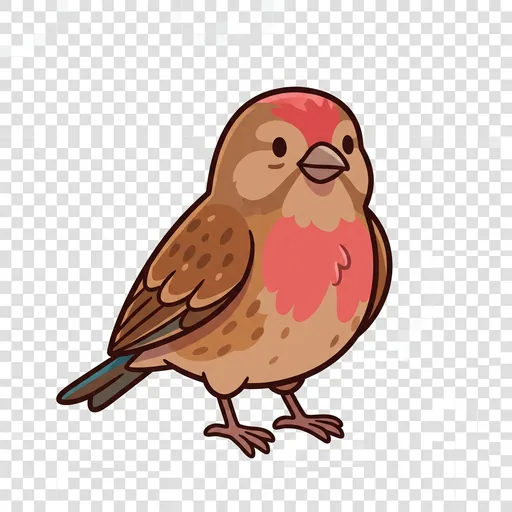
Linnet
the Breath — shows where to breathe so a line never breaks
-

Cantor
(Conductor) gives the entry cue and the cut-off, and keeps everyone together