
Starling
the changing voice — a growing voice shifts into a new, flexible range; it's a sign of strength, not a problem
Starling and the Changing Voice
Starling had an iridescent coat that shimmered green one moment and purple the next, always shifting — and Starling’s voice was the same: it had begun to change, sliding into new places, sometimes bright, sometimes suddenly deeper. In the choir, Starling sang the cambiata — the flexible line for a voice that’s growing.
Here’s the truth the whole dawn chorus knew, and said out loud so no one would worry: a changing voice is a voice getting stronger. It isn’t breaking. It isn’t wrong. It’s doing exactly what a growing voice is supposed to do — finding new, richer places to sing. Some days it’s steady; some days it cracks or wobbles on the way to a note, and that’s completely normal.
So the choir never asked Starling to force a note that had drifted out of reach today. Instead, they had a line made for a shifting voice — the cambiata — that sat comfortably wherever Starling’s range happened to be that week. As the voice grew, the line grew with it. Starling was never left out and never pushed; the music simply met Starling exactly where Starling was.
And that’s how it should be for every changing voice: not “sing higher” or “sing lower,” but “here’s a line that fits you today.” A changing voice is a growing voice. Sing where you’re comfy, let it shift, and the choir grows right along with you. That’s Starling — flexible, strong, and always welcome.
The ChoirQuest ensemble
Starling is part of ChoirQuest's distributed-narrative cast. Each character embodies a different curricular primitive; together they teach the full subject.
-

Thrush
the Melody — carries the main tune everyone knows
-

Nightingale
the Descant — the high line that soars above the tune
-

Rook
the Anchor — the low ground the whole chord stands on
-

Reed
the Drone — holds one long steady note under everything
-

Cuckoo
the Canon — enters after the others with the same tune
-

Tierce
the Harmony — sings a third above the tune, the sweetest blend
-

Merle
the Unison — starts everyone together on one note before the parts split
-
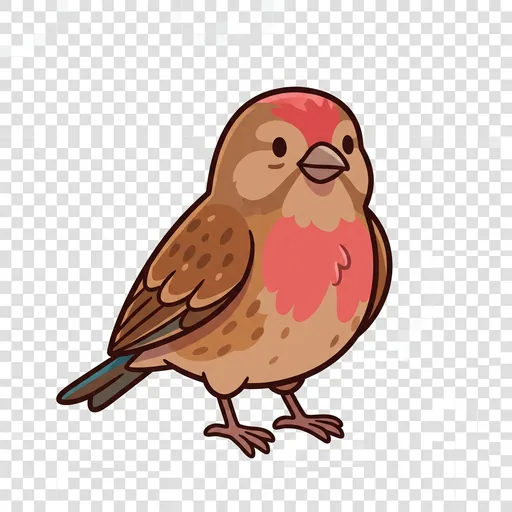
Linnet
the Breath — shows where to breathe so a line never breaks
-

Cantor
(Conductor) gives the entry cue and the cut-off, and keeps everyone together