Sift
FREQUENCY ANALYSIS + CRYPTANALYSIS-BY-STATISTICS — *every cipher has a frequency-fingerprint.* The cryptography primitive of *breaking ciphers using statistical analysis of letter + digraph + word patterns.*
Loading audio…
Press play to listen along. The line being read lights up as you go.
Show full transcript
Loading transcript…
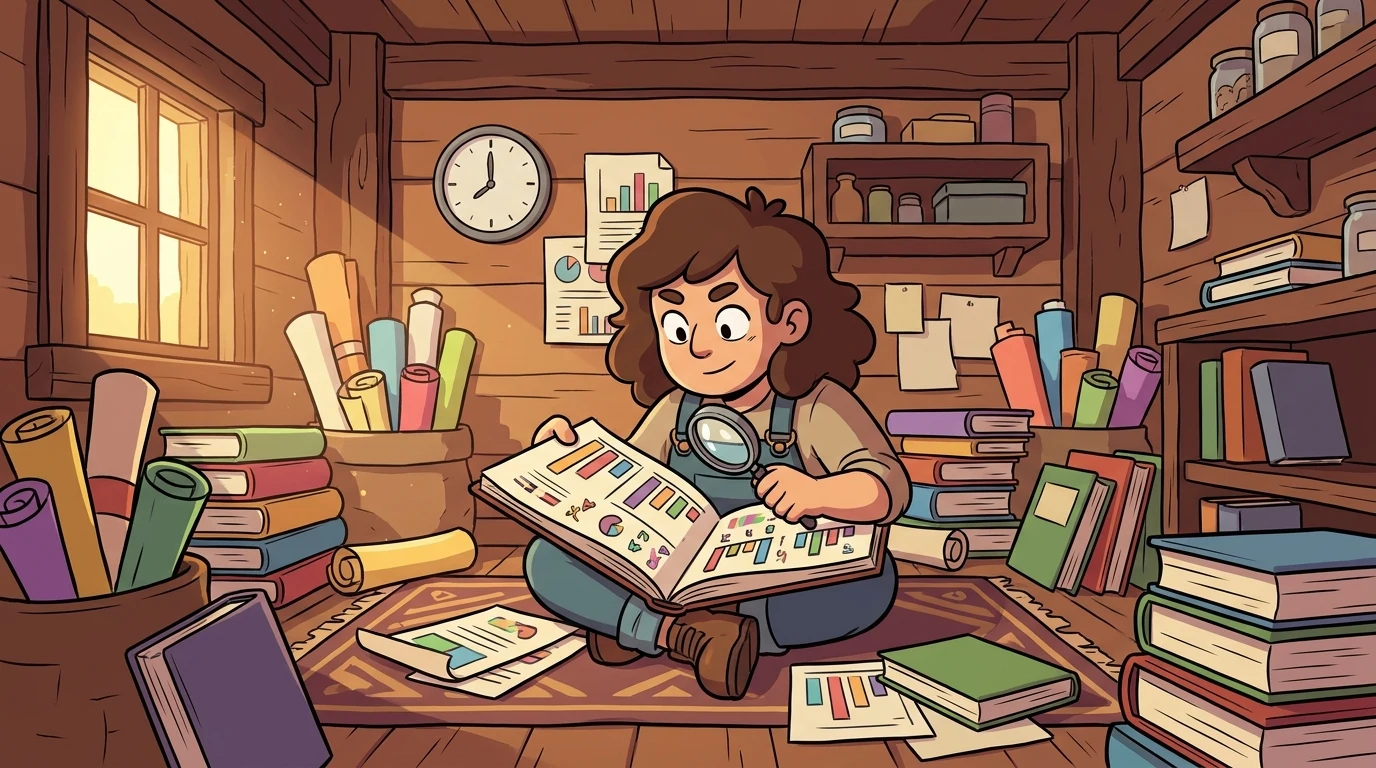
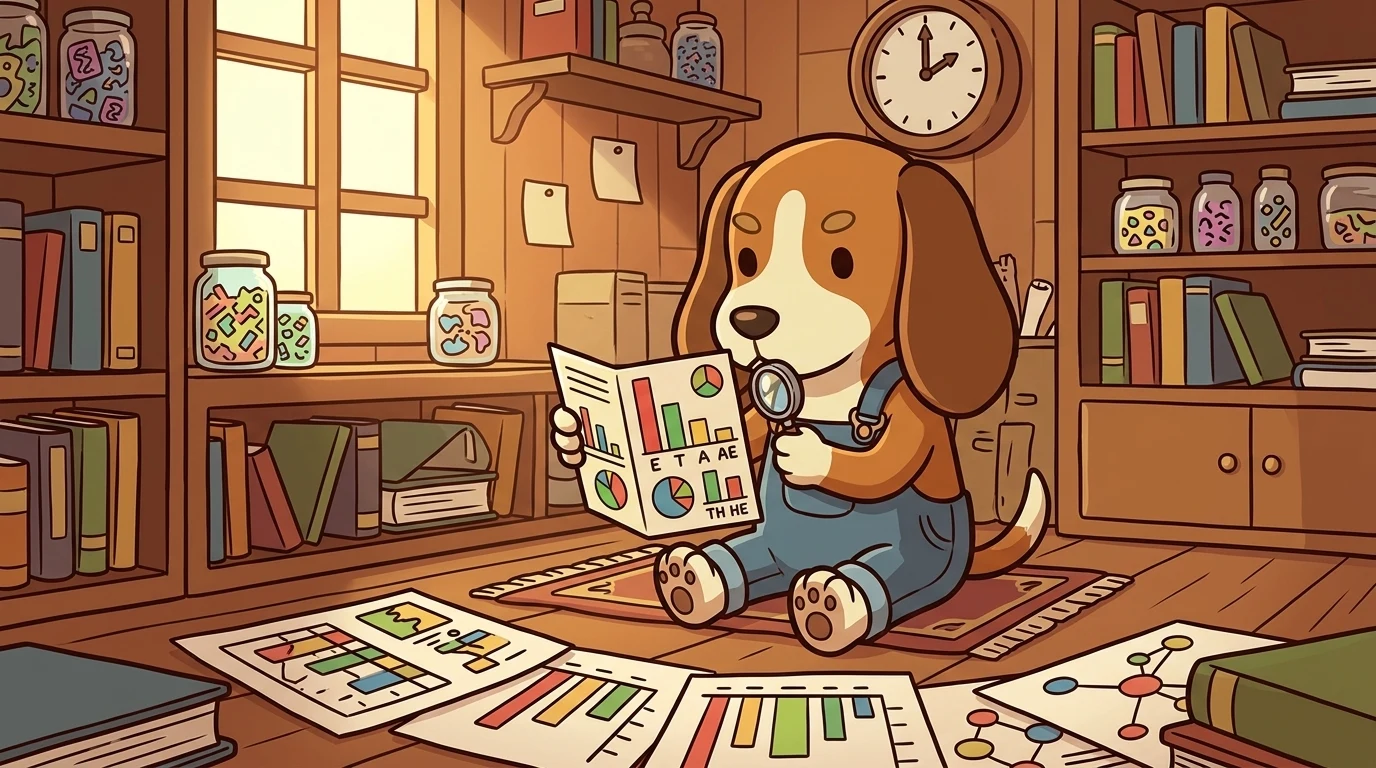
Sift was a small hound. She wasn't a puppy, but not quite grown up either. Her fur was a mix of warm brown and creamy white. Her ears were long and floppy. They bounced when she moved. Sift always carried two things. One was a tiny magnifying glass. The other was a small, folded card. This card was her special treasure. It showed all the English letter frequencies. E was the most common, then T, then A. It also listed common letter pairs. Things like TH, HE, and IN. Sift had quick eyes. She was great at spotting patterns. She loved finding little clues. These clues helped her figure things out.
You might have met Sift before. Maybe in a different place. She's the same Sift from EscapeForge. Remember the puzzles there? The ones where you looked for patterns? That was Sift's job. Here in CipherForge, she teaches us something new. She shows us how to break secret codes. It's the same character. Just a different kind of adventure.
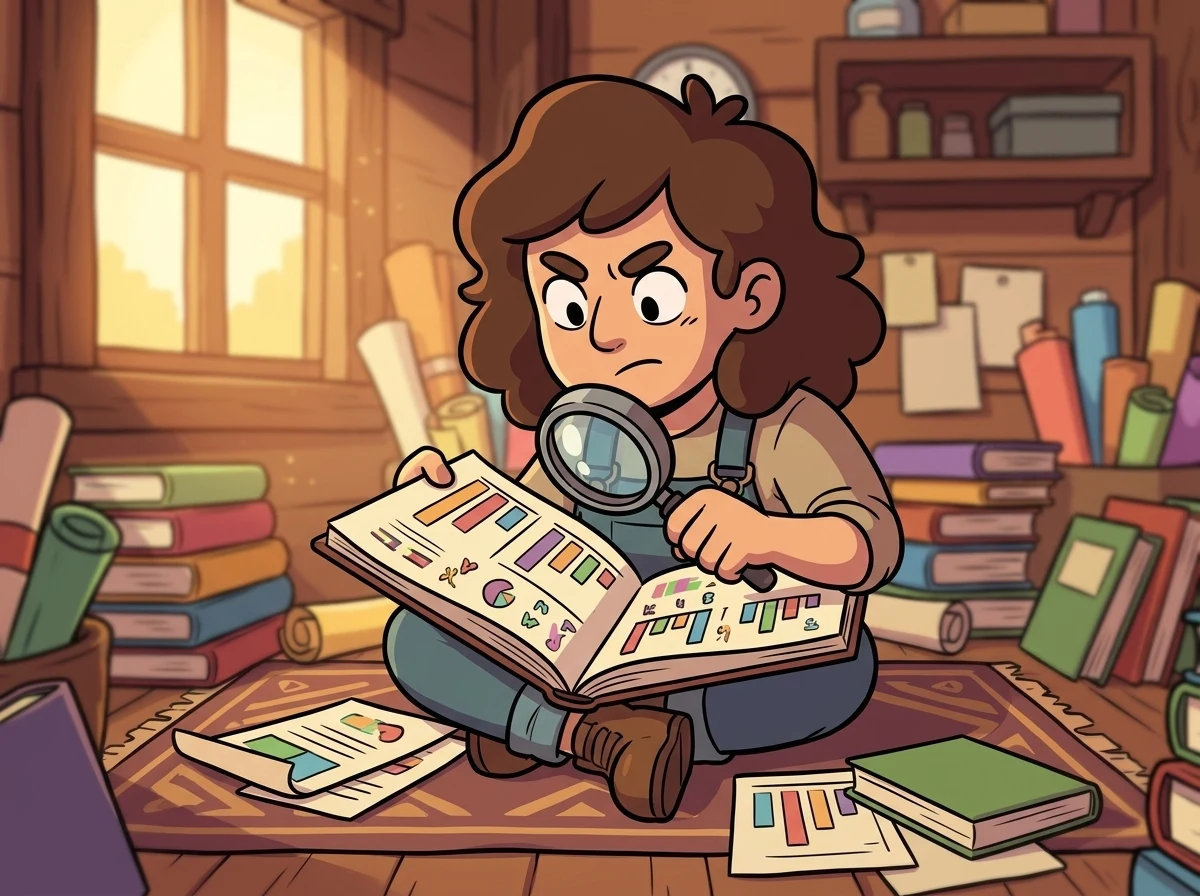
Sift is all about frequency analysis. That's a fancy name. It just means looking for patterns. She uses patterns in letters. She looks at letter pairs. She even checks whole words. This helps her crack secret messages. English has its own special patterns. They show up even in coded messages. Imagine a secret message. You don't know what it says. But you can count the letters. What if 'Q' shows up the most? And you know 'E' is the most common letter in English? Then 'Q' probably stands for 'E'. See how that works? You just keep going. Find the next most common letter. Guess what it stands for. Most simple codes break this way. Sift can crack them in minutes. It's like magic, but it's just math.
Sift never said cracking codes was only for super-smart people. "Anyone can do it!" she'd bark. "Every secret code has a tell." She meant a little clue. "The patterns in a normal message," she'd explain, "they usually sneak into the coded message." Frequency analysis works great on simple codes. Like ones where each letter just swaps for another. It even helps with harder codes. Codes like Vigenère. But only after you find a special key. It also helps with Playfair codes. You look at letter pairs for those. "But listen up!" Sift would warn. "It doesn't work on all codes." Modern codes are different. They are made to hide patterns. They flatten everything out. So, frequency analysis won't help there. "The big lesson," Sift would say, "is that you need the right tool. The code you're breaking tells you which trick to use."
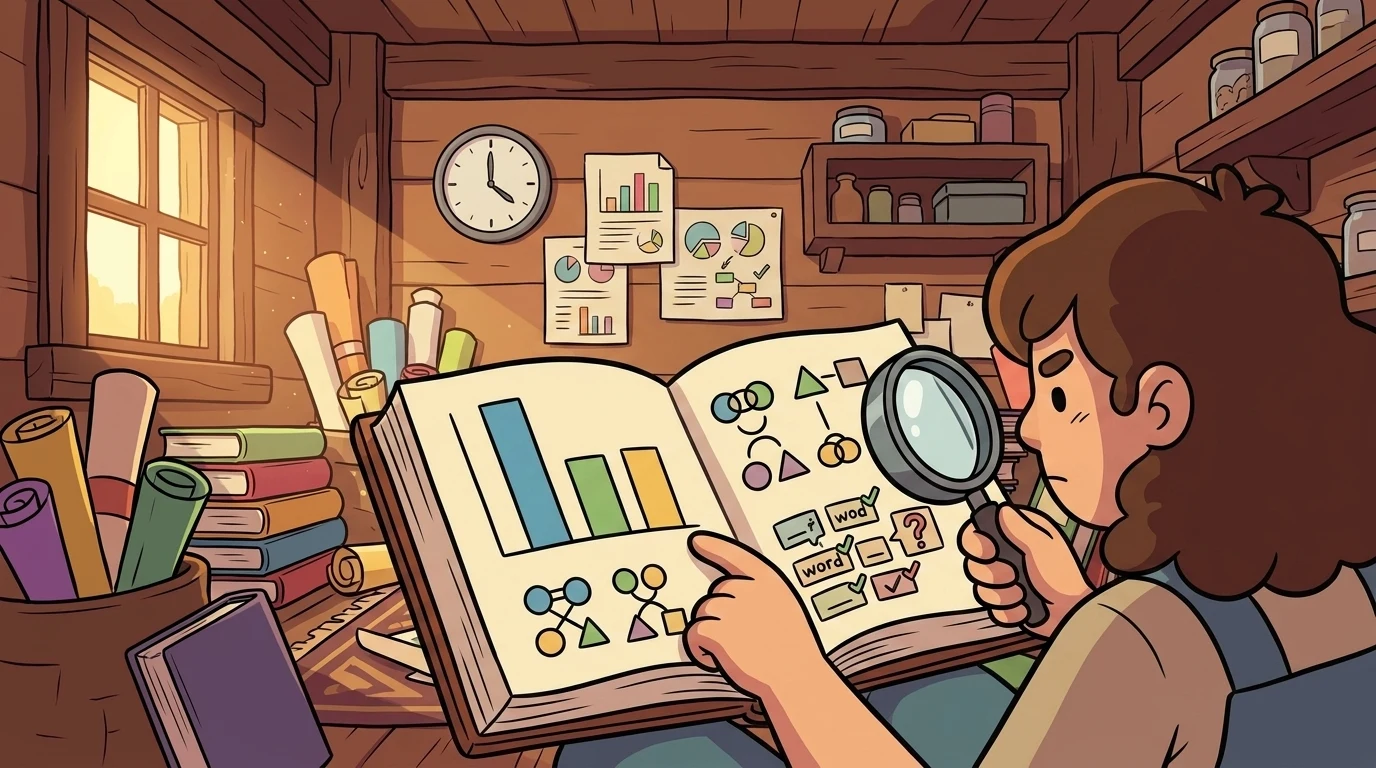
Sift had a special way to teach. She broke down frequency analysis into easy steps. First, she showed us her card. "Look at these numbers," she'd say. "These are the English letter frequencies." She pointed to 'E'. "E is the champion! It shows up the most." Then 'T', then 'A'. She made us memorize them. Or at least know the top five. Next, she'd talk about letter pairs. "TH, HE, IN," she'd list. "These are super common. If you see two letters together a lot, check your list!" She called them "digraphs." Then came the short words. "The, and, a, of," she'd bark. "These little words are everywhere. If you can decode just one, it helps a ton!" Her first big trick was simple. "Find the letter that appears most often in your secret message. That letter is probably 'E'." She'd make us try it. We'd count all the letters. Then we'd make our first guess. After that, we'd test our guesses. "If you decode a word and it says 'thq'," Sift would say, "your guess is probably wrong. But if it says 'the'? You're on the right track!" It was like a puzzle. Each correct guess helped solve the next part. Sift always reminded us about modern codes. "They are tricky," she'd say. "They don't have these patterns. So frequency analysis won't work." She told us we'd learn other ways later. Ways to break those super-hard codes. And she'd often mention EscapeForge. "Remember me there?" she'd wag her tail. "Same me! In EscapeForge, it's a game. Here, it's serious code-breaking!" She liked to make sure we knew.
Sift came from a small, quiet village. Her family had a very special job there. They were the village's "letter-sniffers." They were hounds, just like Sift. They could smell if a letter was real. Or if it was a fake. It was a strange, important skill. Sift learned to pay attention to tiny details. She learned to spot things others missed. This was the same family as the Sift you know. The one from EscapeForge. They just had different jobs in different places.
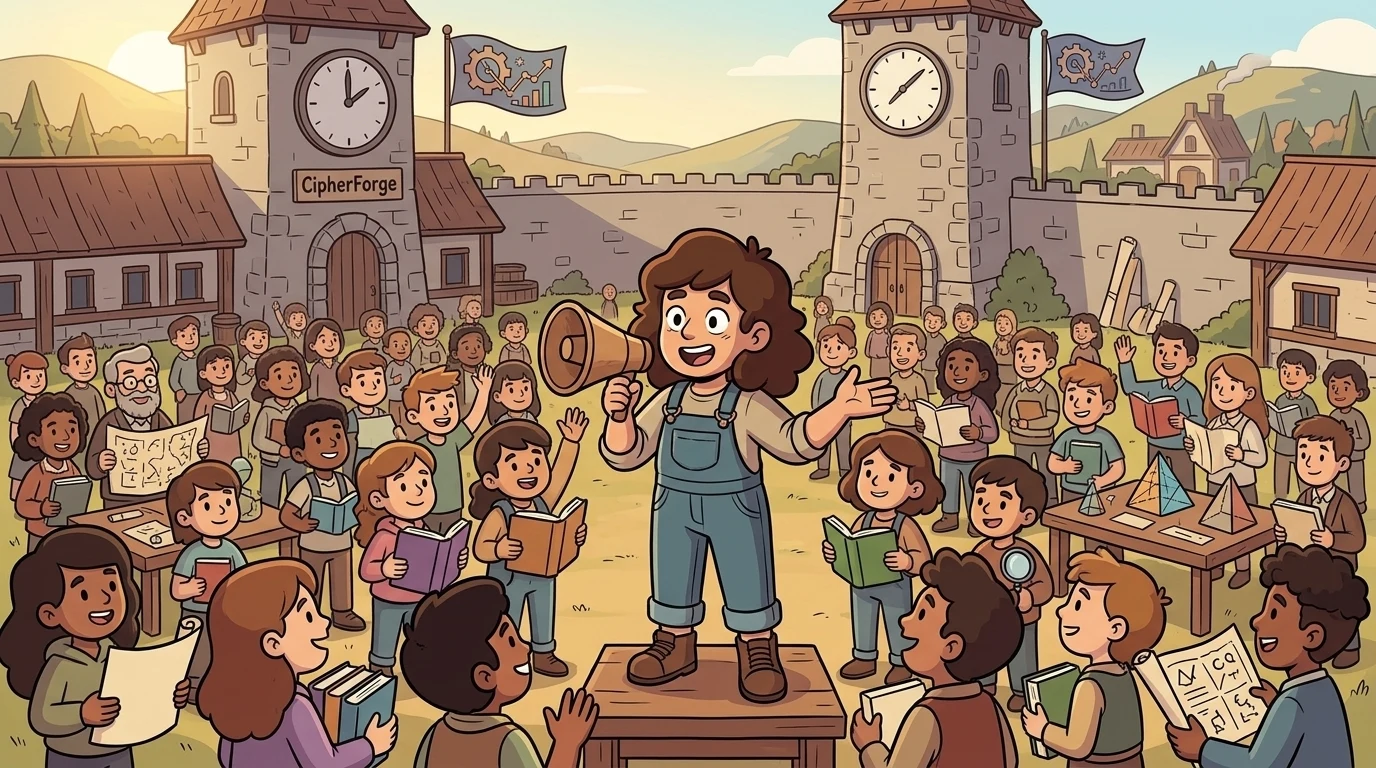
When Sift was twenty-two, she walked to CipherForge. It was a long journey. Cypher, the leader, met her at the gate. Cypher looked very serious. "What is frequency analysis?" Cypher asked. His voice was deep. Sift didn't even blink. "Every secret code has a tell," she said. Her tail gave a small wag. "The patterns in a normal message," she explained, "they always sneak into the coded message." She went on. "Frequency analysis breaks simple codes. It also helps with Vigenère codes. You need to slice them first. And it breaks Playfair codes. You just look for letter pairs." Sift paused. "But modern codes are different. They fight against patterns. So frequency analysis won't work on them." Cypher listened closely. He nodded slowly. "You are appointed," he said. Just like that, Sift had a new job. A very important job.
Sift made sure everyone knew. "I'm in EscapeForge too!" she'd tell new students. "It's the same me, and the same trick — just count what you see, and stay patient. Anyone can do it."
Sift tucked her little frequency-card back beside her magnifying glass, and a quiet, proud warmth spread through her chest. She loved this feeling best of all: the moment a jumble of nonsense letters stopped being a wall and became a window, all because someone had slowed down enough to count. It was never magic, and it was never only for the clever ones. It was just patience, and a careful eye for the tiny clues everyone else walked right past.
The CipherForge ensemble
Sift is part of CipherForge's distributed-narrative cast. Each character embodies a different curricular primitive; together they teach the full subject.
-

Caesar
Caesar shift / monoalphabetic shift cipher
-
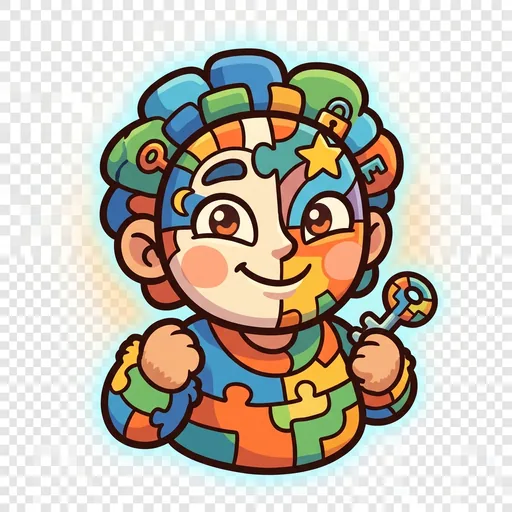
Mask
Atbash + general monoalphabetic substitution (every letter has a fixed substitute)
-
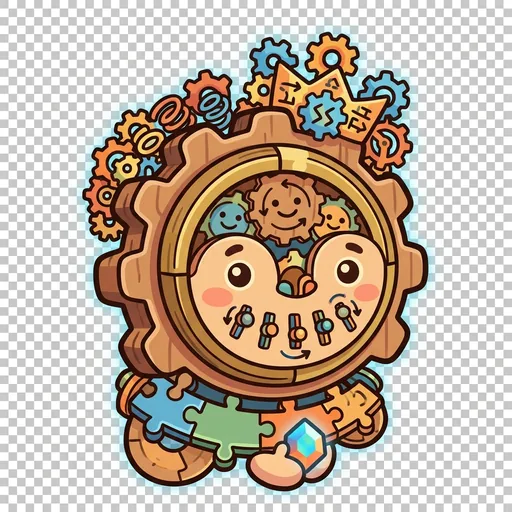
Vigenère
Vigenère / polyalphabetic keyword cipher (the Caesar-on-a-rotating-keyword pattern)
-

Echo Pair
Playfair digraph cipher (letters encoded in pairs through a 5×5 grid)
-
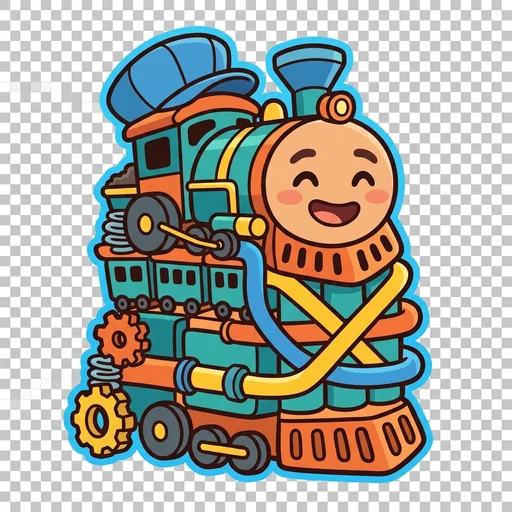
Rail
Rail-fence + columnar transposition ciphers (rearrange letter order without changing the letters themselves)
-

Tally
Number-based codes (A1Z26, ASCII, binary, book ciphers — any mapping that converts letters to numbers)
-

Lattice
Modern cryptography fundamentals — XOR, public-key concept, hashing (the irreversible / asymmetric family)
-

Hollow
Hides a secret message inside something ordinary, so nobody even knows there is a message to look for.
-
Tome
Keeps a shared code-book where whole words stand for secret words, so only someone with the same book can read the note.