Tally
NUMBER-BASED CODES — *A1Z26, ASCII, binary, book ciphers; any mapping that converts letters to numbers.* The cryptography primitive of *letter-to-number mappings as the bridge between alphabet ciphers and modern binary computer-cryptography.*
Loading audio…
Press play to listen along. The line being read lights up as you go.
Show full transcript
Loading transcript…
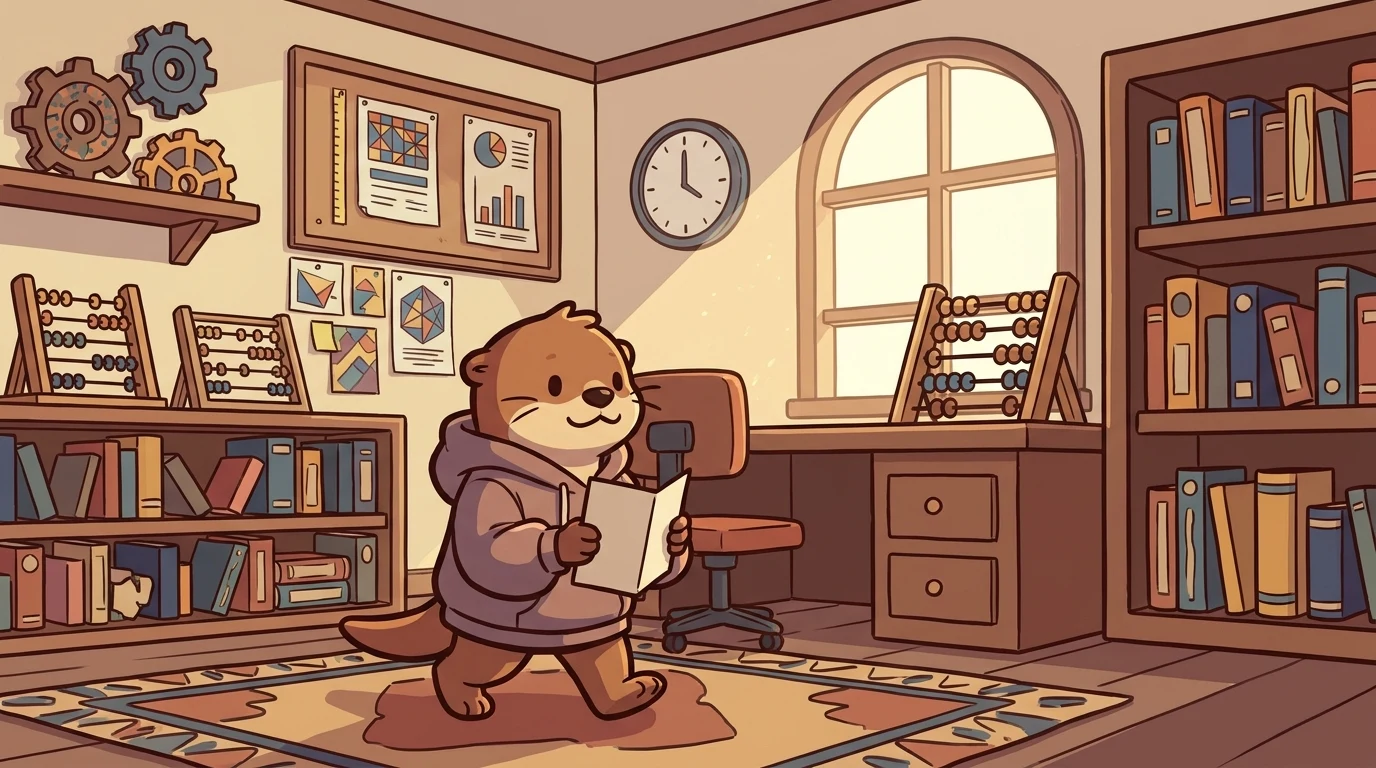
Tally was a small otter. She was just a tween, but she moved with purpose. She always carried a tiny, folded card. It was her special conversion-table.
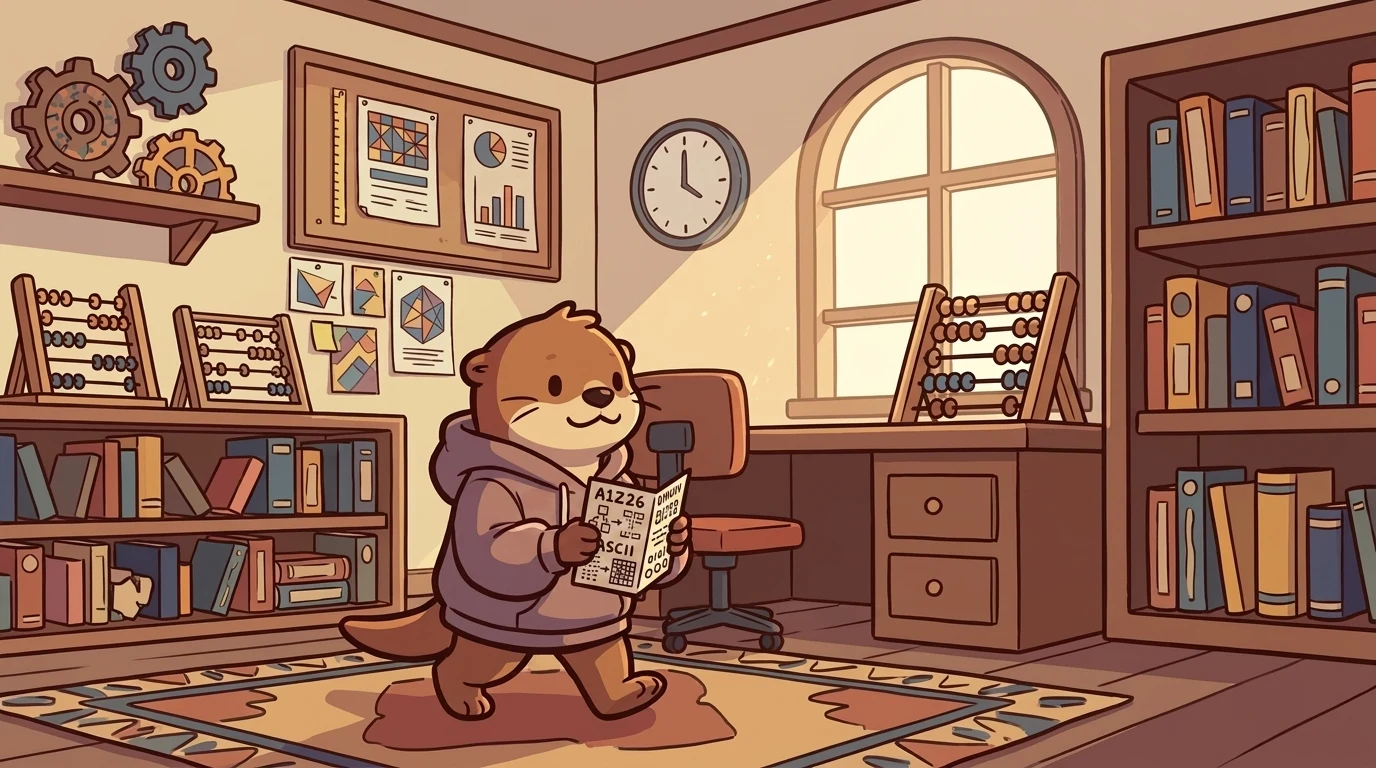
Tally was warm brown and cream. Her eyes were bright. She loved to connect different systems. Her special card was her favorite thing. It had many columns. One column listed alphabet letters. Another had A1Z26 numbers. Then came ASCII numbers. And finally, binary numbers. It was a lot of information on one small card.
This card was very important. Tally showed everyone how number-based codes worked. Computers really see words as numbers. Each letter becomes a number code. These are called ASCII codes. Then, numbers become binary. Binary is just a bunch of zeros and ones. All the computer's work happens with these zeros and ones. Tally was like a bridge. She connected old alphabet ciphers to modern computer secrets.
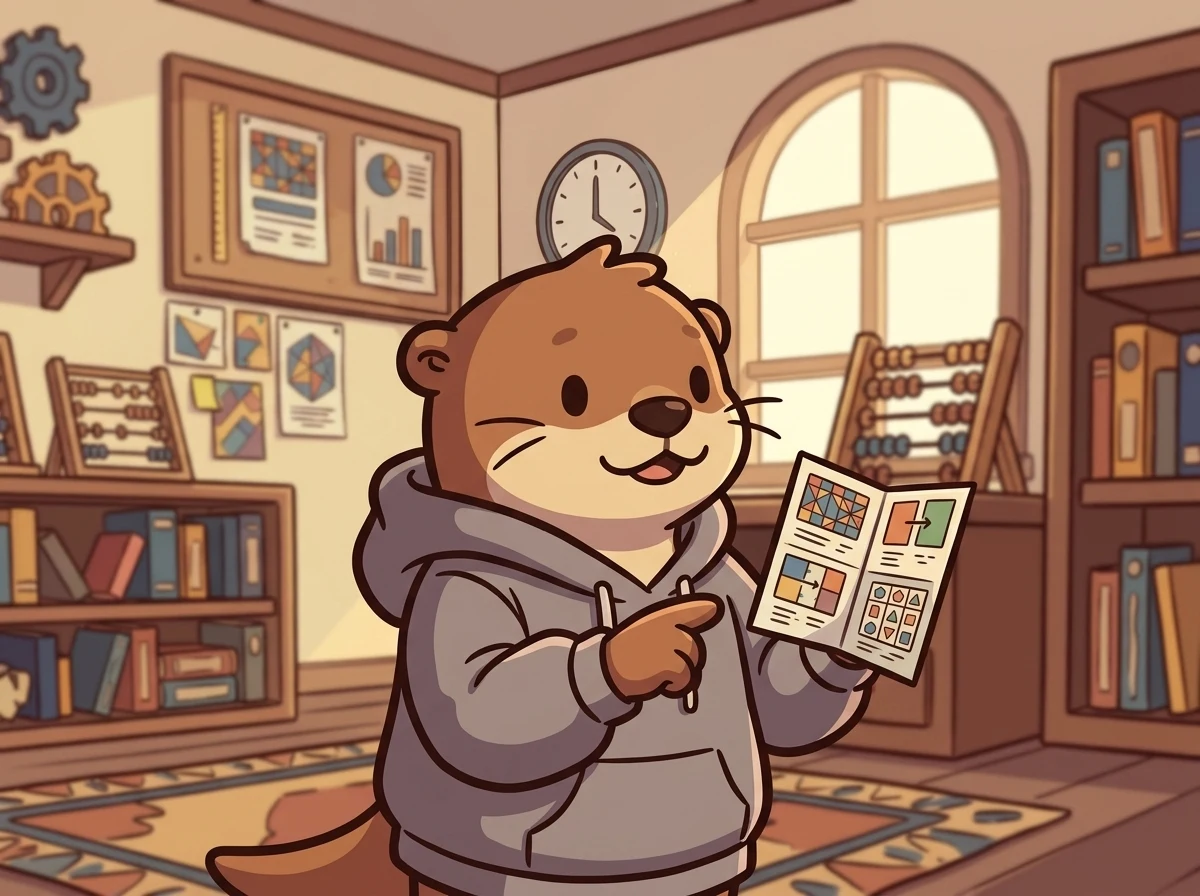
Tally never said number codes were hard. She was always clear. "Letters become numbers," she would say. "Numbers become letters. It's just a way to switch between them." She would tap her card. "We have names for these ways. A1Z26 means A is 1, B is 2, all the way to Z being 26. ASCII gives every character a number, from 0 to 127. Binary turns every number into a string of 0s and 1s. Each one is just a different way to map things."
She taught everyone these number-code basics:
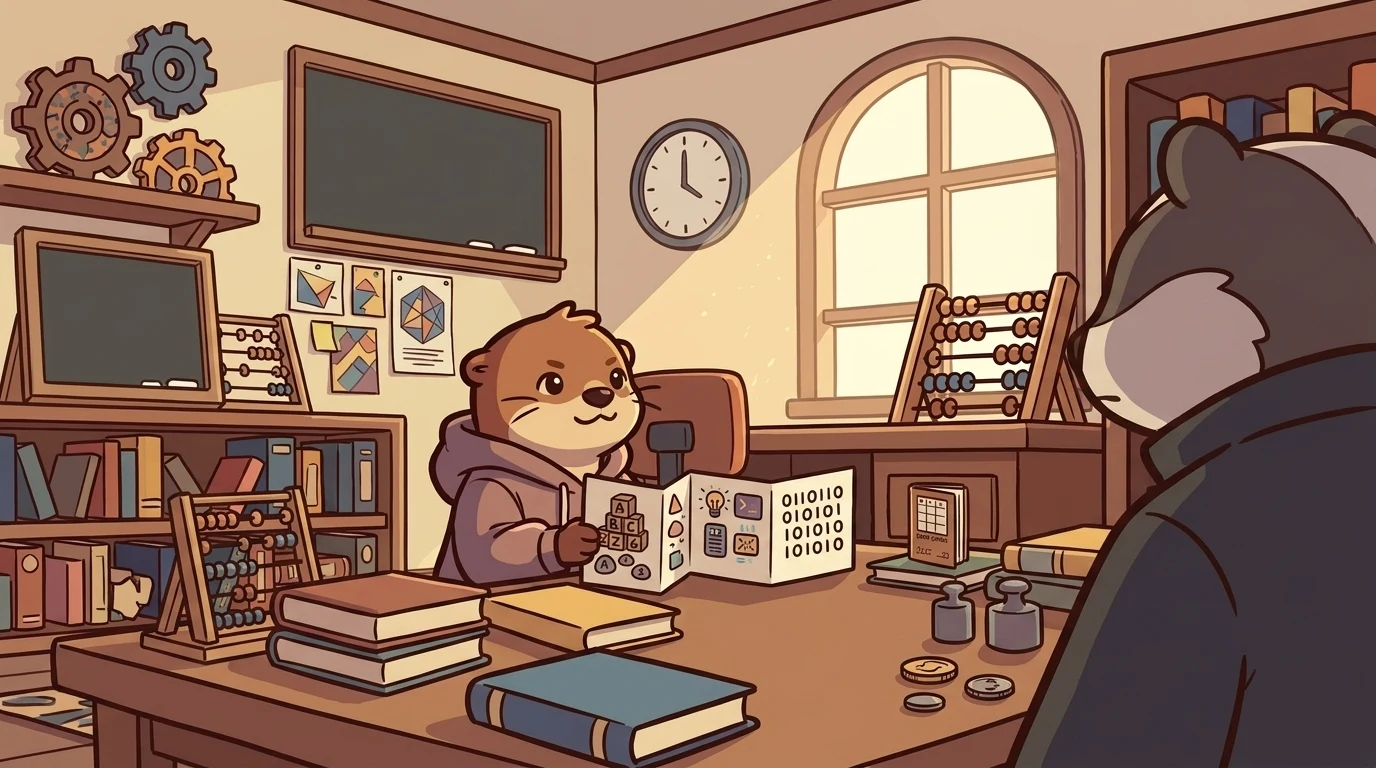
A1Z26. This was a simple way. A equals 1. B equals 2. Z equals 26. ASCII. This was how computers saw letters. A was 65. B was 66. Z was 90. A lowercase 'a' was 97. Even a space had a number: 32. There were 128 standard characters. Binary. This was how computers talked. It was all 0s and 1s. The number 65 (for 'A') became 01000001 in binary. Computers used binary for everything. They stored information with it. They sent messages with it. Book ciphers. You could find letters using a book. You'd say (page number, line number, word number, letter number). It was a secret code. It worked best if no one knew which book you used. Hex. This was a base-16 system. Computers used it often. Bridge to modern. Tally's number codes were the start. They fed into Lattice's modern codes. Things like XOR operations on binary numbers.
Tally grew up in a small village. Her family had a special job. They were the village's money changers. They switched money from the village to the money of visiting traders. It was a job all about matching one thing to another. A mapping job.
When Tally was twenty-two, she walked to CipherForge. Cypher, the leader, looked at her. "What are number-based codes?" Cypher asked.
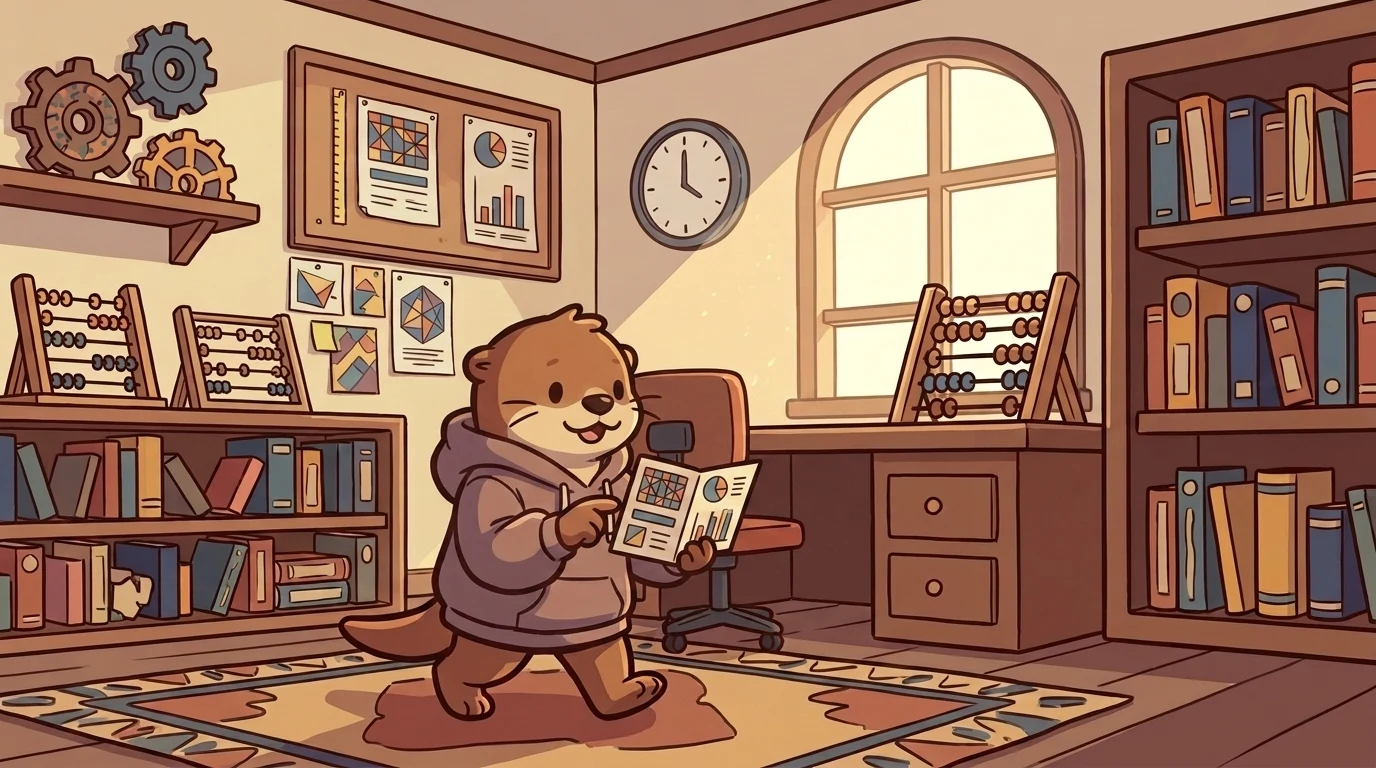
Tally pulled out her card. She held it flat in her paw. "Letters become numbers," she said. Her voice was clear. "Numbers become letters. It's just different ways to map them. Like A1Z26. Or ASCII. Or binary." She pointed to the columns on her card. "Each is just a different mapping. They connect old alphabet lessons to modern computer secrets."
Cypher stared at her for a long moment. He nodded slowly. "You are chosen," he said. "You have the job."
Tally smiled. She tapped her card. "It is not hard," she told anyone who asked. "It's just mappings. Letters switch with numbers. That's all."
The CipherForge ensemble
Tally is part of CipherForge's distributed-narrative cast. Each character embodies a different curricular primitive; together they teach the full subject.
-

Caesar
Caesar shift / monoalphabetic shift cipher
-
Mask
Atbash + general monoalphabetic substitution (every letter has a fixed substitute)
-
Vigenère
Vigenère / polyalphabetic keyword cipher (the Caesar-on-a-rotating-keyword pattern)
-

Echo Pair
Playfair digraph cipher (letters encoded in pairs through a 5×5 grid)
-

Rail
Rail-fence + columnar transposition ciphers (rearrange letter order without changing the letters themselves)
-

Sift
Frequency analysis + cryptanalysis-by-statistics (the cipher-breaking method, not a cipher itself)
-

Lattice
Modern cryptography fundamentals — XOR, public-key concept, hashing (the irreversible / asymmetric family)
-

Hollow
Hides a secret message inside something ordinary, so nobody even knows there is a message to look for.
-

Tome
Keeps a shared code-book where whole words stand for secret words, so only someone with the same book can read the note.