
Before you start
Most popular
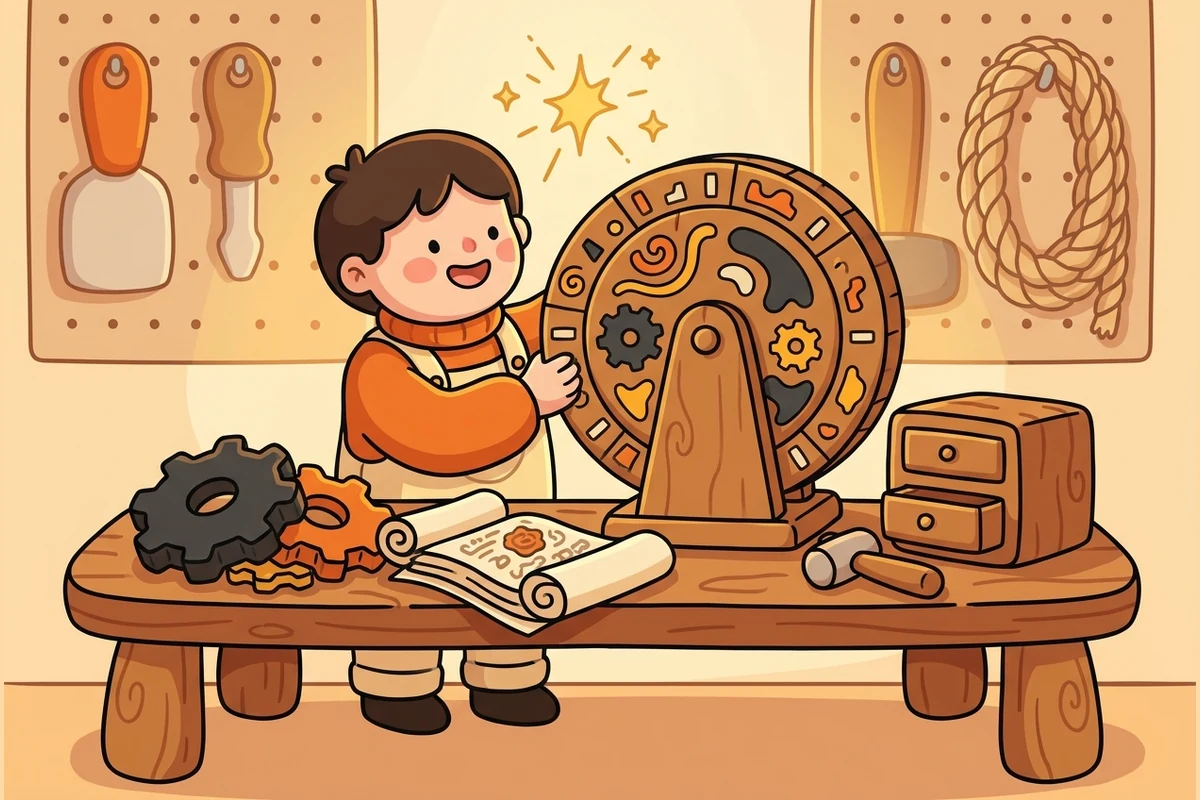 Cipher Workbench Type a message, pick a cipher, turn the dial — watch it scramble and back.
  Code-Breaking Arena Crack an intercepted message — read its letter fingerprint and slide the shift.
 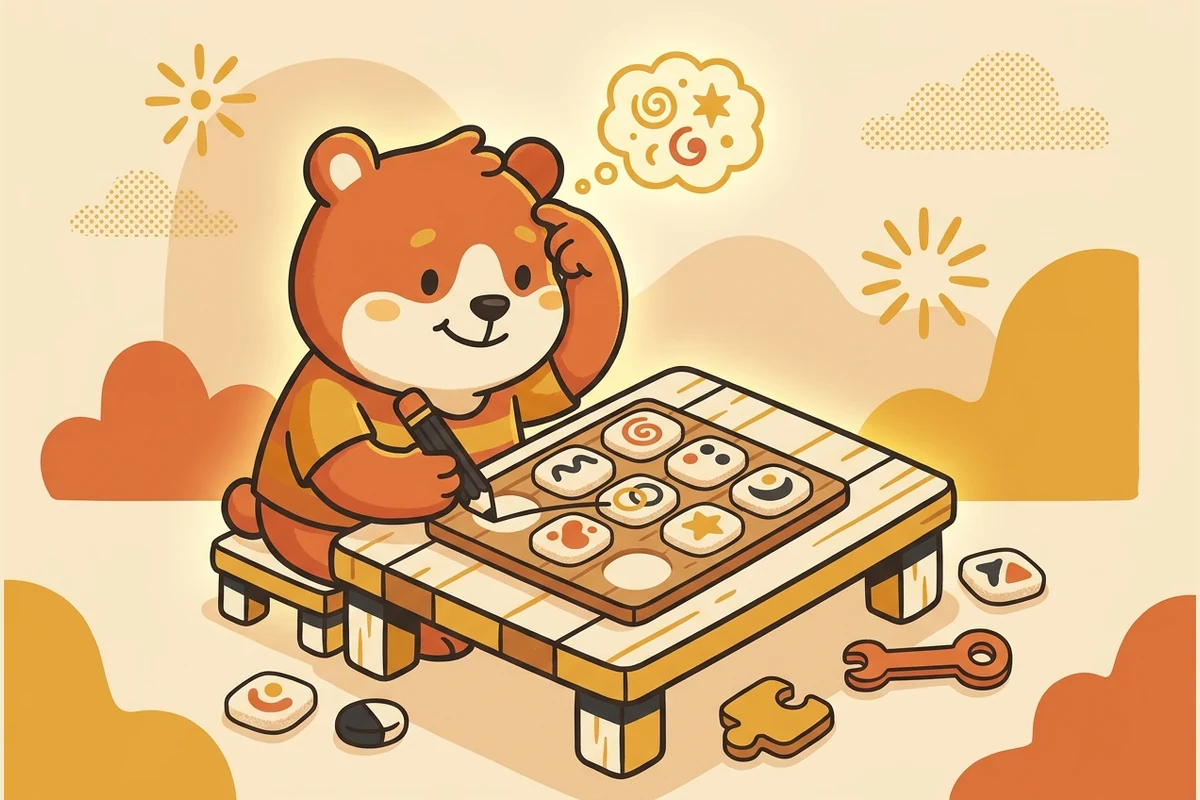 Cryptogram No key — every letter swapped. Crack it with letter counts and short words.
 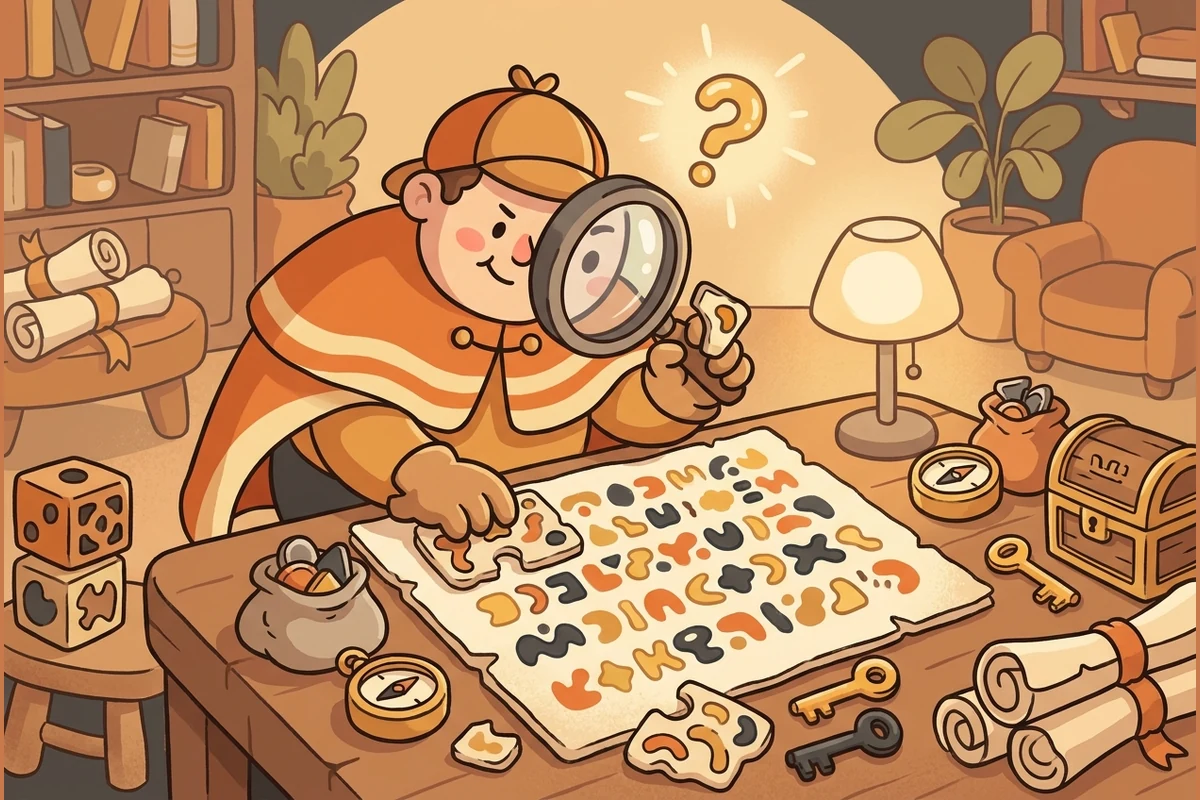 Cipher Detective A code with no label — which cipher made it? Read the clues and name it.
 All activities
Break codes
Code-Breaking Arena Crack an intercepted message. Read its letter fingerprint, slide the shift until it reads, and lock it in. Cryptogram No key this time — every letter swapped for another. Crack it the way real code-breakers do. Cipher Detective A code with no label. Which cipher made it? Read the clues in its fingerprint and name the family. Dead Drop — 2 players One device, two agents: Agent A encodes a secret and passes it, Agent B experiments with the tools until it cracks.
Build & explore
Cipher Workbench A free code lab — type a message, pick a cipher, turn the spinning Caesar wheel, watch it scramble. Symbol Ciphers Pigpen, Polybius, and Morse — each secret symbol maps to one letter. Decode by reading the key. Affine Cipher Math meets code: E(x) = (a·x + b) mod 26 — and why the multiplier must be coprime to 26. Public-Key Lockbox The big idea behind internet security — a public key anyone can see, a private key that unlocks. Null Cipher & Acrostics Hide a message in plain sight — the real words are the first letter of each word or line.
Practice & play
Mixed Practice A short round across the kits you have played — brought back to make it stick. CipherForge Sprint Race your OWN best on what you already know. Timer optional, no penalty for a miss. Trick Questions Brain-teasers with a twist — spot why the obvious answer is a trap. Teach the Cast Teach a cipher to a cast member still learning it — teaching makes it stick. Code Duel 2–4 agents take turns on one device — same questions, highest first-try score wins. Cipher Quest A progression trail through every kit — clear each stop of real practice, then move on. Progress Your levels, streak, and how each skill area is coming along — saved on this device. Progress report For grown-ups — a private on-device snapshot mapped to the skill areas. Export a CSV or print.
Concept Kits — 16 kits from secret codes to real cybersecurity
Kit 1: Secret Messages Basics Cryptography Basics · 4-5 · 25 questions Kit 2: Caesar & Substitution Ciphers Classical Ciphers · 4-5 · 25 questions Kit 3: Frequency Analysis Frequency Analysis · 5-6 · 25 questions Kit 4: Transposition Ciphers Transposition Ciphers · 5-6 · 25 questions Kit 5: Number-Based Codes Number-Based Codes · 5-6 · 25 questions Kit 6: Modern Encryption Concepts Modern Encryption · 6-7 · 25 questions Kit 7: Steganography & Information Hiding Hiding Information · 6-7 · 25 questions Kit 8: Cryptography in Daily Life Cryptography in Daily Life · 7-8 · 25 questions Kit 9: Classical Cipher Systems Classical Ciphers · 4-5 · 25 questions Kit 10: Modern Cryptography Basics Modern Encryption · 4-5 · 25 questions Kit 11: Codebreaking Techniques Codebreaking · 4-5 · 25 questions Kit 12: Cybersecurity Foundations Cybersecurity · 4-5 · 25 questions Kit 13: Cross-Topic Connections Cryptography Basics · 5-6 · 25 questions Kit 14: Real-World Applications Real-World Applications · 6-7 · 25 questions Kit 15: Misconceptions & Reasoning Cryptography Basics · 6-7 · 25 questions Kit 16: Advanced Synthesis Cryptography Basics · 7-8 · 25 questions
More ways to play
😄 Brain break
Meet the cast — the characters who teach this
-
 Caesar Caesar shift / monoalphabetic shift cipher
 -
 Mask Atbash + general monoalphabetic substitution (every letter has a fixed substitute)
 -
 Vigenère Vigenère / polyalphabetic keyword cipher (the Caesar-on-a-rotating-keyword pattern)
 -
 Echo Pair Playfair digraph cipher (letters encoded in pairs through a 5×5 grid)
 -
 Rail Rail-fence + columnar transposition ciphers (rearrange letter order without changing the letters themselves)
 -
 Tally Number-based codes (A1Z26, ASCII, binary, book ciphers — any mapping that converts letters to numbers)
 -
 Sift Frequency analysis + cryptanalysis-by-statistics (the cipher-breaking method, not a cipher itself)
 -
 Lattice Modern cryptography fundamentals — XOR, public-key concept, hashing (the irreversible / asymmetric family)
 -
 Hollow Hides a secret message inside something ordinary, so nobody even knows there is a message to look for.
 -
 Tome Keeps a shared code-book where whole words stand for secret words, so only someone with the same book can read the note.
Ensemble stories — the cast together