
Nod
NON-VERBAL SIGNAL — a clear wordless cue — a nod, a raised wing, a card — for ready, done, my-turn, or pause, so you never have to find words to be understood.
Loading audio…
Press play to listen along. The line being read lights up as you go.
Show full transcript
Loading transcript…
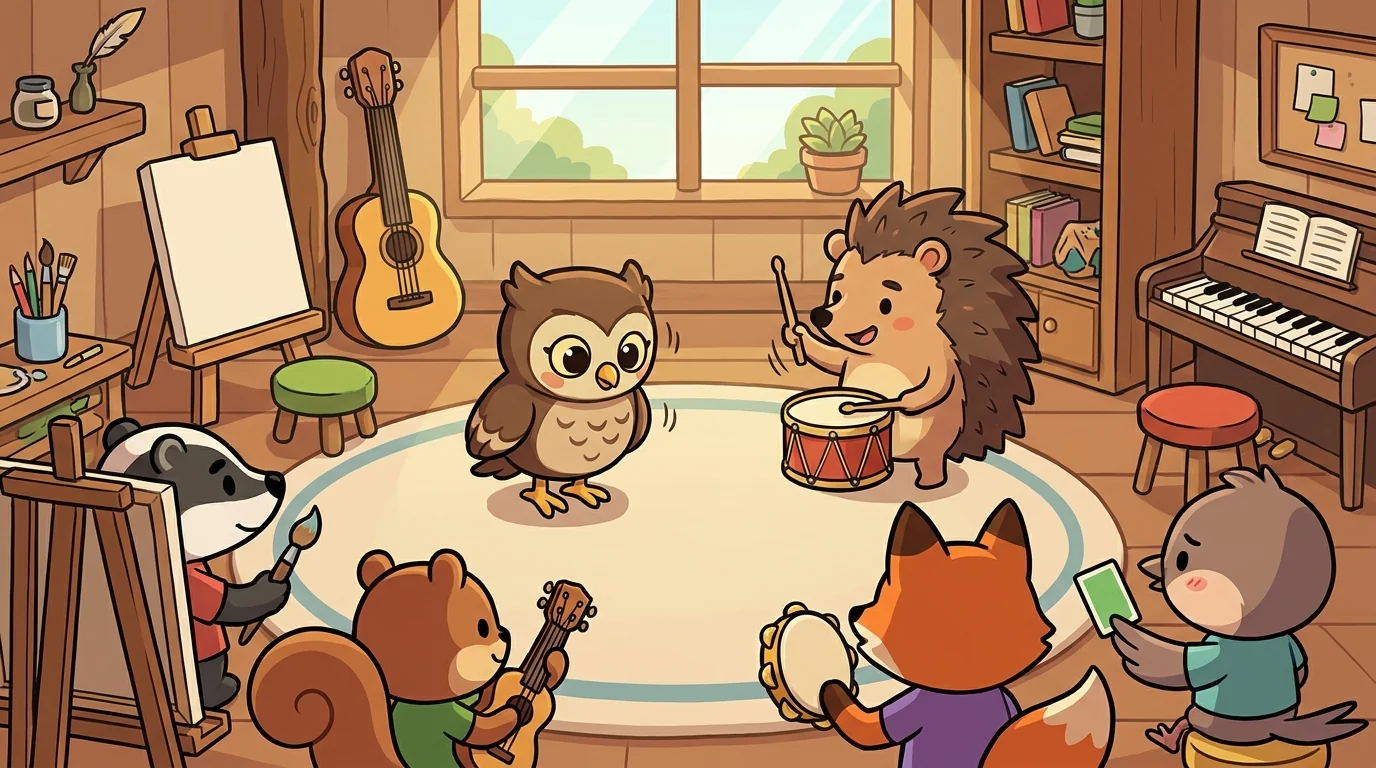
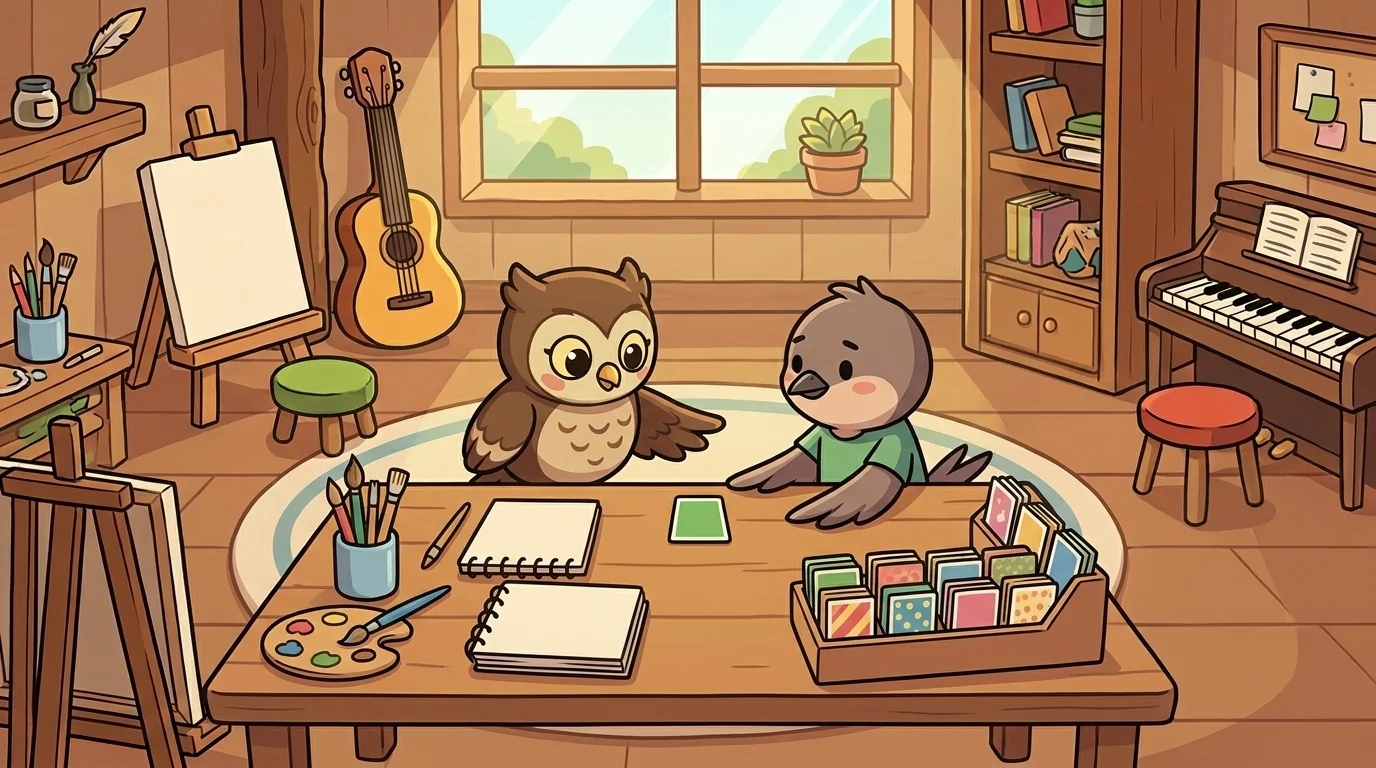
The little owl blinked once, slow and deliberate, then dipped her head in a single clear nod — and across the circle, the drummer began, right on cue, no word spoken between them.
"That was 'go,'" Nod said. "One nod. Everyone saw it. Nobody needed to say a thing." A young swift had been sitting rigid at the edge, wanting to signal he was ready but unable to make the words come — he knew exactly what he meant, I'm ready, start me, but his mouth wouldn't cooperate with everyone watching, the words jammed, and the pressure built into a tight, stuck feeling behind his ribs. Then Nod slid a small green card across to him. "Ready? Lift the card. That's all. It means the same as saying it." He lifted the green card. The group started. And nobody had needed him to speak. "A cue isn't a lesser way to talk," Nod said. "It's a full message. It just travels without words."
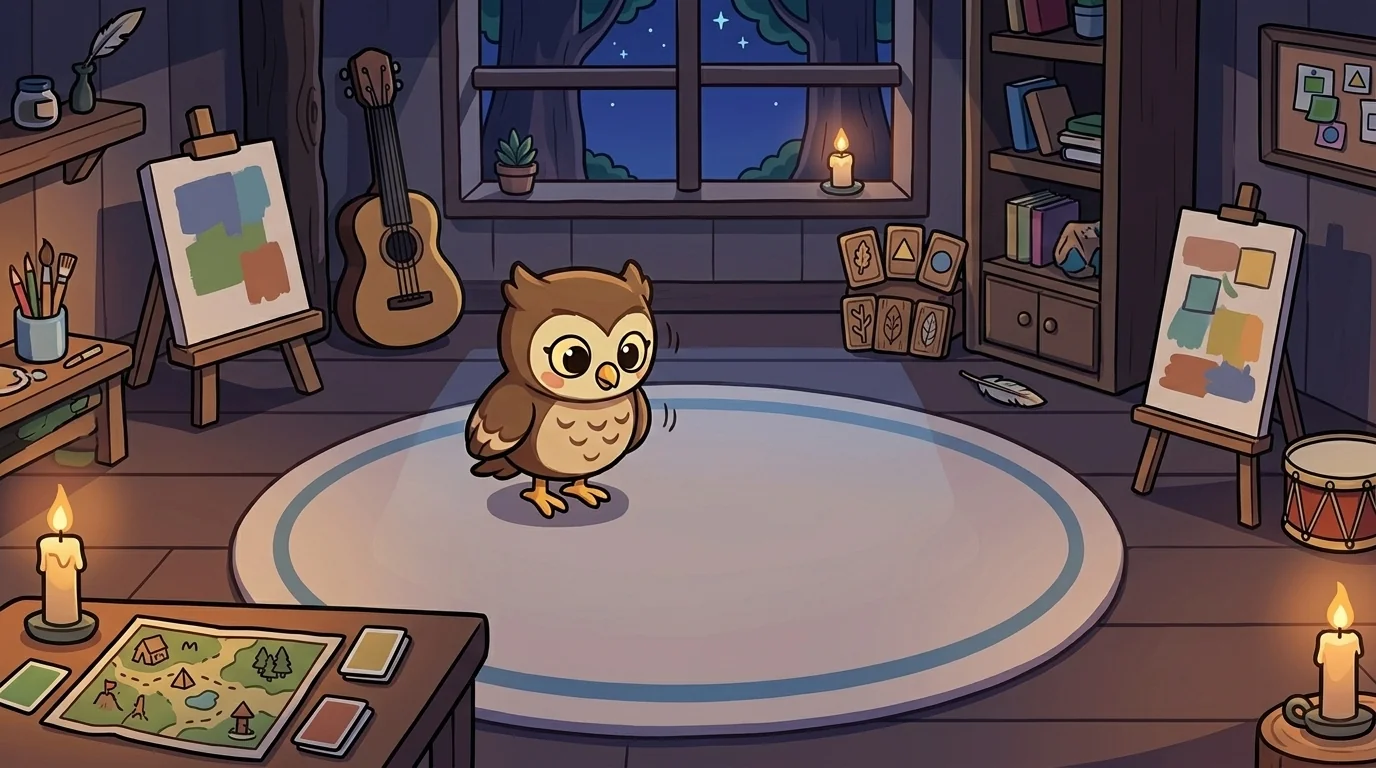
Nod learned that wordless signaling isn't a workaround — it's how the best ensembles have always talked. "You think a signal is a backup for when words fail," she told the swift. "But watch a real group play." She pointed to musicians mid-song, saying nothing, yet perfectly together — a lifted eyebrow that meant take the solo, a small hand-drop that meant softer now, a breath in that meant we start on the next beat. "There's a whole language in there, and not one word of it. A conductor runs a hundred players with hands — no talking at all, because words would be too slow and too loud. The nod, the cue, the raised wing — that's not the fallback. In music it's the main channel." The swift stared. "So I'm not... getting by without words. I'm using the same language the experts use?" "Exactly," Nod said. "You're not behind. You're fluent."
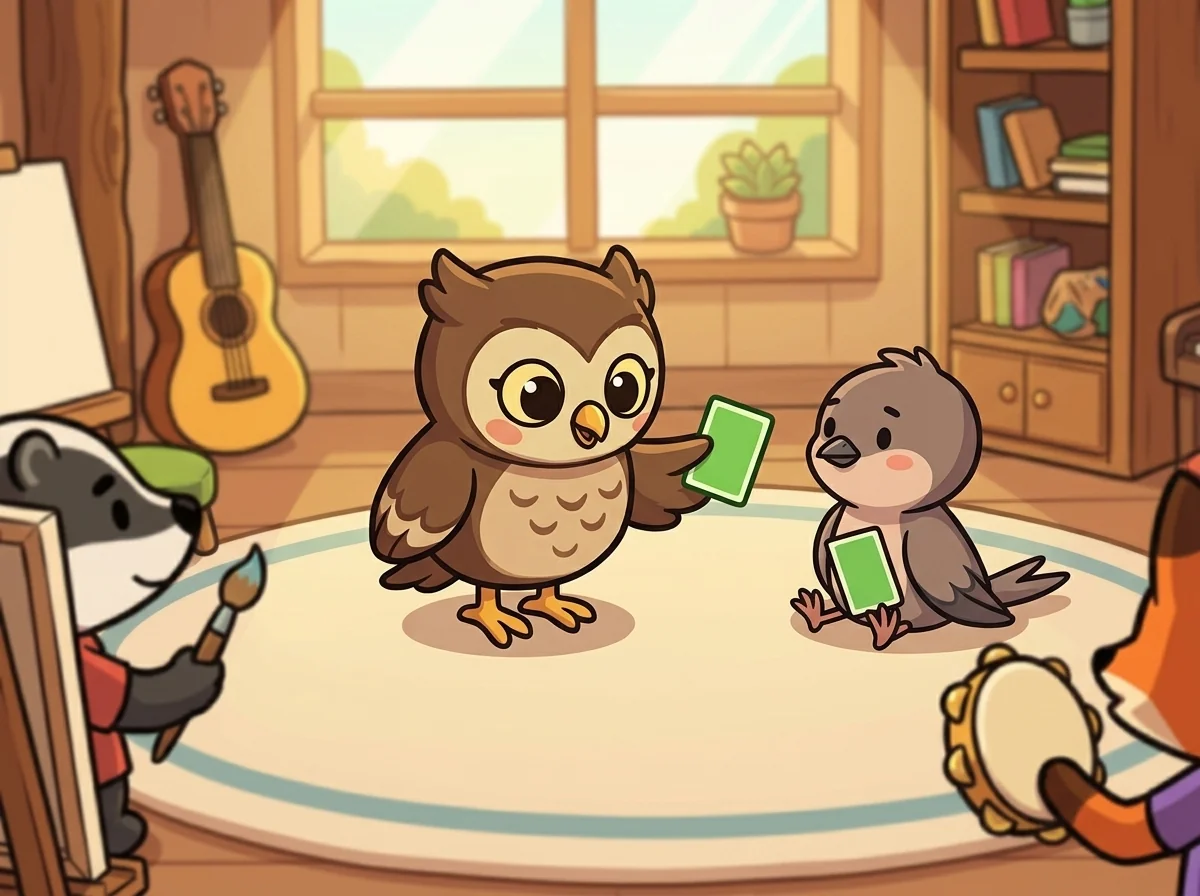
When she was young, Nod thought a signal only counted if everyone had agreed on it beforehand, until an old crane taught her the deeper rule: make the cue clear, make it shared, and make it honored. "A cue only works," the crane said, "if three things are true — everyone knows what it means, everyone can see it, and everyone treats it as real — as real as a spoken word. A raised wing that people ignore is worse than no cue at all." Nod built her craft on those three. She'd set the group's cues out loud at the start — green card is ready, flat wing is pause, this tap is your turn — so no one had to guess; she'd make sure each cue was visible to everyone, not hidden; and, most of all, she'd insist the group honor them — that a lifted pause-card stopped things just as surely as the word "stop." "A wordless message," she'd say, "is only as good as the group's promise to receive it. My job is half inventing the cue and half making sure nobody pretends they didn't see it."
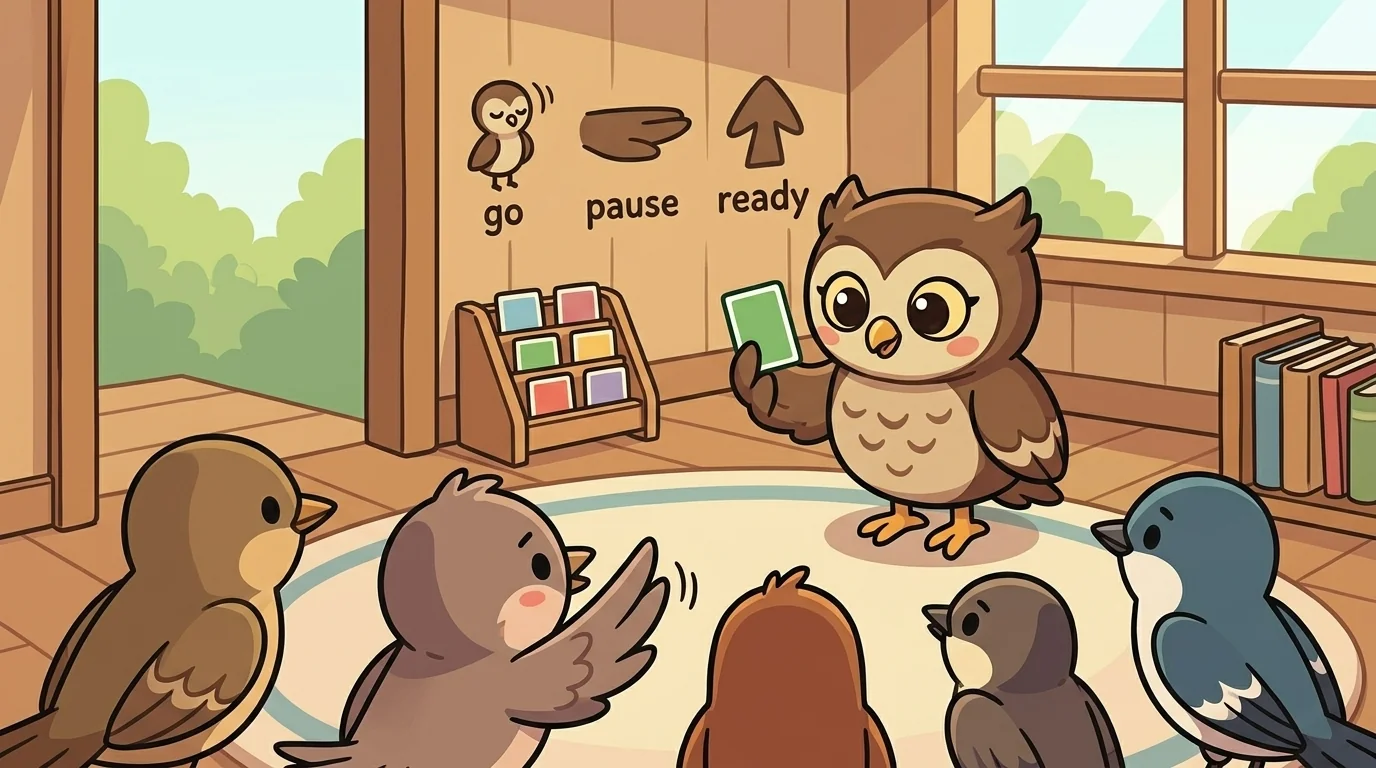
At the academy a bright, verbal group kept steamrolling a member who processed slower and couldn't jump into the fast talk — every planning session was words, words, words, and he'd sit stuck, his good ideas locked behind a mouth that wouldn't move in time. "The problem isn't him," Nod said. "It's that this group only speaks one language — fast words — so anyone who doesn't is invisible." She gave the group a set of shared, visible, honored cues: a card for I have something to add, a raised wing for slow down, a tap for your turn now. When the slower member lifted his I-have-something card, the group — by agreement — stopped and waited, and his idea, when it came, was one of the best of the day. "Nothing was wrong with his thinking," Nod said. "He just needed a channel that wasn't a race. A cue gave him one — and the moment the group promised to honor it, he went from invisible to essential. That's the whole craft: a wordless message, made clear, made seen, made real."
"So a wordless cue isn't second-best," the swift said, working it out. "It's a full message — the same language the experts use — as long as the group agrees to really see it?"
"That's the whole of it," Nod said, and gave one more slow, deliberate blink — a cue all its own — to a bird who lifted a green card in reply. Under the quiet she felt the calm that always came from a message received without a single word: not the tight, stuck pressure of a mouth that wouldn't move while everyone waited, not the old belief that a signal was a lesser way to speak, but a fluent, seen, nothing-jammed ease. It was the ease of someone who had learned that a cue is a full message and not a workaround, that the best ensembles run on wordless language, and that the kindest, most professional thing a group can do is agree on a clear cue and promise to honor it. That wordless, fluent, made-real feeling, steadier than any words forced out under pressure, was to Nod exactly why one clear nod could start a whole song.
The EnsembleQuest ensemble
Nod is part of EnsembleQuest's distributed-narrative cast. Each character embodies a different curricular primitive; together they teach the full subject.
-
Part
Role-holding — knowing what MY part is, separate from but supporting the whole
-
Turn
Turn-taking — the rhythm of give-and-receive across an ensemble
-
Ear
Active listening — receiving the other person's contribution before adding your own
-
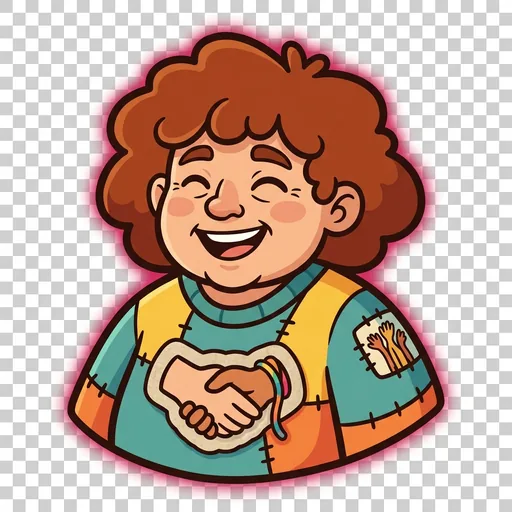
Welcome
Invitation + repair — bringing back someone who's drifted out of the ensemble
-
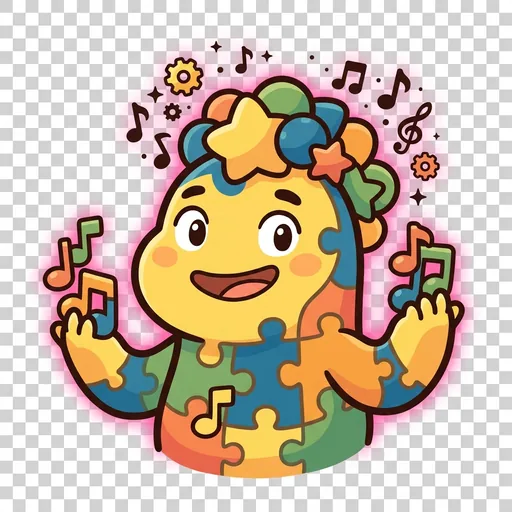
Share
Synthesis-in-performance — the moment many parts become one piece
-
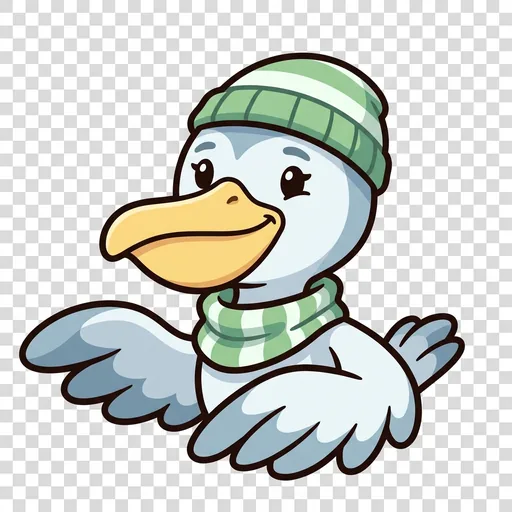
Berth
Making space — leave room in the sound and the plan so every part fits; quiet the loud, invite the quiet, nobody drowned out
-
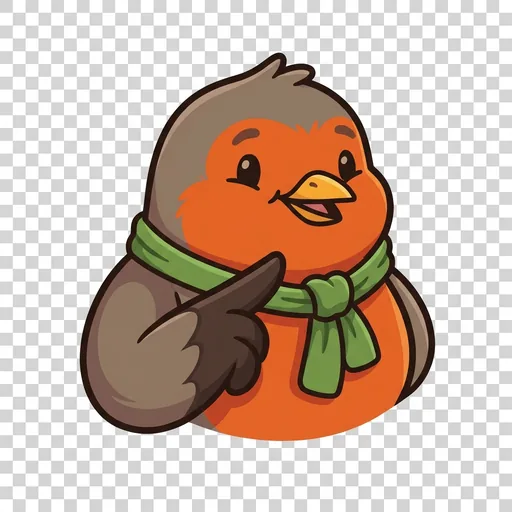
Bravo
Specific appreciation — notice one exact thing a partner did well and name it out loud, so they know their part landed
-
Dovetail
Dovetailing ideas — when two ideas differ, find the shape where both fit and interlock; neither cut away, neither swallowed
-
Outline
Co-planning — before anyone makes anything, sketch the shared shape together, so nobody has to guess where it's going