Bravo
SPECIFIC APPRECIATION — *notice one exact thing a partner did well and name it out loud, so they know their part landed and mattered.*
Loading audio…
Press play to listen along. The line being read lights up as you go.
Show full transcript
Loading transcript…
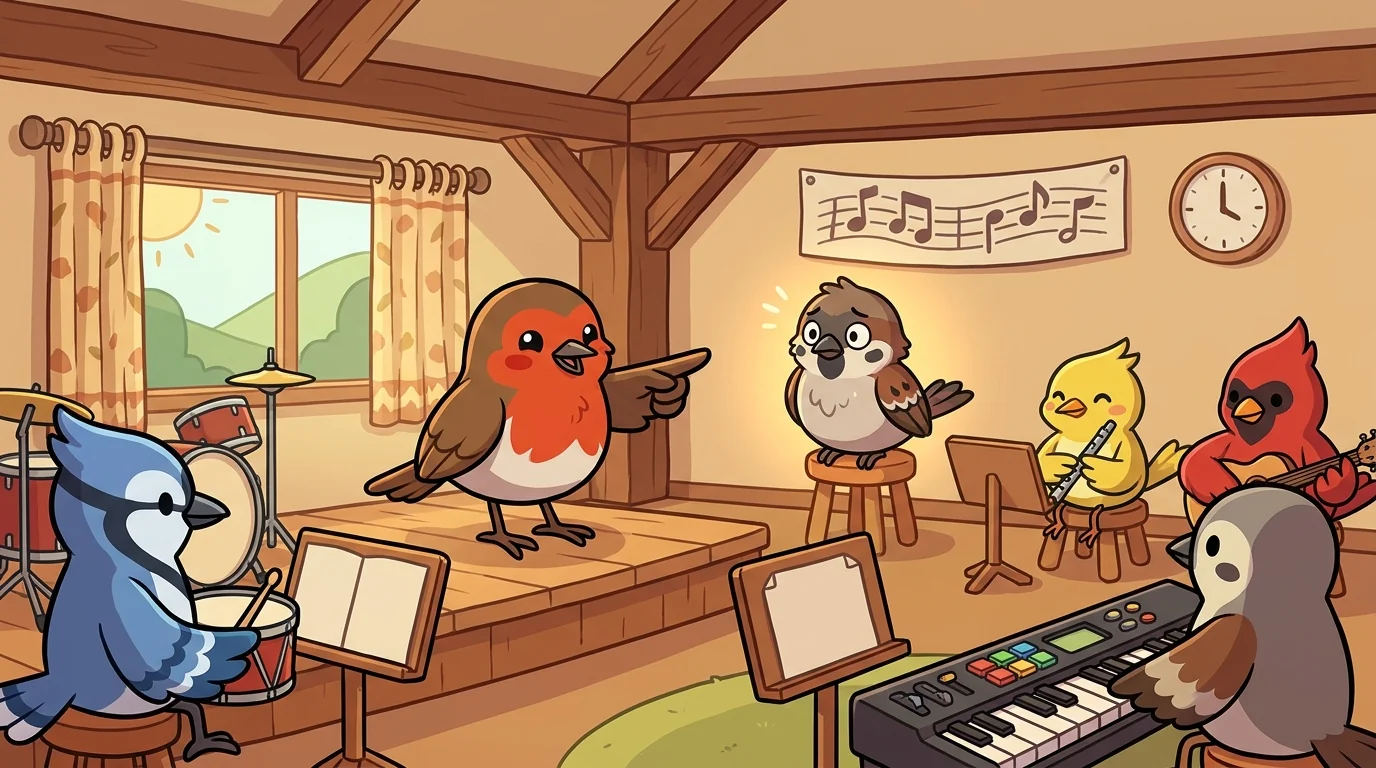
The little robin cocked her head after the song ended, and instead of a general "nice one, everyone," she pointed one wing straight at the shy sparrow in the back.
"Bravo, Wisp," she said clearly. "That soft hum you held under the loud part — it's the reason the whole thing felt warm instead of just loud. That was you."
Wisp the sparrow went very still. He'd added his small hum quietly, sure nobody could even hear it, sure it hadn't mattered — a hollow, uncertain ache had been sitting in his chest, did I do anything at all? And now someone had heard the exact thing he'd done, and named it, and said it mattered. The ache filled in with something warm and startled. "You... heard that?" he said. "Clear as anything," Bravo said. "It made the whole song."
"'Good job' is nice," Bravo said, "but it floats past. Naming the exact thing — that lands. Because now you don't have to wonder whether your part mattered. You know it did, because someone told you precisely what it was."
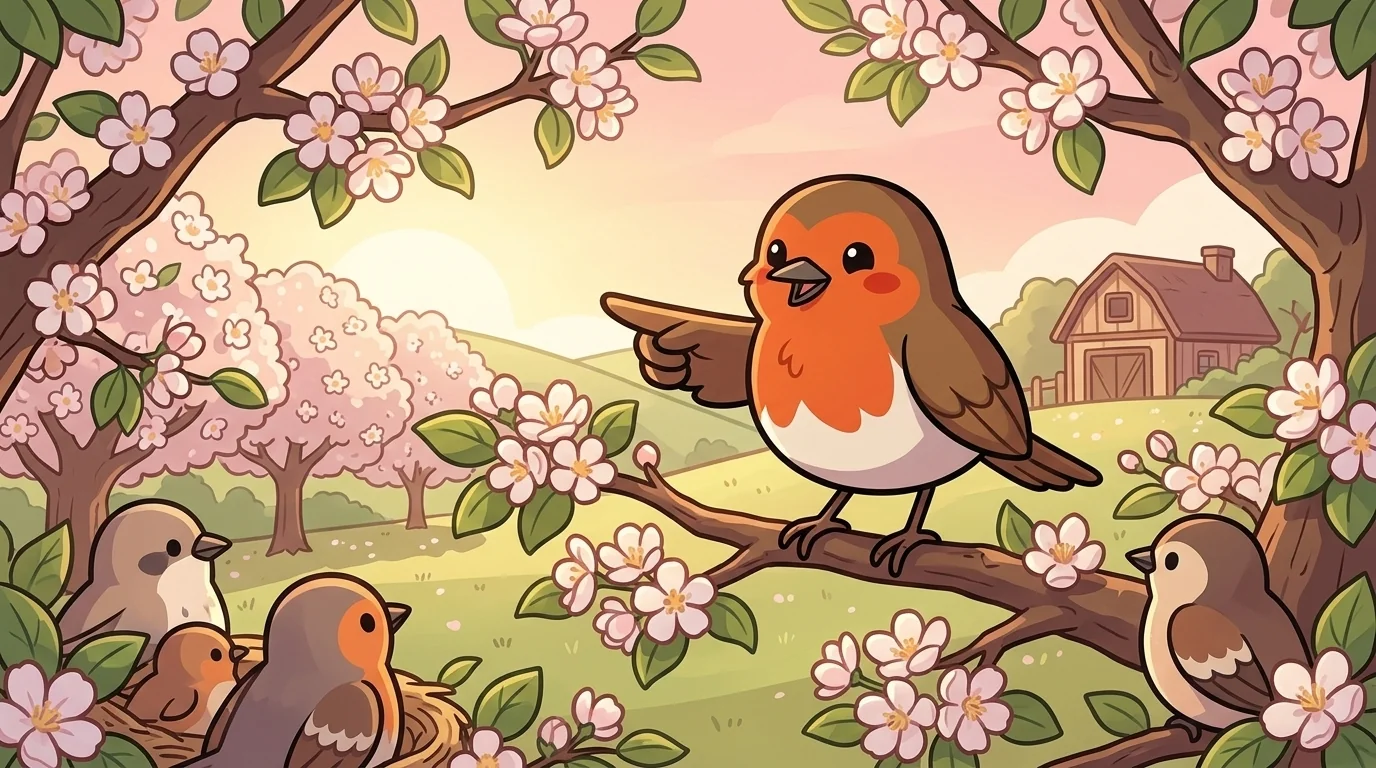
Bravo grew up among robins in an orchard where the whole family sang at dawn.
Her family had a morning ritual: after the dawn chorus, each robin would name one exact thing another had done — "your high note on the third phrase," "the way you waited a beat before coming in." Not vague praise; specific, true, small. Her grandfather explained it while preening: "A whole 'well done' is a warm puff of air, gone in a second. But 'I heard this exact thing you did' — that's a stone the bird can hold. It stays. It tells them they were really there, really heard."
Bravo learned that the kindest thing you could give another bird wasn't applause. It was proof they'd been noticed — one exact, true detail of what they'd done.
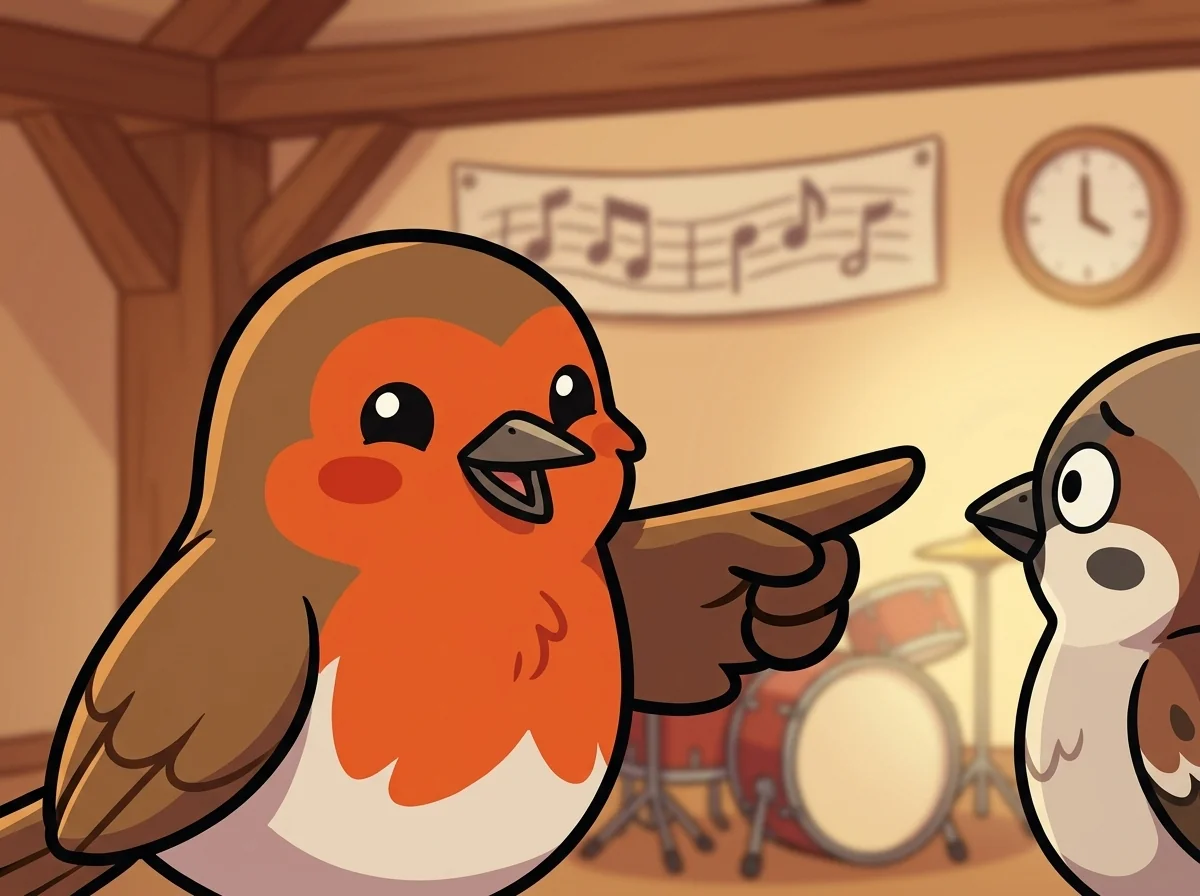
She came to EnsembleQuest when she was twelve, on a day when a group finished a lovely piece to total silence.
They'd made something good, but nobody said anything specific — just a mumbled "yeah, okay" — and a few birds, especially the quiet ones, drifted off looking deflated, sure their parts had gone unheard. One in particular, who'd worked hardest and spoken least, sagged smaller with every unremarked second. Choir, the teacher, caught Bravo's eye.
"They did beautiful work and nobody named a bit of it," Choir said. "The quiet ones think they weren't heard. Can you help?"
Bravo didn't hand out a blanket "great job." She went bird by bird and named one true, exact thing each had done — the steady drum that held the tempo, the perfectly-timed pause, the quiet worker's low harmony that "was the floor the whole song stood on." One by one the birds lifted, especially the quiet ones, hearing for the first time that their part had been seen. Choir smiled. "Stay," she said.
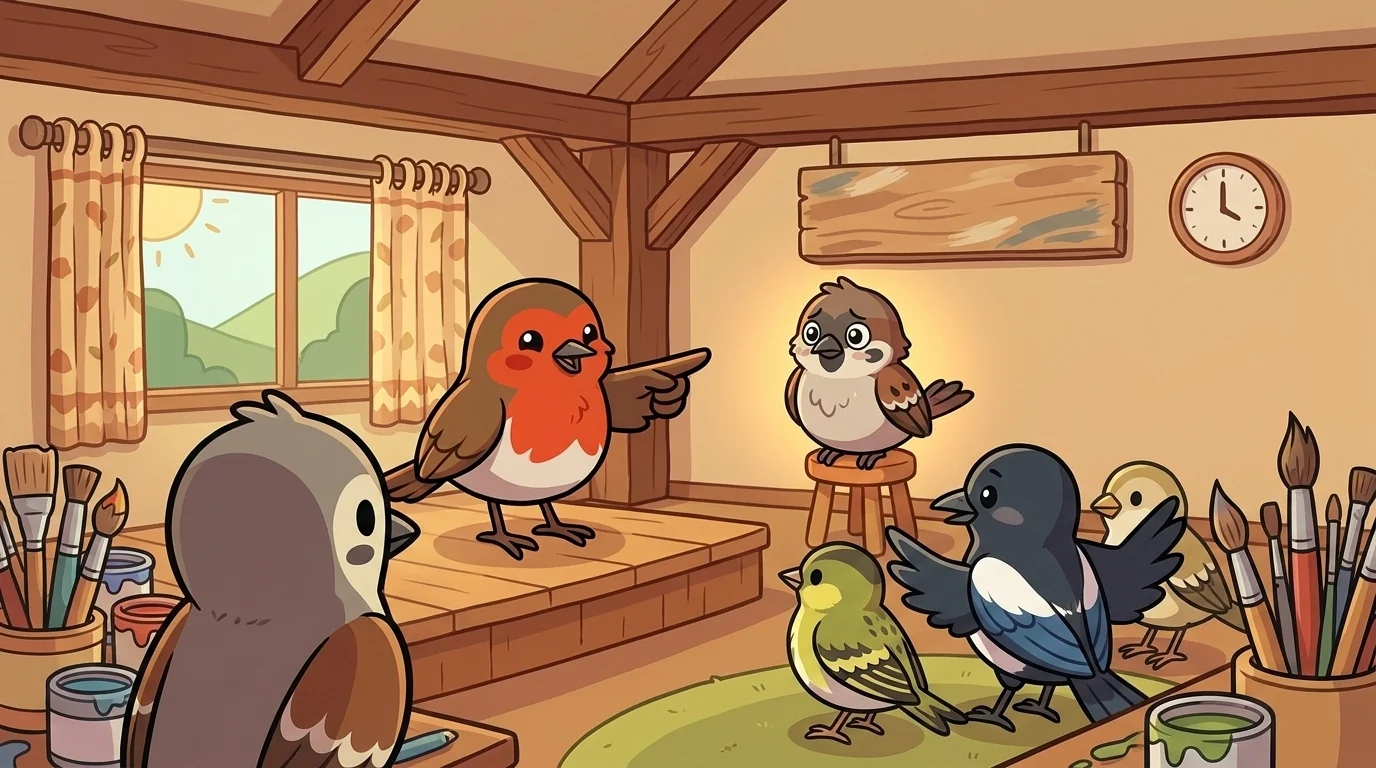
Bravo's workshop had one instruction painted over the door: name the exact thing.
"After we make something together," she told a cluster of new birds, "we don't just say 'good job' and scatter. We each name one real, specific thing someone else did — the smaller and truer, the better. 'Your hum under the loud part.' 'The way you left a gap for me.' Exact things."
A young magpie raised a wing. "What if I'm not good at compliments? They come out awkward."
"Awkward is fine — true is what matters," Bravo said. "You don't need pretty words. 'I noticed you did the drumbeat steady the whole time' is perfect. Plain and true beats fancy and vague every time."
"And what if I never know if my part was okay?" a small siskin asked, quiet.
"Then someone will name it for you — that's why we do this," Bravo said. "You shouldn't have to guess whether you mattered. Some of us read a room and just know we did well. Some of us can't read the room at all and are left wondering. So we say it out loud, exact and true — and then nobody has to wonder. It works for all of us."
The siskin looked up, and the hollow guessing in its chest quieted.
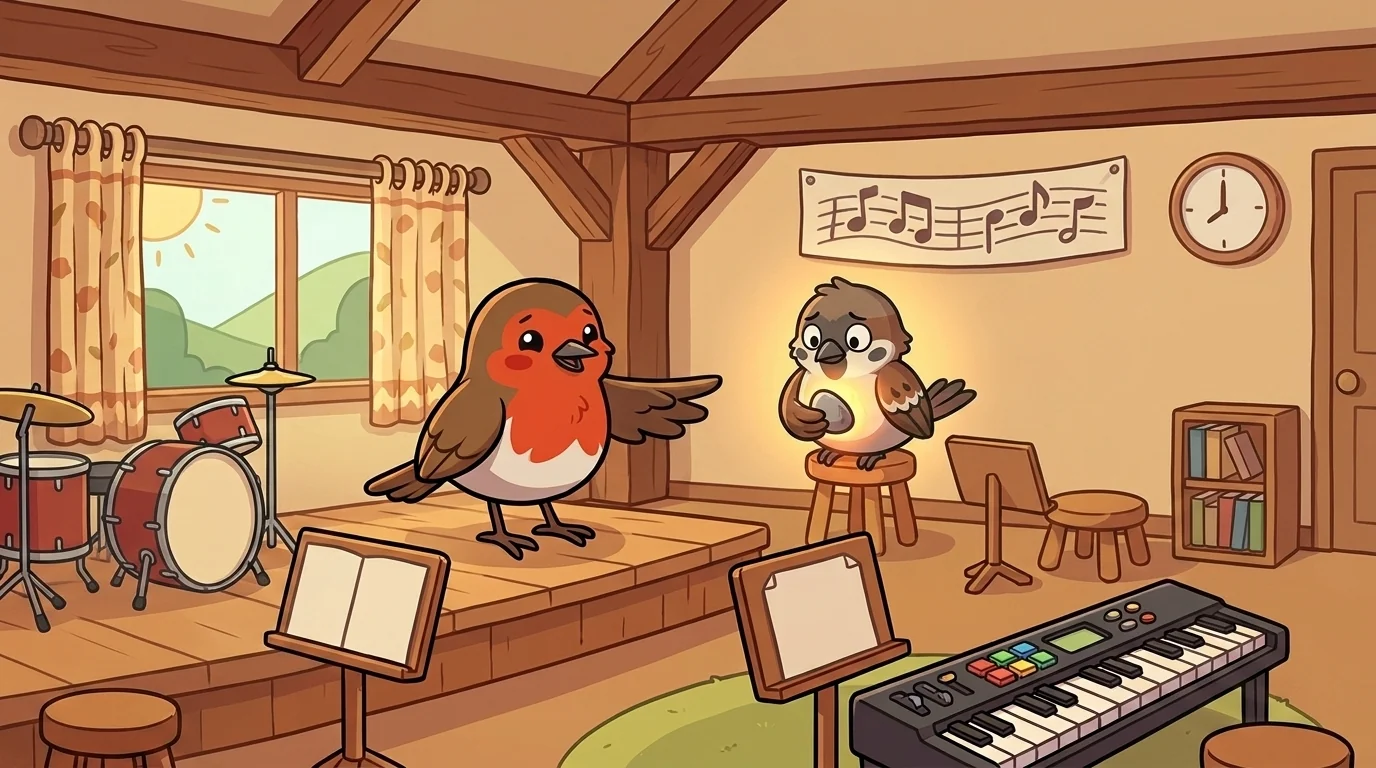
Later, when the others had flown off, Wisp the sparrow lingered near the door.
"For a long time," he said, not quite looking up, "I stopped believing my parts mattered. That hollow feeling — like a cold empty spot under my ribs — because I'd add something and hear nothing back, ever, and I couldn't tell if I'd helped or just made noise."
Bravo didn't rush to reassure him with a big sweeping compliment. She got specific.
"I know that hollow spot," she said. "I come from a family that learned to fill it on purpose, one exact thing at a time." She looked right at him. "So — that soft hum you held today, under the loud part. It's the reason the song felt warm. Not 'good job.' That exact thing. It mattered, and now you don't have to wonder, because I heard it and I'm telling you precisely what it was."
Wisp held the exact true thing like a stone in his claws. The cold empty spot under his ribs filled in and grew warm, and stayed warm.
The EnsembleQuest ensemble
Bravo is part of EnsembleQuest's distributed-narrative cast. Each character embodies a different curricular primitive; together they teach the full subject.
-

Part
Role-holding — knowing what MY part is, separate from but supporting the whole
-
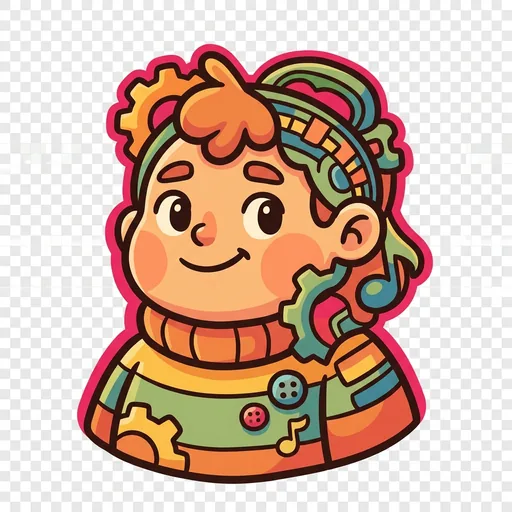
Turn
Turn-taking — the rhythm of give-and-receive across an ensemble
-

Ear
Active listening — receiving the other person's contribution before adding your own
-

Welcome
Invitation + repair — bringing back someone who's drifted out of the ensemble
-
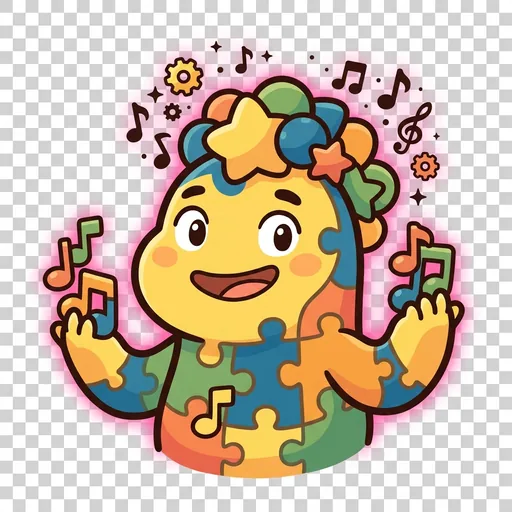
Share
Synthesis-in-performance — the moment many parts become one piece
-
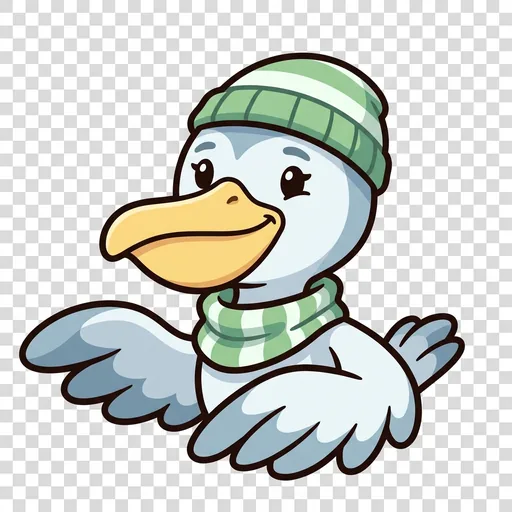
Berth
Making space — leave room in the sound and the plan so every part fits; quiet the loud, invite the quiet, nobody drowned out
-
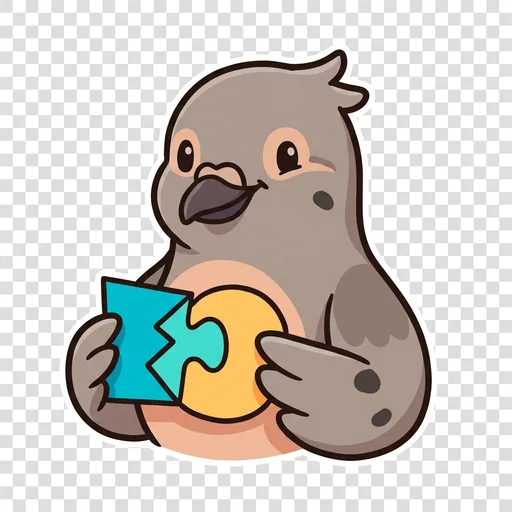
Dovetail
Dovetailing ideas — when two ideas differ, find the shape where both fit and interlock; neither cut away, neither swallowed
-
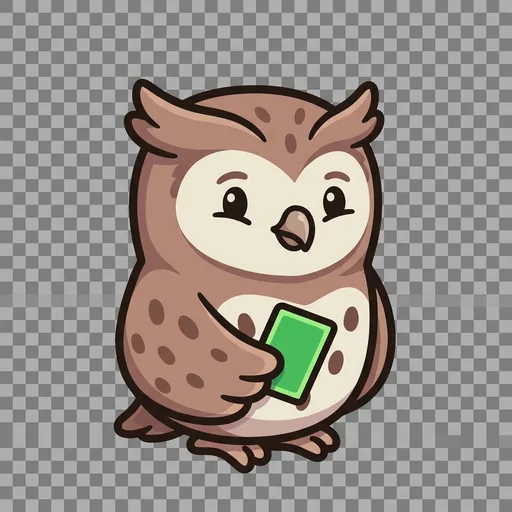
Nod
Non-verbal signals — a clear wordless cue (a nod, a raised wing, a card) for ready, done, my-turn, or pause
-
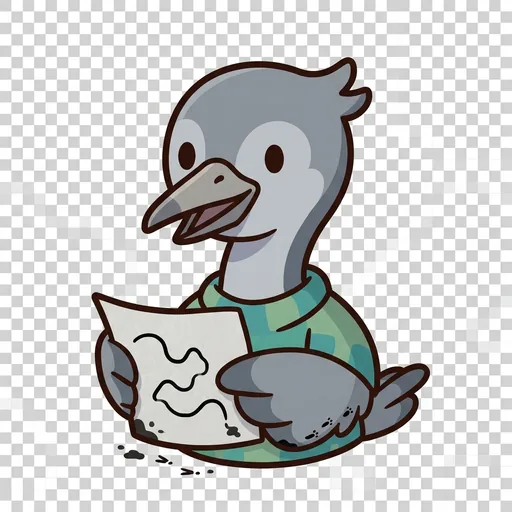
Outline
Co-planning — before anyone makes anything, sketch the shared shape together, so nobody has to guess where it's going