Chaine
THE CHECKPOINT CHAIN — *the hunt-builder whose recurring act is linking clues so that solving each one reveals the location of the next, forming an unbroken chain from start to finish.*
Loading audio…
Press play to listen along. The line being read lights up as you go.
Show full transcript
Loading transcript…
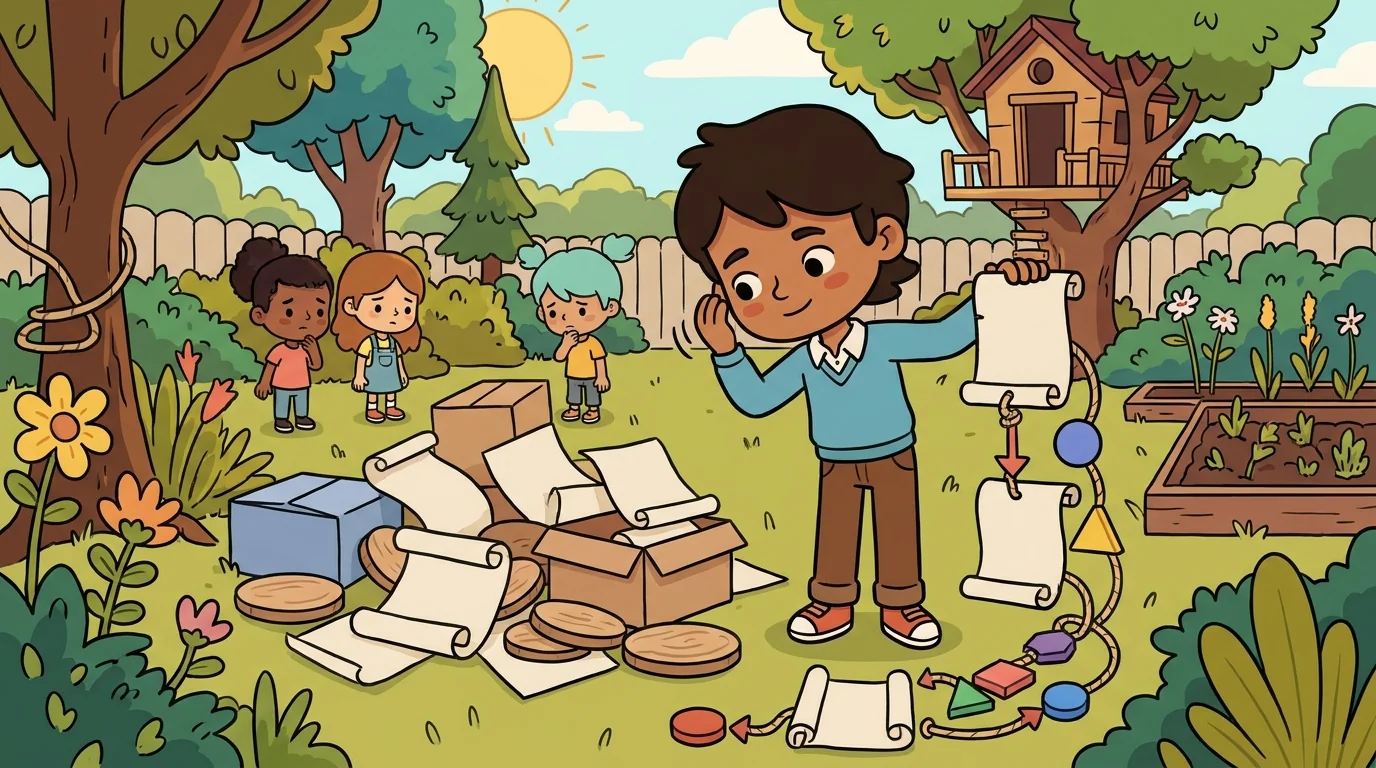
A Guild member had written five brilliant clues but scattered them around the yard with no plan, and their friends kept finding clue four before clue two and getting hopelessly confused. Chaine, who built the smoothest hunts in the Guild, walked the tangled trail and shook their head gently. "Your clues are great," Chaine said. "But a hunt isn't a pile of clues. It's a chain. Each solved clue has to point to where the next one hides."
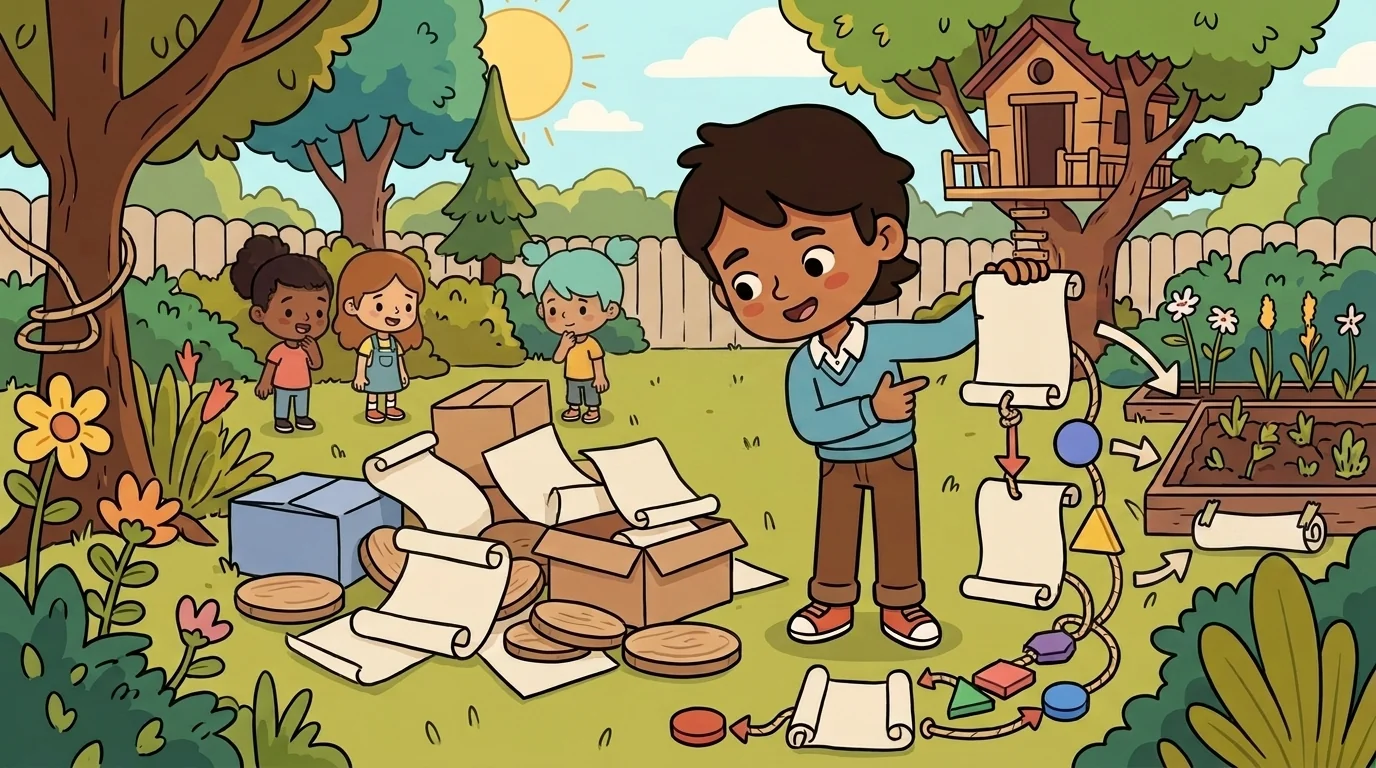
"Watch how I link them," Chaine said. "My first clue isn't just a puzzle — its answer is a place. Solve it and it says 'THE OAK TREE.' So you run to the oak tree, and taped under a branch is clue two. Solve that, and its answer is 'THE BLUE DOOR' — off you go, and there's clue three. Every clue does two jobs: it's a puzzle to solve, and its solution is the address of the next link. Solve, travel, find. Solve, travel, find. No one can reach clue three without having solved clue two, because they didn't know where to look until they did."
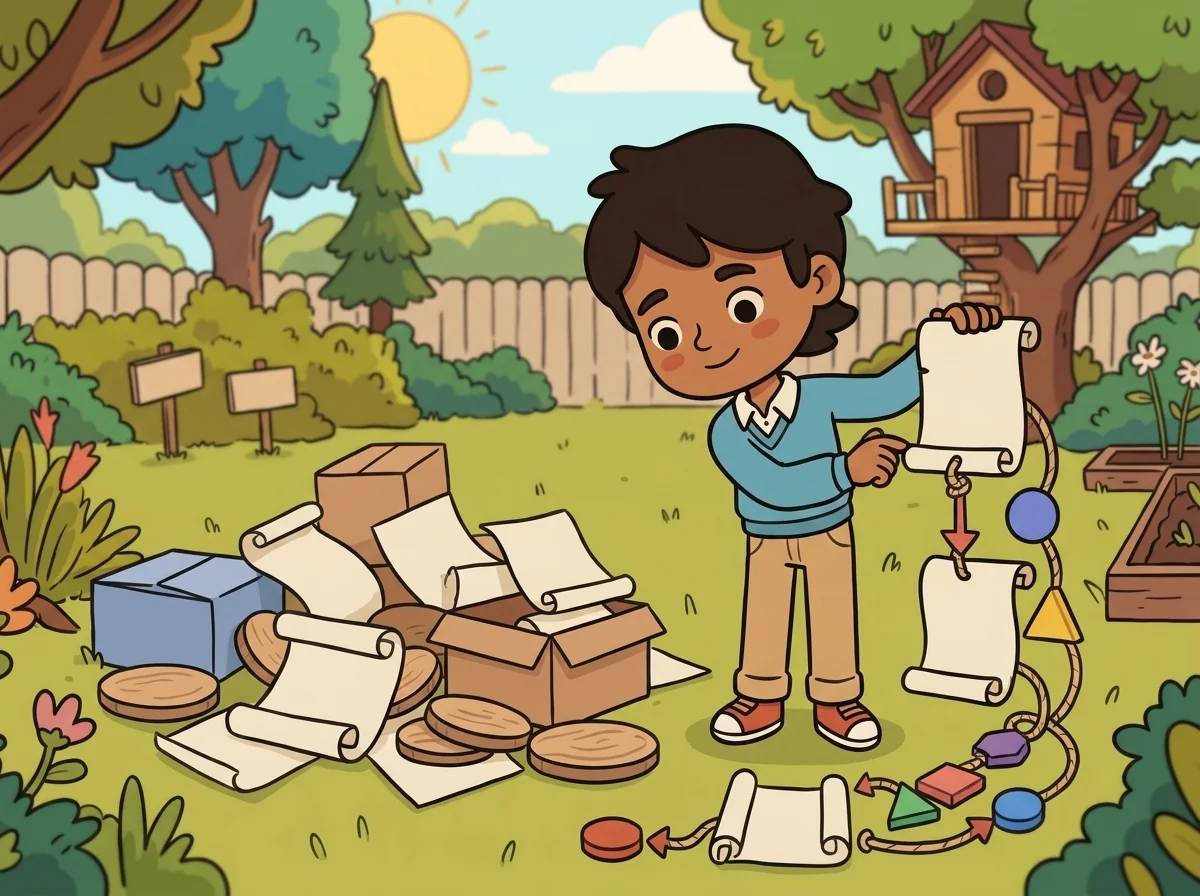
"The reason I chain them," Chaine said, "is that a chain makes the order impossible to break. In your scattered version, a kid could stumble on the last clue first and the whole story collapses. In a chain, the path enforces itself — you literally can't get ahead, because each location is a secret until the previous clue gives it up. And it means nobody ever gets stuck wandering, either: as long as every link truly points to the next, a solver always knows there's a definite next place to be. My one rule is that every single link must connect — if even one clue's answer doesn't clearly name where the next hides, the chain snaps and someone's left standing in the yard with nowhere to go. So I always walk my own chain start to finish before anyone plays it."
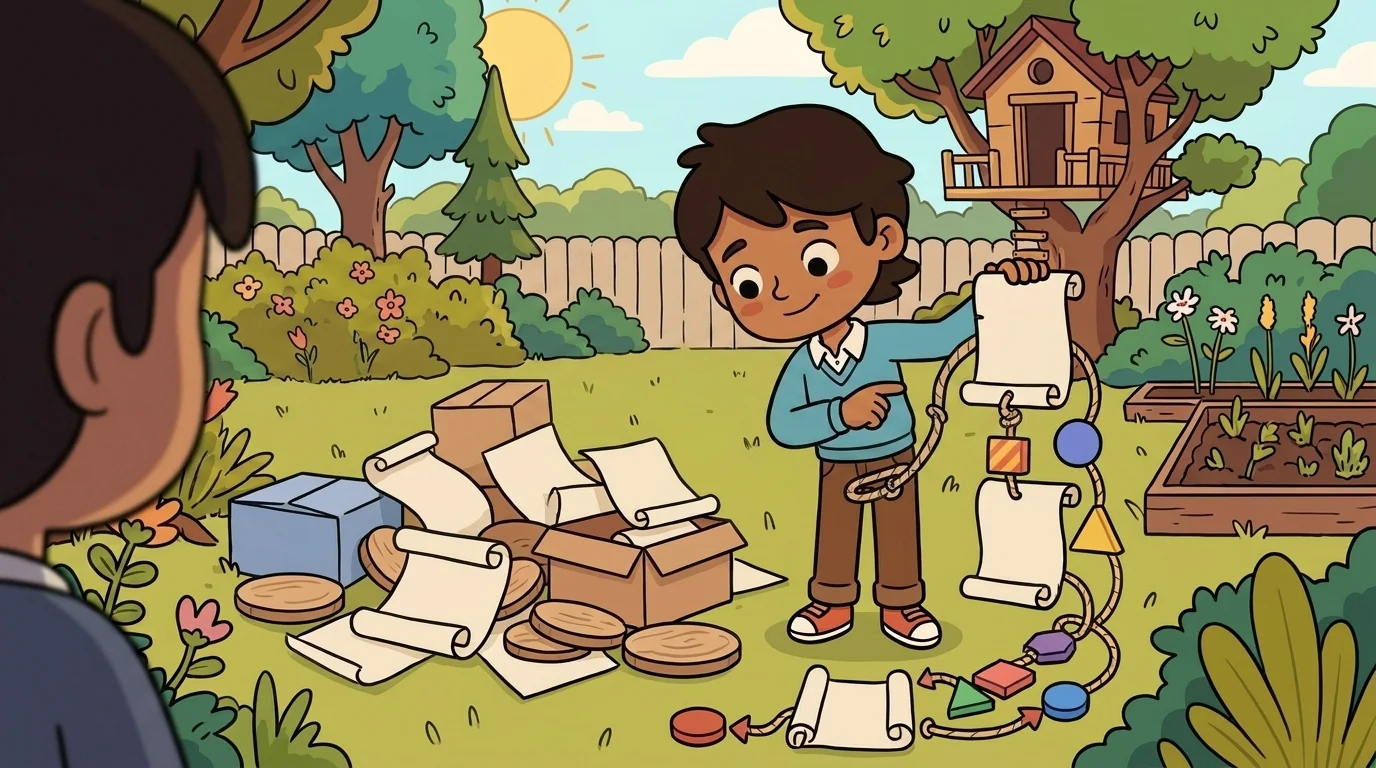
The member re-planned their five clues as a chain. "Clue one's answer is 'MAILBOX,' and clue two is in the mailbox. Clue two's answer is 'SWING SET,' and that's where clue three is..." They traced it all the way to the treasure. "Each one hands me the next spot. And if I walk it myself first, I'll catch any link that doesn't connect." Chaine nodded warmly. "Now it's a real hunt. Solve, and the path opens one step at a time."
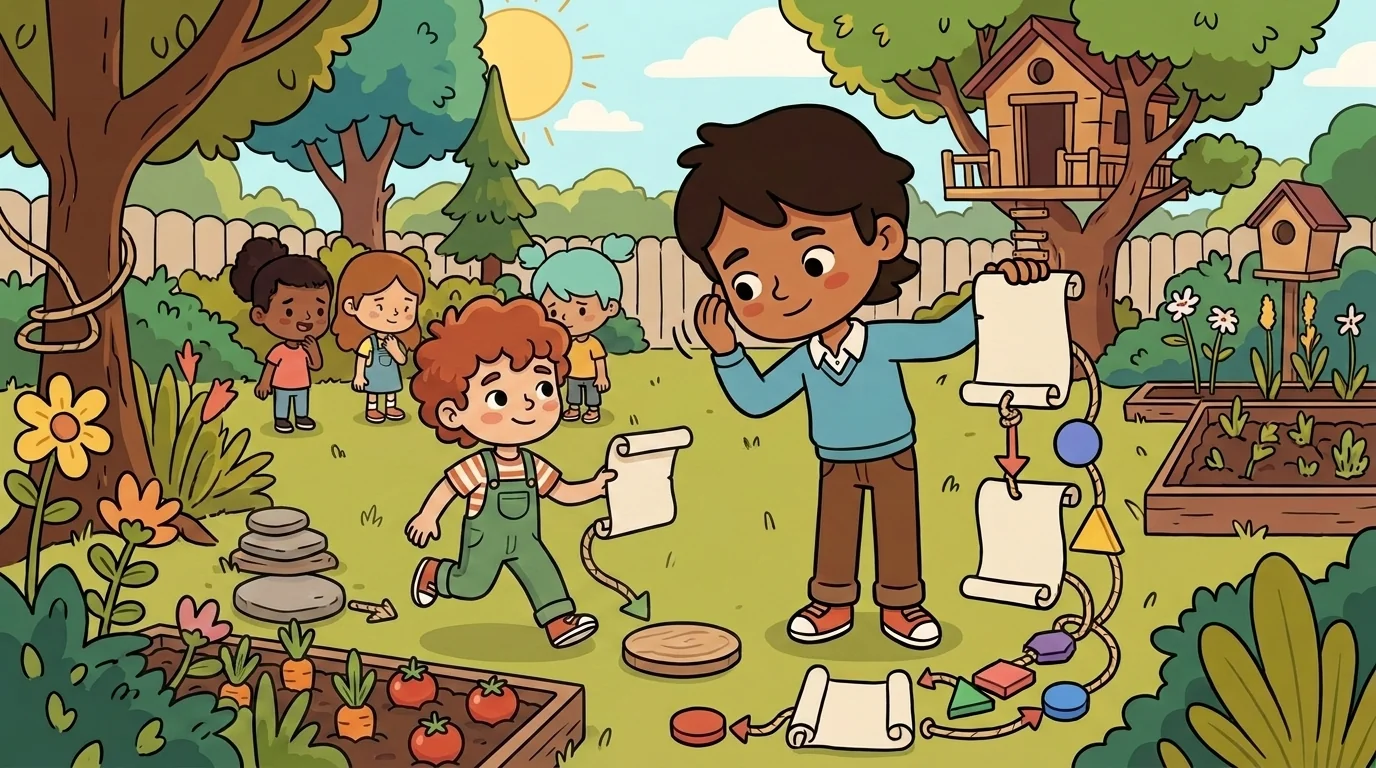
The member rebuilt their trail as a proper chain and watched their friends flow through it — solve, dash to the next spot, solve again — without a single tangle, and the difference from the scattered chaos was night and day. What they took from it went past treasure hunts: they saw how a good sequence carries a person, how each finished step can hand you exactly what you need for the next, so you're never lost and never stuck. Building something that guided people that smoothly felt deeply satisfying — like laying a path plank by plank and watching someone walk it without stumbling once. That builder's pride — I can design a journey where every step I solve reveals the next, so no one ever gets lost between them — settled steady into them, and Chaine watched it with a fellow-builder's warmth, because teaching the chain was really teaching someone to think about the whole path, not just the pieces. "Each answer names the next hiding place," Chaine said, and the member was already linking their next hunt end to end.
The HuntForge ensemble
Chaine is part of HuntForge's distributed-narrative cast. Each character embodies a different curricular primitive; together they teach the full subject.
-
Kaesa
Caesar shift — slide every letter the same number of steps
-
Mira
Atbash mirror — flip the alphabet so A trades places with Z
-
Numa
A1Z26 code — swap each letter for its number in the alphabet
-
Enigmo
Riddle-weaver — hide the answer inside a playful description
-
Substa
Substitution key — swap letters by a secret key you share
-
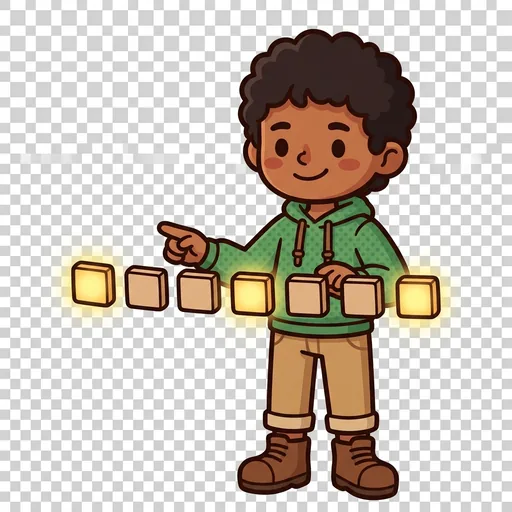
Leapa
Skip-reading — read every Nth letter to reveal the message
-
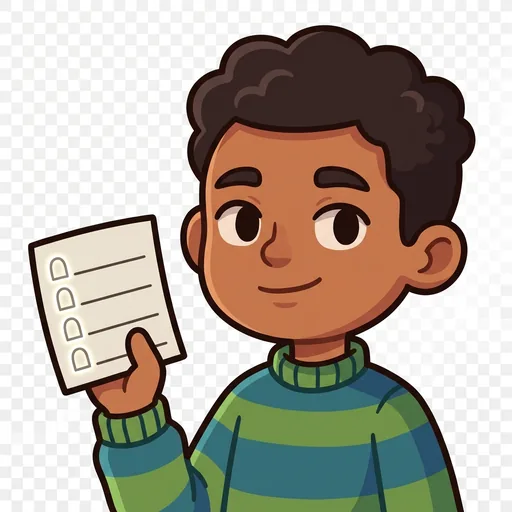
Acro
Acrostic — the first letter of each line spells the clue
-
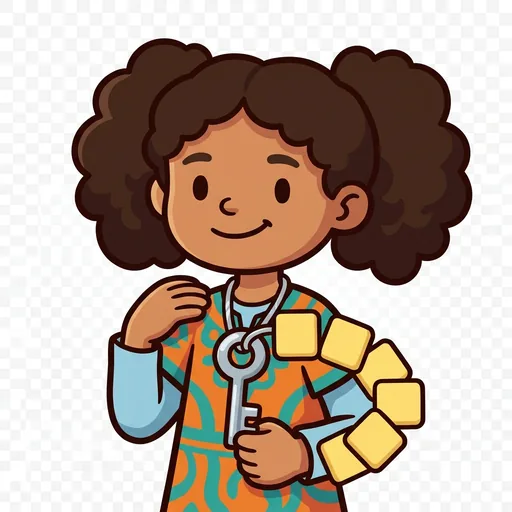
Keyna
Keyword cipher — one code word sets the whole secret alphabet
-
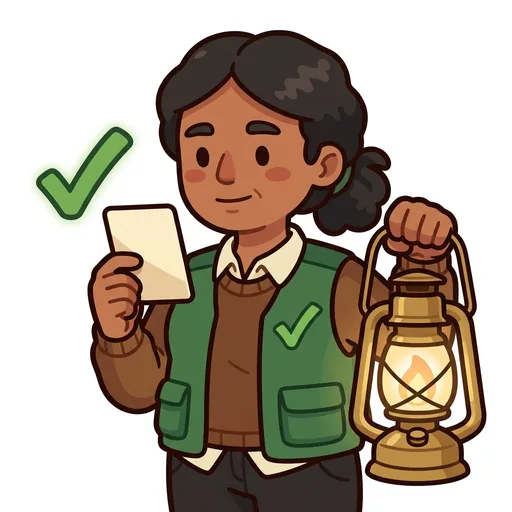
Verity
(Mentor) — the huntmaster who verifies every clue is solvable