Numa
THE A1Z26 CODE — *the cipher-maker whose recurring act is converting each letter to its position number in the alphabet, and converting numbers back to letters to read the message.*
Loading audio…
Press play to listen along. The line being read lights up as you go.
Show full transcript
Loading transcript…
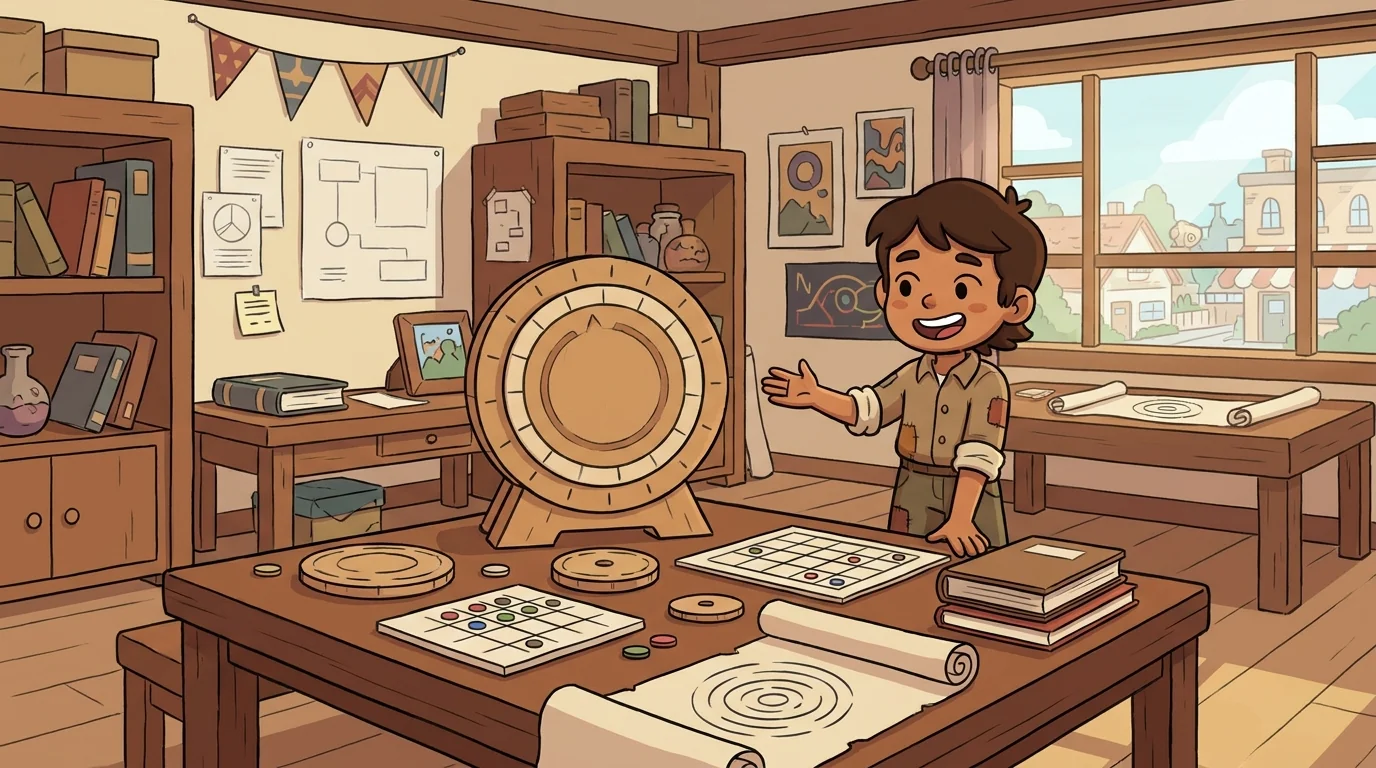
A Guild member wanted a clue that would look, at a glance, like it wasn't even words — just a jumble of numbers, so a passer-by wouldn't guess there was a message at all. Numa, who thought in counting, grinned. "Then stop using letters," Numa said. "Turn them into numbers. Every letter has a place in the alphabet — use the place."
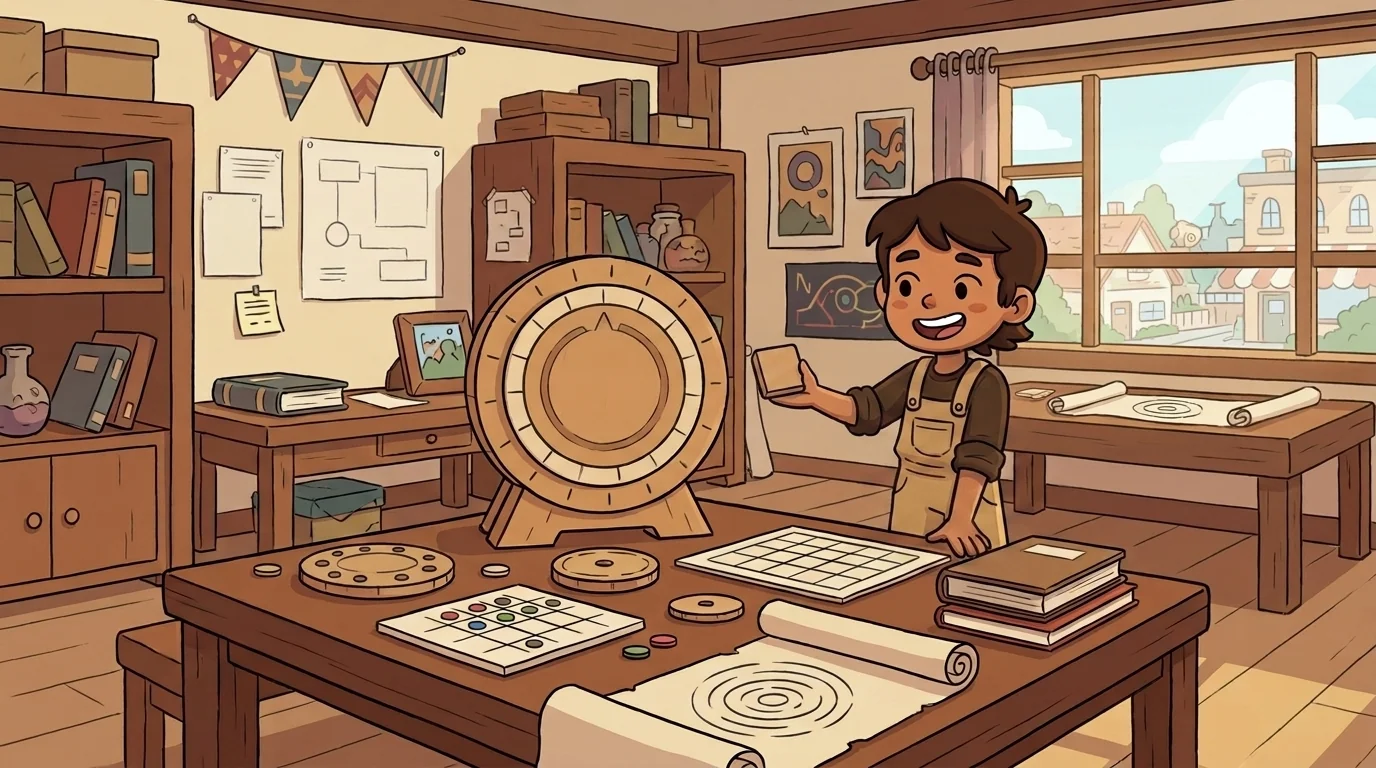
"A is the first letter, so A is one," Numa said. "B is two, C is three, all the way to Z, which is twenty-six. So I just replace each letter with its number. The word CAT — C is three, A is one, T is... A-B-C up to T, that's twenty — becomes three, one, twenty. I write it with little dashes so the numbers don't run together: 3-1-20. To anyone glancing, it's just digits. But a solver who knows the trick counts each number back into a letter and the word steps out." Numa tapped the card. "Letters into numbers to hide, numbers into letters to find."
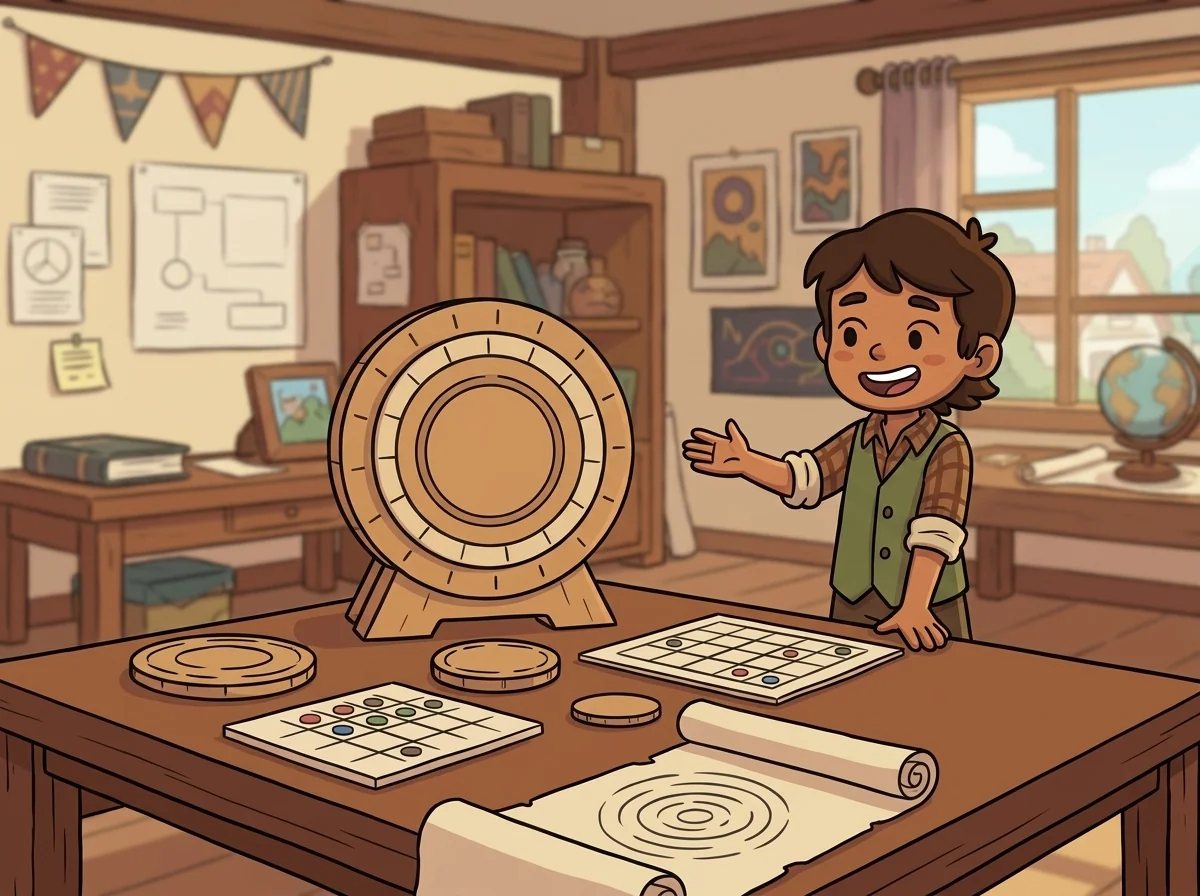
"Here's the thing I always tell people," Numa said, "so they don't get stuck: you have to separate the numbers clearly, or twelve could mean the letter L, or it could mean one-then-two, A-B. So I always put a dash or a space between each letter's number. That little bit of care is what keeps my clue fair — a solver should have to know the alphabet's order, not have to guess where one number ends and the next begins. And the alphabet-in-order is the whole key: if you can count A, B, C to twenty-six, you can build my code and you can break it. It hides words in plain-looking digits, but it never locks out anyone who knows their letters."
The member tried it on the word GO. "G is... A one, B two, C three, D four, E five, F six, G seven. And O is... fifteen. So GO becomes seven, fifteen — 7-15." They wrote it with a dash. "And to solve it, count seven letters in for G, fifteen letters in for O — GO." They laughed. "It looks like a bus number, but it's a word." Numa nodded. "And because you dashed them, nobody will read the seven-fifteen as some other letters. Clear numbers, fair puzzle."
The member built a trail where every clue looked like a meaningless string of digits, and watching friends squint at the numbers before the words suddenly surfaced gave them a real thrill — but the part that stuck was subtler. They'd learned that a good hidden clue isn't about being tricky; it's about being hidden and honest at the same time, and that one careful habit — dashing the numbers so nothing was ambiguous — was what made the difference between a fair puzzle and a mean one. There was pride in building something that fooled the eye yet opened cleanly for anyone patient enough to count. That satisfied, craftsmanlike feeling — I can disguise words as numbers and still play fair, if I'm careful to keep them clear — settled into them, and Numa watched it with a counter's quiet joy, because teaching the number-code was really teaching someone that cleverness and fairness belong in the same puzzle. "Letters to numbers, dash them clear, count them home," Numa said, and the member was already numbering their next clue.
The HuntForge ensemble
Numa is part of HuntForge's distributed-narrative cast. Each character embodies a different curricular primitive; together they teach the full subject.
-

Kaesa
Caesar shift — slide every letter the same number of steps
-

Mira
Atbash mirror — flip the alphabet so A trades places with Z
-

Enigmo
Riddle-weaver — hide the answer inside a playful description
-
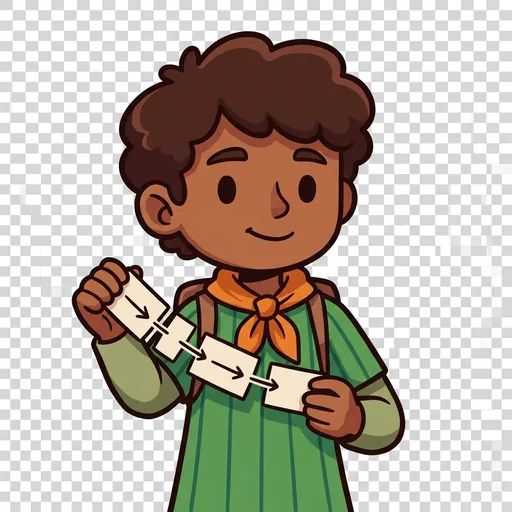
Chaine
Checkpoint chain — each solved clue points to where the next hides
-
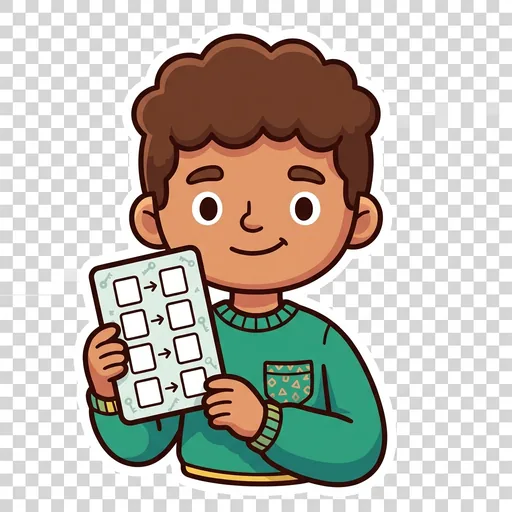
Substa
Substitution key — swap letters by a secret key you share
-
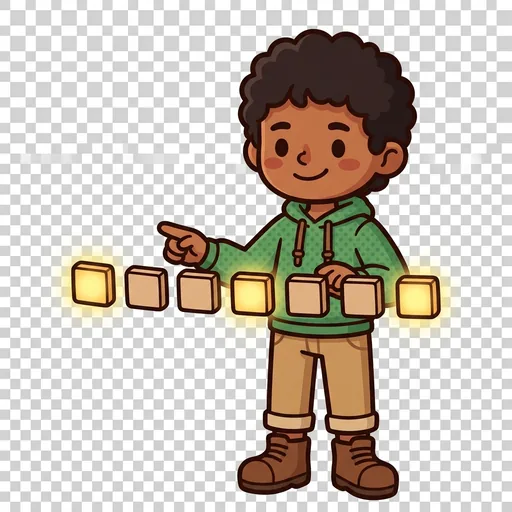
Leapa
Skip-reading — read every Nth letter to reveal the message
-
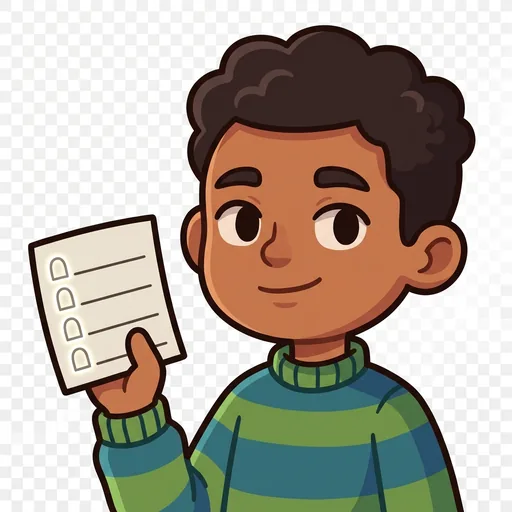
Acro
Acrostic — the first letter of each line spells the clue
-
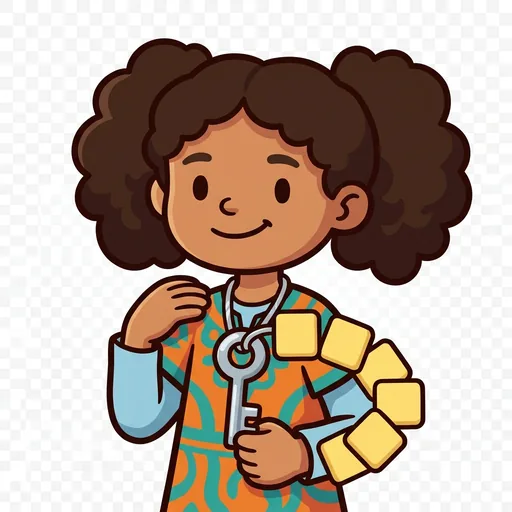
Keyna
Keyword cipher — one code word sets the whole secret alphabet
-
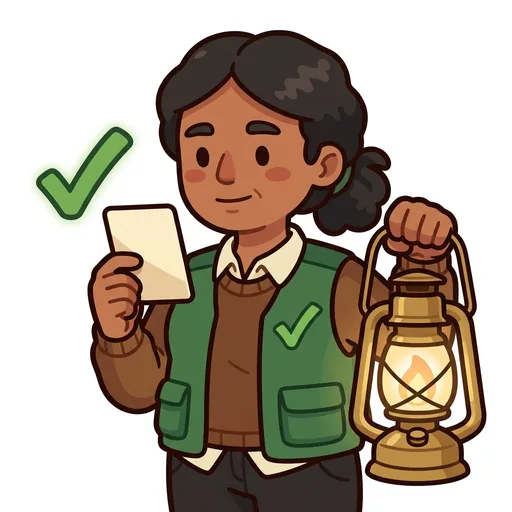
Verity
(Mentor) — the huntmaster who verifies every clue is solvable