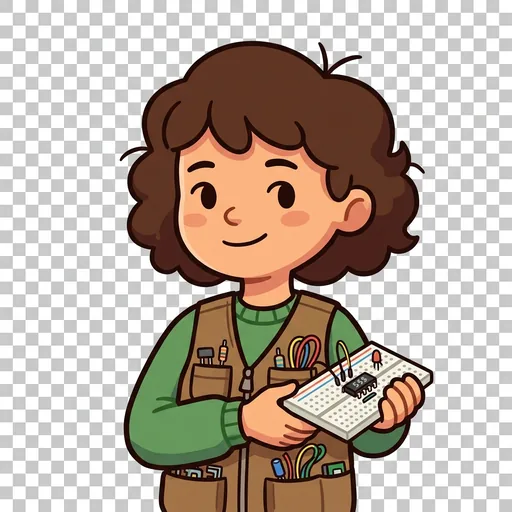
Kaesa
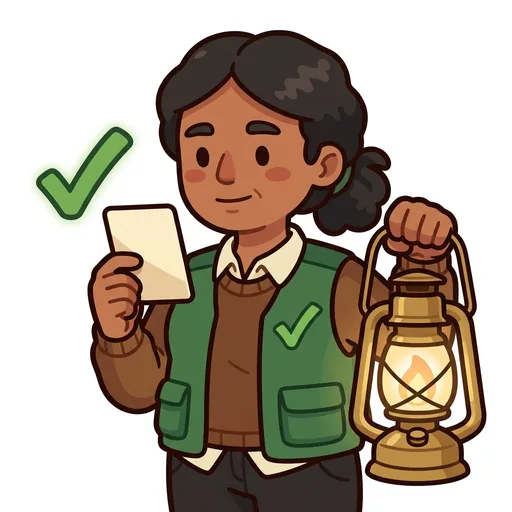
THE CAESAR SHIFT — *the cipher-maker whose recurring act is enciphering a message by moving every letter the same fixed number of steps along the alphabet, and deciphering by shifting back the same amount.*
Loading audio…
Press play to listen along. The line being read lights up as you go.
Show full transcript
Loading transcript…
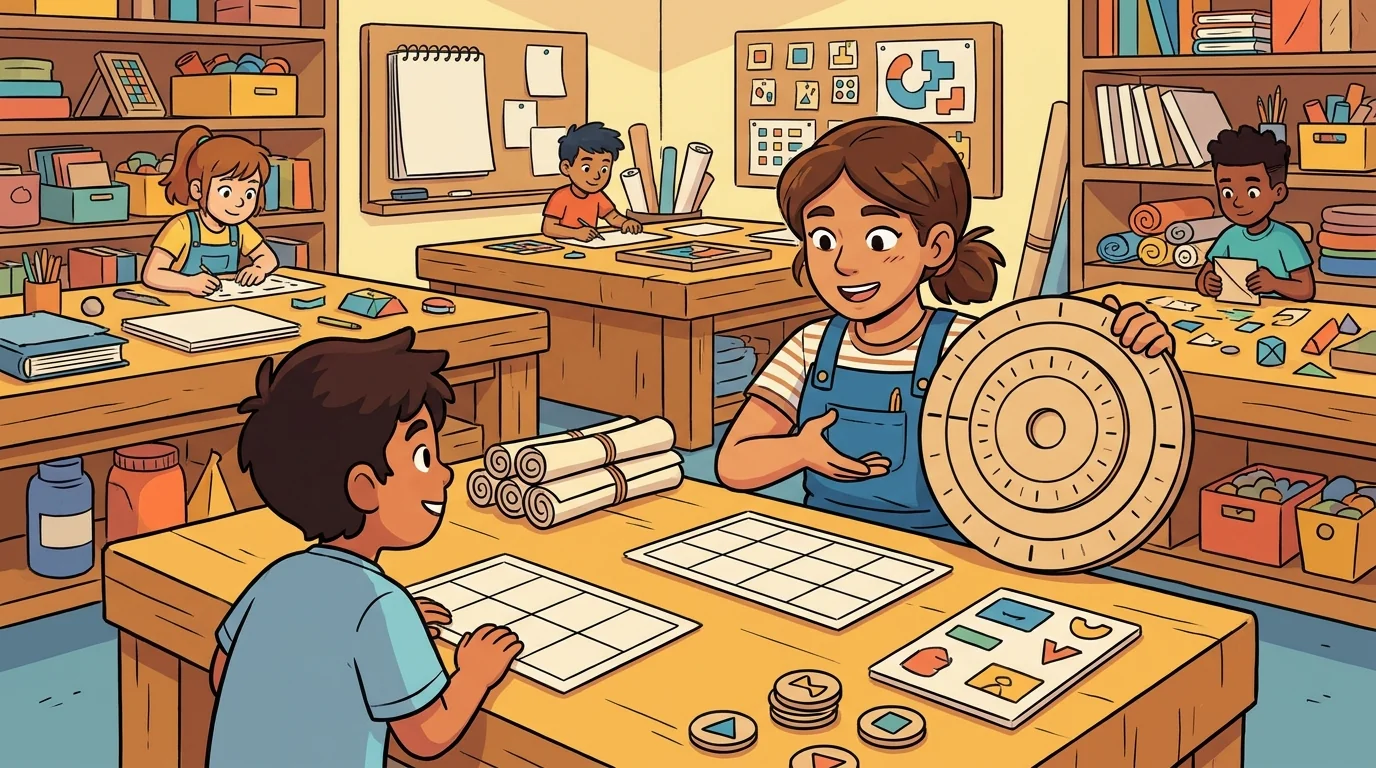
In the Hunt Guild, where kids built puzzle-trails for one another, a newcomer wanted to hide a clue so it couldn't just be read — but every code they invented was either unbreakable-even-by-friends or so obvious it wasn't hidden at all. Kaesa, who made the cleanest secret messages in the Guild, sat down beside them. "You don't need anything fancy," Kaesa said. "You need one small, simple rule. Watch me slide the whole alphabet."
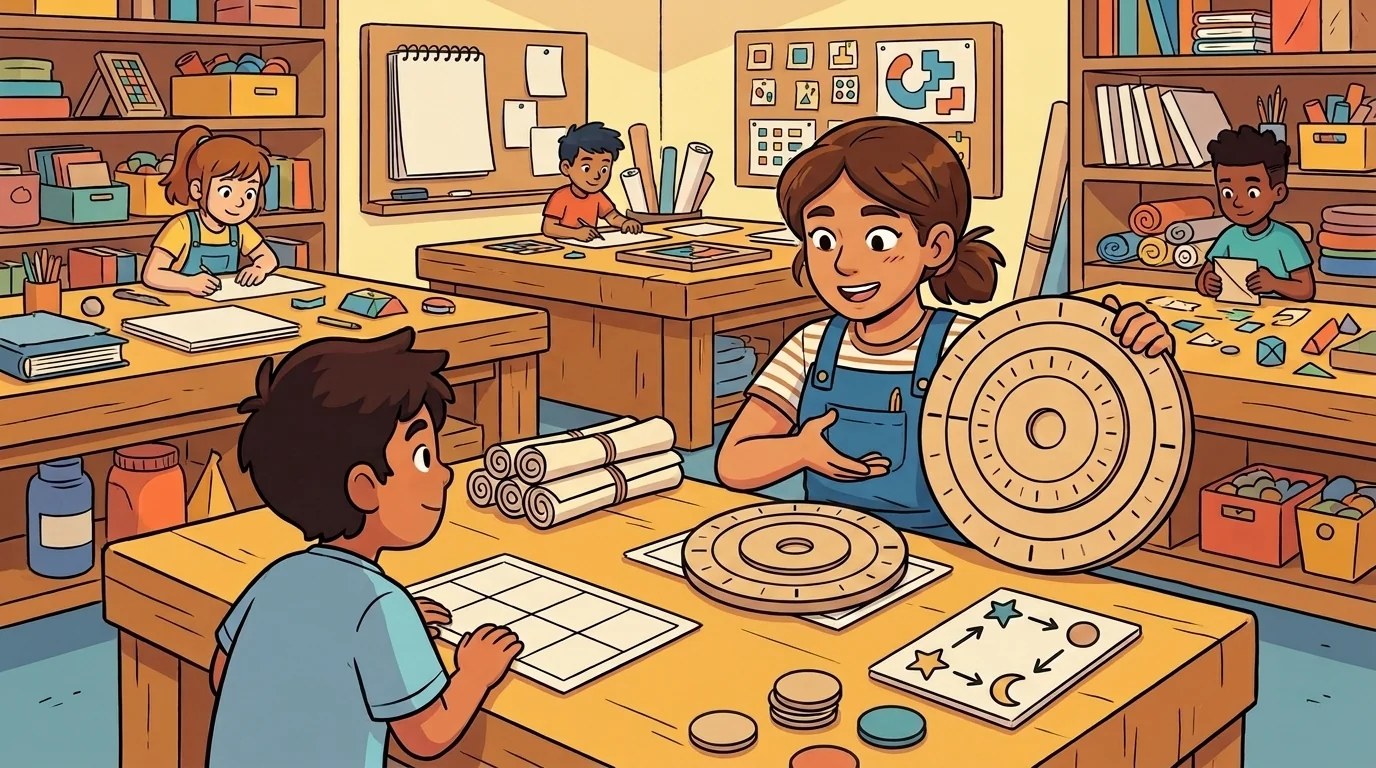
"Pick a number — say three," Kaesa said. "Now every letter in my message moves three steps forward along the alphabet. A becomes D. B becomes E. C becomes F. The word CAT — C slides to F, A slides to D, T slides to W — becomes FDW. Anyone who reads FDW sees nonsense. But a friend who knows the secret number just slides every letter three steps back — F to C, D to A, W to T — and CAT walks right out again." Kaesa smiled. "Same slide, one way to hide, the other way to find."
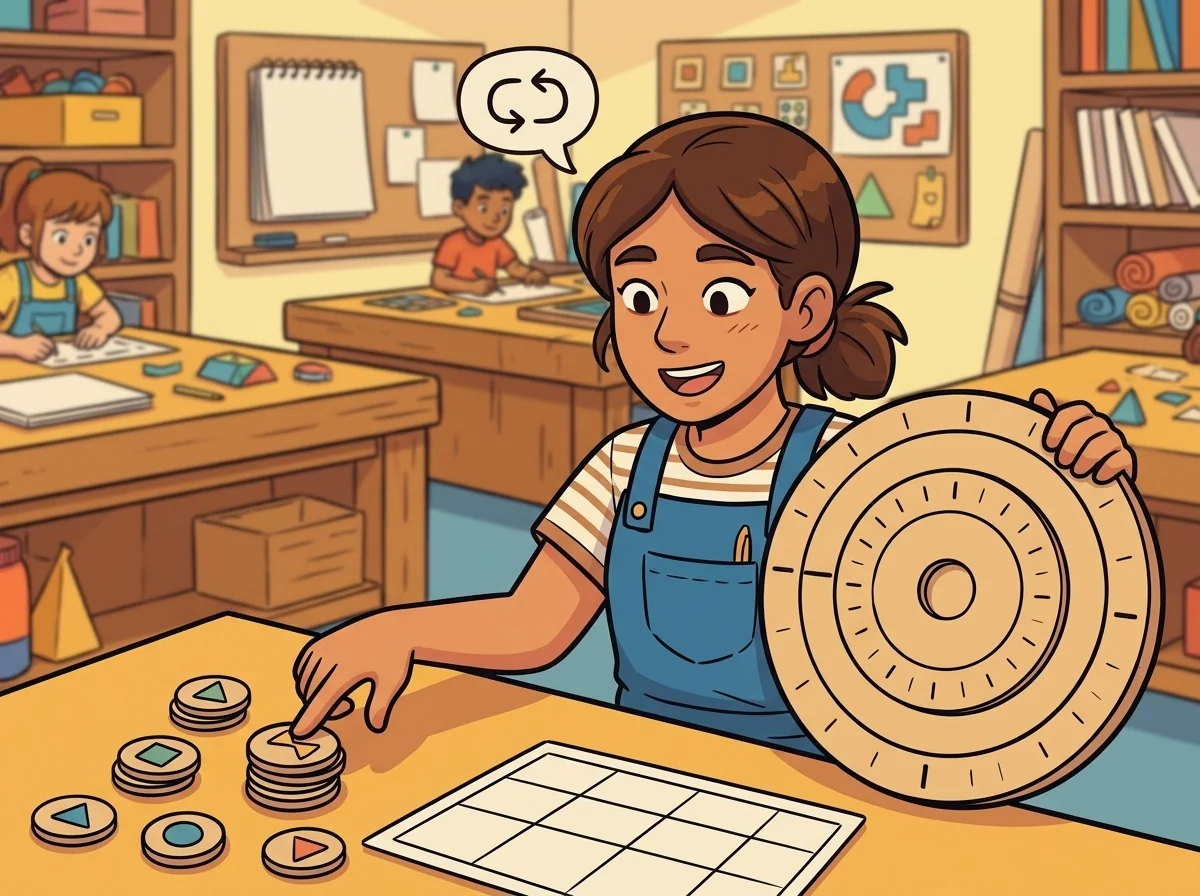
"What I love about the shift," Kaesa said, "is that the secret isn't the method — everybody can know I 'slid the alphabet.' The secret is the number. Three, or seven, or twenty. That one little number is the whole key. And when the alphabet runs off the end — Y shifted by three — you just wrap around to the front: Y, Z, then A, B. It loops like a circle. So no letter is ever stuck. That's why I trust it for a hunt: it's simple enough that I never make a mistake building it, but a solver still has to do something — figure out or be told the number — before the message opens. A good clue should make you work a little, not lock you out forever."
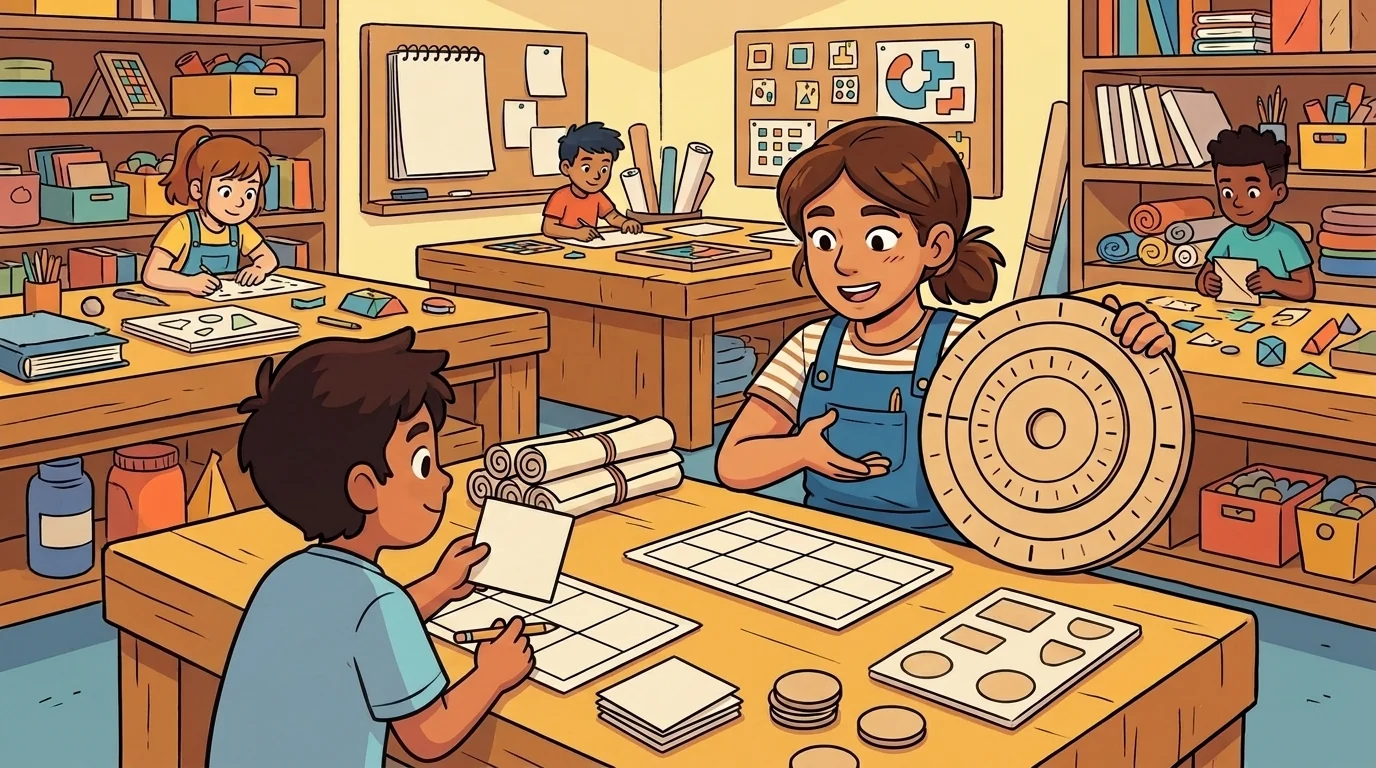
The newcomer tried it, shifting the word GO by five: "G slides to... H, I, J, K, L. And O slides to... P, Q, R, S, T. So GO becomes LT." They wrote LT on a card. "And to solve it, my friend slides L and T back five — L, K, J, I, H, G, and T, S, R, Q, P, O — GO." They grinned. "It came back perfectly. And if they don't know it's five, they just have to try — there's only twenty-six ways." Kaesa nodded. "Exactly. Hidden, but always findable. That's the balance."
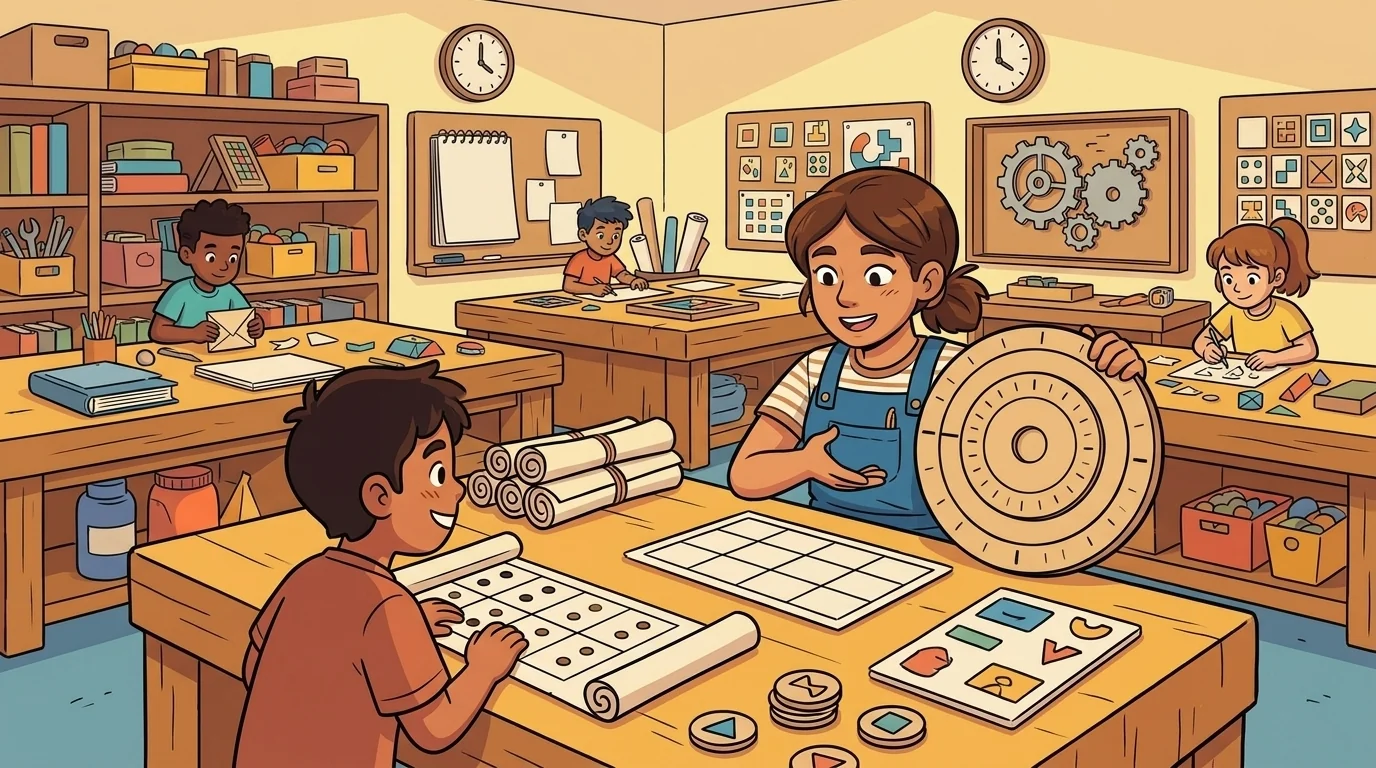
The newcomer built a whole trail of shifted clues, humming as they slid letters forward, and something clicked into place that was bigger than the cipher itself: they'd been afraid that "making a secret" meant either being unfair to their friends or not really hiding anything, and here was a third way — a puzzle that was genuinely hidden and genuinely solvable, held together by one honest little number. It felt generous, somehow, to build a secret you wanted someone to crack. That warm, capable feeling — I can hide something so it's a real puzzle, yet always give my friend the key to find it — settled brightly into them, and Kaesa watched it land with satisfaction, because teaching the shift was really teaching someone that the best secrets are the ones built to be discovered. "Slide to hide, slide back to find," Kaesa said, and the newcomer was already enciphering the next clue.
The HuntForge ensemble
Kaesa is part of HuntForge's distributed-narrative cast. Each character embodies a different curricular primitive; together they teach the full subject.
-

Mira
Atbash mirror — flip the alphabet so A trades places with Z
-

Numa
A1Z26 code — swap each letter for its number in the alphabet
-
Enigmo
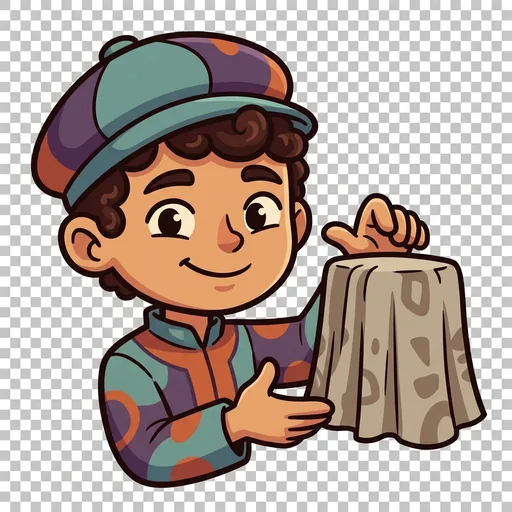
Riddle-weaver — hide the answer inside a playful description
-
Chaine
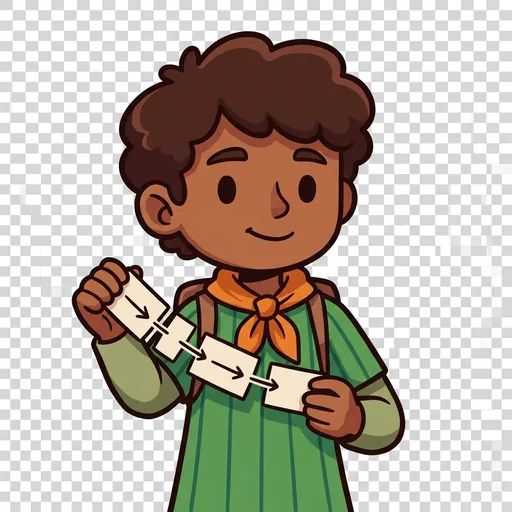
Checkpoint chain — each solved clue points to where the next hides
-
Substa
Substitution key — swap letters by a secret key you share
-
Leapa
Skip-reading — read every Nth letter to reveal the message
-
Acro
Acrostic — the first letter of each line spells the clue
-
Keyna
Keyword cipher — one code word sets the whole secret alphabet
-
Verity
(Mentor) — the huntmaster who verifies every clue is solvable