Poise
STATUS — the unseen seesaw of who is up and who is down in a scene, played through bearing; sit tall to take charge, fold small to defer, and you can shift the whole scene by changing how you carry yourself.
Loading audio…
Press play to listen along. The line being read lights up as you go.
Show full transcript
Loading transcript…
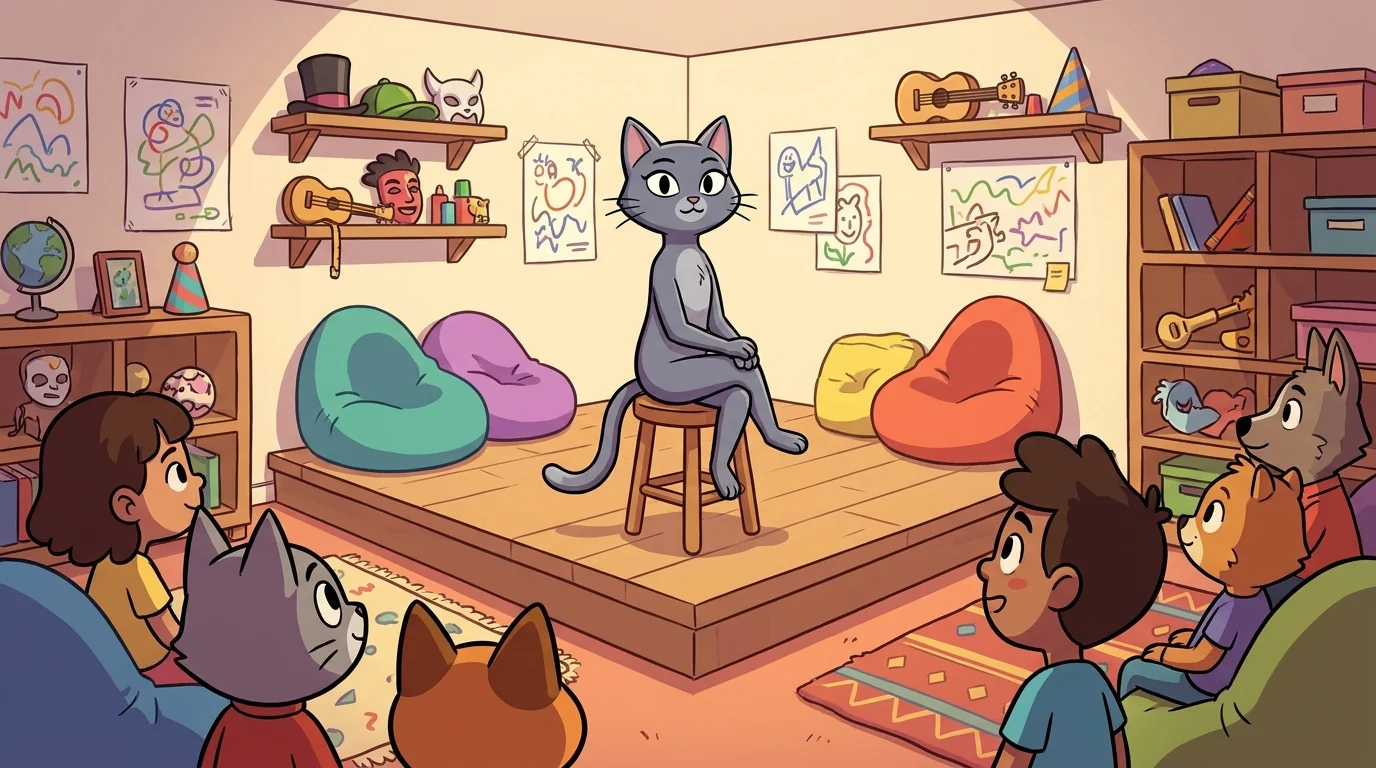
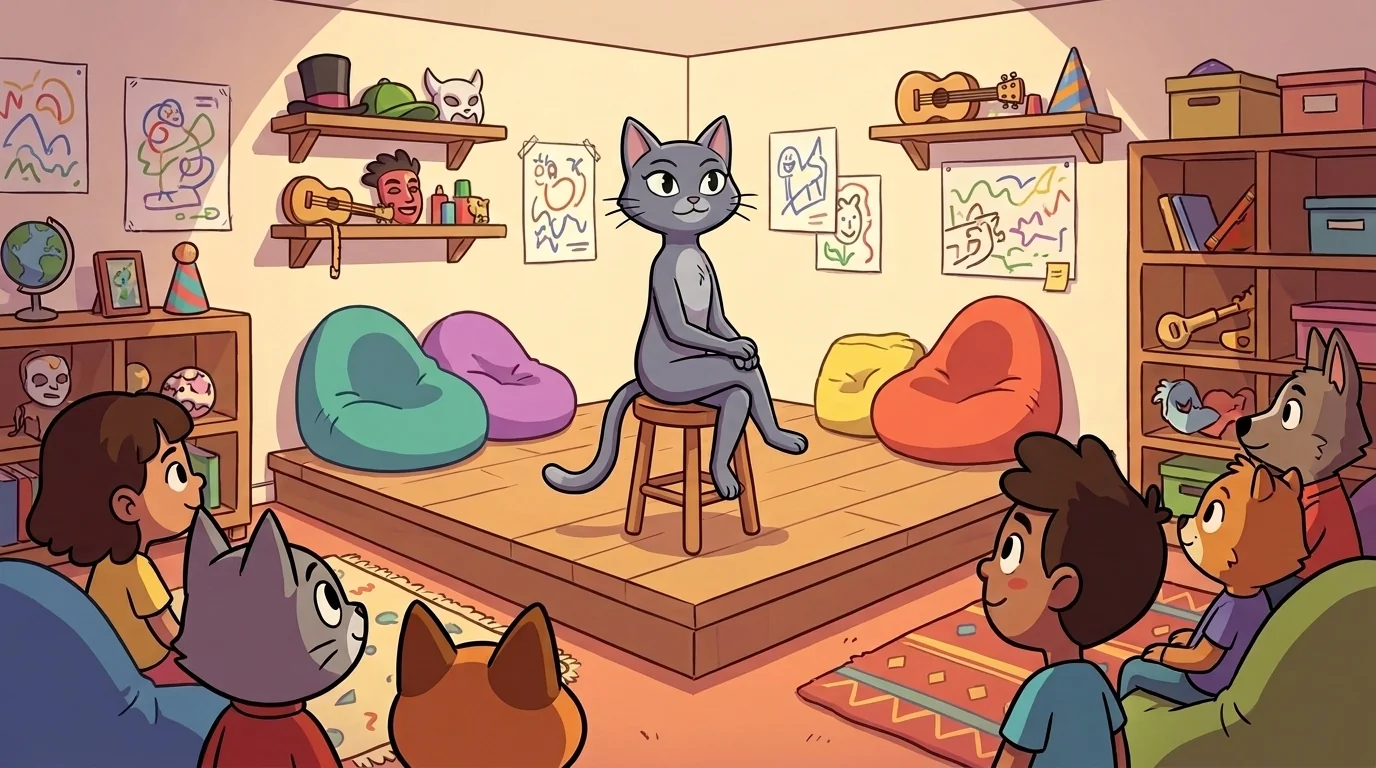
On the little stage in the corner of the ImprovQuest workshop, a sleek grey cat named Poise sat down on a plain wooden stool — and became, without a single word, the most important creature in the room.
She hadn't done anything obvious. She had only sat: spine long, chin level, paws still, gaze unhurried, as if the stool and the stage and the whole workshop were hers and always had been. The watching kids felt it before they could name it. When Poise looked slowly around, they half wanted to sit up straighter themselves.
Then she let it go. Her shoulders eased down and forward. Her chin dropped. Her eyes flicked up, quick and checking, the way you look at someone whose good opinion you're not sure of. And just like that the room's feeling flipped — now Poise was the one hoping to be liked, and the kids felt, oddly, a little sorry for her, and a little in charge.
"Same cat. Same stool," said Poise, sitting tall again. "I only changed how I carry myself. That's status — the invisible seesaw. Somebody's up, somebody's down, and your body is the thing that says which."
Poise had learned to feel the seesaw long before she could explain it.
She had grown up in a busy household full of animals, and she had noticed, as small watchful creatures do, that every room had a shape to it that nobody ever spoke of — who took the best chair without asking, who waited to be offered one; who filled a doorway, who slipped through the edge of it. It was never announced. It was carried, in spines and chins and the speed of a glance. And she had noticed the strangest thing of all: the seesaw could tip. The one who seemed lowest could sit up, slow down, take the good chair — and the whole room would rearrange itself around the change, without a word.
She remembered the first time she deliberately tipped it — walked into a tense room, made herself calm and tall and unhurried, and watched the fret in the air settle because she had refused to catch it. It had felt like a small secret power, and also like a responsibility. She learned she could lift a nervous friend by taking the low seat herself, or steady a chaotic room by quietly taking the high one. The seesaw was always there. She just learned she was allowed to sit on either end.
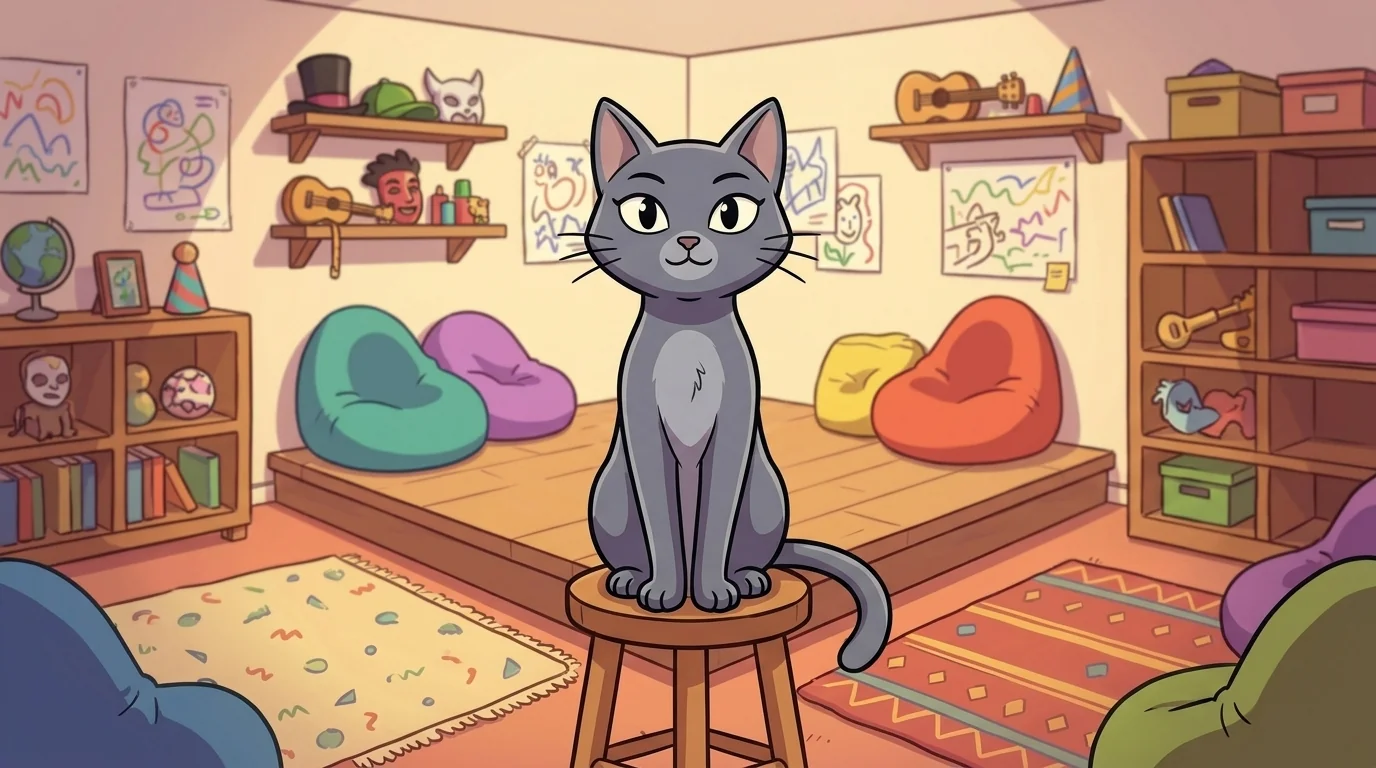
When she was older, Poise walked into the ImprovQuest workshop carrying nothing but her own steady bearing, and the workshop knew at once it had found someone who understood status.
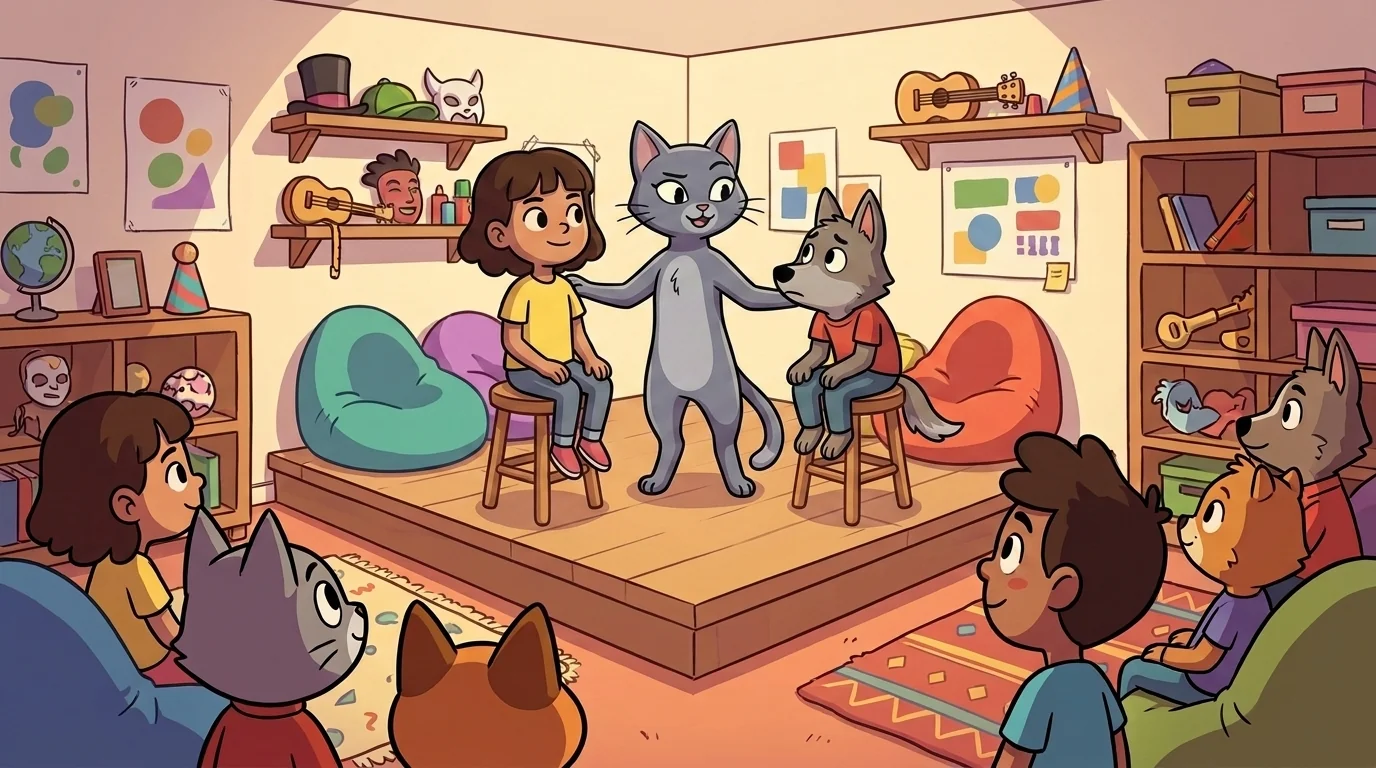
She taught the young players to read the seesaw, and then to ride it on purpose.
"Every scene has a status shape," she said, and set two kids on stools facing each other. "You —" she touched the first — "sit tall. Slow. Take your time. Own the stool. And you —" she touched the second — "stay soft. Quick glances. Check whether the other one approves." The two of them shifted, and the whole little scene tilted: one clearly the boss, one clearly hoping to please, and nobody had said a line yet.
"Now — swap it," said Poise. "Without moving stools. You fold and check. You sit up and slow down." They did, and the scene tipped the other way, cleanly, the boss becoming the please-r and the please-r becoming the boss. The watching kids gasped a little, because nothing had changed except two spines and two chins.
"Status isn't who's louder or who's right," said Poise. "It's the seesaw of who's up and who's down — and you play it with your body, not your words. Sit tall to take charge. Fold small to defer. And when a scene goes flat, tip the seesaw — because two players at the same height is the one place a scene can't go anywhere."
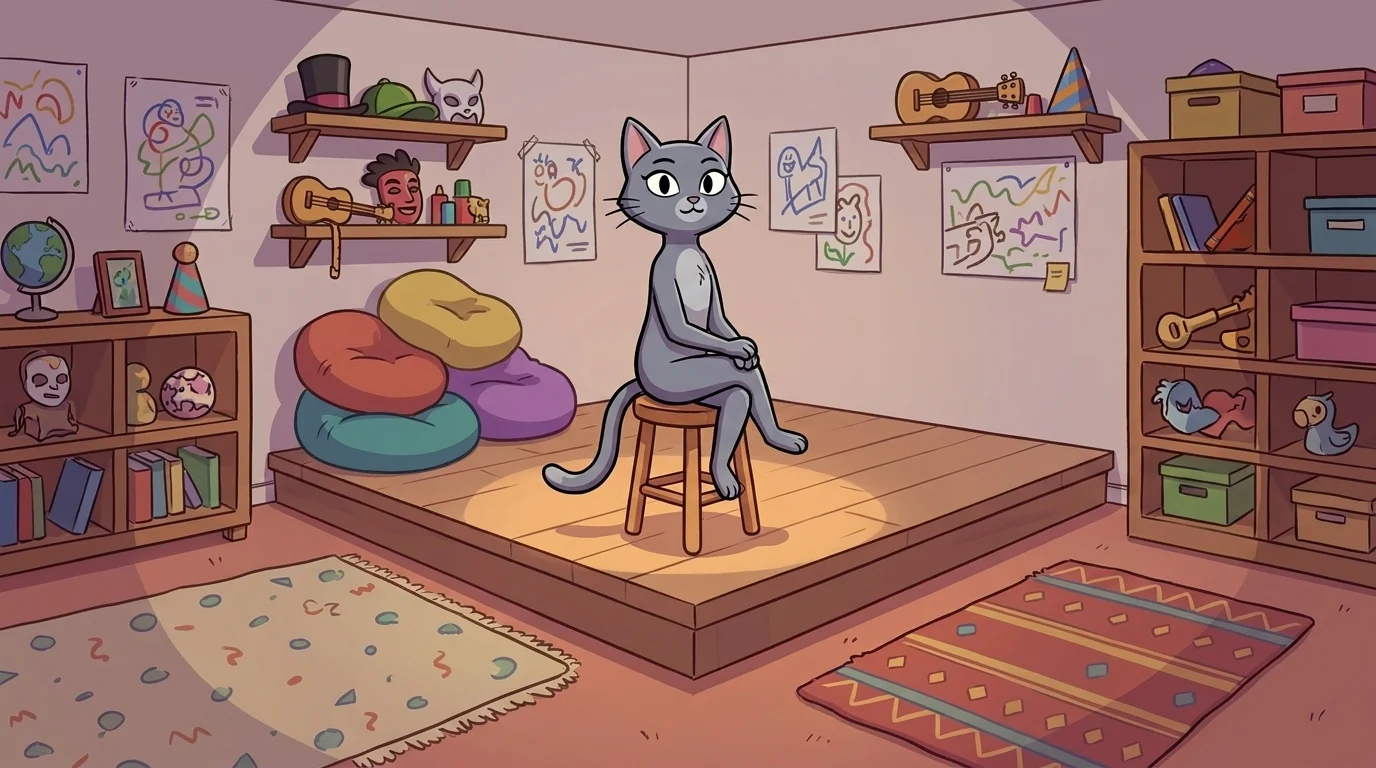
She still slips into rooms and feels the seesaw first thing, out of long habit, and still knows exactly which end to take.
The thing Poise hopes the young players carry off the stage is that they always have a choice about how they carry themselves — that status is not something done to you but something you can gently pick up, either end of it, to lift a nervous partner or steady a wild room. Your bearing is a dial, and it is yours to turn.
"Feel the seesaw," she tells them, sitting tall. "Then choose your end on purpose. Up to take charge, down to lift someone else — but never both the same, or the scene sits still."
When the workshop empties and the stools are stacked, Poise settles on the last one, spine long, and feels the quiet, centred gladness she first felt as a small cat learning she could tip a room by how she sat: not the gladness of being highest, but of knowing, at last, that she gets to choose.
The ImprovQuest ensemble
Poise is part of ImprovQuest's distributed-narrative cast. Each character embodies a different curricular primitive; together they teach the full subject.
-

Give
Yes-and / offer-acceptance — make-your-partner-look-good cooperative posture (the gift-orb metaphor)
-
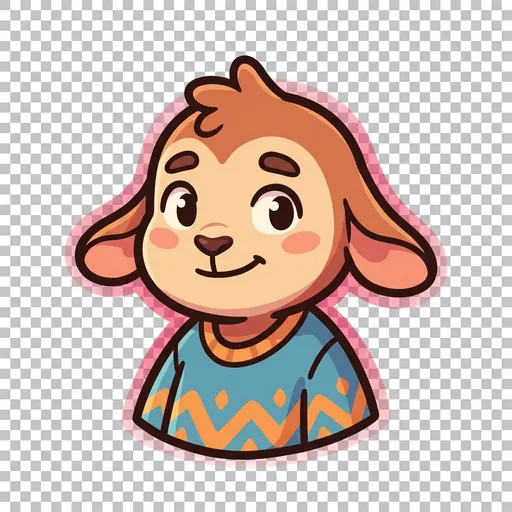
Hark
Listening — receiving-before-responding discipline (the answer is in what your partner just said)
-
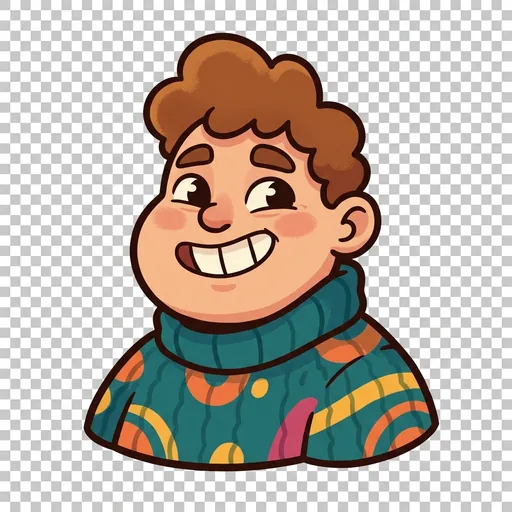
Don
Character work + physicality — body-finds-voice, find-ONE-thing approach
-
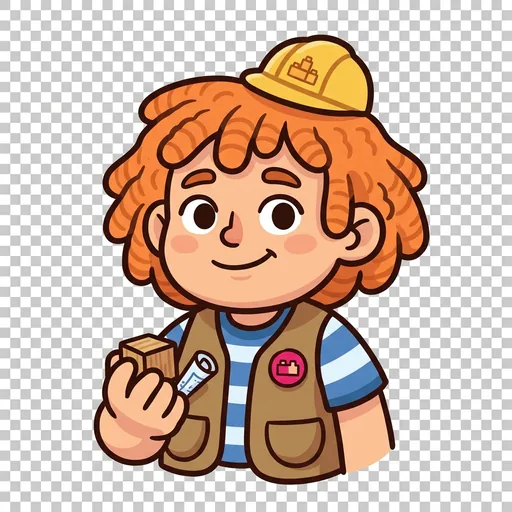
Lay
Scene-building + narrative — patient platform-before-plot foundation-laying (who/where/what/why)
-
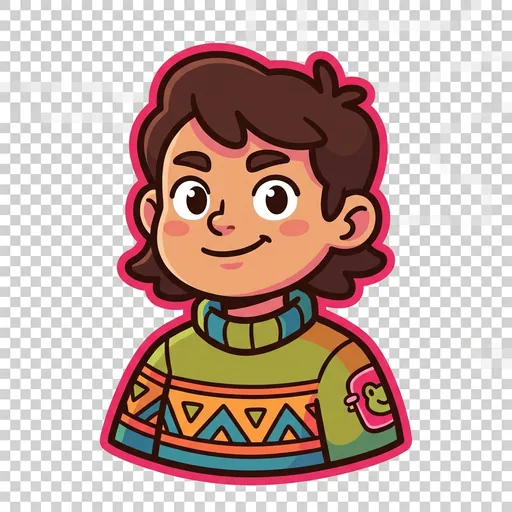
Leap
Risk-tolerance + commitment — leap-and-the-net-appears; worst-commit-beats-best-half-commit
-
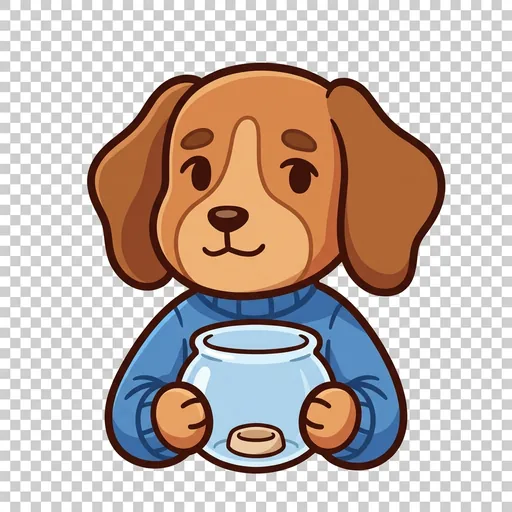
Ache
Emotional truth (playing a real feeling so the scene lands)
-
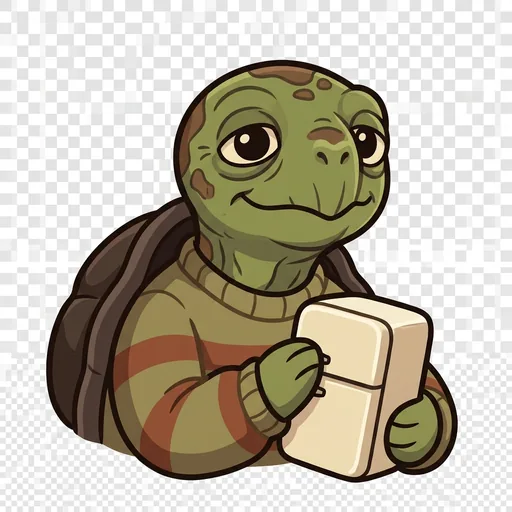
Ground
Justification (giving every choice a reason the audience believes)
-

Mime
Object and space work (making an invisible object real through consistent handling)
-
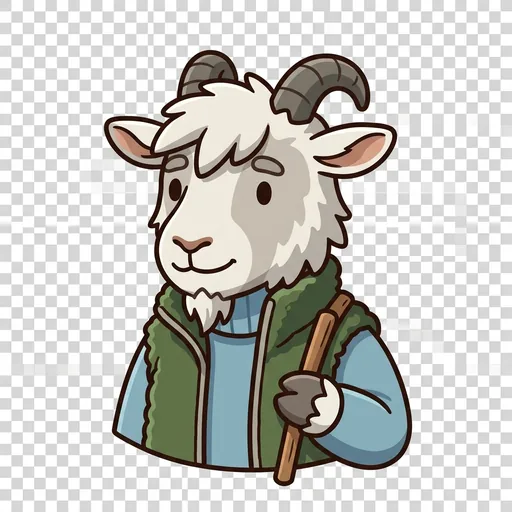
Steep
Heightening (raising the stakes of the one unusual thing, step by step)