
Meter and Again
METER measures exactly; AGAIN repeats to be sure. Together — one precise number is still a maybe; a precise number you got again and again is EVIDENCE. Measure it carefully, then measure it again, and now you truly know.
Loading audio…
Press play to listen along. The line being read lights up as you go.
Show full transcript
Loading transcript…
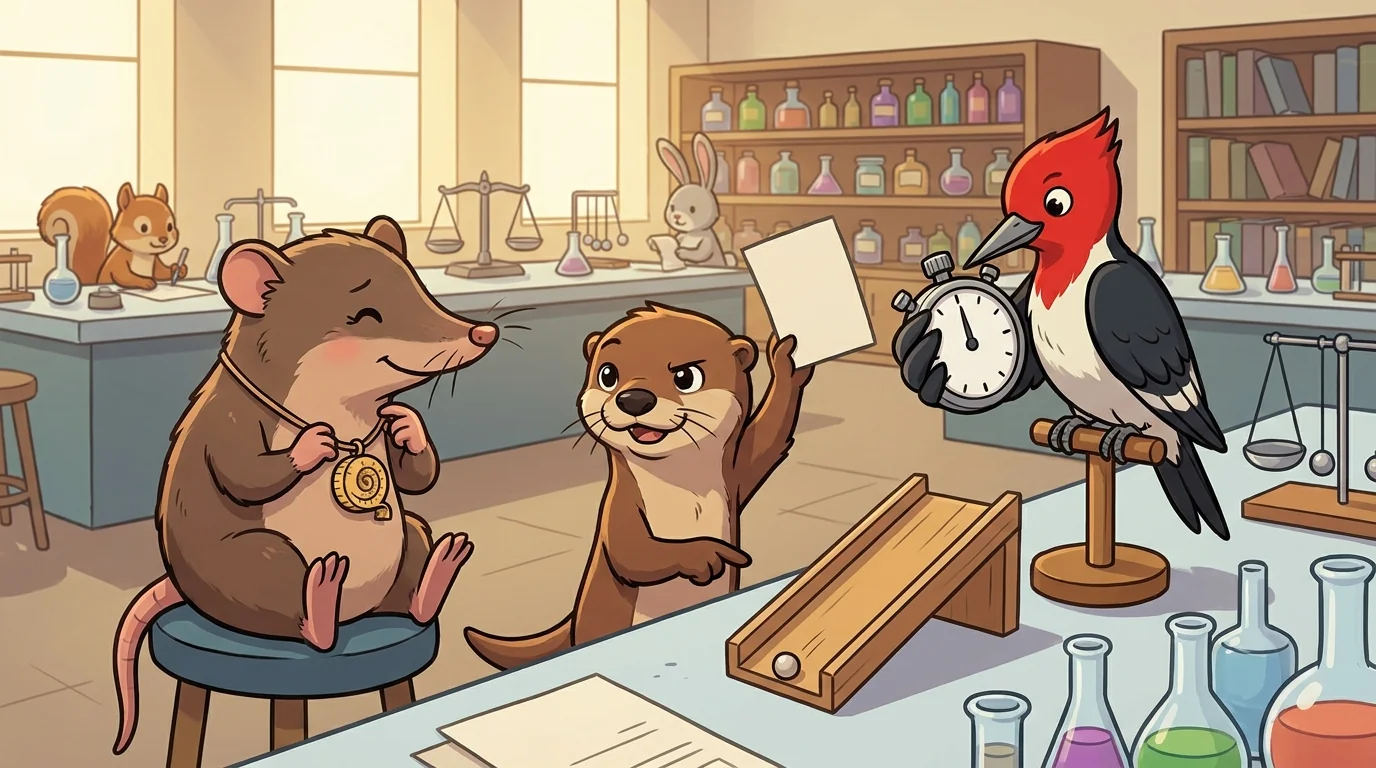
At a workbench in the Grand Laboratory, a young otter had a result he was proud of and, somehow, still couldn't defend — and both Meter the shrew and Again the woodpecker came to sit with him, because between the two of them lay the whole secret of a number you can actually trust.
"I measured it!" the otter said, waving a single reading. "The ball took exactly 1.2 seconds to roll down. Precisely. With a number and a unit and everything. So why does everyone keep saying they're 'not sure yet'?" He looked genuinely wounded. He had done, he was certain, everything right.
Meter twitched her whiskers, and Again tapped out his patient rhythm, and the two of them looked at each other the way partners do when one holds half an answer and one holds the other half.
"Your measuring is excellent," said Meter, touching her tape-charm. "1.2 seconds — a real number, a real unit, no fuzzy 'kind of fast.' That's my half, and you did it beautifully. A precise measurement beats a vague feeling every single time, and you didn't settle for a feeling." She paused. "But precision is only one of the two things a trustworthy number needs."
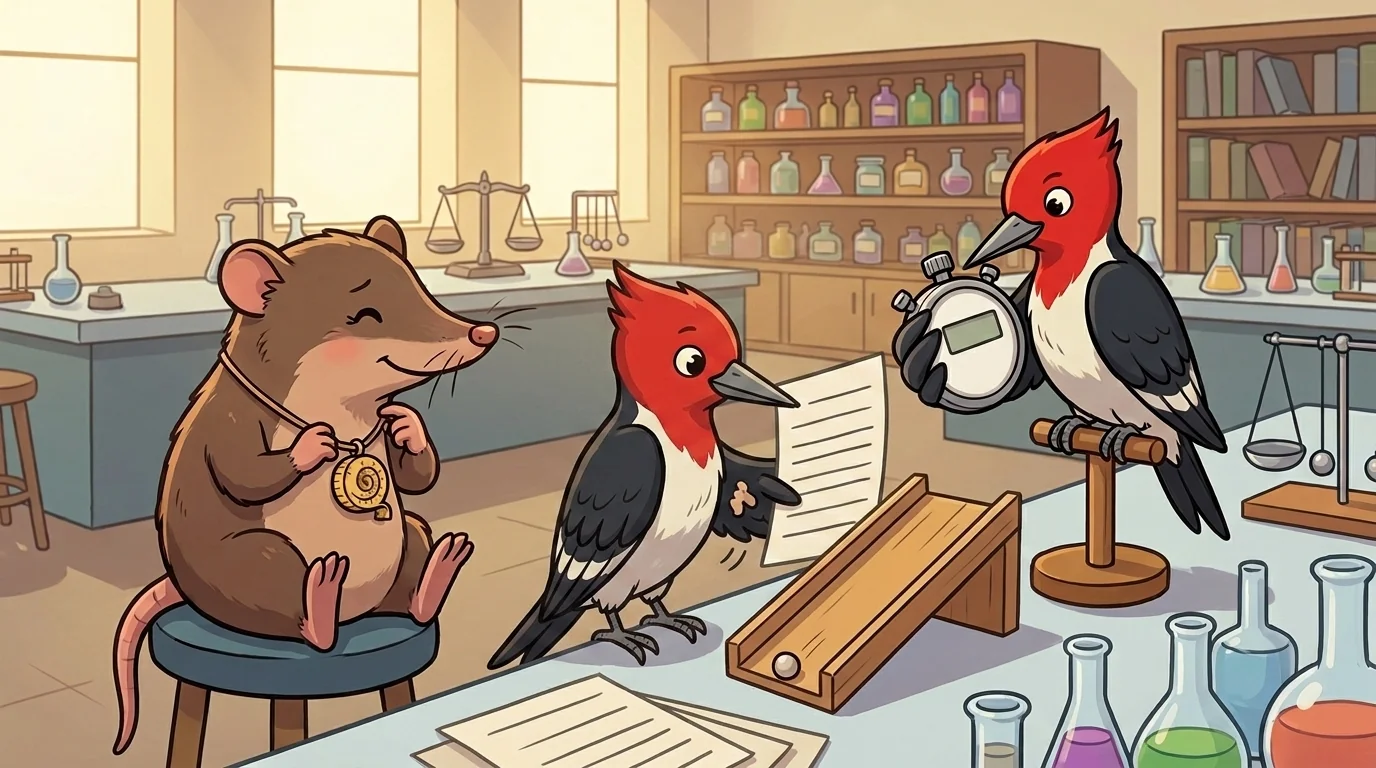
"And here's the other half," said Again, tapping. "You only did it once. And one measurement — even a perfectly precise one — is still a maybe. What if your thumb was a hair slow on the timer that run? What if a breeze nudged the ball that time? A single number, no matter how exact, might be a fluke wearing a very convincing disguise. Precision makes a number sharp. It doesn't make it sure."
The otter's face fell. "So my precise number is... still just a maybe?"
"A sharp maybe," Meter said kindly. "Which is much better than a fuzzy one — don't lose that. But yes."
"Roll it again," said Again. "And again. Same careful measuring each time."
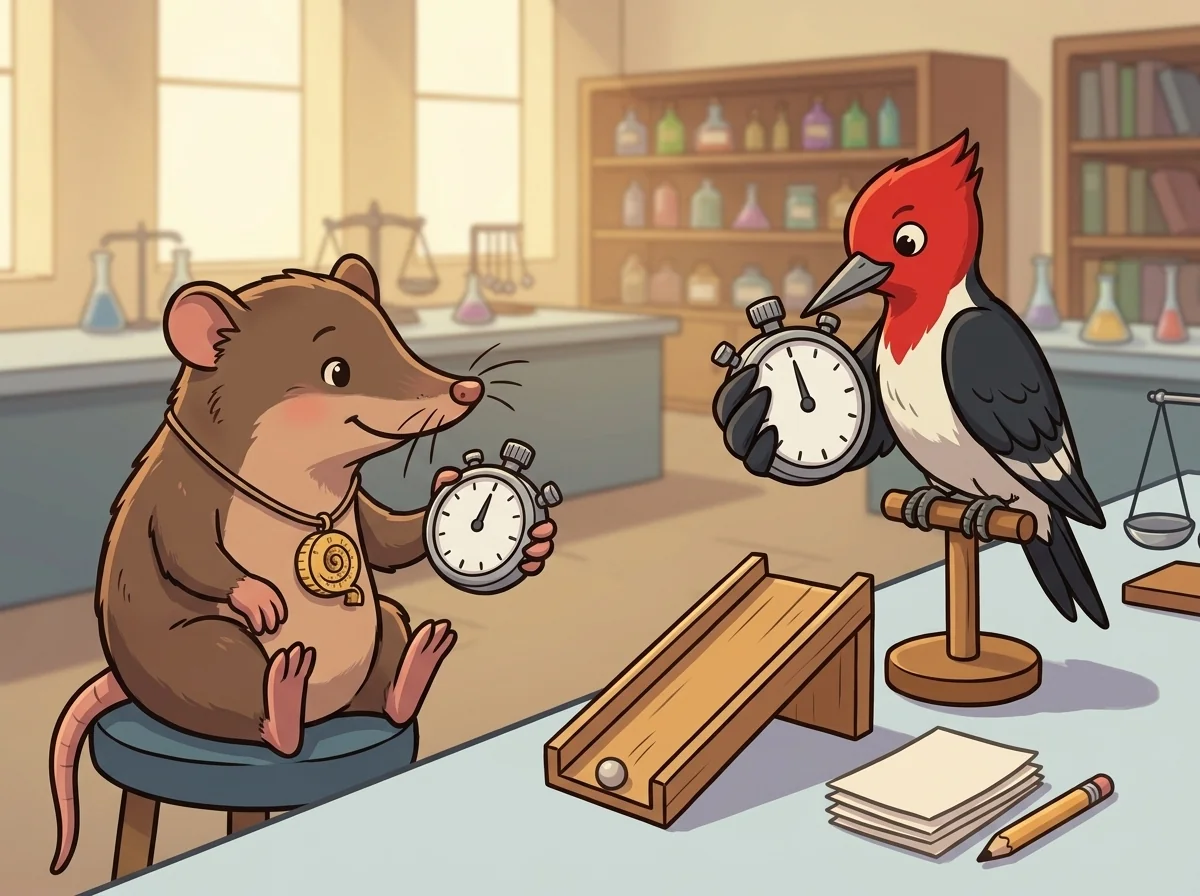
So the otter did. He rolled and timed and wrote, with Meter watching his technique and Again counting the runs. 1.2. Then 1.3. Then 1.2, 1.2, 1.4, 1.2. Seven precise numbers, all huddled close together around the same spot.
"There," said Again, tapping the row of readings. "Look how they cluster. Not one lucky number — seven, all agreeing. Now the 1.2-ish answer isn't a maybe anymore. It's evidence." He touched his tally-charm. "If one of these had come out at 4.0, we'd know something odd happened that run and go find out what. Instead they all lean the same way. That's what turns a sharp maybe into a sure thing."
Meter nodded. "My half made each number worth repeating — a precise reading is a fair test. His half made the collection worth trusting — a repeated reading is a real test. Alone, I give you a sharp maybe. Alone, he'd repeat a fuzzy feeling seven times and just get a fuzzy feeling with a bigger head. Together —"
"— you get a number that's both sharp and sure," Again finished. "Which is the only kind worth building anything on."
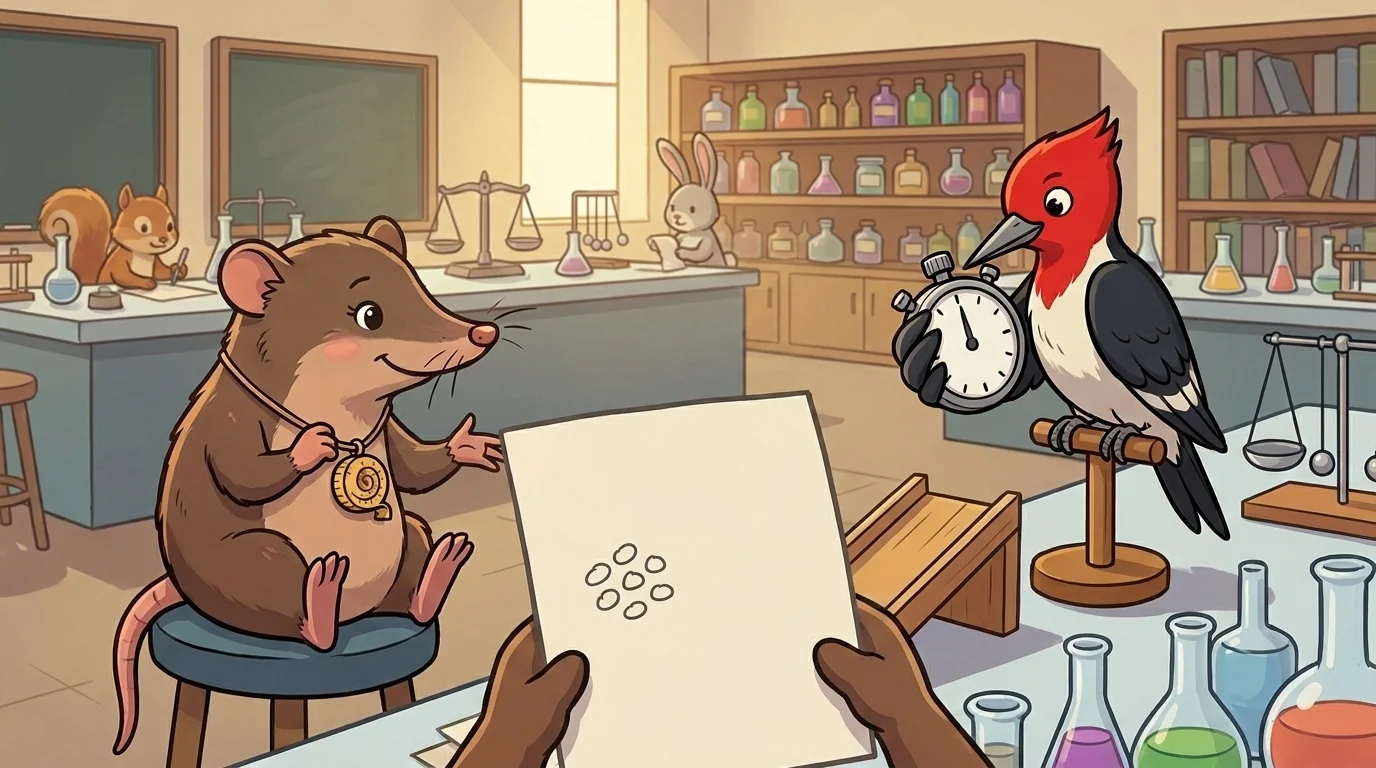
The otter looked between them, the wound in his pride healing into something better. "So I wasn't wrong before. I was just... halfway. I had the sharp part but not the sure part."
"Exactly halfway," Meter said. "The most common place to get stuck — because a precise number feels so finished. It has decimals. It looks like an answer. That's the trap." Again picked it up: "And other kids get stuck on my half — they repeat and repeat, ten times, but they're eyeballing each one, so all they've got is one vague guess said ten times. Repeating a sloppy measurement doesn't fix the sloppiness." He tapped. "You need both. Careful, then again. Sharp, and sure."
The otter looked at his seven clustered numbers with new eyes. "It took both of you to make one number I could actually stand behind."
"It usually does," Meter said, and Again tapped his agreement. "Most trustworthy things in a lab are two habits shaking hands."
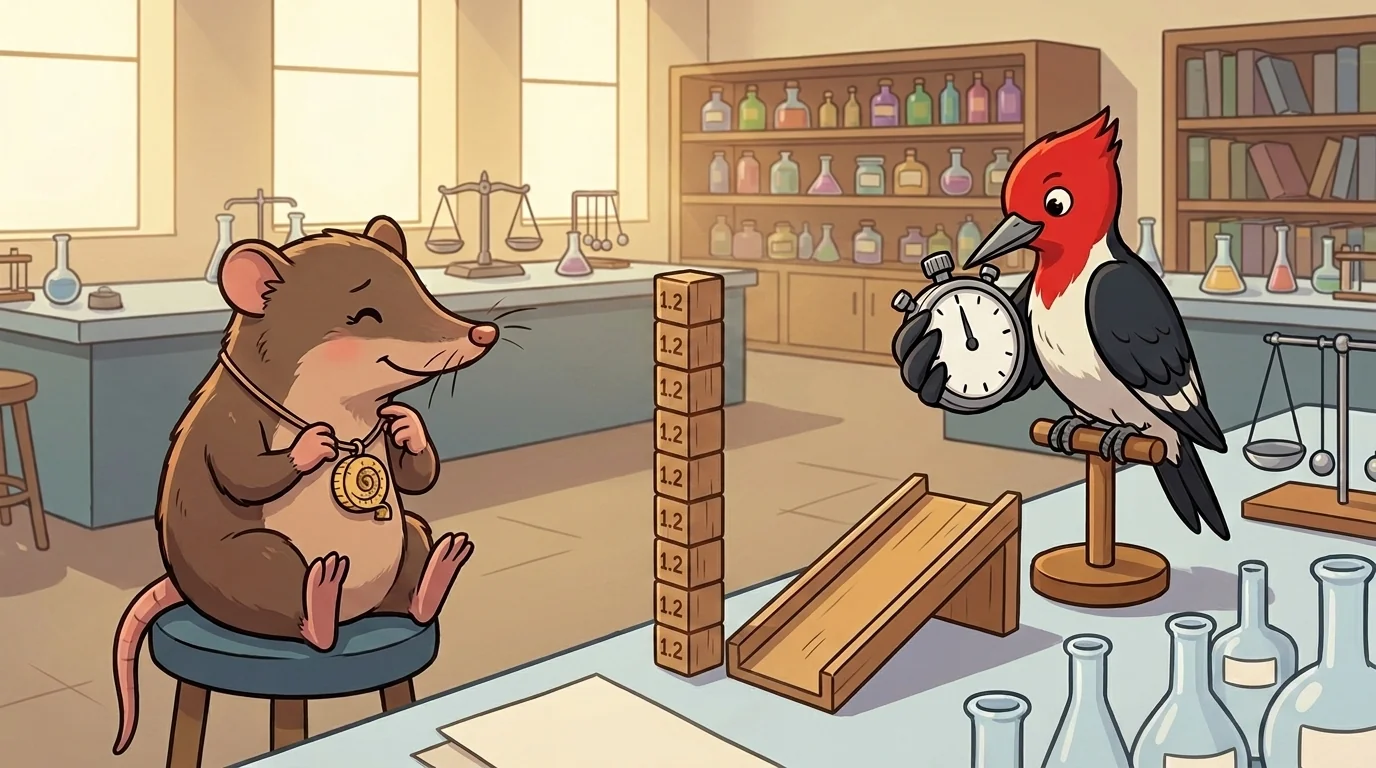
When the lab had emptied and the light had gone amber, the otter came back and found Meter and Again still there, tidying, and asked them the quieter question.
"Doesn't it ever bug you," he said, "that neither of you can finish the job alone? That you need each other?"
Meter and Again glanced at one another — the look of two who'd learned this the slow way — and it was Meter who answered first. "It used to feel like a weakness," she said. "Like a precise number should be enough on its own." "And I used to think enough repeats could rescue any measurement," Again admitted, "even a careless one. We were each a little too proud of our own half."
"But leaning on each other isn't the weakness," Again went on. "It's the whole strength. My repeats make her precision matter. Her precision makes my repeats worth doing. Neither of us shrank by needing the other — we both got truer."
And the otter felt it settle in him as they said it — a calm, steadying relief spreading warm across his chest, his gripped-too-tight pride loosening, his breath easing in the way of someone who's just learned that needing help is not the same as being small. Not the brittle solitude of a decimal he had to defend alone. The grounded, shared certainty of a number that two careful habits had built together.
"That's the feeling I trust now," the otter told them, looking at his seven clustered numbers. "Not sharp alone. Not repeated alone. Both — and no longer needing to defend it by myself."
Meter twitched her whiskers, and Again tapped once, softly, and the row of numbers sat between them, sharp and sure and finally, wholly trustworthy.
The LabSmith ensemble
Meter and Again is part of LabSmith's distributed-narrative cast. Each character embodies a different curricular primitive; together they teach the full subject.
-

Query
Ask a good question — sharp + answerable; 'Where science starts.'
-

See
Observe — gather raw data first; 'Look first. Talk later.'
-

Guess
Hypothesize — frame a testable guess; 'What if…?'
-

Model
Model it — build a small stand-in you can poke; 'Learn the big thing from the little one.'
-

Meter
Measure precisely — a number and a unit; 'How much, exactly?'
-

Check
Experiment — design + run the test; 'One test at a time.'
-
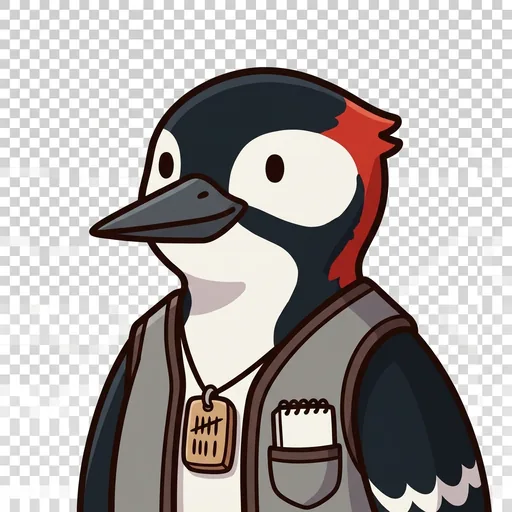
Again
Replicate — repeat to be sure; 'One result is a maybe. Do it again.'
-

Because
Argue from evidence — back a claim with the reason; 'I think Y, because I saw X.'
-

Explain
Explain the mechanism — the how-and-why that connects cause to effect; 'Know THAT, then know WHY.'
-

Reflect
Learn — interpret results + revise; 'What did we learn? What surprised us?'