
Barter
THE BARGAIN — a grasped-for gift always carries a hidden cost, and the cost is the engine of the tale; the wish is the setup, the price coming due is the story. Ask the price first, and you can read the whole plot from the fine print.
Loading audio…
Press play to listen along. The line being read lights up as you go.
Show full transcript
Loading transcript…
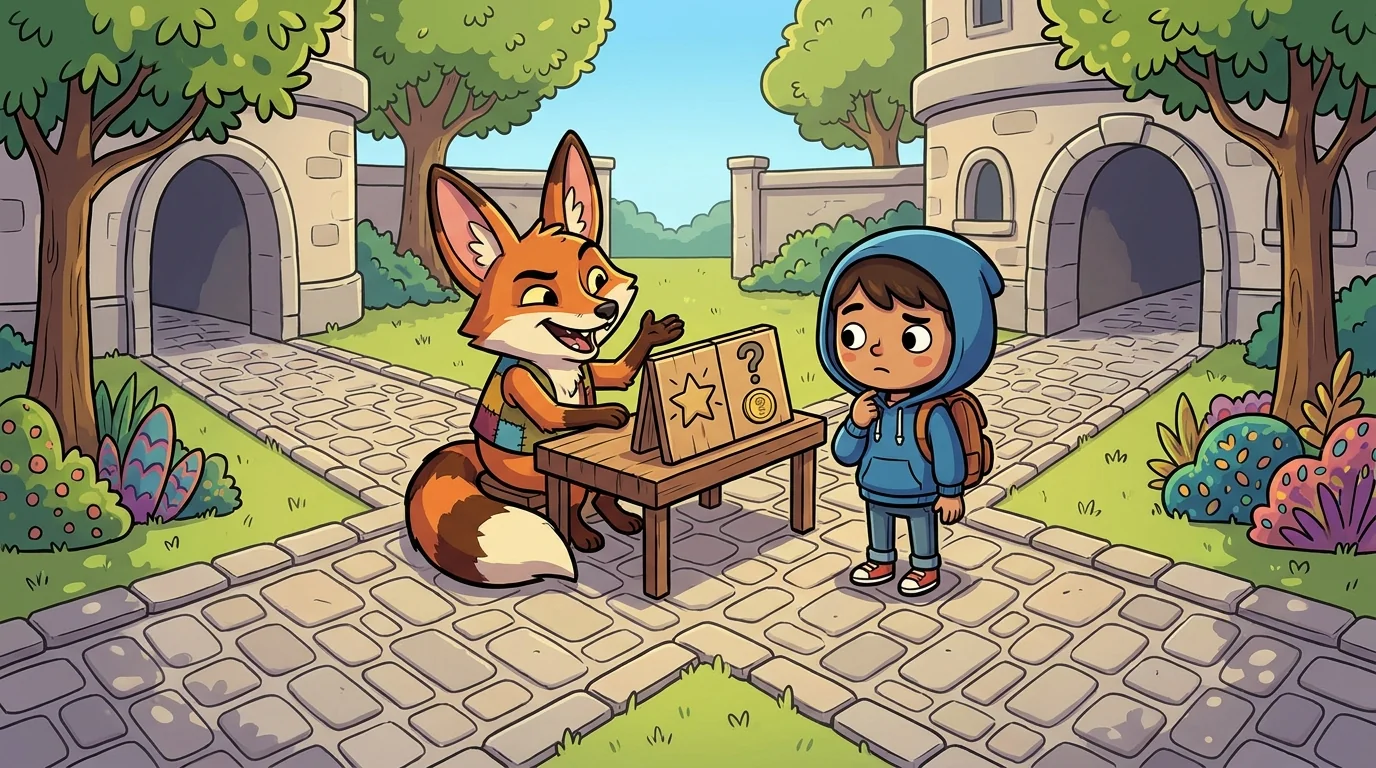
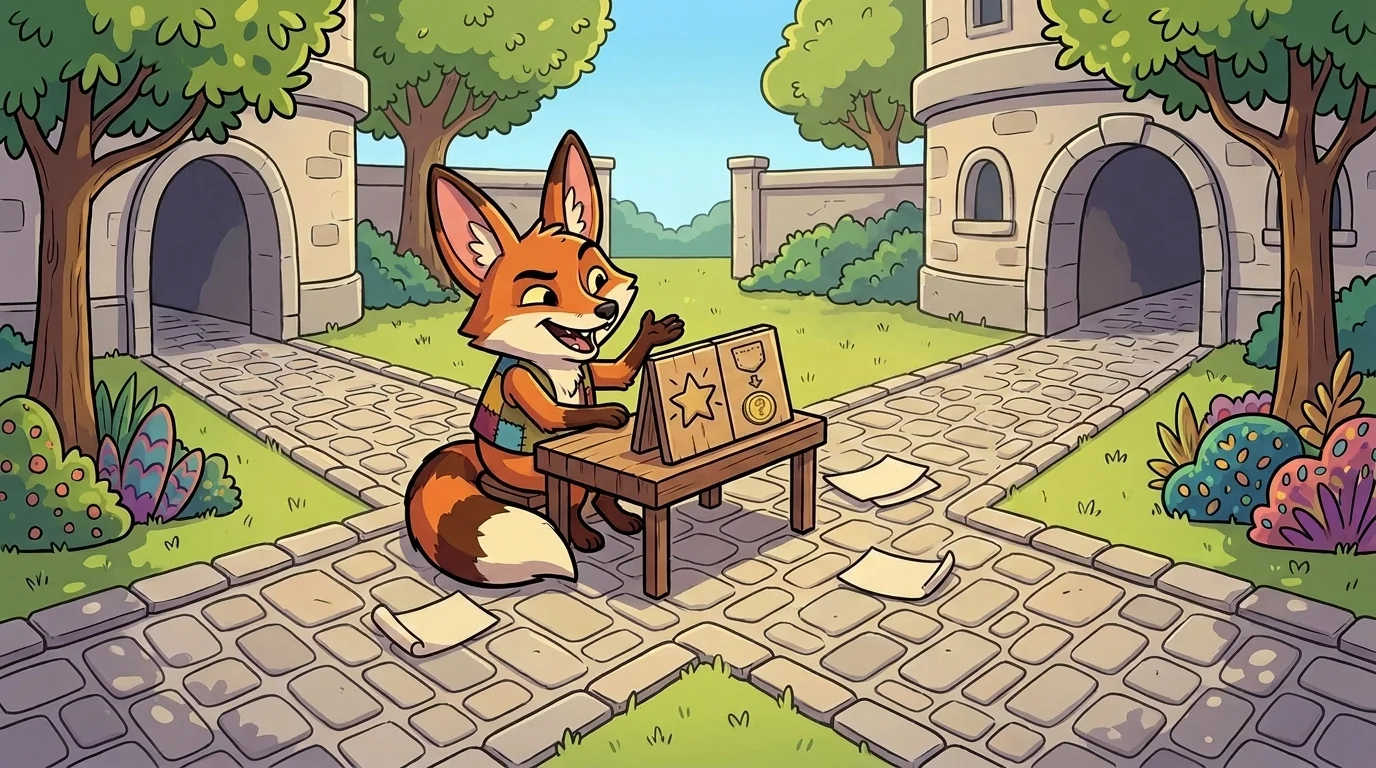
Barter kept a small table at a three-way crossing with a sign that read Any wish granted. Ask the price first. — and the Advanced tier of her craft is that the sign is a reading instrument, not a shop. "In a story I can grant nearly anything you grasp for," she said, tapping the table. "Gold, power, a shortcut, a way out. That's the setup. Everyone remembers the setup. What everyone forgets to ask is the other half—" she tapped Ask the price first — "what does it cost? Because the cost isn't a footnote to the tale. The cost is the tale."
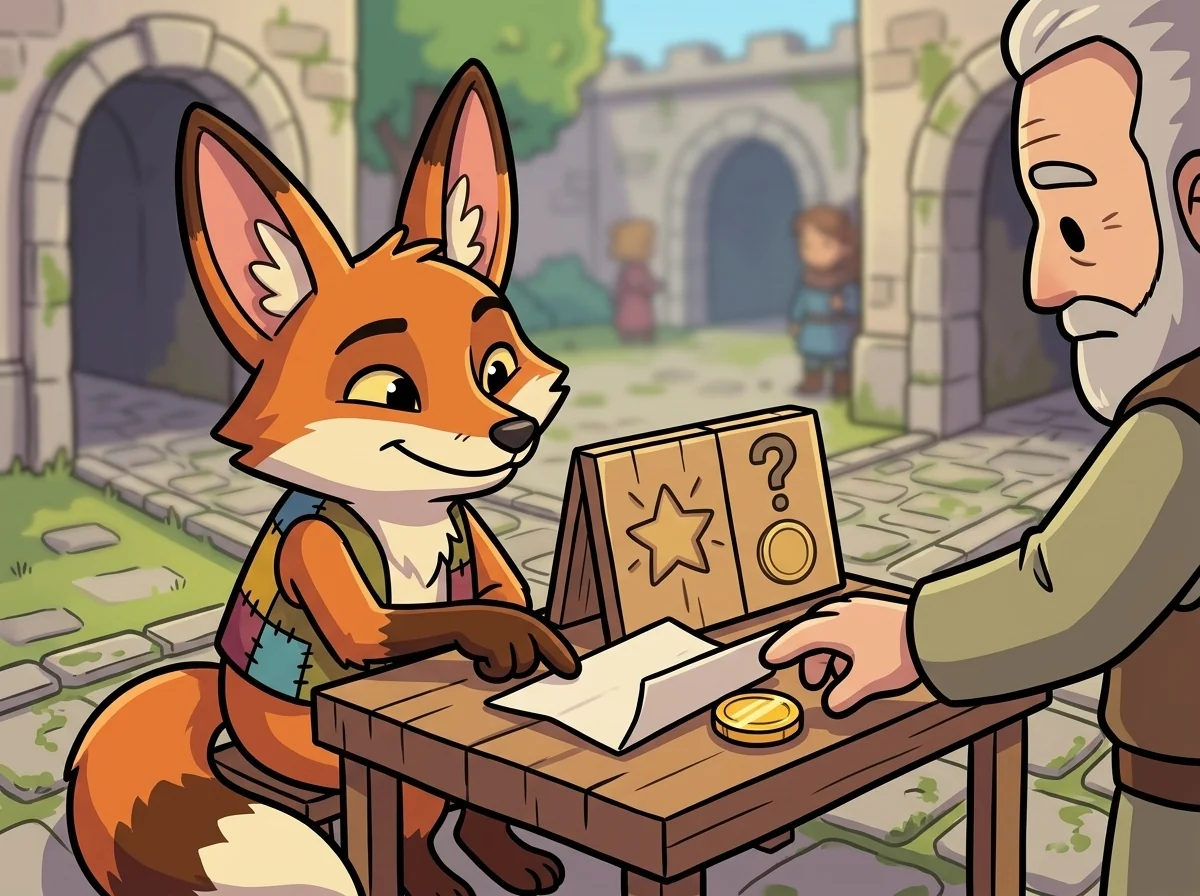
A student wanted the wish. Barter held up a paw. "Watch how the story is already written the moment you take it. A grasped gift creates a debt — something owed, something taken, something that will come due. And a debt that hasn't come due yet is a loaded spring. The whole middle of the story is just that spring, uncoiling. So the price isn't the punishment at the end. It's the engine running the whole way through."
"There's a name for the shape," she went on, "and you'll find it in the tales of nearly every people on earth — the bargain where a fast gift carries a slow cost. Sometimes it's a wish with a catch, sometimes a gift with fine print, sometimes a shortcut that takes the very thing the long road would have protected. The cultures differ, the props differ — a lamp, a loom, a crossroads, a coin — but the structure is the same: exchange now, pay later, and the paying is the plot." She said it with respect, not mockery. "It's one of the oldest ways humans have ever taught a hard truth gently: that some things cost more than they first appear, and the story lets you feel that cost without paying it yourself."
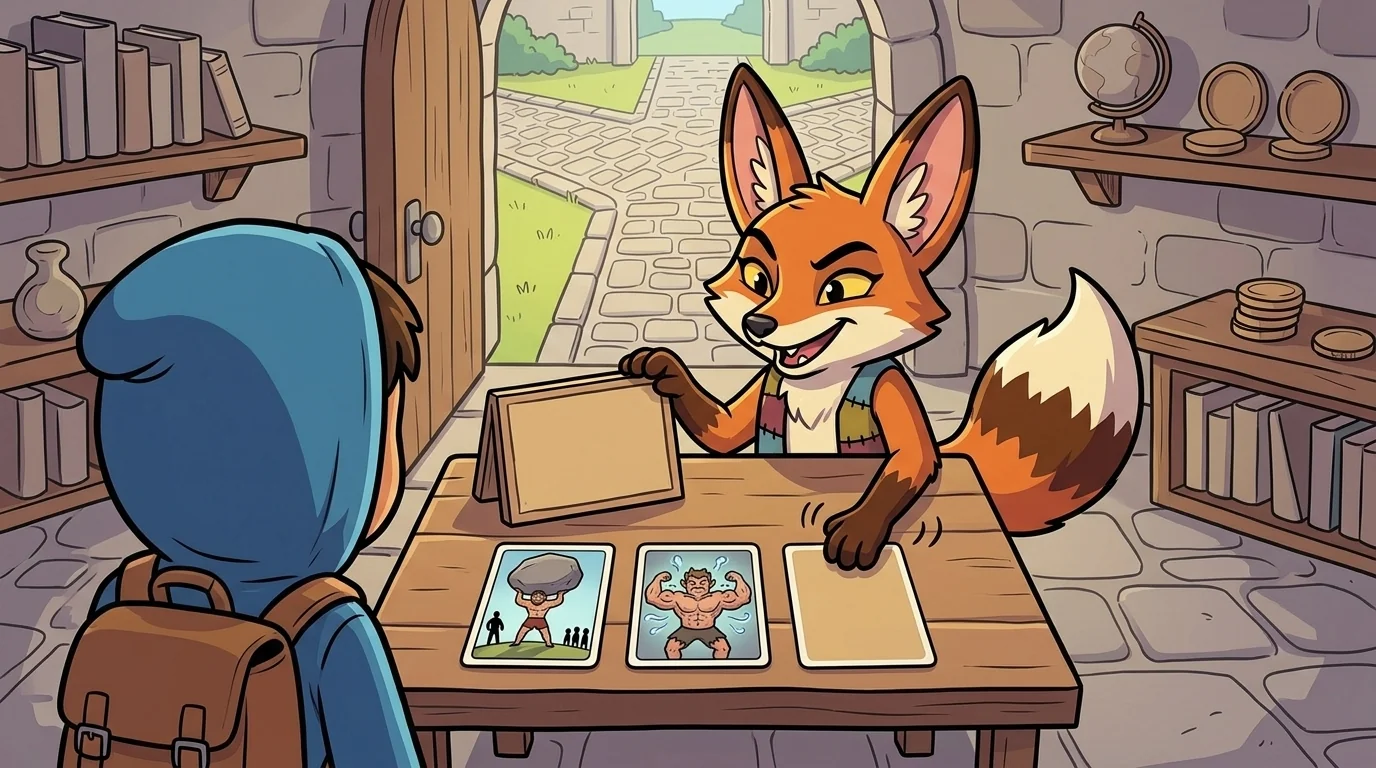
The student frowned. "So the hero's mistake is wanting the thing?"
"No — the hero's mistake is grasping without reading the terms," Barter said. "Wanting is fine. Everyone wants. The tale's lesson is in the not asking. The hero sees what they want, grabs it, and spends the rest of the story discovering the price they never asked about. Which means you, the reader, can do the thing the hero didn't: read the price first. Find the fine print in the first pages — the sly phrasing, the too-easy yes, the helper who names no cost — and you can predict the whole arc. The gift that came free never does. The bill is already in the room."
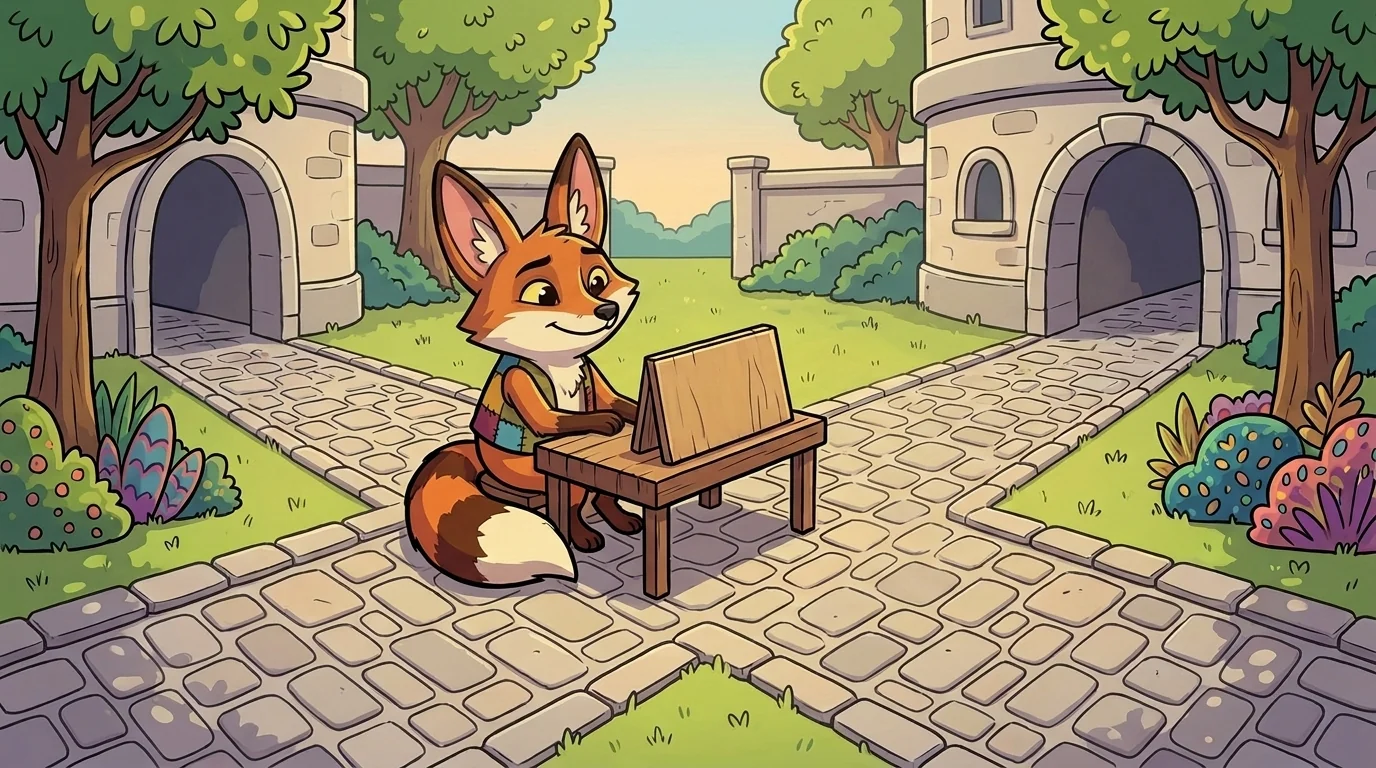
She learned to read this way from being fooled by a story once — swept up in the shining wish, blindsided by the cost, and feeling cheated, until she saw the terms had been on the page the whole time, if she'd only looked. "That was the turn," she said. "Not that bargains are wicked — they're not, they're how stories teach. But that the price is written into the offer. Learn to read the offer, and the story stops ambushing you and starts unfolding for you."
A quiet, knowing gladness settled in her — the pleasure of catching the shape of a bargain-tale early and watching it keep exactly the promise its fine print made. "Ask the price first," she murmured, tapping the sign. "In a story, the cost is never a surprise. It's the whole point, waiting to be read."
The LoreQuest ensemble
Barter is part of LoreQuest's distributed-narrative cast. Each character embodies a different curricular primitive; together they teach the full subject.
-
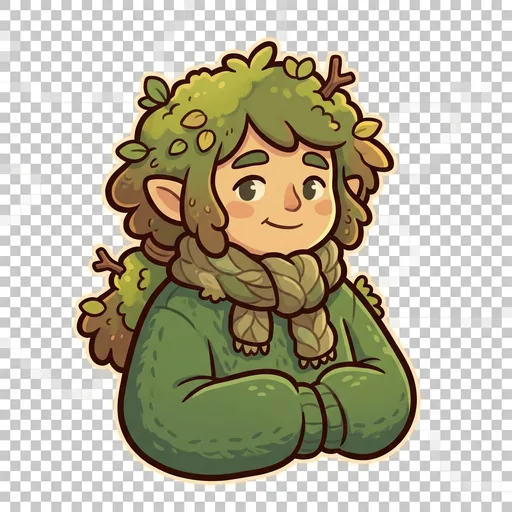
Mossy
Forest / nature-spirit archetype (the quiet local-landscape entity who appears across many traditions — wood-elves, dryads, kami of place, etc., abstractly)
-
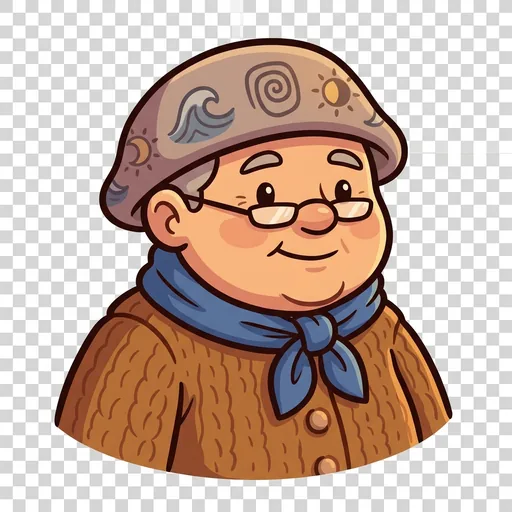
Refrain
Repeating-tale / echo motif archetype (motif recurrence — same story-pattern appearing across cultures: flood myth, hero descent to underworld, twin gods, etc.)
-
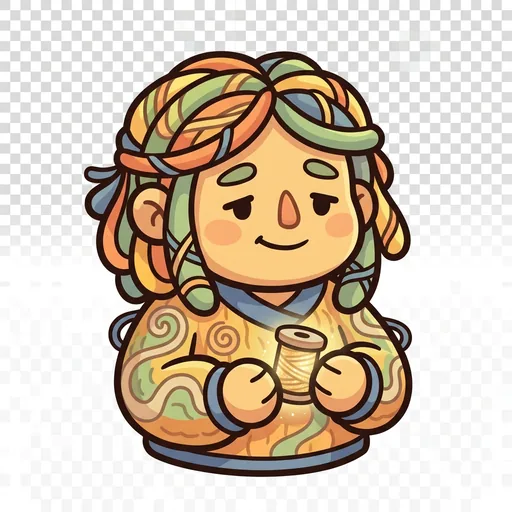
Thread
Hero-journey / fate-spinner archetype (the spinning thread of destiny that recurs across heroic narratives — Moirai, Norns, Anansi-as-spider, etc., abstractly)
-
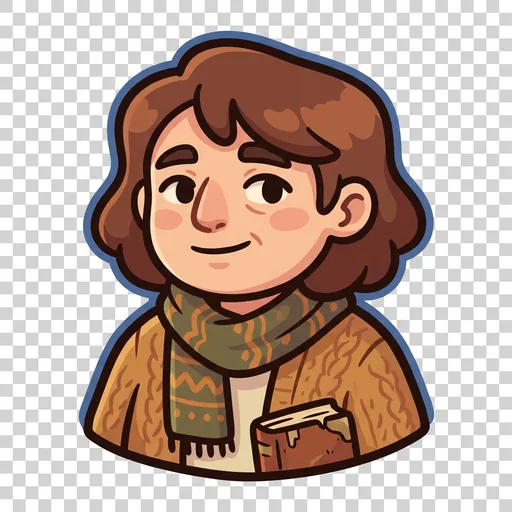
Ruse
Clever-fool / trickster archetype (the figure who breaks the rules and teaches a lesson by doing so — recurs across MANY traditions, but referenced **abstractly** here; the cast...
-
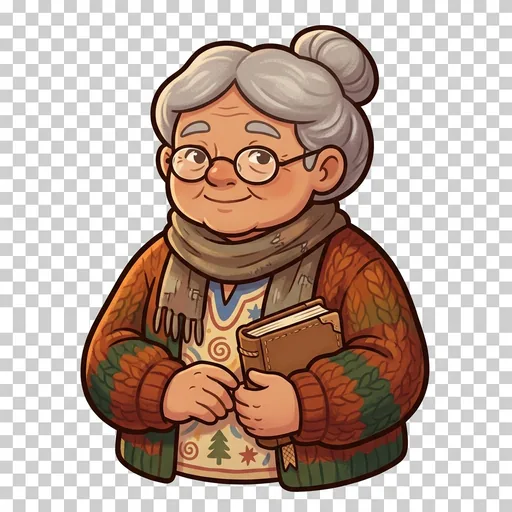
Hearth
Origin / family / hearth-storyteller archetype (the figure who carries oral tradition; the grandmother / elder who tells the stories — found in nearly every tradition's framing...
-

Behest
The forbidden thing — the one rule a story hangs on (do not open it)
-

Boon
The grateful gift — a small kindness freely given that returns
-
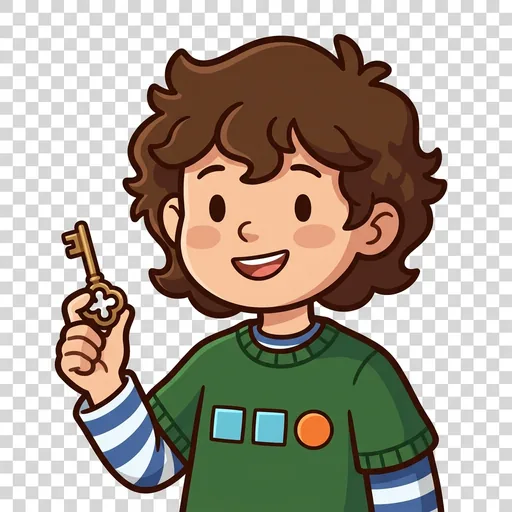
Thrice
The rule of three — two tries set the pattern, the third breaks it
-
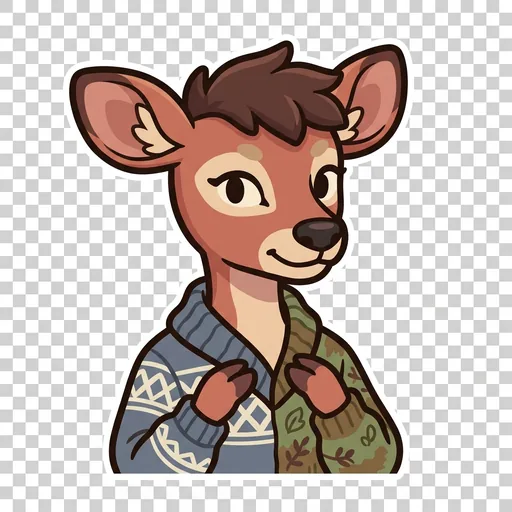
Verge
The threshold — the door out of the known world into the strange one