Behest
THE FORBIDDEN THING — *the one rule a story hangs on the wall — "do not open it, do not look back, do not go there" — precisely so that someone will, and the tale can begin.*
Loading audio…
Press play to listen along. The line being read lights up as you go.
Show full transcript
Loading transcript…
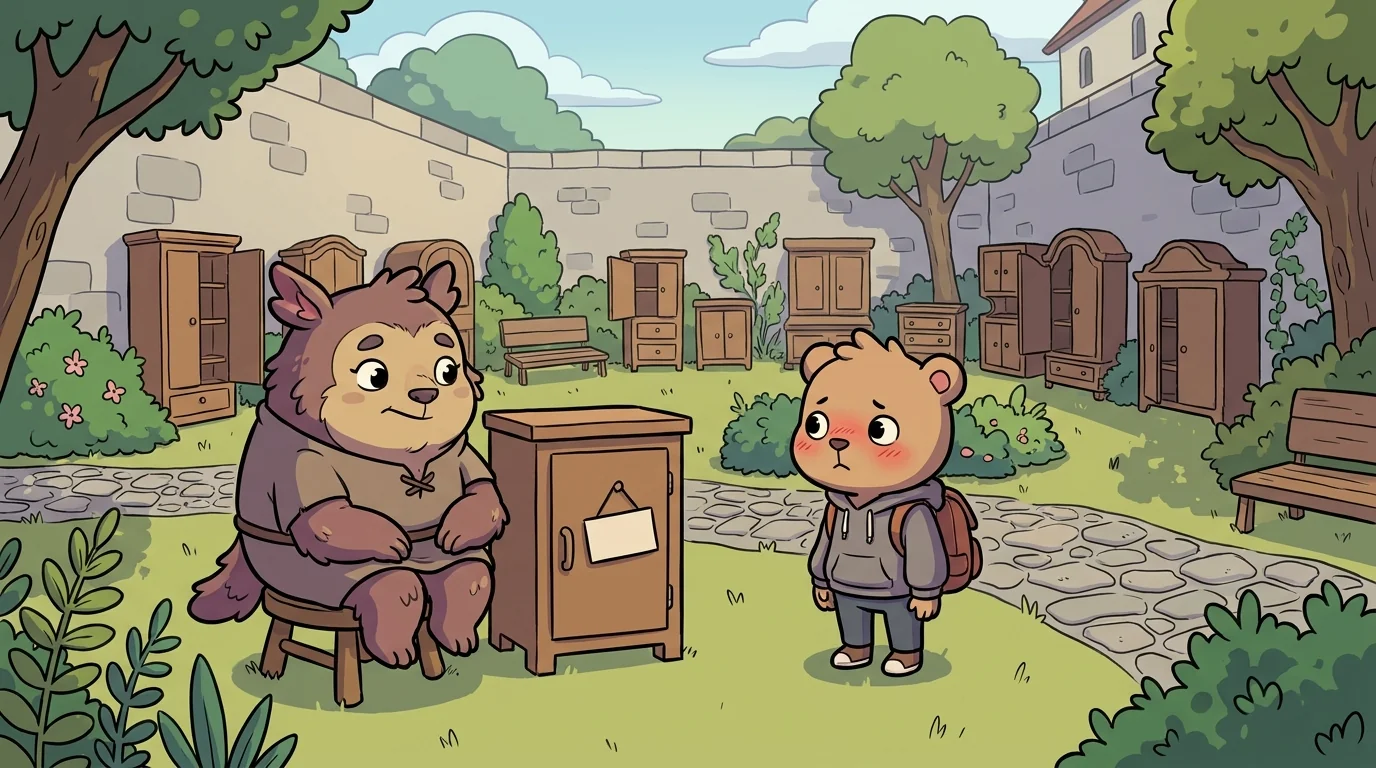
In a quiet corner of the LoreQuest courtyard stood a plain little cupboard, and beside it sat a solemn creature named Behest, and on the cupboard hung a single sign in careful letters: You may open every cupboard here but this one.
A student wandered by, glanced at the sign, and immediately, helplessly, stared at the forbidden cupboard.
"You've looked at nothing else since you read it," Behest observed, not unkindly. "There are twenty cupboards here. Nineteen you may open freely. And which one is your whole mind fixed on?"
"...That one," the student admitted, a little embarrassed.
"Of course," said Behest. "That is the oldest, surest engine in all of story. Tell someone you may do anything except this one thing — and the one thing becomes the only thing that matters. The whole tale coils around it." She gestured at the forbidden cupboard. "Do not open the box. Do not look back until you reach the light. Do not eat that one fruit, do not enter that one room, do not ask his name. Across countless traditions, a story hangs a single thou-shalt-not on the wall — and everyone, the hero most of all, knows what's coming. Someone will lift the latch. And the moment they do, the story truly begins."
The student pulled his eyes from the cupboard with visible effort. "So the rule is there to be... broken?"
"The rule is there to make the choice," said Behest.
Behest had learned about forbidden things the ordinary way — by being unable to leave one alone.
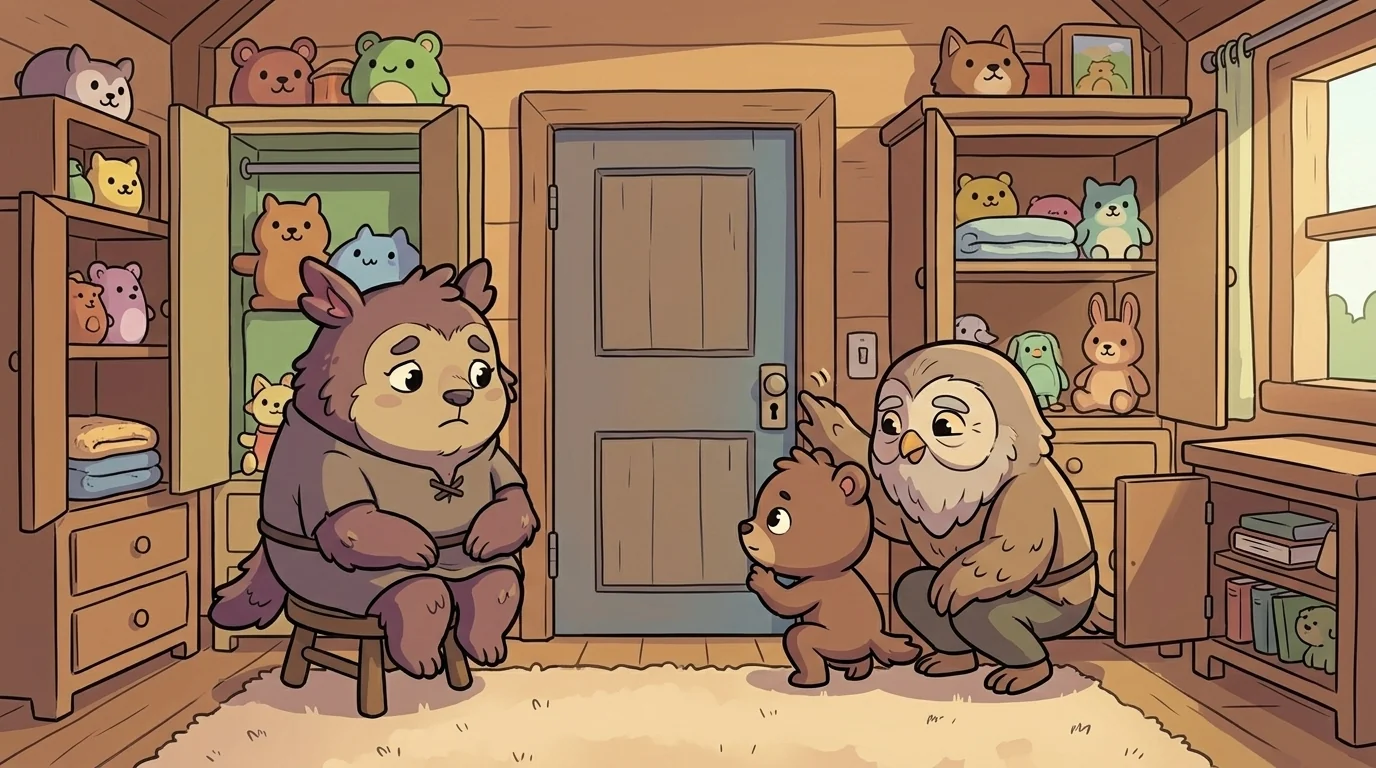
She'd grown up in a house with one locked room. Everything else was open, warm, hers to wander. But the locked room — she thought of nothing else. She invented reasons to pass its door. She pressed her ear to it. The one closed thing in a house full of open ones grew, in her mind, larger than the whole rest of the house.
An elder found her at the keyhole one night. The elder didn't scold her.
"You could go anywhere in this house," the elder said. "And here you are, at the one door you can't. Why do you think that is?"
"I don't know," Behest said, miserable. "I don't even want what's inside. I just — can't stop thinking about it."
"That's not a flaw in you, child. That's how curiosity works — and it's the most powerful thing a storyteller owns." The elder crouched beside her. "A forbidden thing isn't really about what's behind the door. It's about the pull. The moment a story says not this, it lights a fire under it. Sometimes the breaking brings ruin. Sometimes it brings freedom. Often it brings both, tangled up — which is truer than either." The elder tapped the locked door. "The prohibition is a promise to the listener: something is going to happen here. Because the one rule a story bothers to forbid is always, always the hinge the whole tale turns on."
Behest never did open that particular room. But she never forgot the pull of it — and she came to understand it as the most reliable engine any story could have.
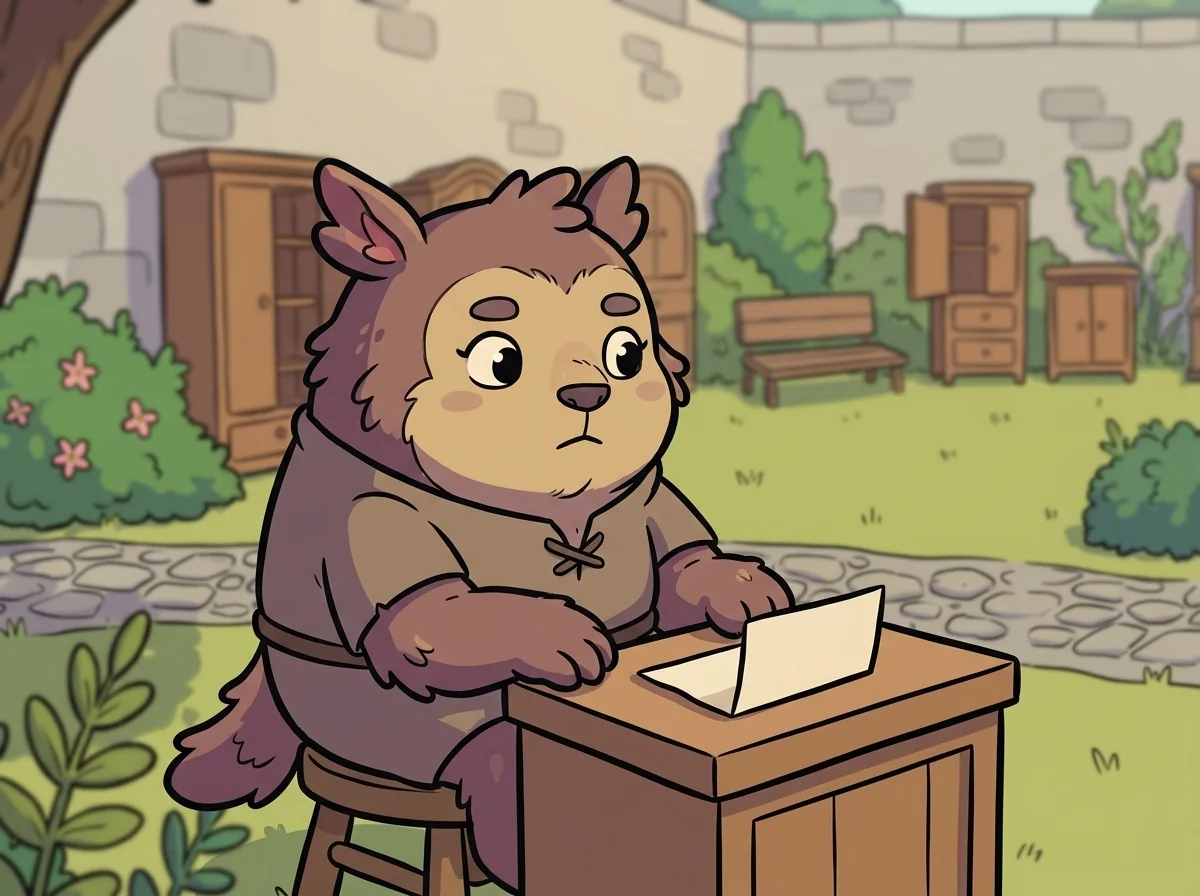
She walked to LoreQuest at twelve, because a place that studied stories ought to understand the single rule every tale hangs up to be broken.
Plot, the old mentor, met her at the gate. "What is the forbidden thing?"
Behest didn't recite a definition. She looked around, found a small box on Plot's own table, and set it down between them with a folded note beside it that read: Do not look inside. Then she simply watched Plot's eyes go — instantly, unavoidably — to the box.
"That," she said. "The one you-must-not. I gave you a whole courtyard to look at, and one small forbidden box, and now the box is all you see. A story does the same. It hangs up a single rule — the one door, the one word, the one look — precisely because the forbidding is what makes it matter. Break it and the tale turns. That prohibition isn't a wall. It's a hinge."
Plot pulled his gaze off the box, slowly, and was quiet a long moment.
"You belong here," he said.
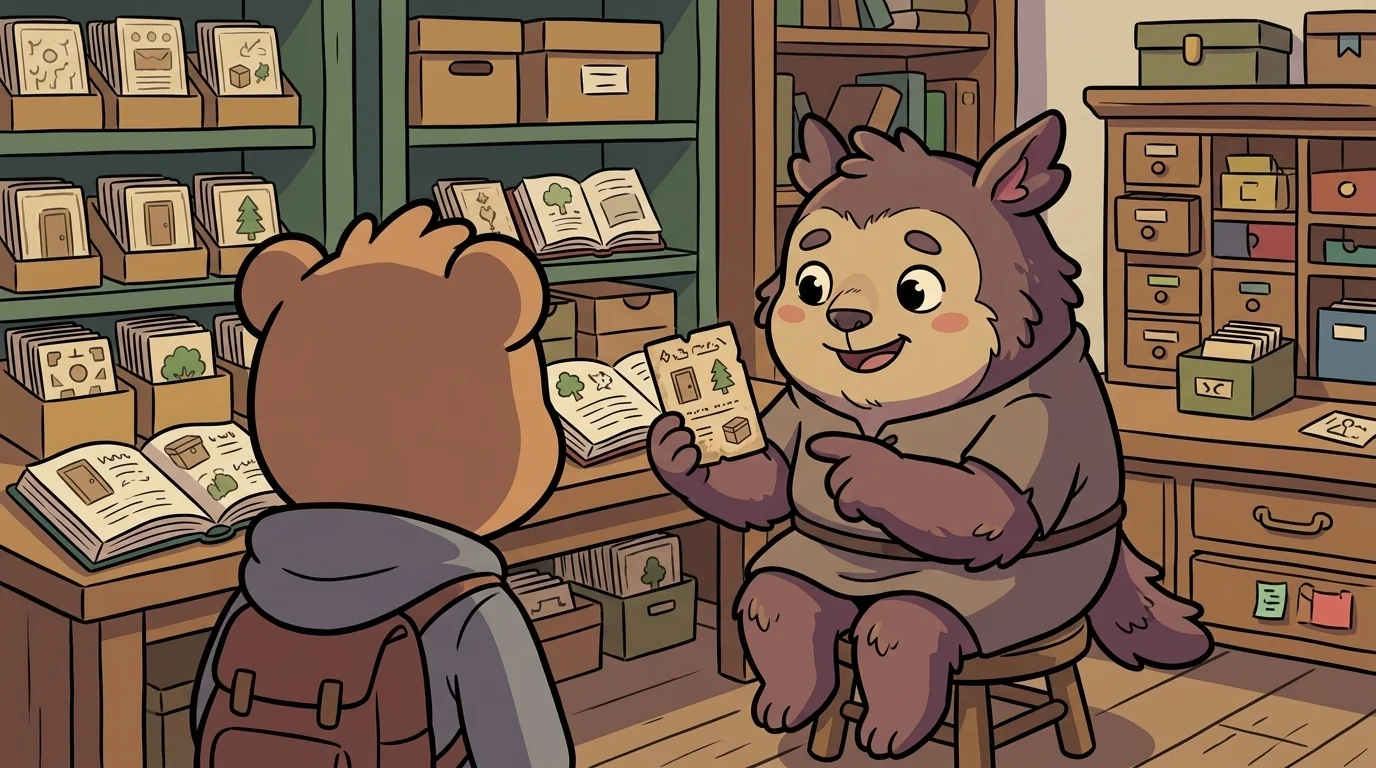
Behest's workshop was orderly and hushed, and a student came in one afternoon stuck on a story with no tension.
"Everyone in my story can do whatever they want," she said. "There are no rules. And it's boring — nothing feels like it's at stake. But I don't want to add a mean villain making rules. What do I do?"
Behest knew that stuckness. "You don't need a villain," she said. "You need a thou-shalt-not. One rule. Just one." She pulled down a card. "Across countless traditions, a story gives its hero enormous freedom — and one small forbidden thing. Not to trap them. To focus them. The one closed door in a house of open ones. And it works because the reader feels the pull with the hero — we all know what it is to want the one thing we're told we can't have." She tapped the page. "So give your hero one boundary that matters. You may go anywhere but the north wood. You may ask her anything but her real name. You may keep the gift but never open it before the moon is full. Then let the pull build. Let the hero circle it, resist it, ache toward it." She smiled, solemn and warm. "And when they finally cross it — as they must, or there's no story — make the consequence real, and complicated. Not just punishment. Ruin and freedom, loss and truth, tangled together. That's the hinge your whole story turns on."
The student's eyes lit. "So one forbidden thing does more than a hundred rules."
"One is all a story ever needs," said Behest.
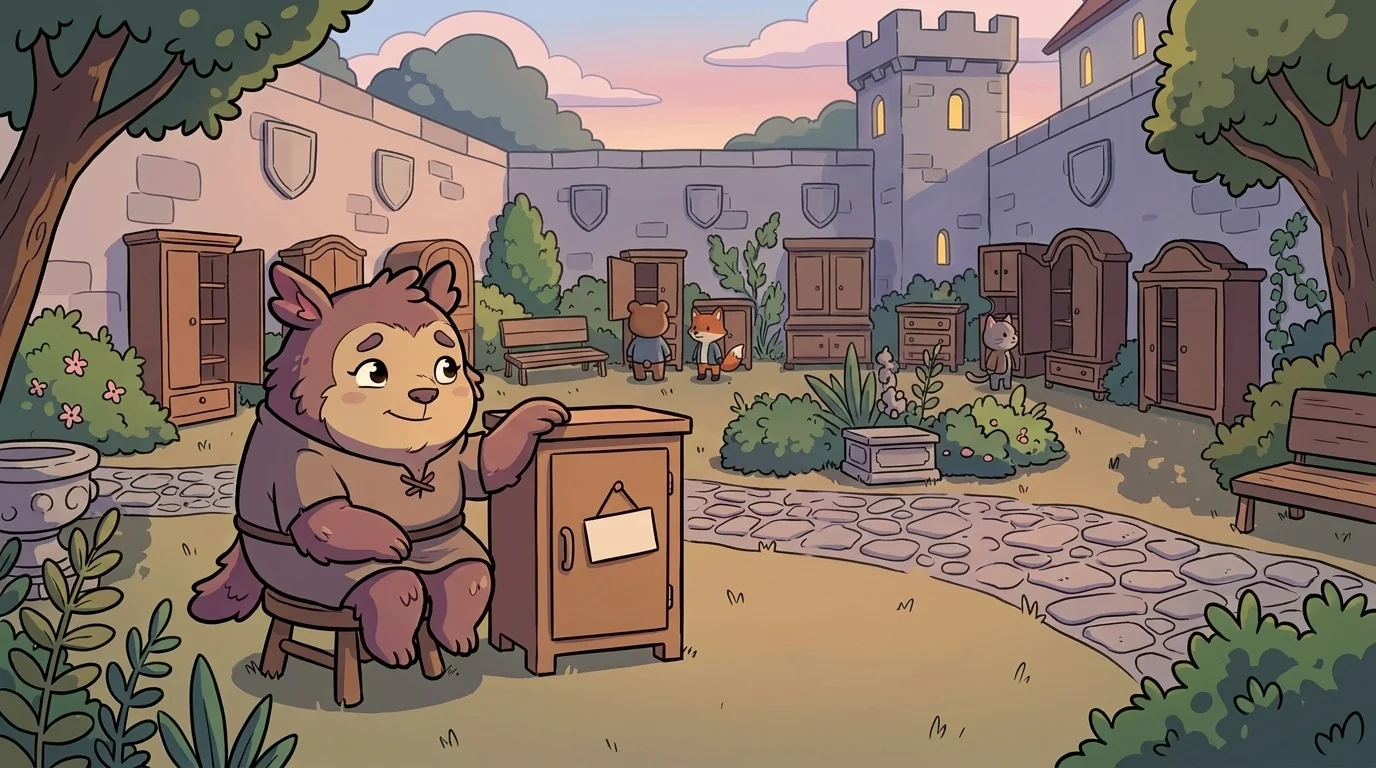
Later, when the workshop had quieted, the student lingered near the little cupboard with its sign.
"When my hero finally opens the forbidden thing," she said, "I feel this — this held breath, this oh no, oh yes all at once. Why does breaking the one rule feel like that?"
Behest thought about the locked room, and the elder, and the pull she'd never quite escaped.
"Because a forbidden thing gathers up everything," she said. "All the curiosity, all the wanting, all the dread of what might happen — it pools around that one closed door. So when it finally opens, all of that pours out at once. The oh no is the fear of the consequence. The oh yes is the relief of the wanting finally being answered, and the thrill of a boundary crossed." She touched the little sign. "That's why storytellers reach for it again and again. One small you-must-not holds more tension than any amount of open freedom. And the breaking of it — with its tangle of loss and discovery — is one of the truest moments a story can give, because every one of us knows the exact shape of wanting the one thing we were told we couldn't have." She smiled. "Just remember what the elder taught me: the forbidding isn't cruelty. It's the hinge. Hang up one rule worth breaking, and you've given your whole story a place to turn."
The student breathed out the held breath, and Behest watched her understand the pull.
She didn't say the last part aloud, but she felt it, solemn and warm beneath her ribs: the one door a story bothers to forbid is always the door the whole tale was built to open.
The LoreQuest ensemble
Behest is part of LoreQuest's distributed-narrative cast. Each character embodies a different curricular primitive; together they teach the full subject.
-
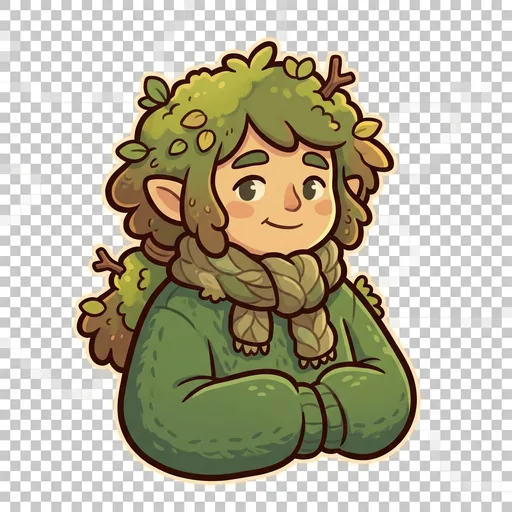
Mossy
Forest / nature-spirit archetype (the quiet local-landscape entity who appears across many traditions — wood-elves, dryads, kami of place, etc., abstractly)
-
Refrain
Repeating-tale / echo motif archetype (motif recurrence — same story-pattern appearing across cultures: flood myth, hero descent to underworld, twin gods, etc.)
-
Thread
Hero-journey / fate-spinner archetype (the spinning thread of destiny that recurs across heroic narratives — Moirai, Norns, Anansi-as-spider, etc., abstractly)
-
Ruse
Clever-fool / trickster archetype (the figure who breaks the rules and teaches a lesson by doing so — recurs across MANY traditions, but referenced **abstractly** here; the cast...
-
Hearth
Origin / family / hearth-storyteller archetype (the figure who carries oral tradition; the grandmother / elder who tells the stories — found in nearly every tradition's framing...
-
Barter
The bargain — the wish granted with a catch, and the price is the point
-

Boon
The grateful gift — a small kindness freely given that returns
-
Thrice
The rule of three — two tries set the pattern, the third breaks it
-
Verge
The threshold — the door out of the known world into the strange one