Barter
THE BARGAIN — *the wish granted with a catch. in stories, you can have almost anything you grasp for — but every such gift comes with a price, and the price is the point.*
Loading audio…
Press play to listen along. The line being read lights up as you go.
Show full transcript
Loading transcript…
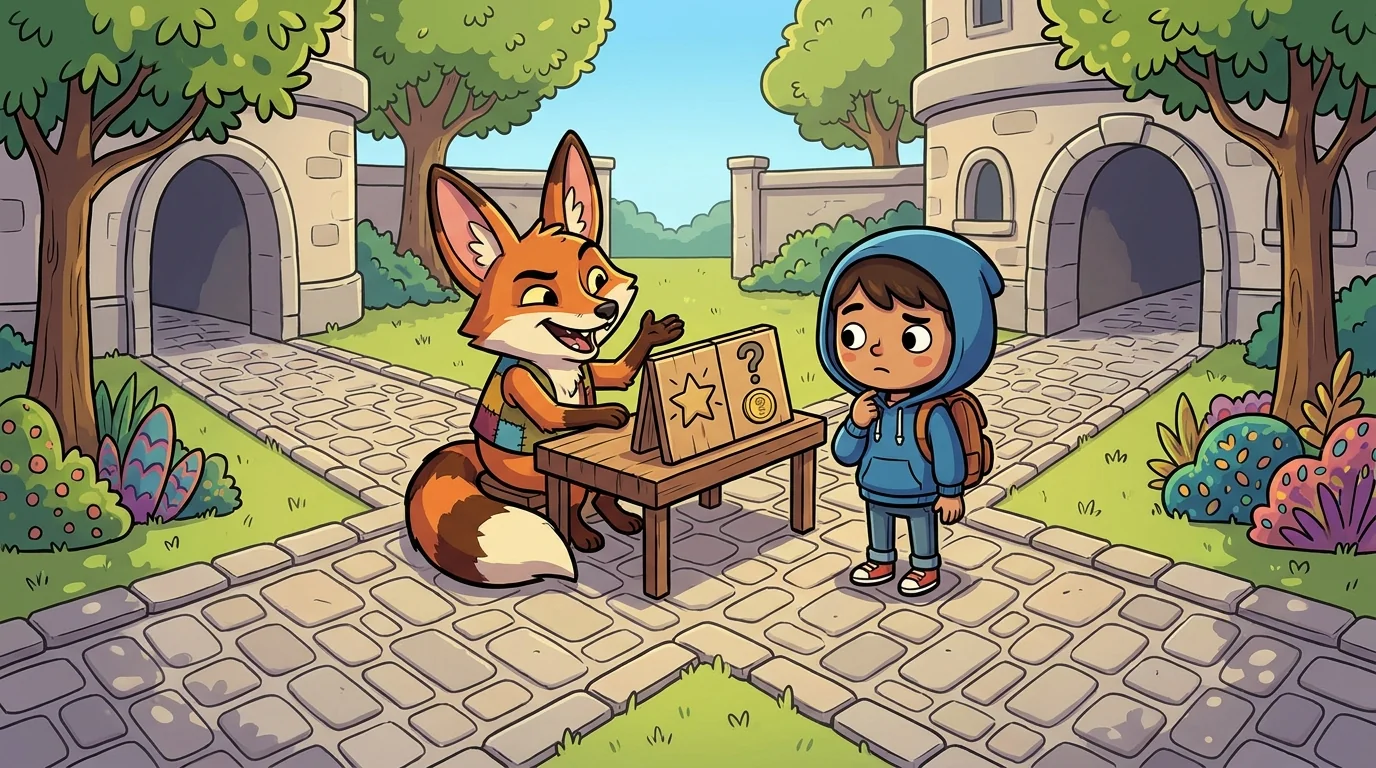
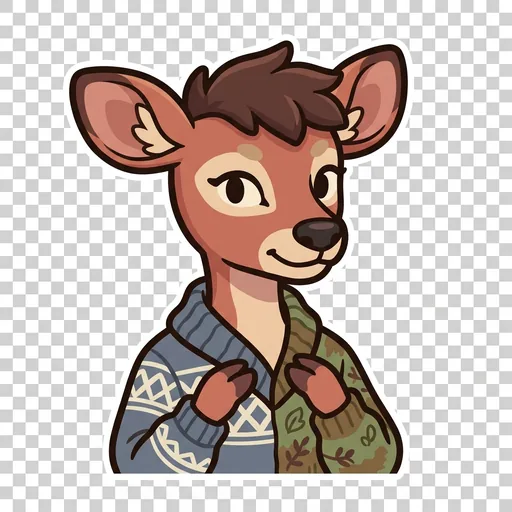
At a little three-way crossing in the LoreQuest courtyard, a sharp-eyed creature named Barter had set up a small table, and on it sat a sign: Any wish granted. Ask the price first.
A student stopped, intrigued. "You'll grant any wish?"
"In a story, I can grant nearly anything you grasp for," Barter said, tapping the table. "Gold, power, a wish, a shortcut, a way out. That's the easy part. Here's the part everyone forgets to ask —" she tapped the Ask the price first half of the sign — "what does it cost? Because in every good tale, a thing you grasp for comes with a catch. The wish granted too fast. The gift with fine print. The shortcut that takes something from you the long road never would have." She grinned, not unkindly. "Most heroes in these stories don't ask the price. They see what they want, they grab it — and then they spend the rest of the tale finding out what it cost. That's not a story about wishing. It's a story about the price of wishing without asking."
The student looked at the little table and its two-part sign, and felt a small, useful chill.
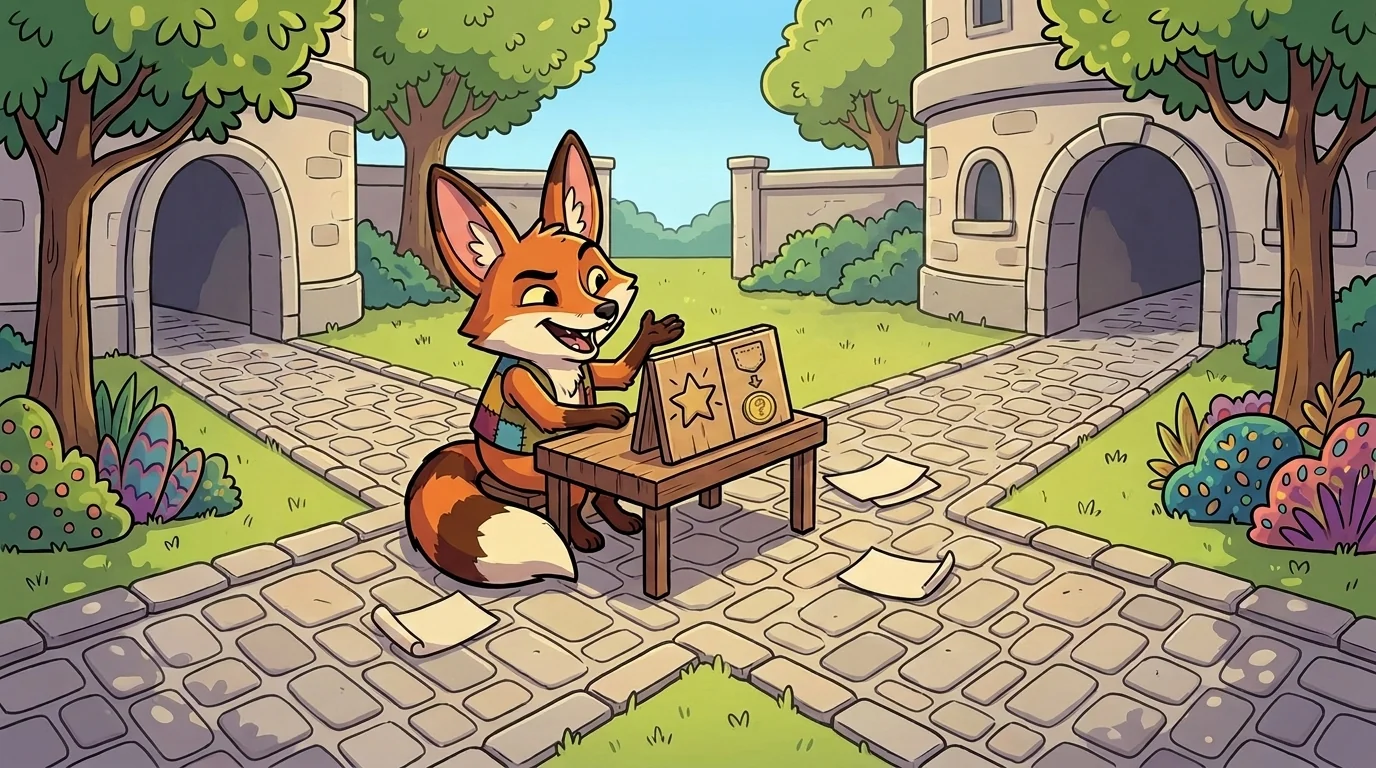
Barter had learned about hidden prices the hard way, of course. That was the only way anyone learned it.
She'd been small and wanting — wanting something badly, a shiny quick thing another creature had offered her "for almost nothing." And she'd grabbed it, too eager to ask what "almost nothing" meant. The price came later, as it always does, and it was steeper than the shiny thing was ever worth.
An elder found her afterward, sitting with her too-costly prize, understanding at last.
"You didn't ask the price," the elder said gently.
"It was right there," Barter said. "I wanted it so much I didn't want to hear that it cost anything."
"That's exactly how the trap is set," the elder said. "Not with a lie — often the deal is perfectly honest — but with your own wanting, so loud you don't ask the one question that would save you." The elder turned the prize over. "Here is the oldest wisdom in all these tales, child: nothing worth having in a story comes free, and the things you grasp for — quick, easy, granted-in-an-instant — cost the most. The wise ones aren't the ones who never want. They're the ones who, before they reach out, ask three small words: and the price?" The elder set the prize down. "A gift freely given can be pure. But a thing grasped — bargained for, wished into being, taken by shortcut — always, always comes with a bill. The story is how the bill comes due."
Barter carried those three words like a charm ever after: and the price?
She walked to LoreQuest at twelve, because a place that studied stories ought to understand the deal that every tempted hero makes.
Plot, the old mentor, met him at the gate. "What is the bargain?"
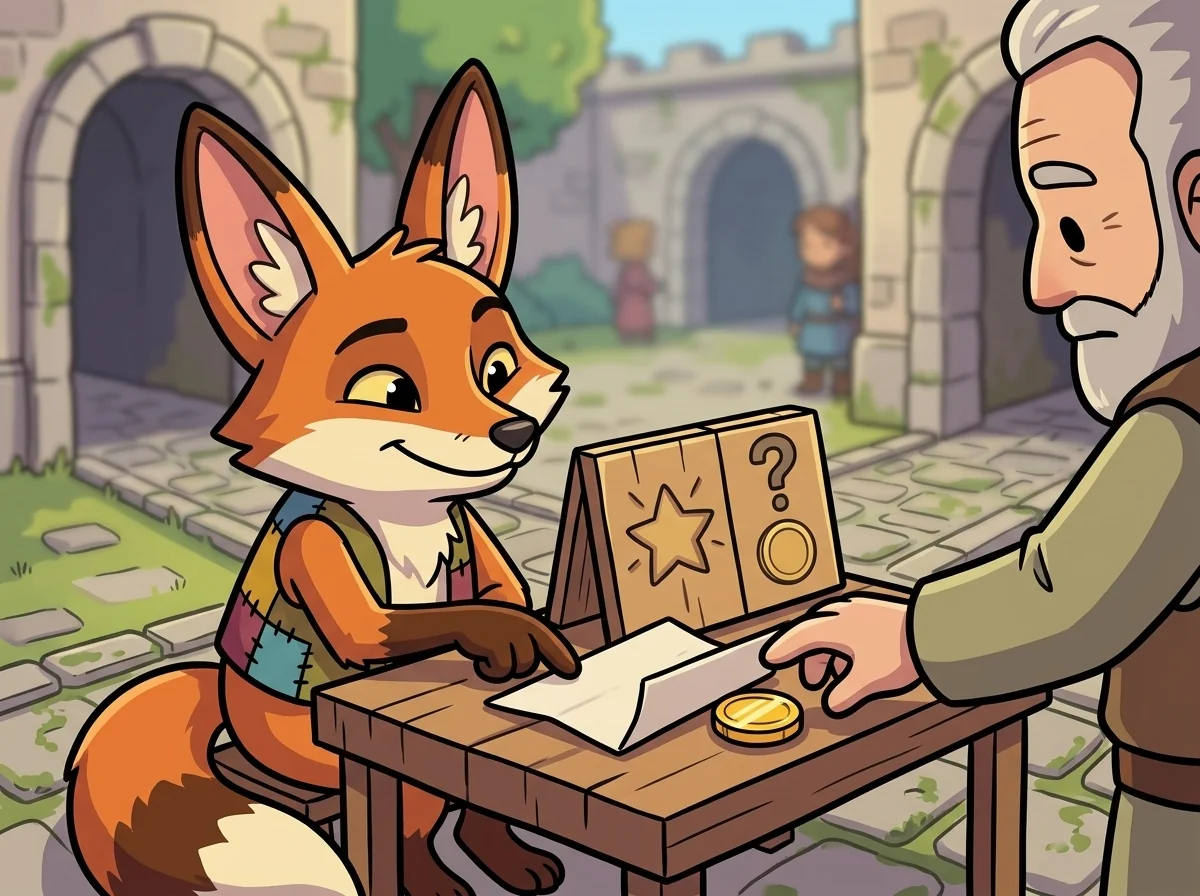
Barter didn't recite a definition. She set a shiny coin on Plot's table and slid it toward him. "A gift," she said. "Take it." Plot reached — and Barter gently laid a folded note over the coin first, which read: In exchange, you will never again taste anything sweet. Plot's hand stopped.
"That," said Barter. "The bargain. You can have the coin. But not for free — there's always a catch, and the catch is the whole story. A wish, a gift, a shortcut, granted at a price the wisher didn't ask about. And the tale is watching to see: did they ask? And when the price comes due — what does it teach?" She tapped the note. "The gift is easy. The price is where the meaning lives."
Plot looked at the covered coin, and the note, and was quiet a long moment.
"You belong here," he said.
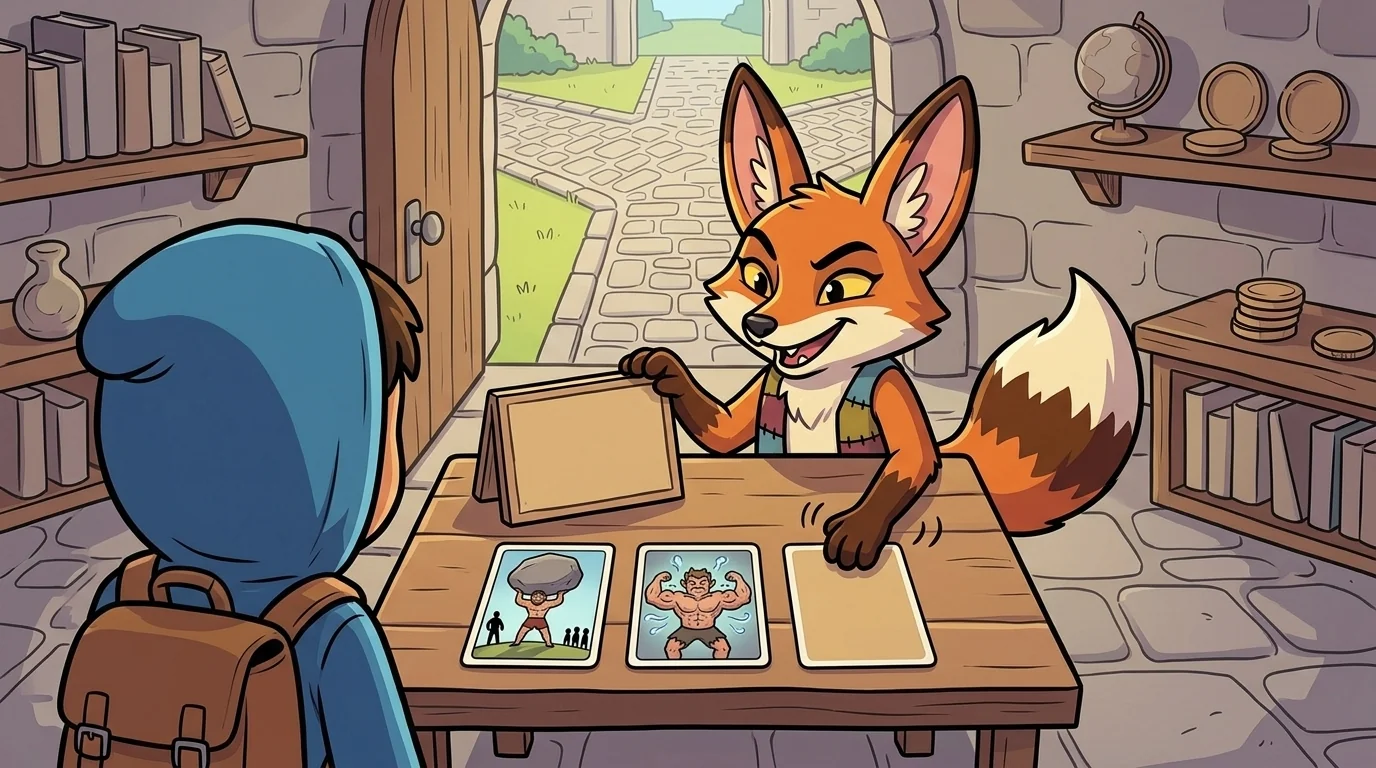
Barter's workshop sat at a crossroads, fittingly, and a student came in one afternoon with a story that felt too easy.
"My hero wants to be the strongest in the land," she said, "so a strange creature just... grants it. And now he's the strongest and the story's over and it feels empty. Getting the wish was supposed to be exciting but it just ended everything."
Barter's eyes sharpened with delight. "Because you granted the wish with no price," she said. "A wish granted free is the end of a story. A wish granted at a cost is the middle of one." She pulled down a card. "Across countless traditions, the tempted hero gets what they grasped for — and the getting is when the real story starts, because now they must live with the catch. Strongest in the land? Wonderful. And now — the fine print — no one dares stand near you, and you are utterly alone. Or your strength grows only by taking others'. Or you can never again be gentle, even when you long to be." She tapped the page. "That's your second half. Don't end the story when he gets the wish. Begin it there. Let him discover the price. Let him choose whether to keep the gift or give it back at a further cost. Let the bargain teach him — usually, that the thing he grasped for wasn't the thing he actually needed." She smiled. "A wish is a beginning wearing an ending's clothes. Unwrap the price, and your story has somewhere to go."
The student's face cleared. "So the wish coming true isn't the happy ending. It's the problem."
"In the best of these tales, always," said Barter.
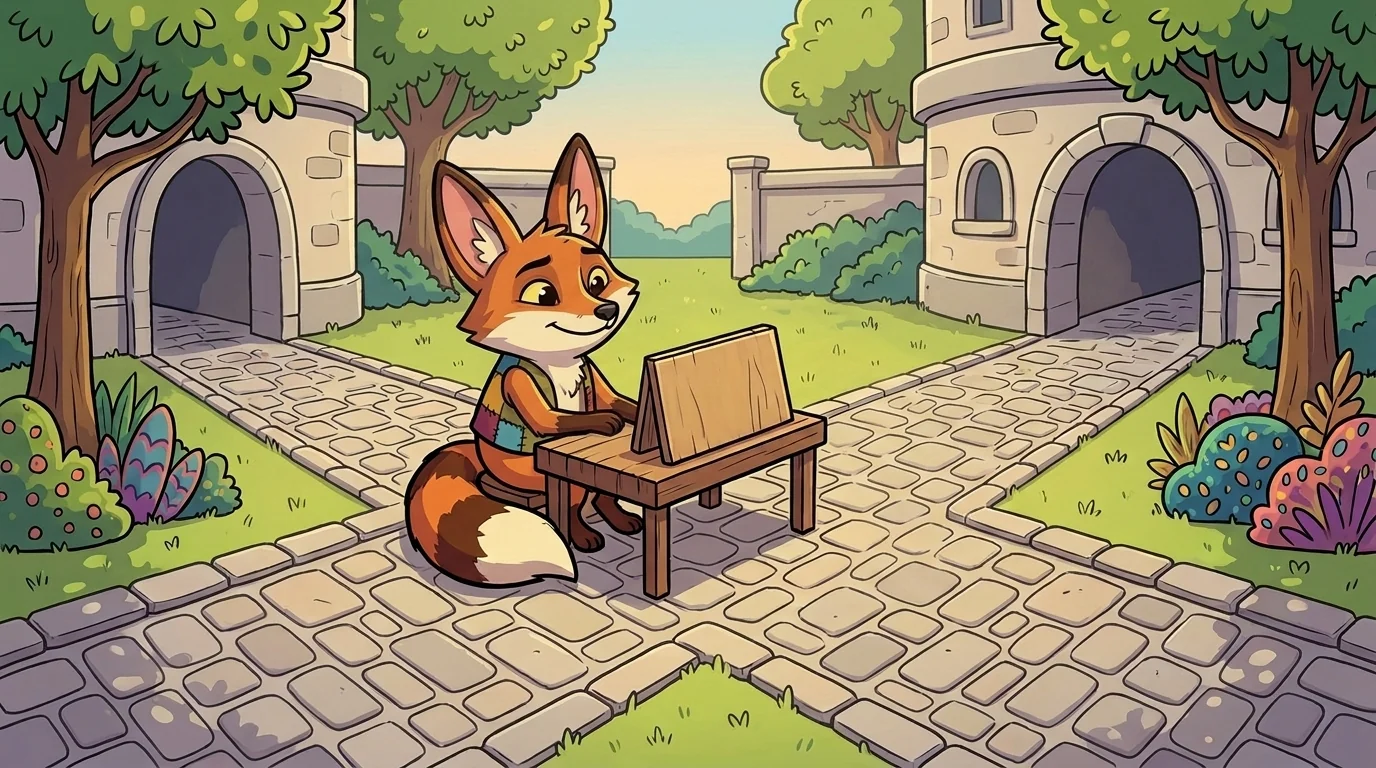
Later, when the workshop had quieted, the student lingered by the little crossroads table.
"When my hero learns the price of his wish," she said, "I feel this — this sinking, and then this strange satisfaction. Why does the catch feel more true than the wish?"
Barter thought about her own too-costly prize, and the elder, and the three words she'd carried ever since.
"Because deep down we all know it," she said. "That the quick, grasped-for thing usually costs more than it gives. That there's no free wish, no shortcut without a toll, no gift-you-seized without fine print. A story where the wish comes with a price isn't being cruel — it's being honest, in a way that matches something true about the world." She tapped her Ask the price first sign. "That sinking you feel is recognition — ah, there's always a cost. And the satisfaction underneath it is the lesson landing gently: not never want anything, but ask the price before you grasp. The heroes who ask are the ones who choose wisely. The ones who don't spend the whole tale paying." She smiled, warm at her crossroads. "And the deepest ones learn the last secret of the bargain: that the thing worth having was rarely the thing they wished for. It was usually the smaller, freely-given thing they'd have seen, if only they hadn't been so busy grasping."
The student breathed out, and Barter watched her tuck away the three-word charm: and the price?
She didn't say the last part aloud, but she felt it, sharp and warm at her crossroads heart: anything you grasp for in a story you can have — for a price; the wisdom is only ever in asking the price before you reach.
The LoreQuest ensemble
Barter is part of LoreQuest's distributed-narrative cast. Each character embodies a different curricular primitive; together they teach the full subject.
-
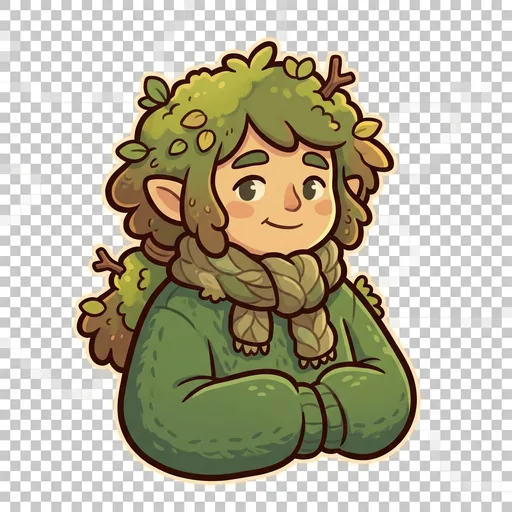
Mossy
Forest / nature-spirit archetype (the quiet local-landscape entity who appears across many traditions — wood-elves, dryads, kami of place, etc., abstractly)
-
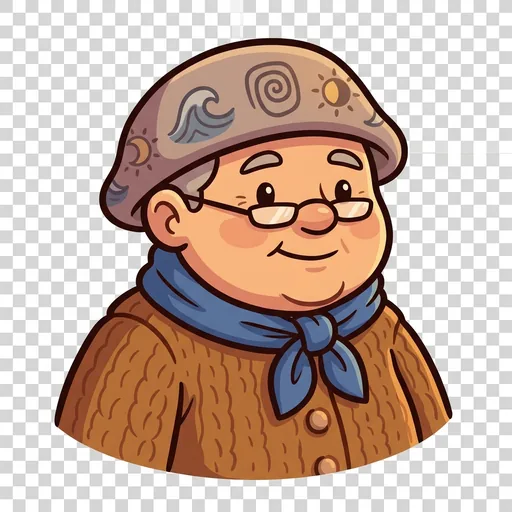
Refrain
Repeating-tale / echo motif archetype (motif recurrence — same story-pattern appearing across cultures: flood myth, hero descent to underworld, twin gods, etc.)
-
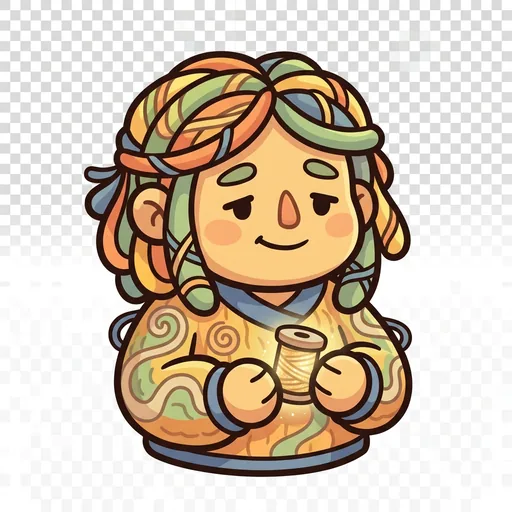
Thread
Hero-journey / fate-spinner archetype (the spinning thread of destiny that recurs across heroic narratives — Moirai, Norns, Anansi-as-spider, etc., abstractly)
-
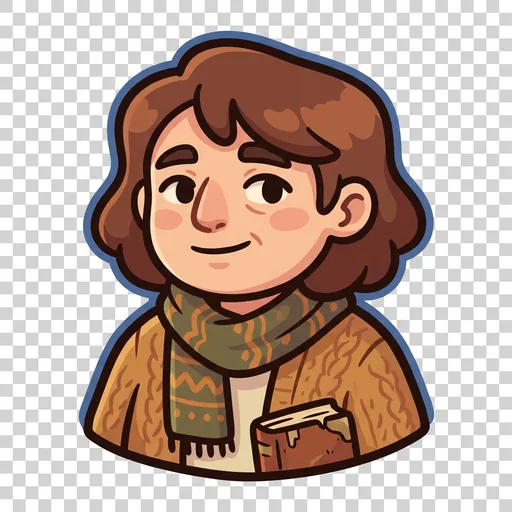
Ruse
Clever-fool / trickster archetype (the figure who breaks the rules and teaches a lesson by doing so — recurs across MANY traditions, but referenced **abstractly** here; the cast...
-
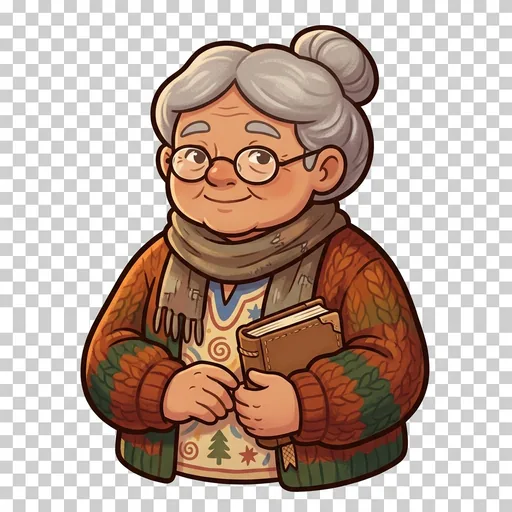
Hearth
Origin / family / hearth-storyteller archetype (the figure who carries oral tradition; the grandmother / elder who tells the stories — found in nearly every tradition's framing...
-

Behest
The forbidden thing — the one rule a story hangs on (do not open it)
-

Boon
The grateful gift — a small kindness freely given that returns
-
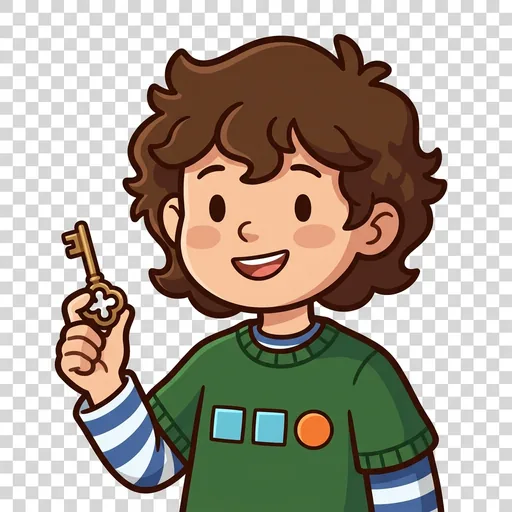
Thrice
The rule of three — two tries set the pattern, the third breaks it
-
Verge
The threshold — the door out of the known world into the strange one