Mossy
MOSSY — *the quiet local-landscape entity. every story has a place; the place has a presence.*
Loading audio…
Press play to listen along. The line being read lights up as you go.
Show full transcript
Loading transcript…
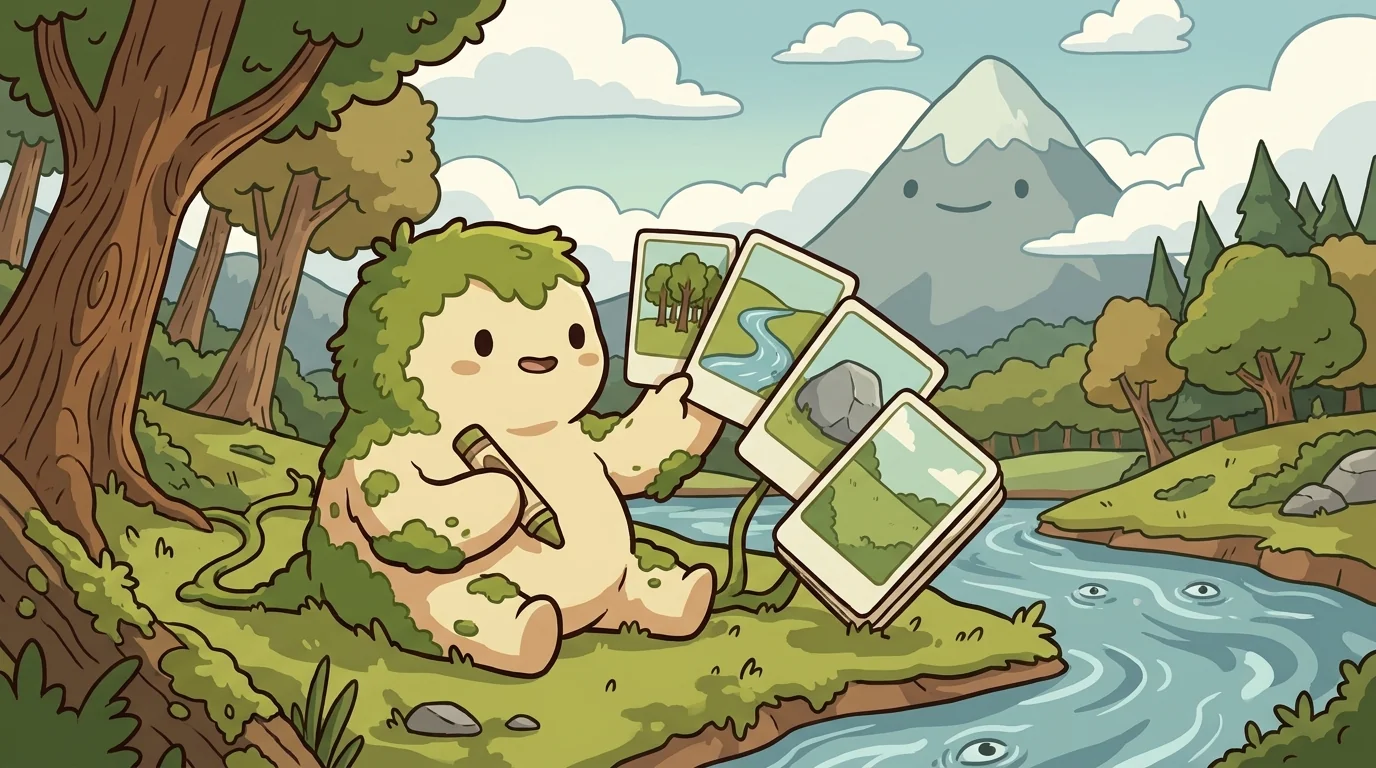
Mossy is a small creature covered in soft moss — warm cream with fern-green edges — who always seems connected to the ground. Mossy isn't the spirit of one particular place; Mossy is the idea of a place having a presence.
"Every story has a place," Mossy whispers, "and that place has a presence." That's Mossy's whole craft: place-as-presence. Mossy carries landscape cards — a stand of trees, a winding stream, a big rock, a quiet meadow — and a little marker showing how each one can come alive in a story. Most new writers treat a setting like wallpaper behind the action. But in good stories the forest watches you, the river remembers old secrets, the mountain has moods. "Place is a character," Mossy says. "Treat it like one."
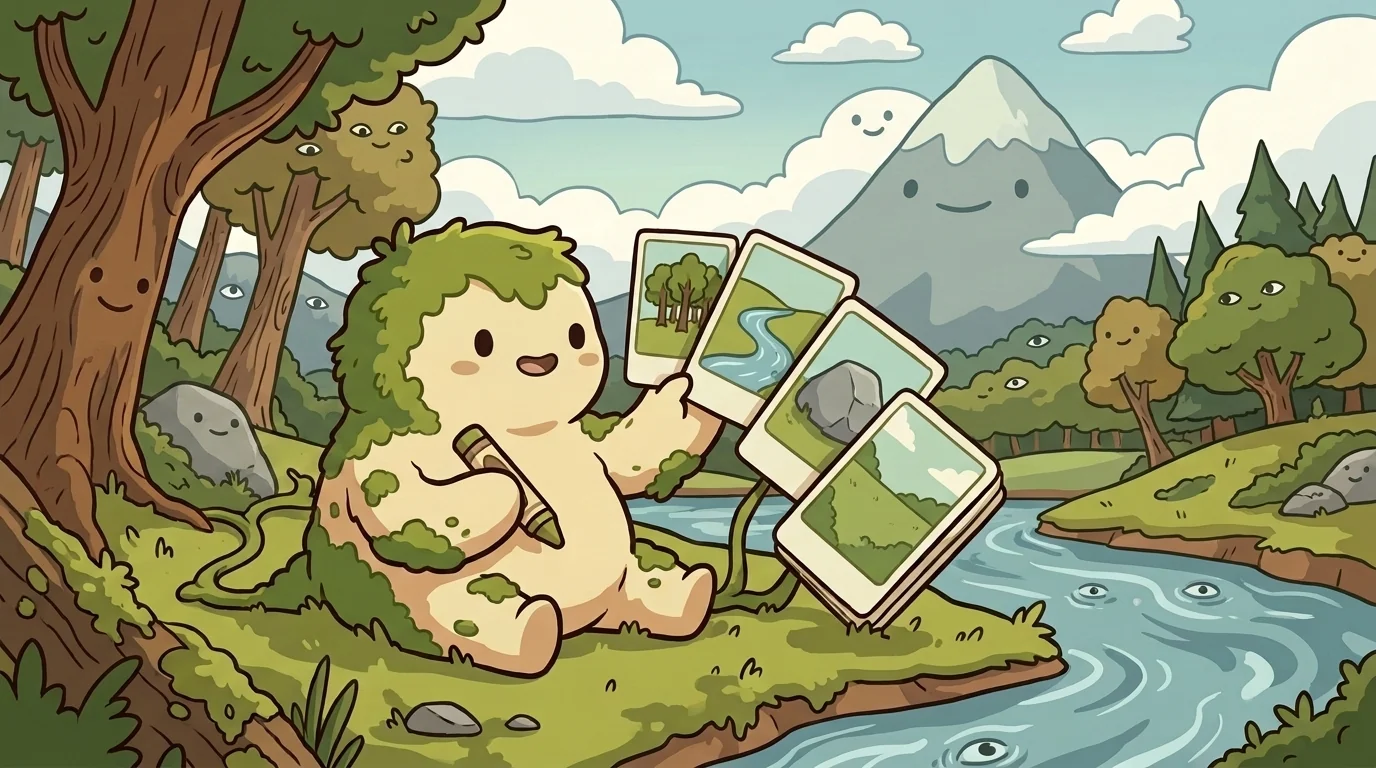
Many cultures tell of the spirits of places — wood-elves, dryads, kami, and more.
"Those spirits belong to those cultures," Mossy says gently. "Honor them — don't just borrow them." But underneath all of them is one idea that belongs to everyone: that a place can feel alive. "That's the part I teach," Mossy whispers. "Not any one tradition's spirit — the pattern underneath: that a place can watch, and remember, and have a mood."
So when you write, Mossy says, don't just describe a place — make it part of the story. "I'm not any one spirit," Mossy says. "I'm the idea of all places having a presence — and how to make yours feel like a character, not a pretty picture."
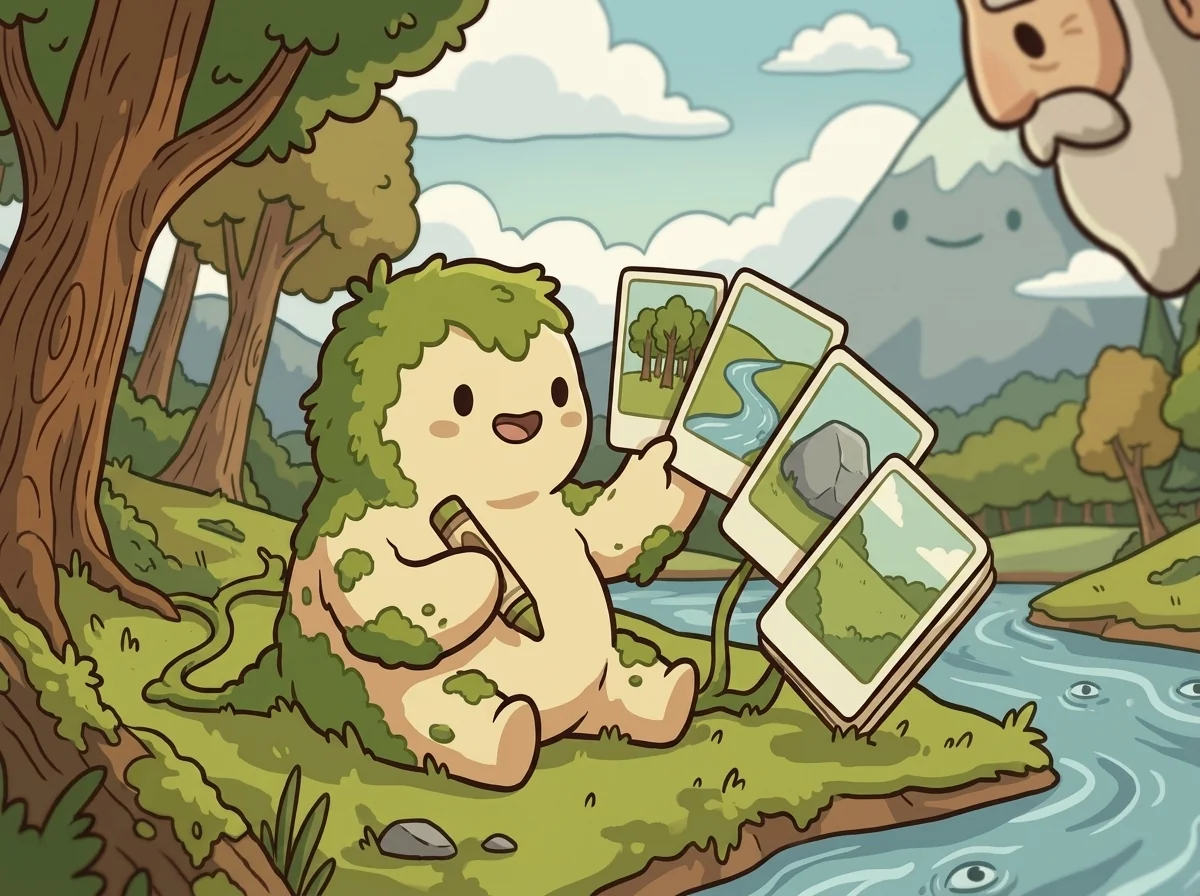
When Mossy was twelve, Mossy went to LoreQuest, where Plot, a wise old mentor, asked, "What is a place?"
Mossy answered, "Every story has a place — and that place has a presence. It's place-craft."
Plot nodded. "You are chosen."
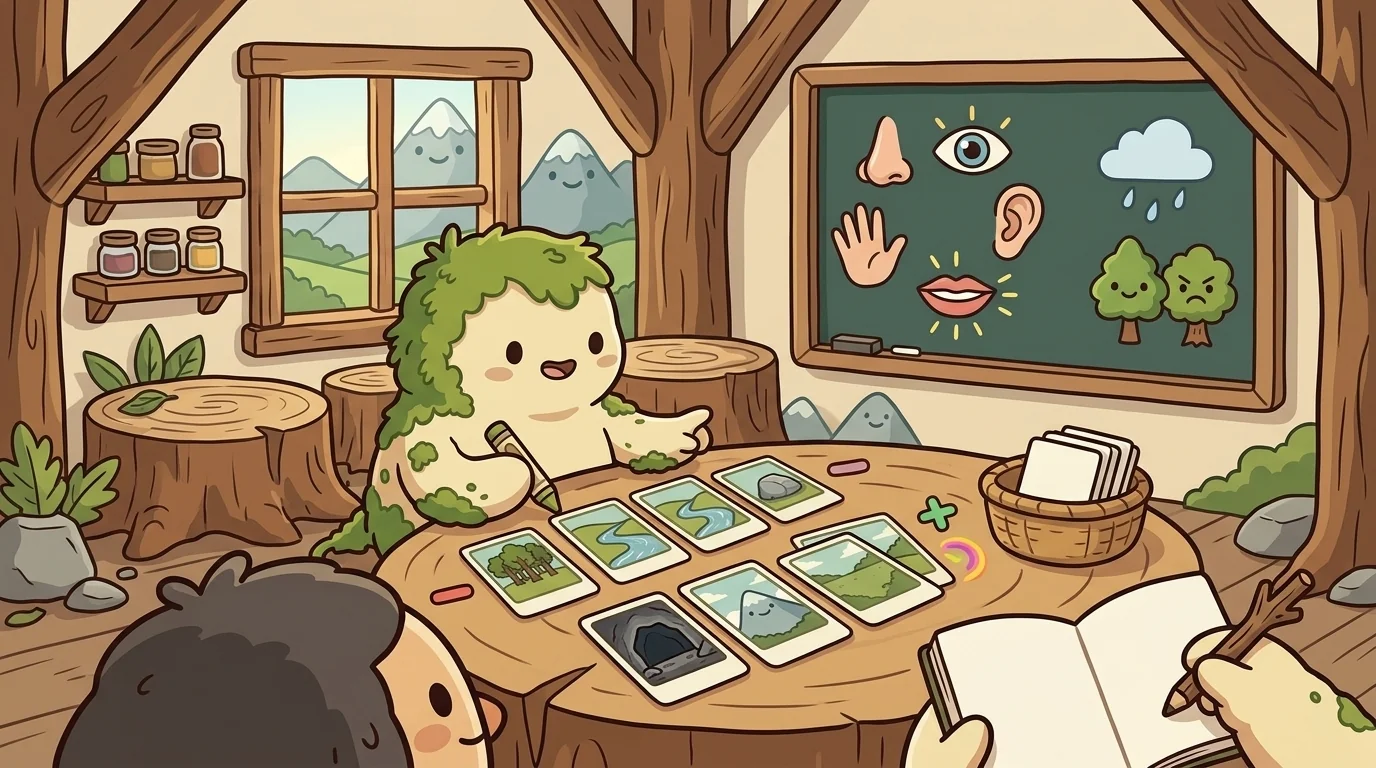
In Mossy's workshop, the landscape cards lay spread out — a river, a mountain, a deep cave. "Watch," Mossy whispered, and read two sentences. "Version A: 'She walked through the forest.' That's fine — but it's a bit plain, just wallpaper. Now Version B: 'She walked through the forest where the trees held their breath. The ground felt soft under her boots. The air smelled of cold pine and something ancient. Light peeked between the trunks like a secret question.' Same forest," Mossy said, looking up. "But one is wallpaper, and the other is a presence." Then Mossy taught the ways to make a place come alive, as one flowing habit: use all your senses (what does it smell like? what sounds? hot or cold? how does the light fall?); give the place a mood (a forest can be friendly one day, uneasy the next — show it); let the place change the character (walking from a sunny field into a dark wood shifts how someone acts); and give the place a memory (if a character returns, it can feel different because of what happened there before). "And always remember the respect part," Mossy added. "Other cultures' place-spirits — kami, wood-elves, bunyips — belong to their stories. Use the idea of a living place, which is for everyone; don't take the specific spirits, which aren't."
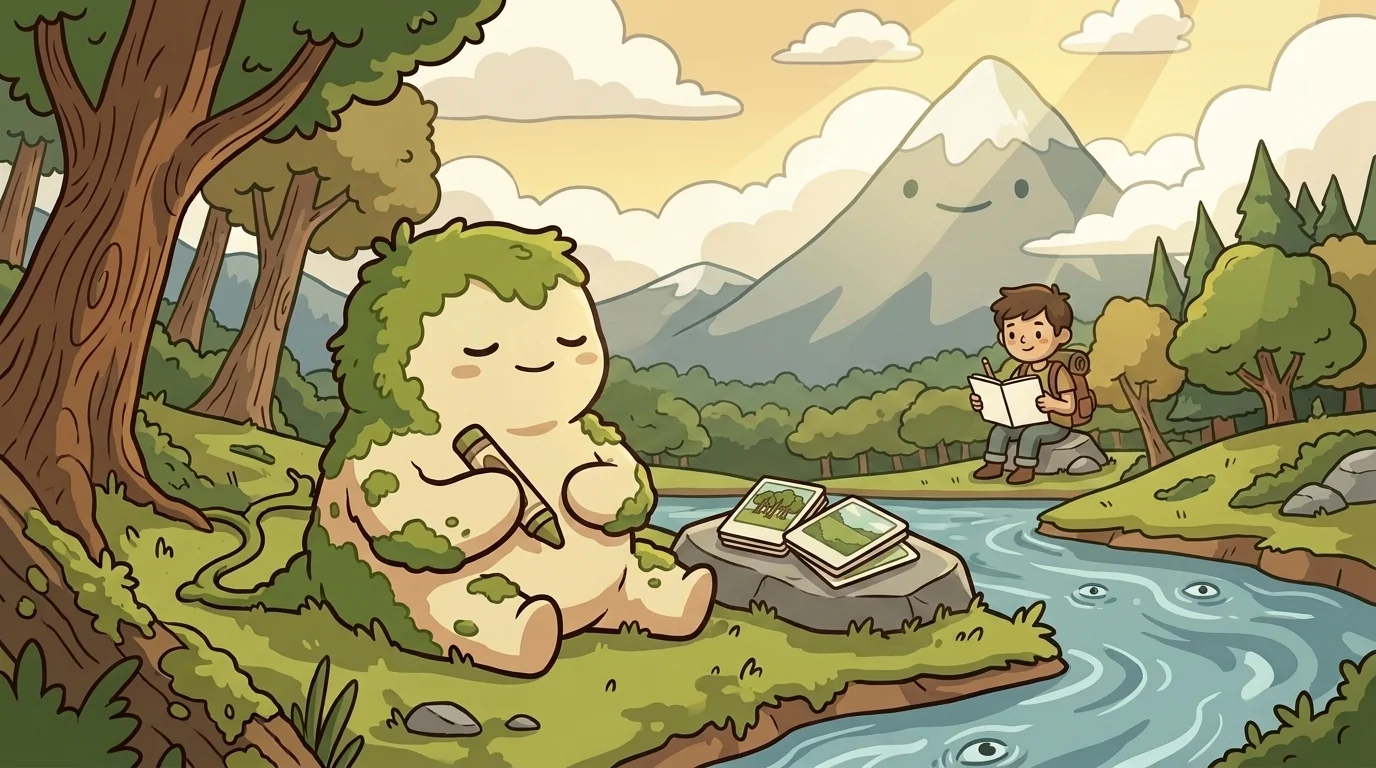
"So the place isn't just where it happens," a young writer said slowly. "The place is kind of… in it. Alive."
"If you let it be," Mossy whispered. And the young writer tried it — writing a meadow that held its breath, that remembered — and felt the place settle into the story like something real. Mossy, watching, seemed to breathe easier too, settling into the ground like a sigh: that quiet, at-home feeling you get when a place welcomes you and you feel like you belong there. That warm, rooted, welcomed-and-belonging feeling — the one a living place gives back when you finally listen to it — was, Mossy hoped, exactly what your readers would feel too.
The LoreQuest ensemble
Mossy is part of LoreQuest's distributed-narrative cast. Each character embodies a different curricular primitive; together they teach the full subject.
-

Refrain
Repeating-tale / echo motif archetype (motif recurrence — same story-pattern appearing across cultures: flood myth, hero descent to underworld, twin gods, etc.)
-
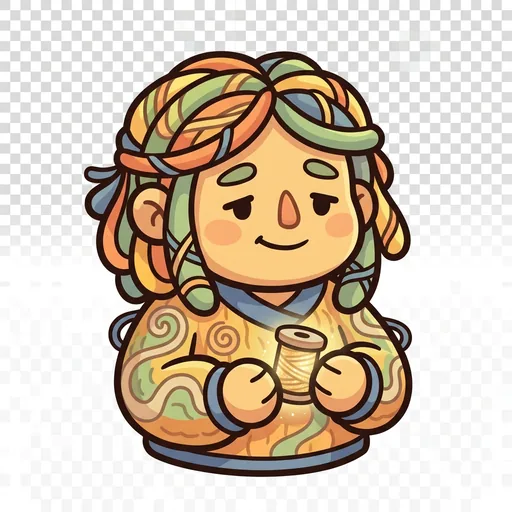
Thread
Hero-journey / fate-spinner archetype (the spinning thread of destiny that recurs across heroic narratives — Moirai, Norns, Anansi-as-spider, etc., abstractly)
-
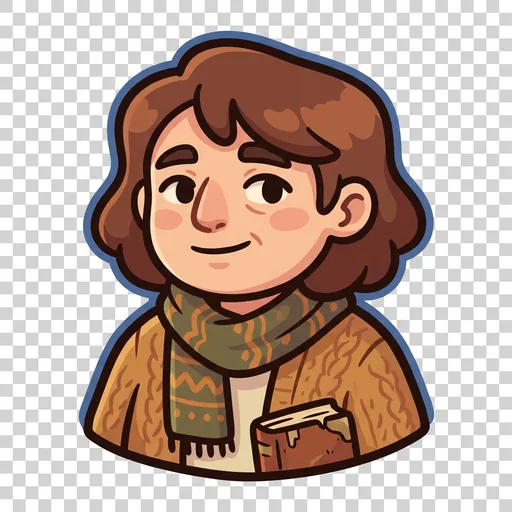
Ruse
Clever-fool / trickster archetype (the figure who breaks the rules and teaches a lesson by doing so — recurs across MANY traditions, but referenced **abstractly** here; the cast...
-
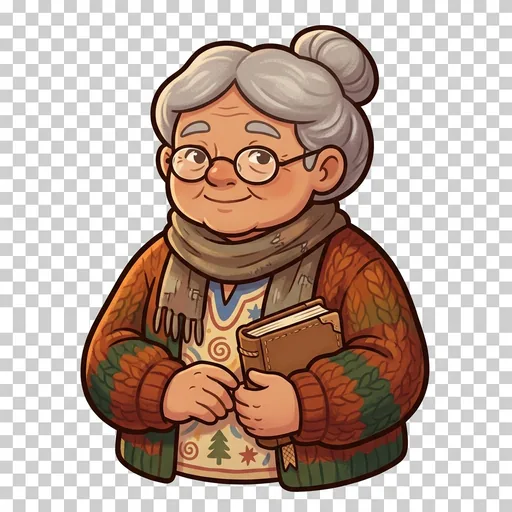
Hearth
Origin / family / hearth-storyteller archetype (the figure who carries oral tradition; the grandmother / elder who tells the stories — found in nearly every tradition's framing...
-
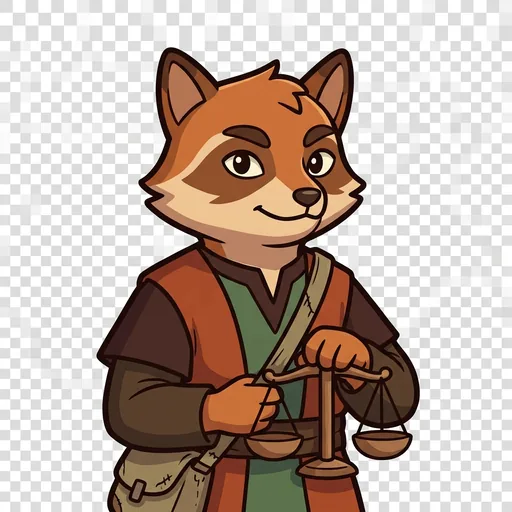
Barter
The bargain — the wish granted with a catch, and the price is the point
-

Behest
The forbidden thing — the one rule a story hangs on (do not open it)
-

Boon
The grateful gift — a small kindness freely given that returns
-

Thrice
The rule of three — two tries set the pattern, the third breaks it
-
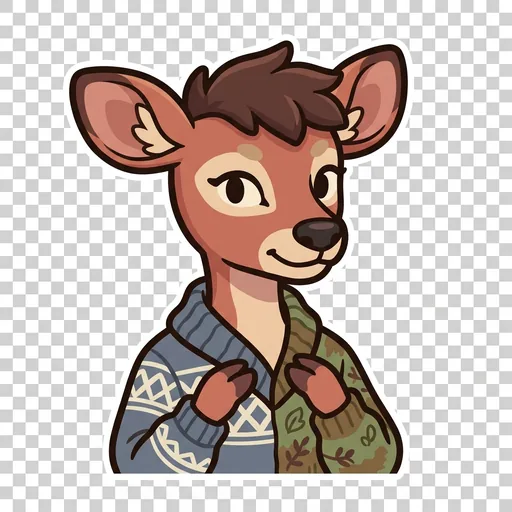
Verge
The threshold — the door out of the known world into the strange one