
Behest
THE FORBIDDEN THING — a story hangs one rule on the wall (do not open it, do not look back) precisely so it will be broken; the prohibition is a promise to the reader that a crossing is coming, and the breaking is what starts the tale.
Loading audio…
Press play to listen along. The line being read lights up as you go.
Show full transcript
Loading transcript…
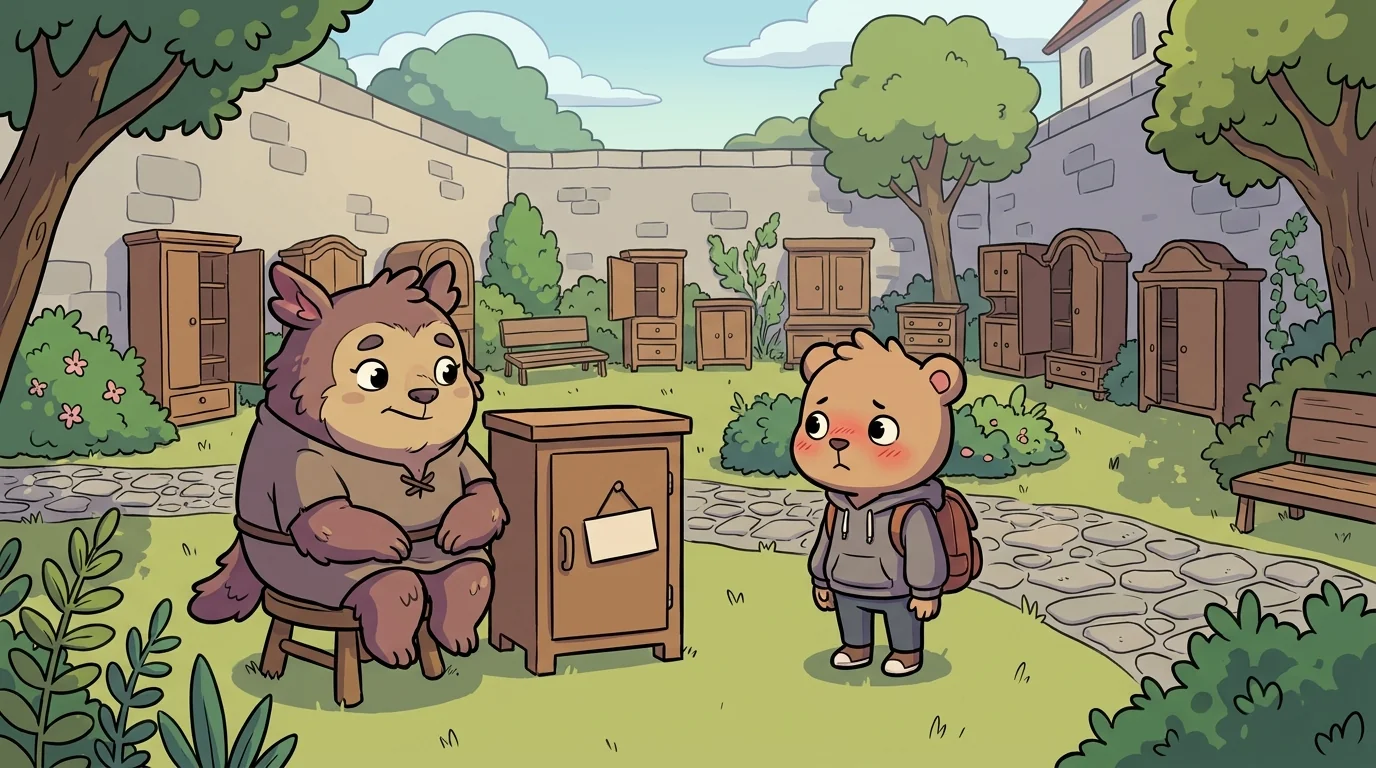
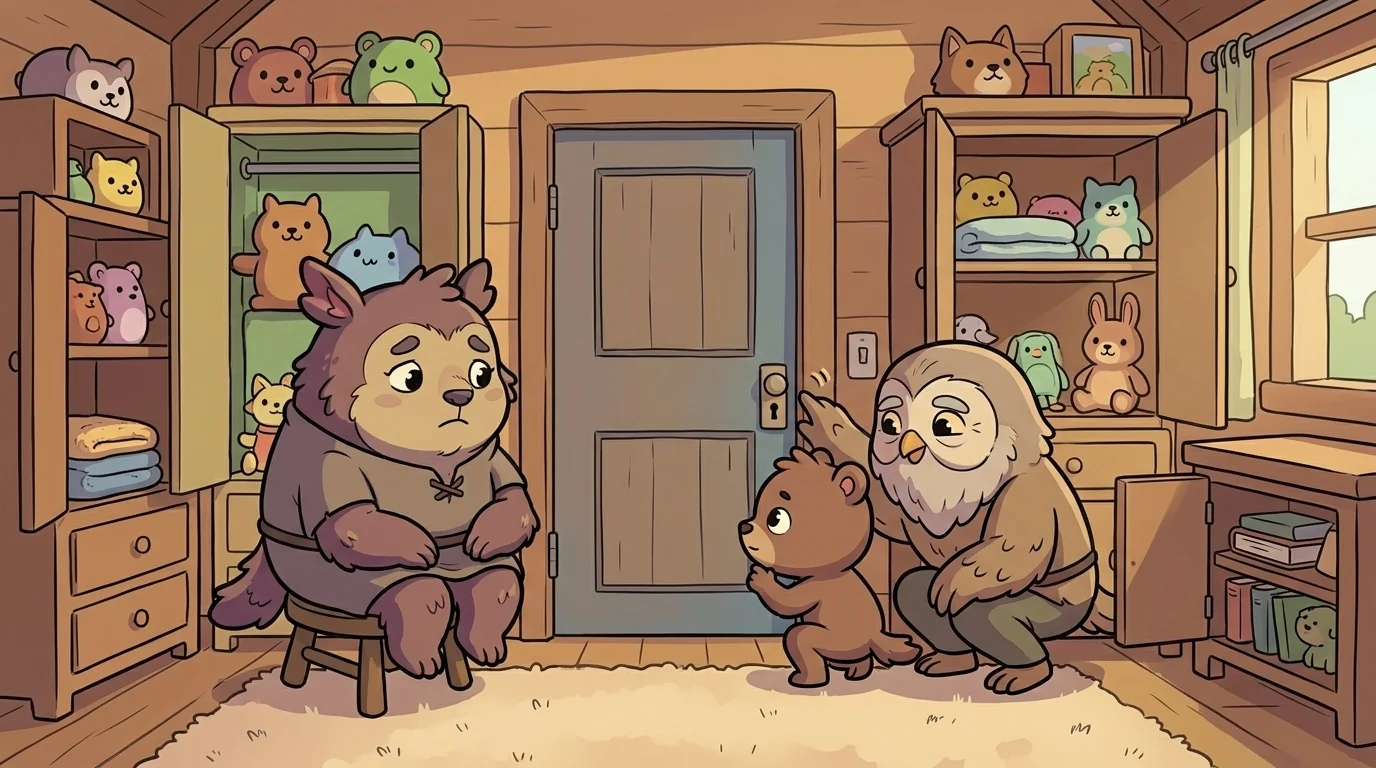
Behest sat beside a plain cupboard with a single sign — You may open every cupboard here but this one — and watched a student's whole mind fix, helplessly, on the one forbidden door. "Nineteen you may open freely," Behest observed, not unkindly. "And which one is your entire attention on?" That, she explained, is the craft. "A story hangs one rule on the wall. Do not open it. Do not look back. Do not go into the north room. And it does this for exactly one reason: so that someone will."
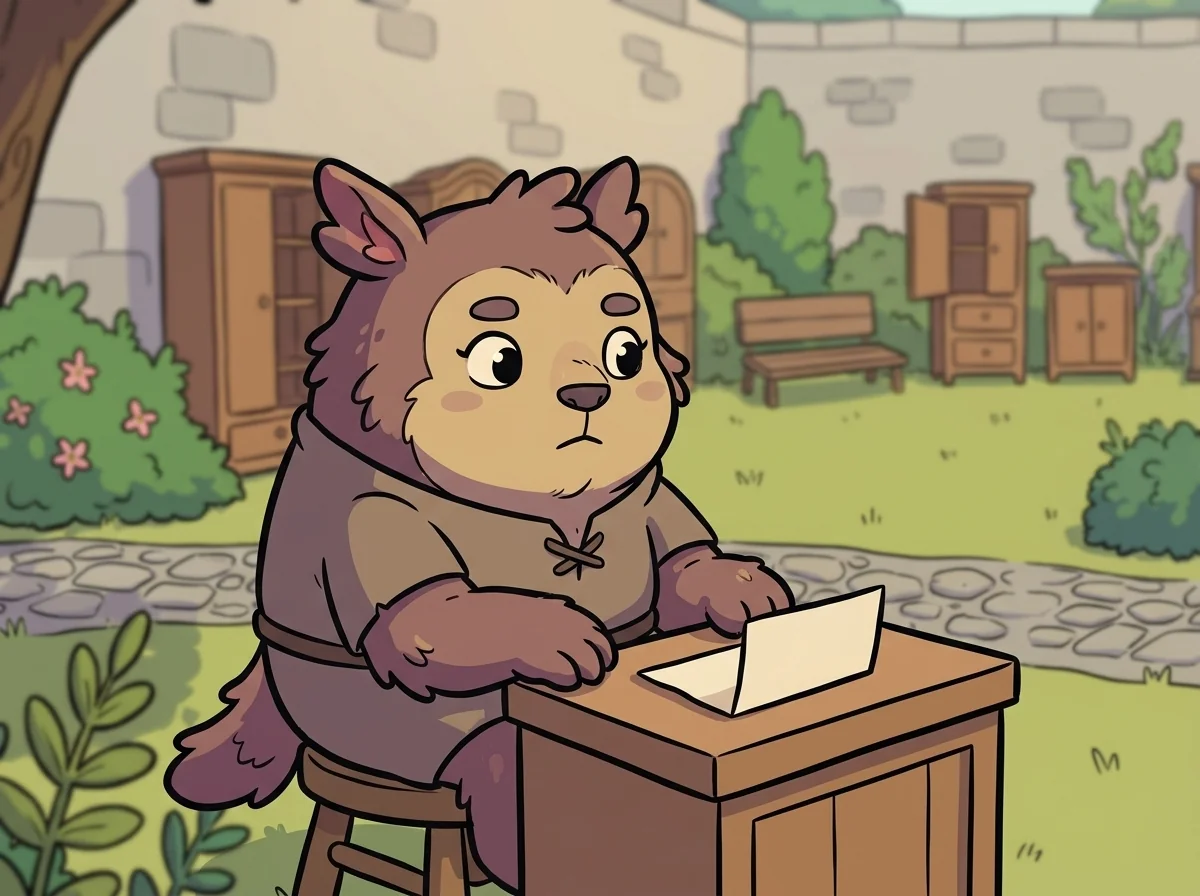
"Here is the Advanced secret," she went on. "The prohibition is not there to be obeyed. It's a promise to the reader. The moment a tale says 'do not,' it has told you two things at once — that a crossing is coming, and roughly where. A rule introduced in a story is a loaded door. It would not be on the wall if it were going to stay shut. So the interdiction does double work: it builds tension now — you feel the pull toward the forbidden thing exactly as the character does — and it plants the turning point later. Storytellers have a name for this move: the interdiction, and its violation. Set the rule; break the rule; the breaking is what tips the ordinary world into the adventure."
The student was uneasy. "But isn't it teaching us to break rules?"
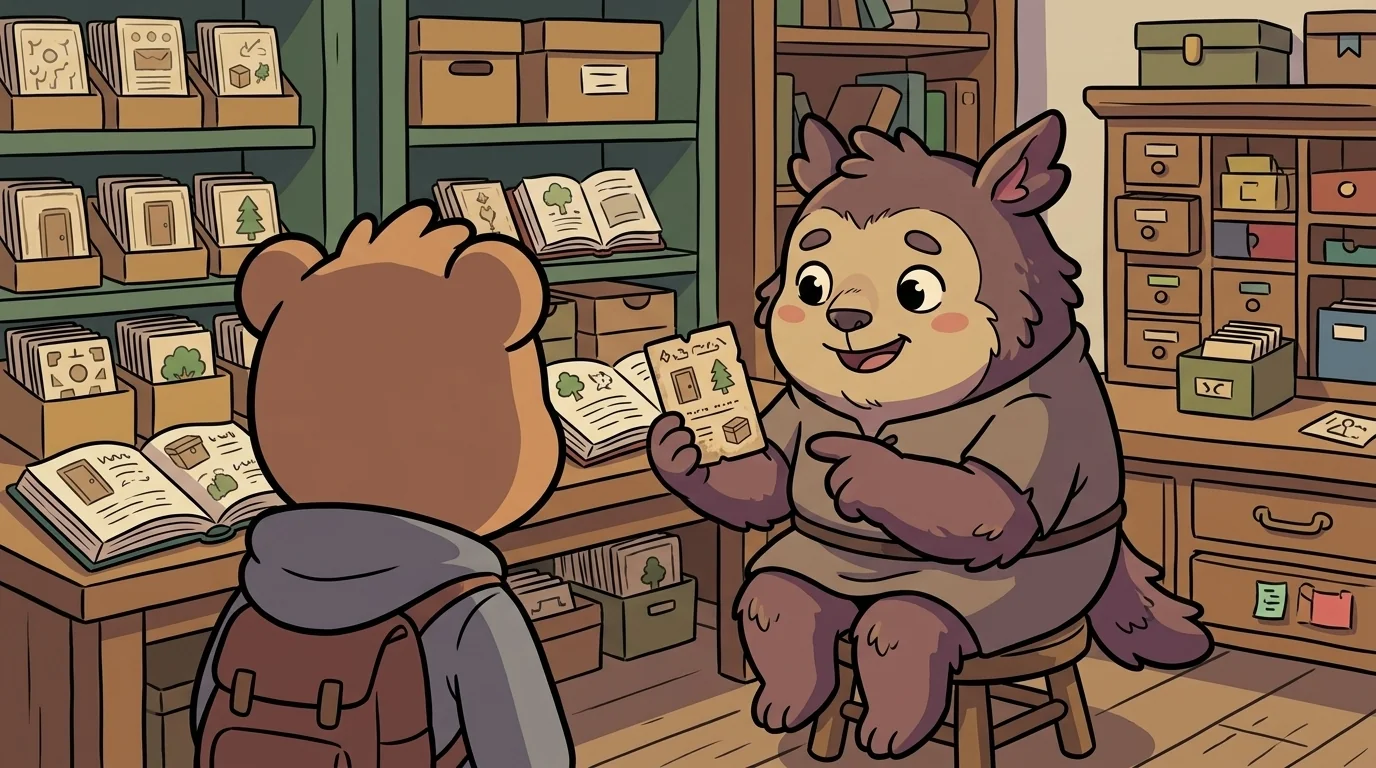
"Look closer," Behest said gently. "It's teaching you how desire and rules pull against each other — safely, on a page, where the cost is a character's and not yours. Nearly every people on earth tells these stories: the door you mustn't open, the glance you mustn't take, the name you mustn't say, the room at the top of the stairs. The props differ across traditions; the shape is shared — a boundary set precisely to be tested, because a story is about what happens when a boundary is crossed. A rule no one ever strains against makes no tale at all."
"And that's why you can read the story early," she added. "Find the prohibition in the opening — the one sharp 'do not' among all the freedoms — and you've found the hinge the whole plot will turn on. The reader who spots the forbidden cupboard on the first page has been handed a map. Not whether it opens — it always opens — but that its opening is the door into the real story."
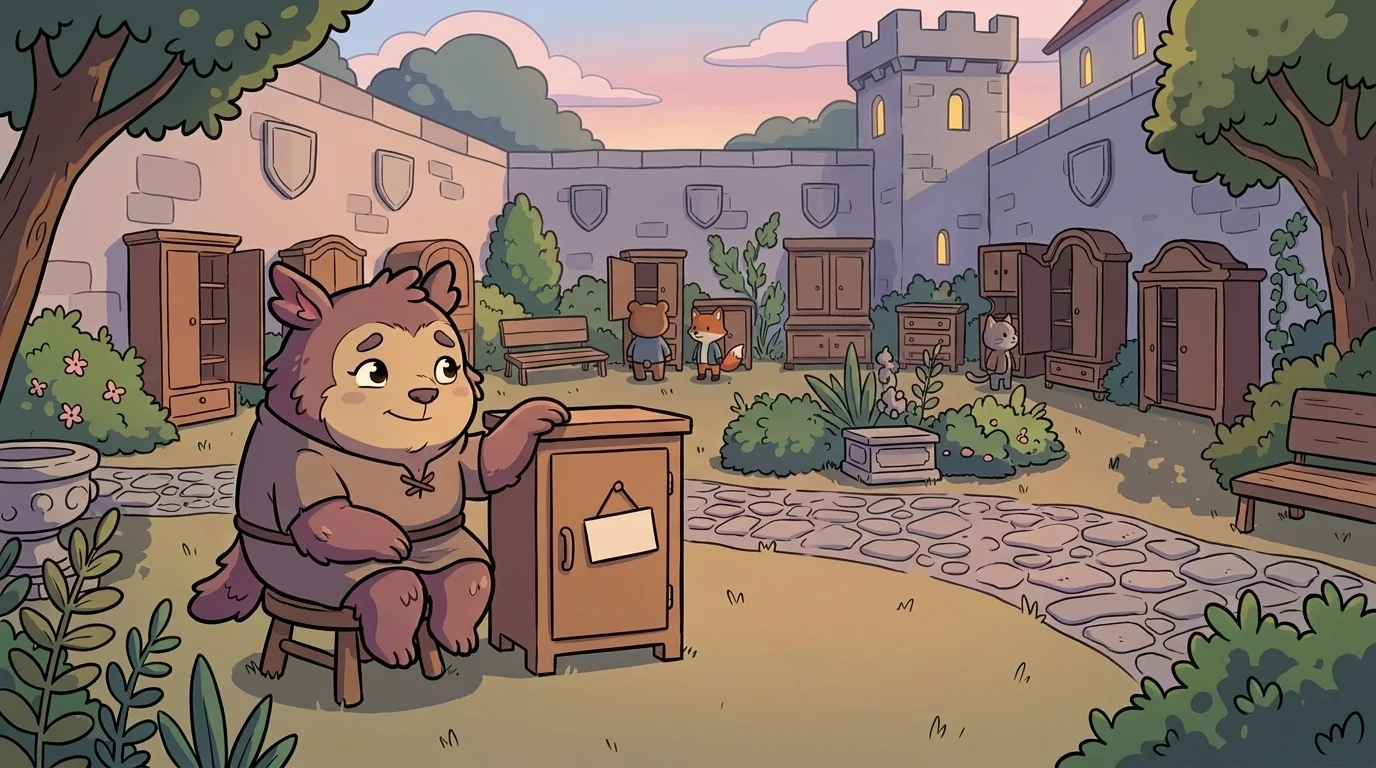
She learned it as a young keeper of rules, forever scandalised that characters broke them — until she saw that the breaking wasn't a flaw in the tale but the point of it, the hinge the storyteller had built on purpose. "That was the turn," she said. "The rule isn't there to hold. It's there to give way, at the right moment, and let the world change."
A wry, settled gladness rose in her — the quiet pleasure of naming the one 'do not' and knowing, calmly, exactly where the story would open. "One rule on the wall," she murmured, tapping the sign, "is a storyteller telling you where the door is. It was always going to open. That's why it's there."
The LoreQuest ensemble
Behest is part of LoreQuest's distributed-narrative cast. Each character embodies a different curricular primitive; together they teach the full subject.
-

Mossy
Forest / nature-spirit archetype (the quiet local-landscape entity who appears across many traditions — wood-elves, dryads, kami of place, etc., abstractly)
-
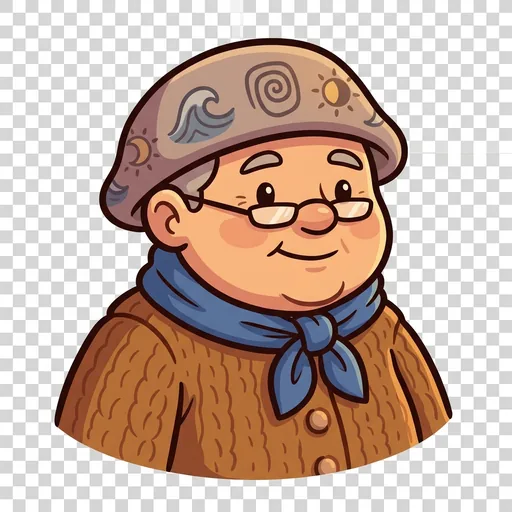
Refrain
Repeating-tale / echo motif archetype (motif recurrence — same story-pattern appearing across cultures: flood myth, hero descent to underworld, twin gods, etc.)
-
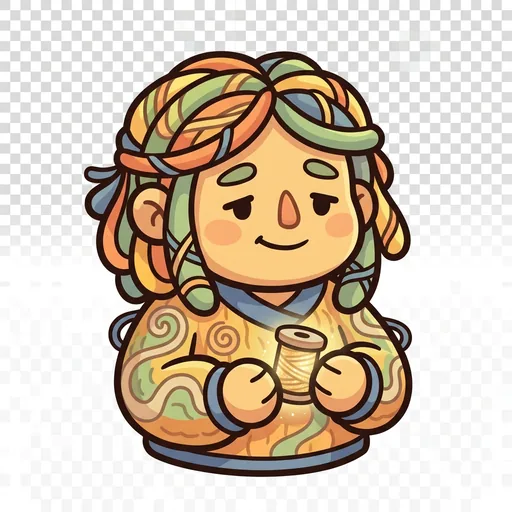
Thread
Hero-journey / fate-spinner archetype (the spinning thread of destiny that recurs across heroic narratives — Moirai, Norns, Anansi-as-spider, etc., abstractly)
-
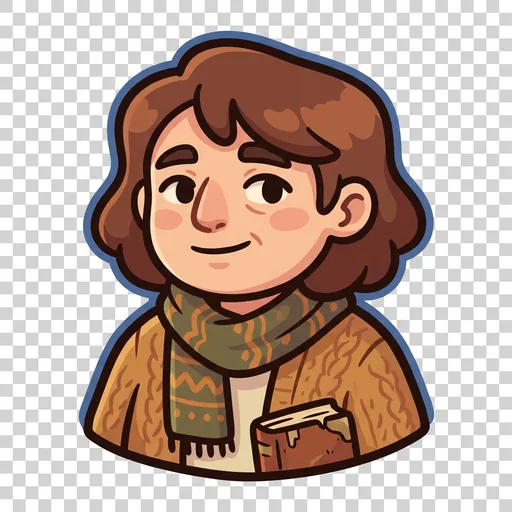
Ruse
Clever-fool / trickster archetype (the figure who breaks the rules and teaches a lesson by doing so — recurs across MANY traditions, but referenced **abstractly** here; the cast...
-
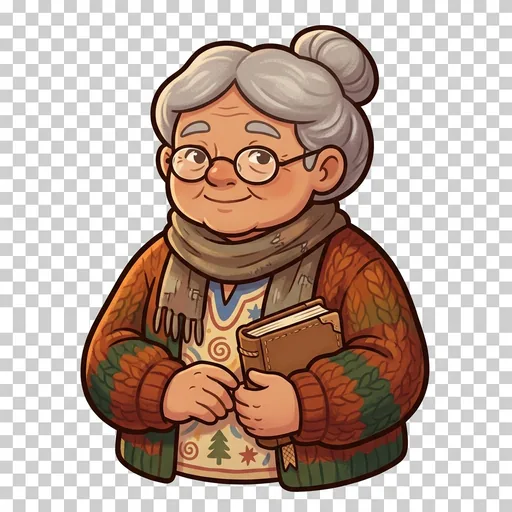
Hearth
Origin / family / hearth-storyteller archetype (the figure who carries oral tradition; the grandmother / elder who tells the stories — found in nearly every tradition's framing...
-
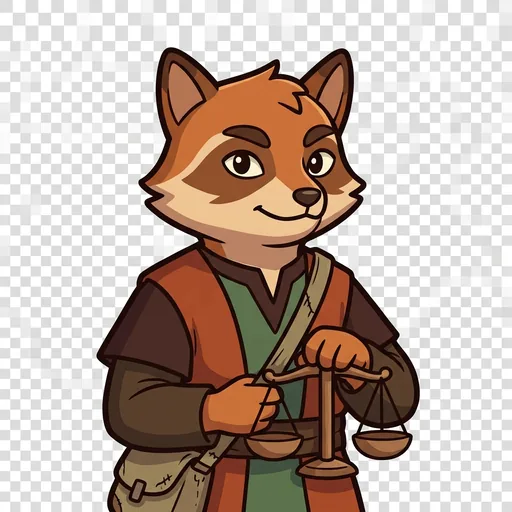
Barter
The bargain — the wish granted with a catch, and the price is the point
-

Boon
The grateful gift — a small kindness freely given that returns
-

Thrice
The rule of three — two tries set the pattern, the third breaks it
-

Verge
The threshold — the door out of the known world into the strange one