Thrice
THE RULE OF THREE
Loading audio…
Press play to listen along. The line being read lights up as you go.
Show full transcript
Loading transcript…
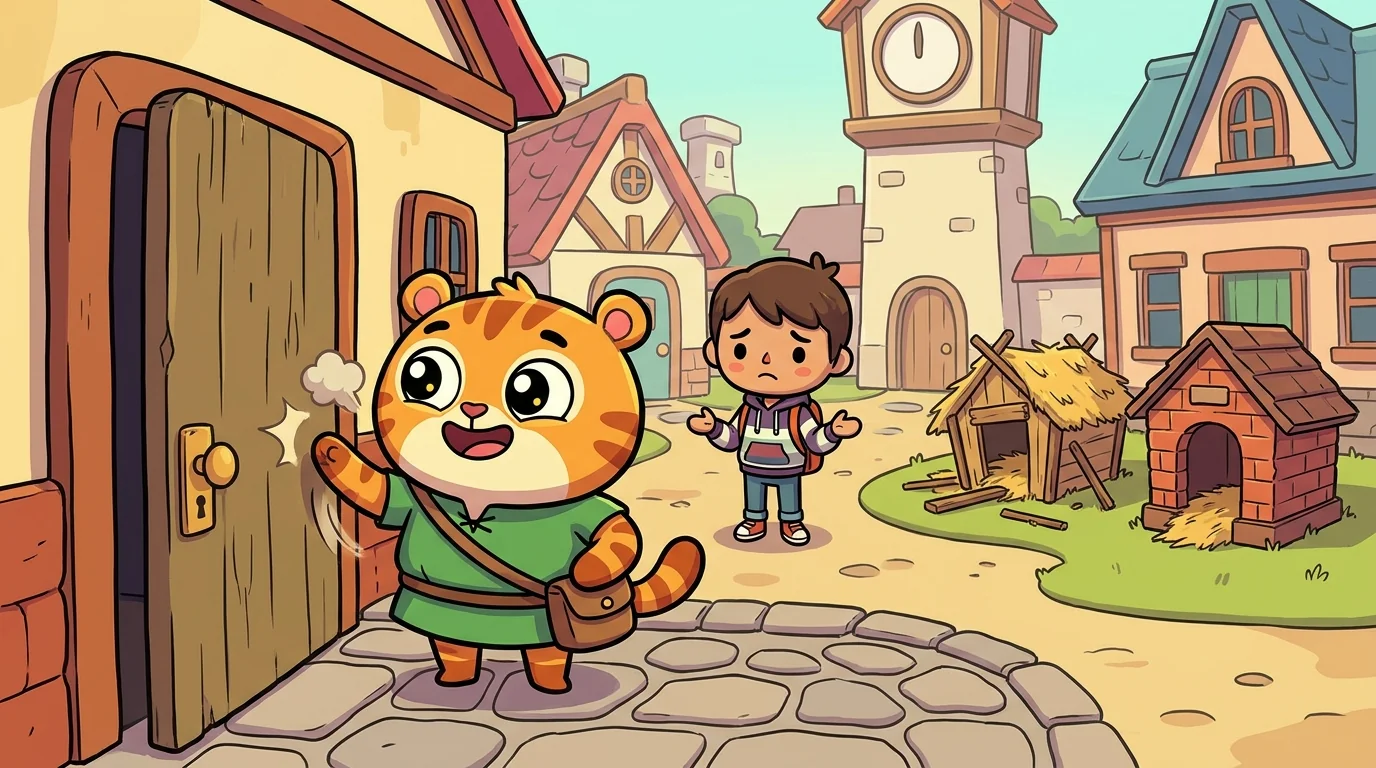
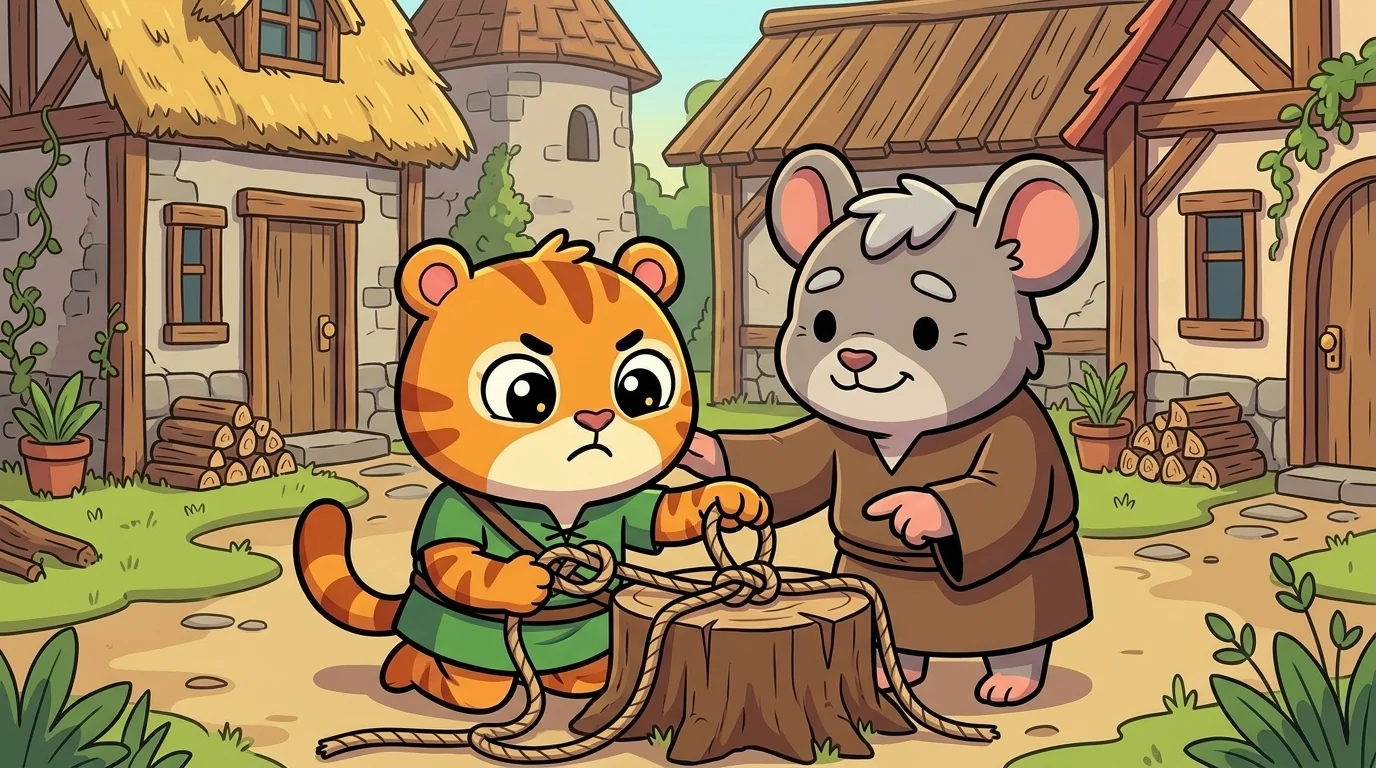
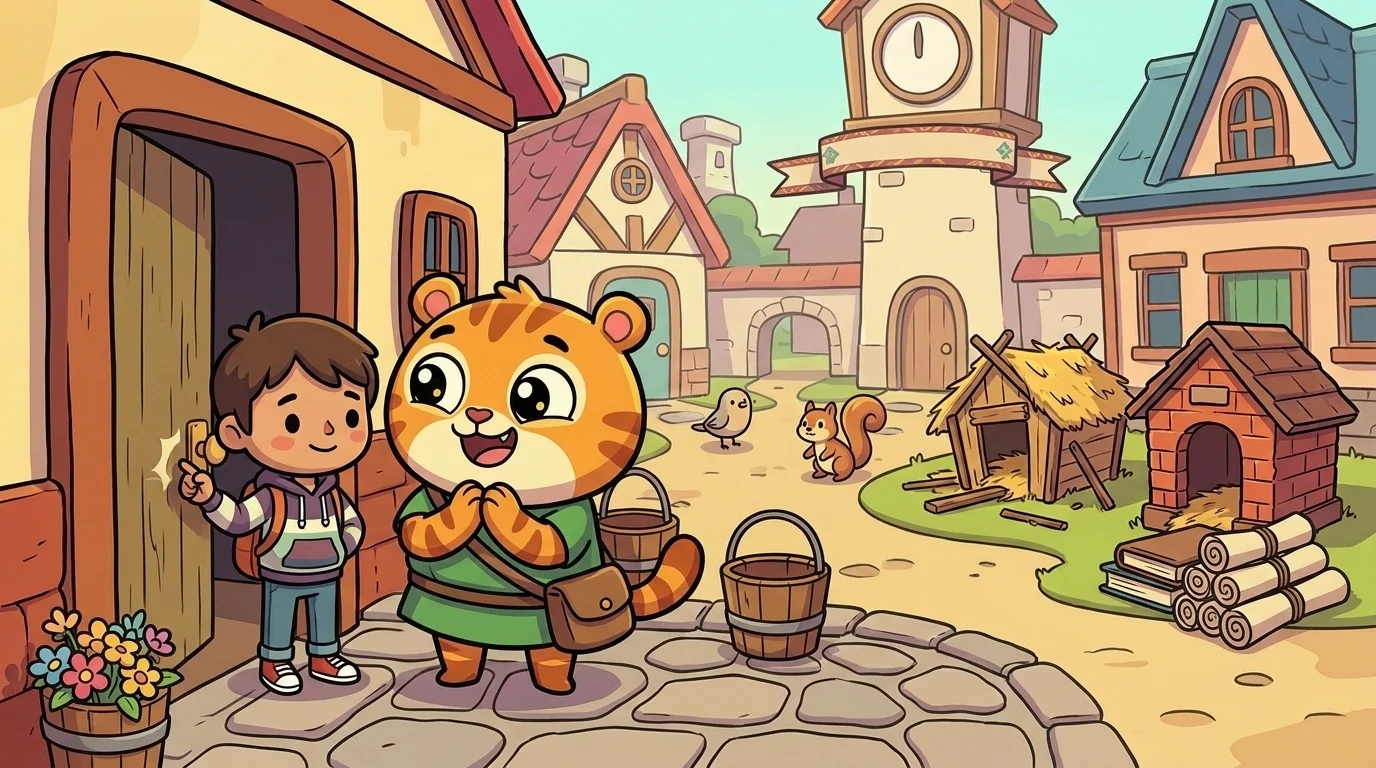
Thrice knocked once, soft — nothing. Twice, soft — nothing. Then, grinning, she thumped three times loud, and the door swung open. "Why not knock loud the first time?" a baffled student asked. "Because then there'd be no story," Thrice said, delighted — and the Advanced tier of her craft is understanding exactly why the third one lands. "Watch what your ears just did. Soft, nothing. Soft, nothing. By the second time, your mind has quietly filed a rule: knock, silence, knock, silence. You're expecting nothing. And then the third breaks the rule — and it lands, hard, because you weren't braced for it. Two the same, and a third that's different. The oldest rhythm in every story there is."
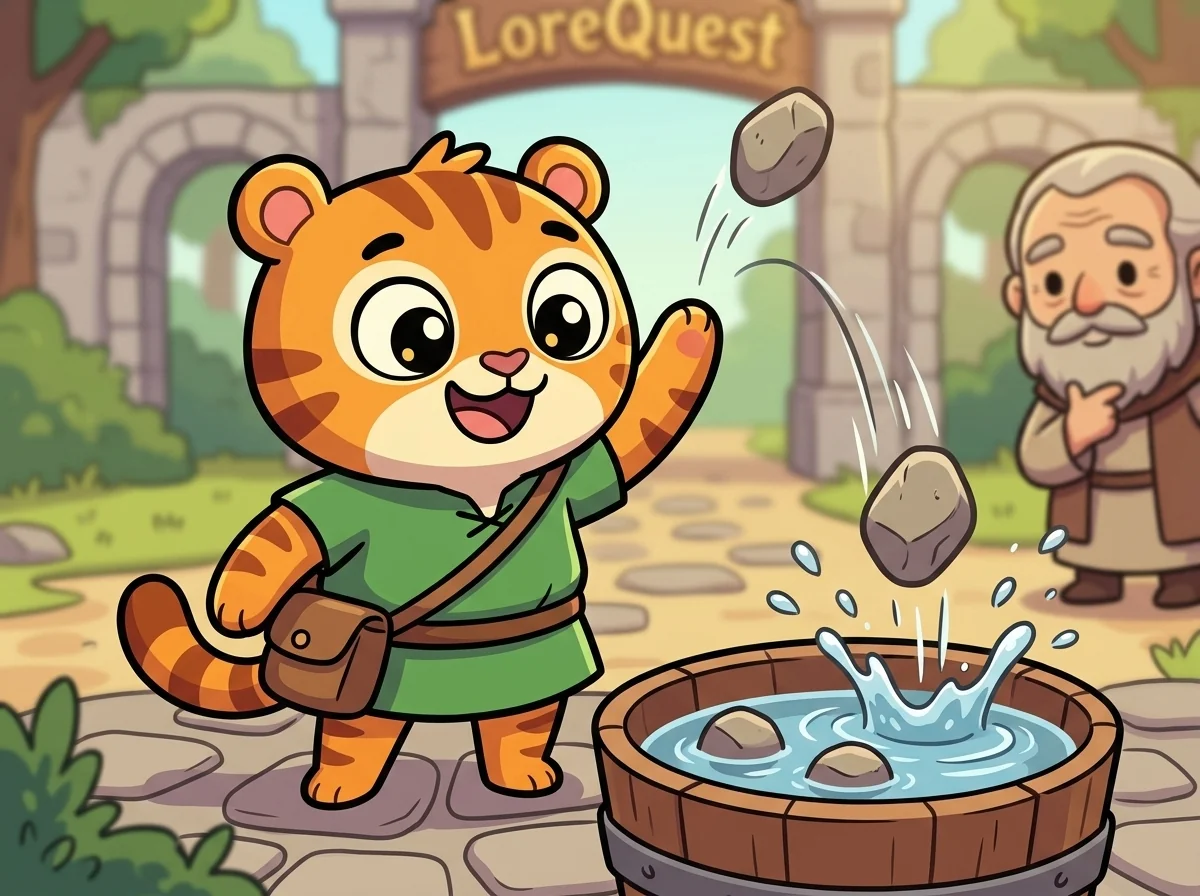
"Here's the mechanism," she went on. "The first beat introduces a pattern. The second confirms it — now your brain is sure it knows what comes next. That certainty is the trap the storyteller is setting. The third beat pays it off: either by breaking the pattern (the surprise) or by crowning it (the biggest, the final, the one that works). Two to establish, one to resolve. Why not two beats? Because two can't show both a rule and a break — you need at least two to make the pattern and a third to do something with it. And why not four? Because by the fourth, the ear is bored; three is the smallest complete rhythm — the fewest beats that can set a pattern and then turn it. Efficient, and satisfying, which is exactly why it's everywhere."
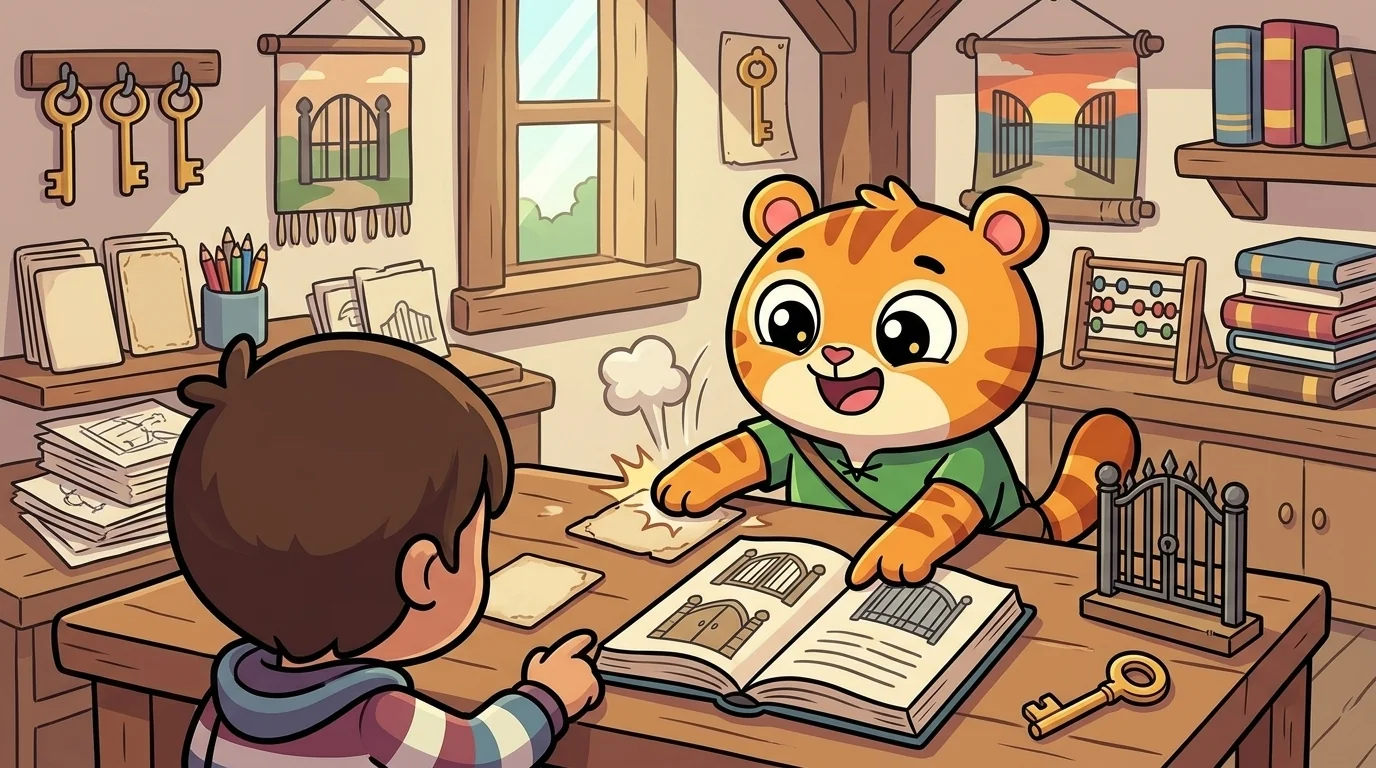
The student frowned. "Everywhere?"
"Nearly every people on earth tells in threes," Thrice said, with respect. "Two houses fall and the third stands. Two siblings fail the test and the third — the youngest, the odd one, the one no one bet on — passes. Two roads lead nowhere and the third leads home. The props and the peoples differ; the beat is shared, because three is how humans everywhere seem to hear a complete little story: set, set, turn. And notice the third is almost always the one that matters — the odd one, the different one, the one that breaks the rhythm. When a tale gives you three of anything, watch the third."
She learned to hear it as a young pattern-catcher, first annoyed that stories were so predictable with their threes — then delighted to realise the predictability was the point, the setup that made the break feel like a gift. "That was the turn," she said. "Not that three is a rut. That three is the smallest, cleanest way to make you expect one thing and then feel another — and feeling the turn is the whole pleasure of a tale."
A bright, settled gladness rose in her — the delight of hearing the triple rhythm form and knowing, with a grin, that the third beat was coming to break it. "Two the same, a third that's different," she murmured, thumping the door once more. "When a story counts to three, the three is where it's really talking. Listen for the turn."
Hear it as an audio drama
A short play starring Thrice, from LoreQuest. Different voices, same idea. Listen any time after you read.
Loading audio…
Read the drama script
- Narrator: From Spark and Anvil and LoreQuest — this is Thrice, in chapter 1 of the LoreQuest cast.
- Narrator: This drama uses an AI-generated voice. Voiced via Gemini 2.5.
- Narrator: This story covers old stories from many cultures. Parents may want to listen first.
- Narrator: Thrice knocked once, soft, nothing. Twice, soft, nothing. Then, grinning, she thumped three times loud, and the door swung open.
- Narrator: Why not knock loud the first time, a baffled student asked.
- Thrice: Because then there'd be no story. Watch what your ears just did. Soft, nothing. Soft, nothing. By the second time your mind has filed a rule. You're expecting nothing. And then the third breaks it, and it lands, because you weren't braced.
- Thrice: Two the same, and a third that's different. The oldest rhythm in every story there is.
- Narrator: Here's the mechanism, she went on.
- Thrice: The first beat introduces a pattern. The second confirms it, so now your brain is sure what comes next. That certainty is the trap. The third pays it off, either by breaking the pattern, the surprise, or crowning it, the biggest and final.
- Thrice: Why not two beats? Two can't show both a rule and a break. Why not four? By the fourth the ear is bored. Three is the smallest complete rhythm. The fewest beats that can set a pattern and then turn it.
- Narrator: Everywhere, the student repeated.
- Thrice: Nearly every people on earth tells in threes. Two houses fall, the third stands. Two siblings fail, the third, the youngest, the odd one, passes. The props differ, the beat is shared. Set, set, turn.
- Thrice: And the third is almost always the one that matters. The odd one, the different one. When a tale gives you three of anything, watch the third.
- Narrator: A bright, settled gladness rose in her.
- Thrice: Two the same, a third that's different. When a story counts to three, the three is where it's really talking. Listen for the turn.
- Narrator: You've been listening to a Spark and Anvil chapter, written by the Spark and Anvil writing team for ages 9 to 14.
- Narrator: Apps stay free forever.
- Narrator: Curriculum aligned to Common Core English Language Arts.
- Narrator: If anything in this story brought up big feelings, talking to a trusted adult helps. You can also reach support lines anytime.
- Narrator: With cultural-knowledge credit to the Indigenous, traditional, and community knowledge holders whose practice and care this story draws on.
- Narrator: Released under Creative Commons BY-NC-SA 4.0 for educational reuse. Visit Spark and Anvil for the full transcript.
The LoreQuest ensemble
Thrice is one of the friends in LoreQuest. Each friend shows you one idea by how they act; meet them all and you have the whole subject.
-

Mossy
Forest / nature-spirit archetype (the quiet local-landscape entity who appears across many traditions — wood-elves, dryads, kami of place, etc., abstractly)
-

Refrain
Repeating-tale / echo motif archetype (motif recurrence — same story-pattern appearing across cultures: flood myth, hero descent to underworld, twin gods, etc.)
-
Thread
Hero-journey / fate-spinner archetype (the spinning thread of destiny that recurs across heroic narratives — Moirai, Norns, Anansi-as-spider, etc., abstractly)
-

Ruse
Clever-fool / trickster archetype (the figure who breaks the rules and teaches a lesson by doing so — recurs across MANY traditions, but referenced **abstractly** here; the cast...
-

Hearth
Origin / family / hearth-storyteller archetype (the figure who carries oral tradition; the grandmother / elder who tells the stories — found in nearly every tradition's framing...
-

Barter
The bargain — the wish granted with a catch, and the price is the point
-

Behest
The forbidden thing — the one rule a story hangs on (do not open it)
-

Boon
The grateful gift — a small kindness freely given that returns
-

Verge
The threshold — the door out of the known world into the strange one