
Verge
THE THRESHOLD — the door a character crosses from the known world into the strange one; you can walk back over it but never un-cross it, because the crossing changes the hero, and the changed hero is what the story is for.
Loading audio…
Press play to listen along. The line being read lights up as you go.
Show full transcript
Loading transcript…
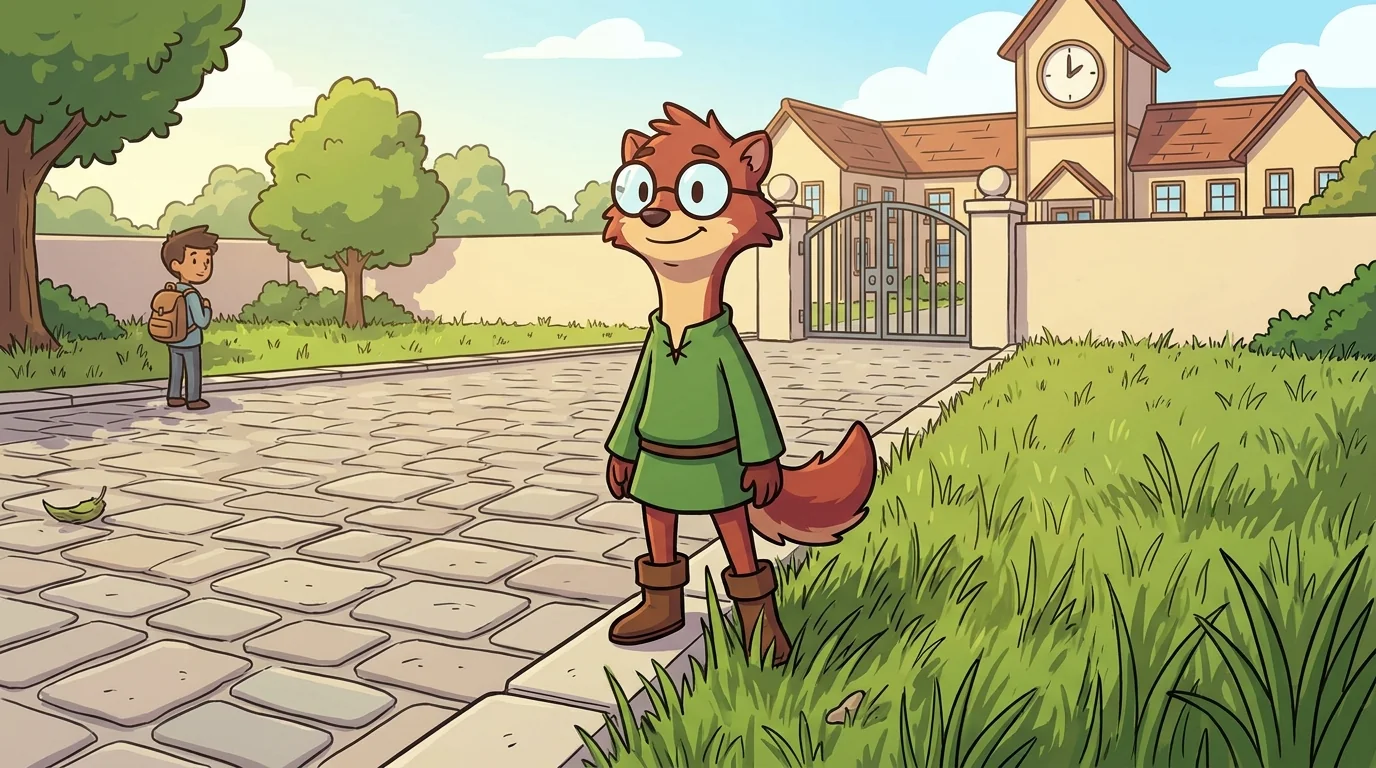
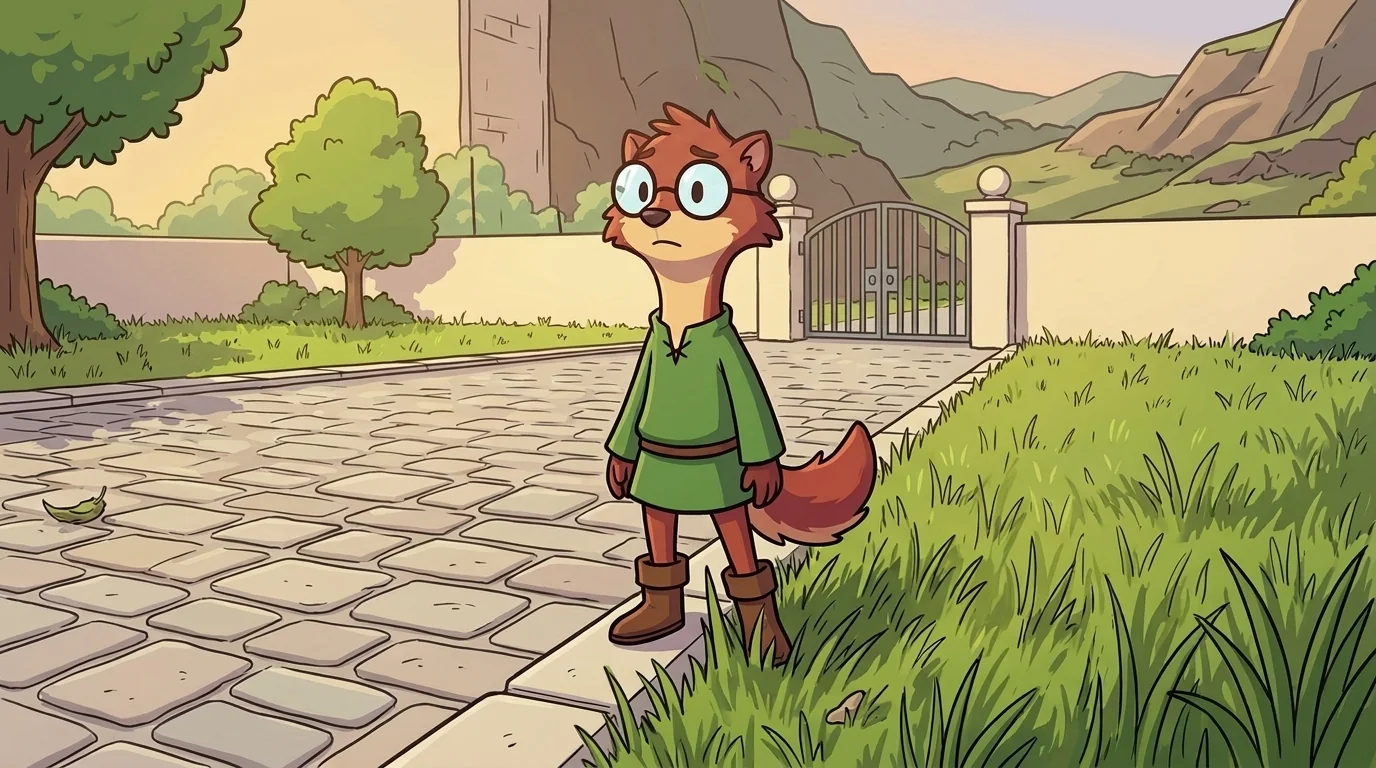
Verge stood at the courtyard's edge, where swept stone gave way to wild grass, one foot on each side of the line, refusing to fully cross or fully step back. "Are you coming or going?" a student asked. "I'm on the verge," she said, "the best place in any story — the line between the world you know and the world you don't." And the Advanced tier of her craft is that this line is not scenery. It's a structural gate. "Every good tale has a door like this. A doorstep, a shoreline, the mouth of a cave, the edge of a wood, the last house before the map goes blank. Storytellers call it the threshold — the boundary between the ordinary world and the special one — and crossing it is the moment the real story begins."
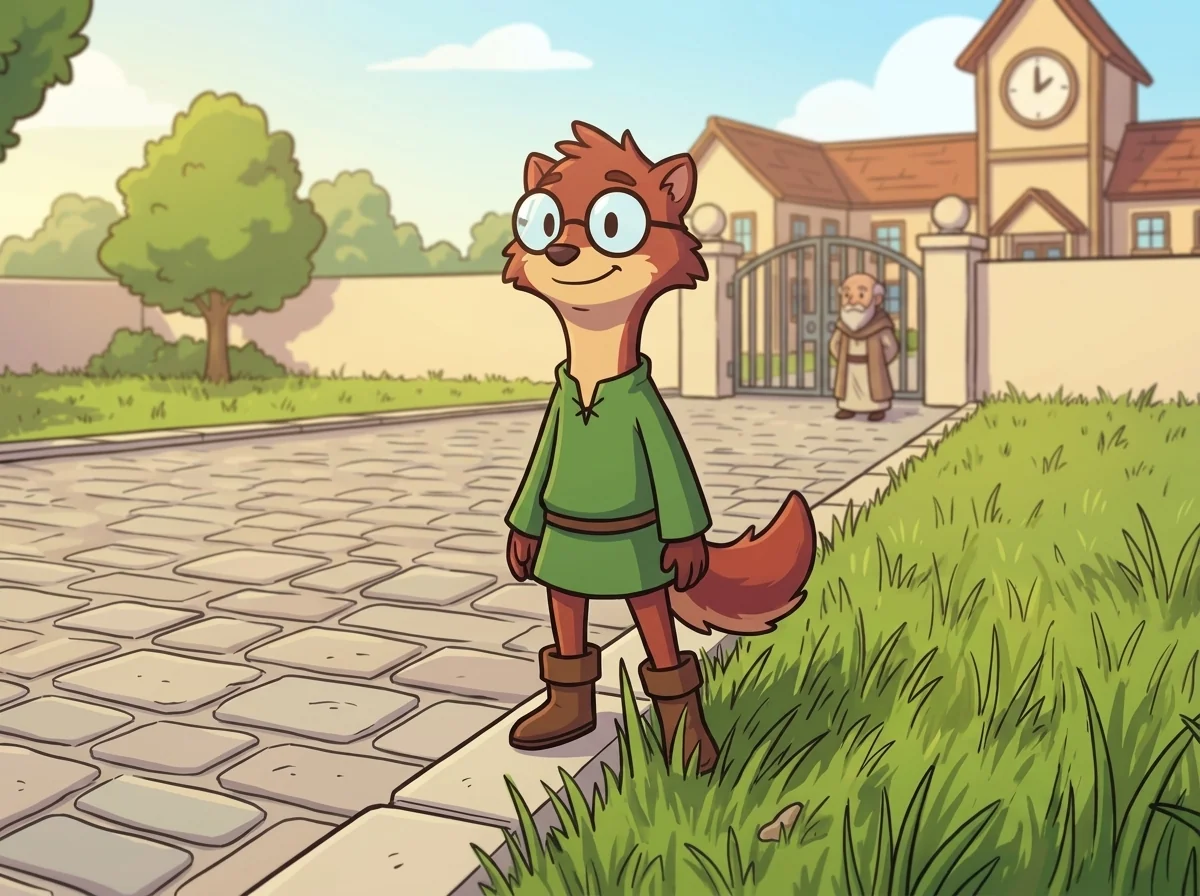
"Here is the part that makes it matter," she said, rocking gently on the line. "You can walk back over a threshold. But you can never un-cross it. Whatever you meet on the far side, you carry home. The door looks the same from the other side — but you're the thing that's changed. That's why the threshold is a point of no return: not because you're trapped over there, but because the crossing transforms you, and a transformed hero can't un-know what they now know. The story isn't about the strange world for its own sake. It's about who the hero becomes by crossing into it."
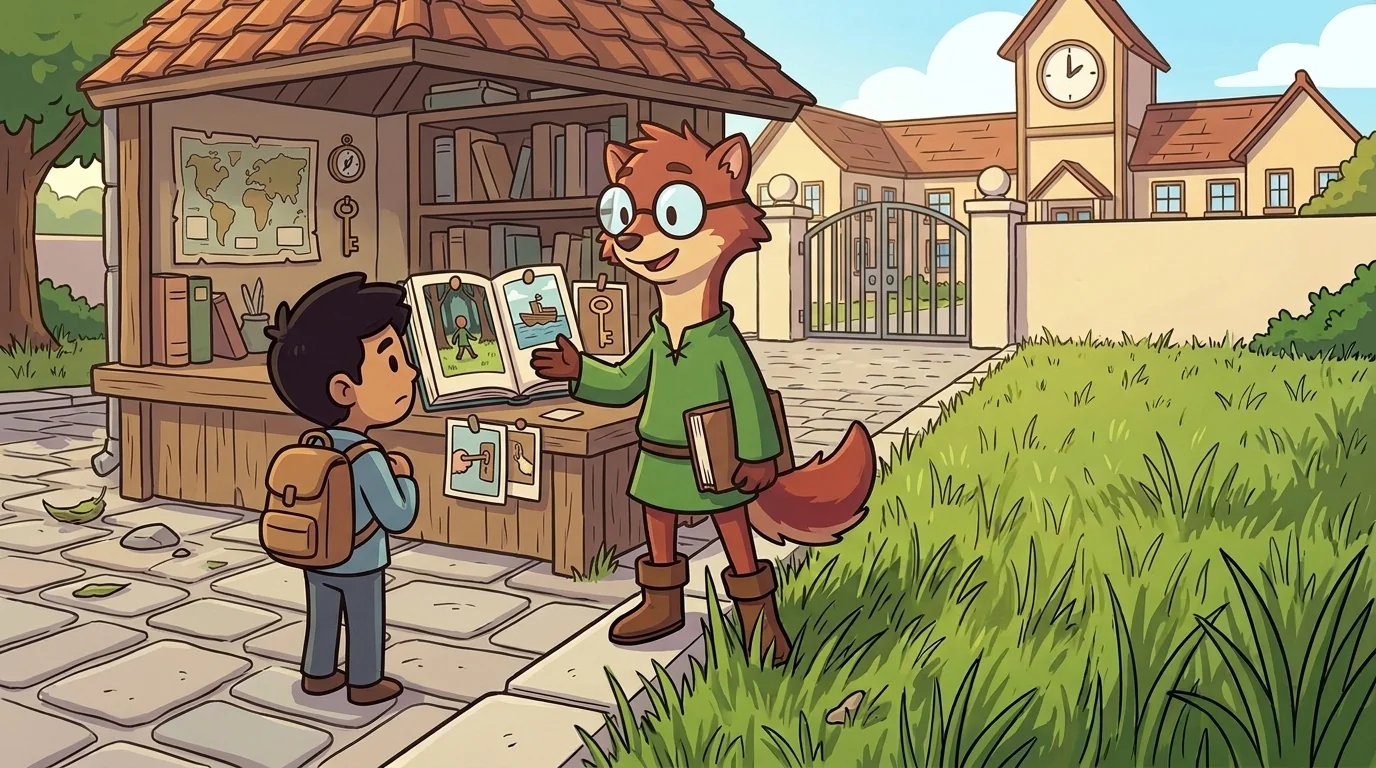
The student peered at the line. "So it's just... a doorway?"
"It's a doorway doing three jobs at once," Verge said. "It marks the shift — this side ordinary, that side strange, so the reader feels the change of register. It guards the shift — thresholds are often watched, or forbidden, or hard to reach, so crossing costs something. And it promises the shift — the instant a tale lingers on a boundary, you know the hero will cross it, because a threshold shown is a threshold meant to be passed. Nearly every people on earth builds tales this way: the child steps into the wood, the sailor past the last safe cape, the traveller through the gate at the world's edge. The props differ; the shape is shared — a here, a there, and a line between that changes whoever steps across."
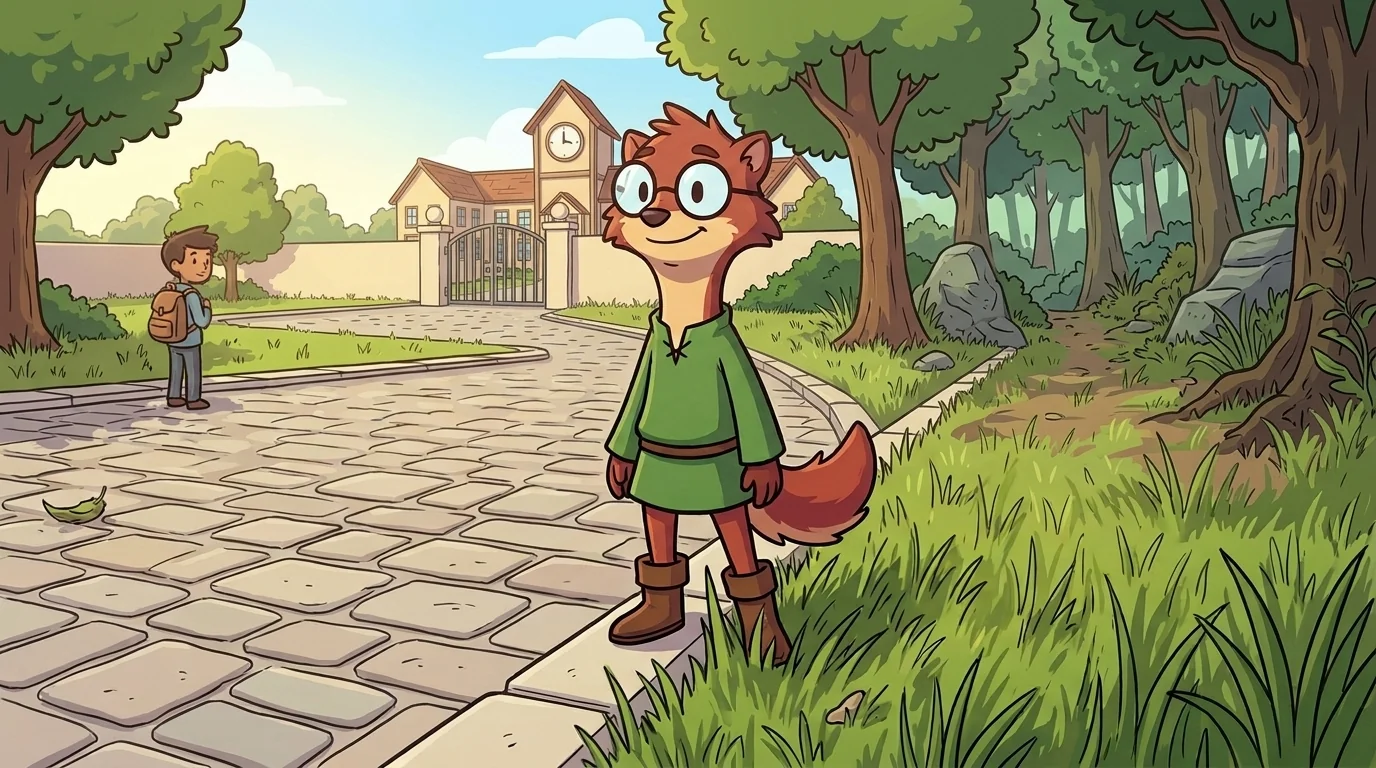
She learned to read this way the first time a story left her homesick for a hero who could never quite go home — and she realised the ache was the point, that the tale had spent its whole length on a single crossing and the person it made. "That was the turn," she said. "Not that the far side is where the adventure is — though it is. That the line itself is the story's hinge, and the hero who recrosses it is never the hero who first stepped over."
A quiet, steady gladness settled in her, the anticipation of a doorway recognised and a change about to come. "One foot here, one foot there," she murmured, rocking on the line. "When a story shows you a threshold, it's telling you the world — and the hero — is about to change. You can cross back. You just can't cross back unchanged."
The LoreQuest ensemble
Verge is part of LoreQuest's distributed-narrative cast. Each character embodies a different curricular primitive; together they teach the full subject.
-
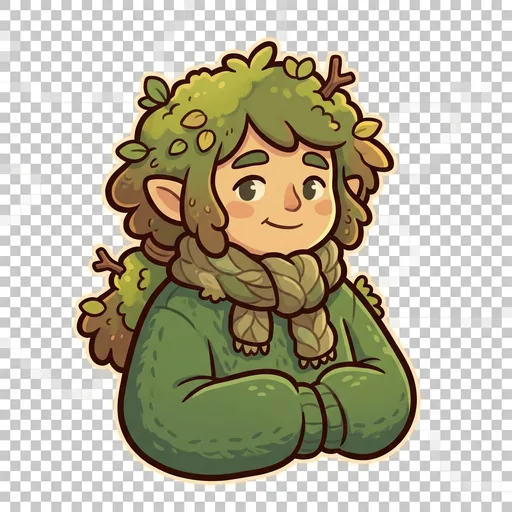
Mossy
Forest / nature-spirit archetype (the quiet local-landscape entity who appears across many traditions — wood-elves, dryads, kami of place, etc., abstractly)
-
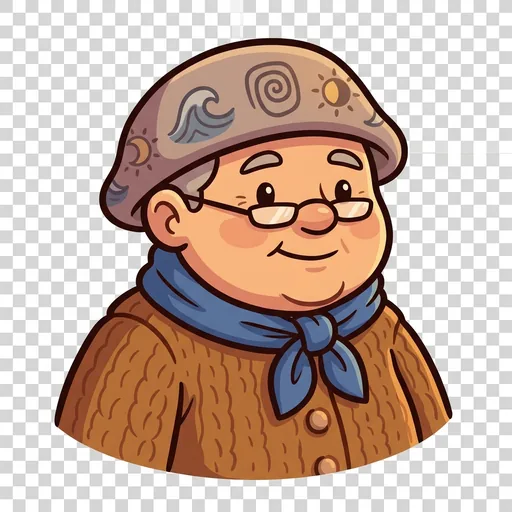
Refrain
Repeating-tale / echo motif archetype (motif recurrence — same story-pattern appearing across cultures: flood myth, hero descent to underworld, twin gods, etc.)
-
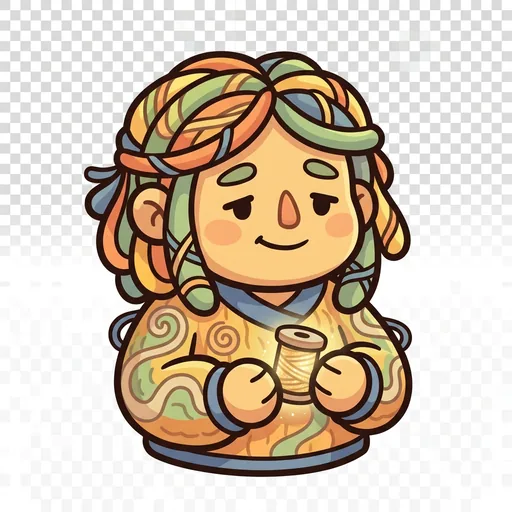
Thread
Hero-journey / fate-spinner archetype (the spinning thread of destiny that recurs across heroic narratives — Moirai, Norns, Anansi-as-spider, etc., abstractly)
-
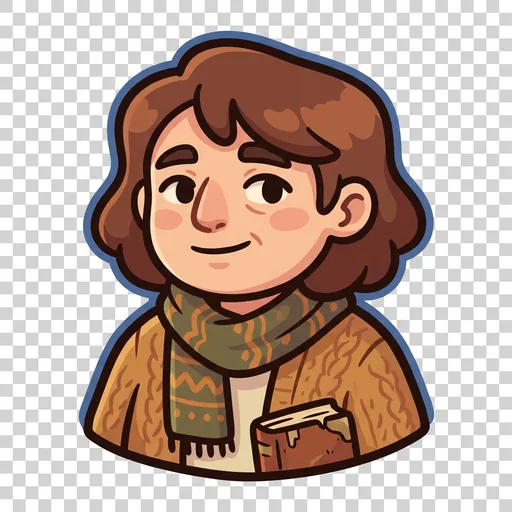
Ruse
Clever-fool / trickster archetype (the figure who breaks the rules and teaches a lesson by doing so — recurs across MANY traditions, but referenced **abstractly** here; the cast...
-
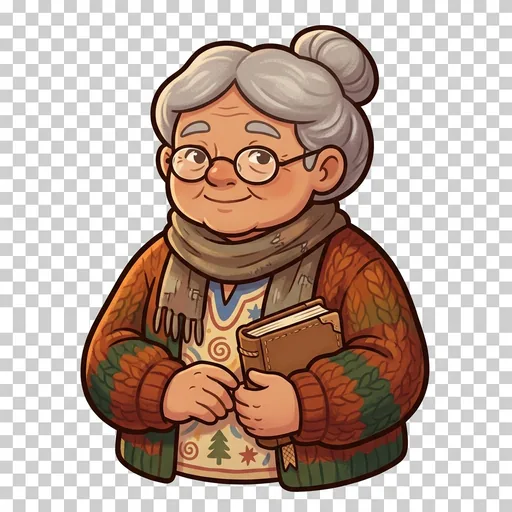
Hearth
Origin / family / hearth-storyteller archetype (the figure who carries oral tradition; the grandmother / elder who tells the stories — found in nearly every tradition's framing...
-
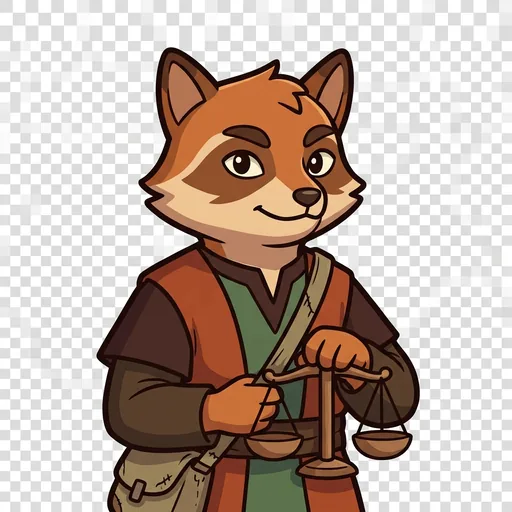
Barter
The bargain — the wish granted with a catch, and the price is the point
-
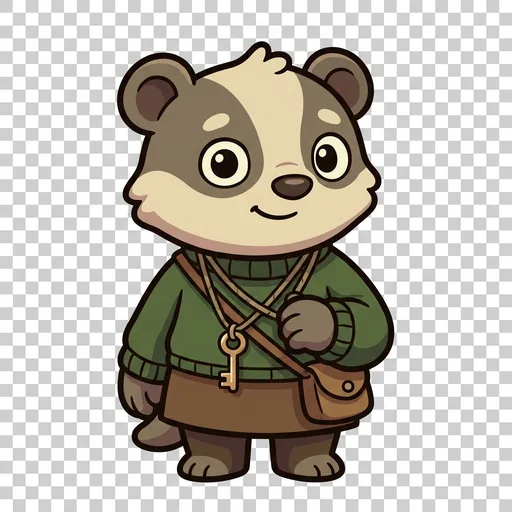
Behest
The forbidden thing — the one rule a story hangs on (do not open it)
-
Boon
The grateful gift — a small kindness freely given that returns
-
Thrice
The rule of three — two tries set the pattern, the third breaks it