Rally
Your body has its own defenders, and a memory for germs it has met
Loading audio…
Press play to listen along. The line being read lights up as you go.
Show full transcript
Loading transcript…
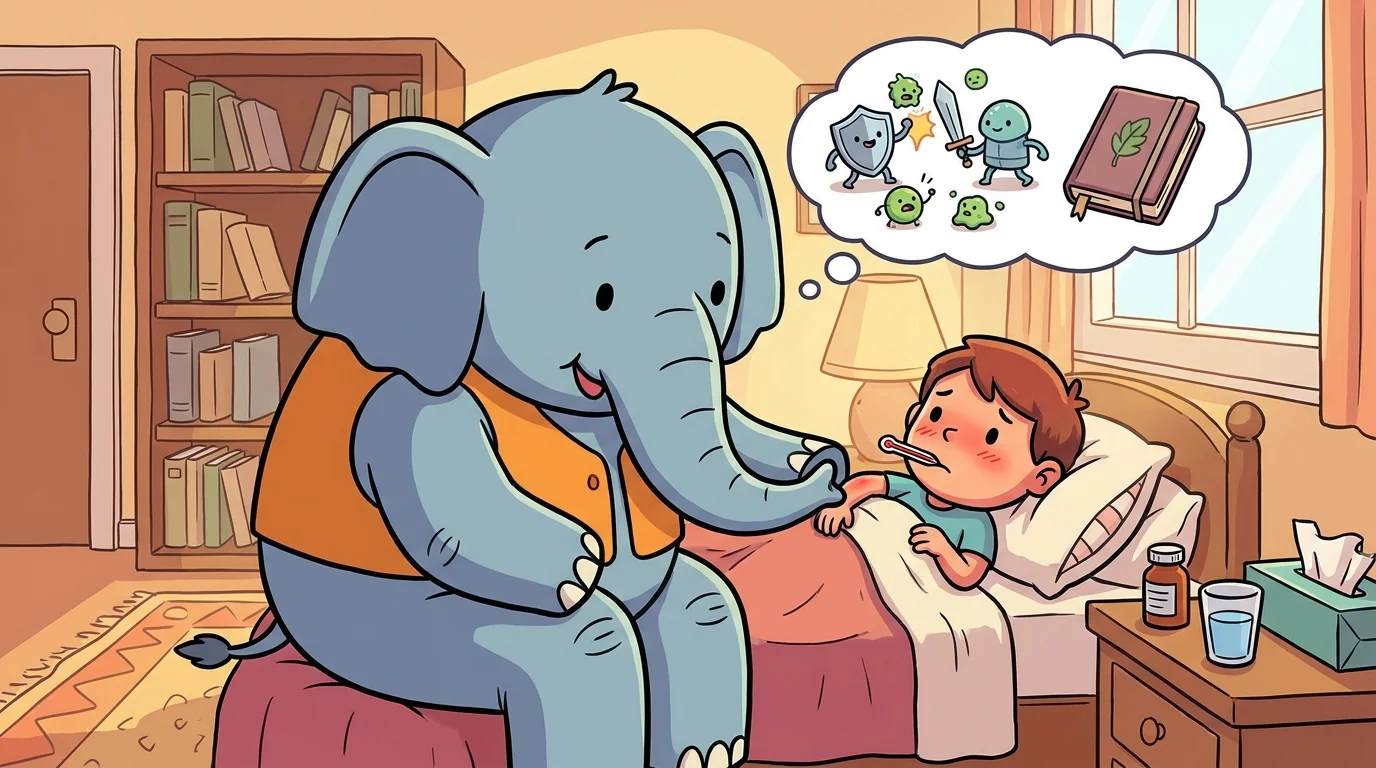
A student was scared of her own fever, and a little scared of her own body.
"I feel terrible," she said, flushed and shivery. "I'm hot and achy and tired. Something's wrong with me. My body's broken."
"Your body isn't broken," said Rally, in the slow, deep, unhurried way of a very large and very calm elephant. "Your body is fighting." She rested a warm trunk-tip near the student, gently. "That fever you hate? That's your defenders turning up the heat on purpose, because a lot of germs can't stand it warm. The achy tiredness? That's your body pulling its energy off everything else and pouring it into the fight. You feel awful because your body is working awfully hard — for you, right now, this minute." She rumbled softly. "It's not a sign you're breaking. It's a sign you're defending. There's a whole quiet army inside you, and it has turned out in full for this."
The student sniffled. "It doesn't feel like my body's on my side."
"That's the sneaky part," Rally said. "The fight feels bad even though it's good. But here's the wonderful thing — your body doesn't just fight. It remembers. Win this one, and it writes the germ down and keeps the note forever. Next time that same germ comes near, your defenders recognize it and win so fast you barely notice. Your body is learning, right now, while you feel terrible. It never forgets a fight."
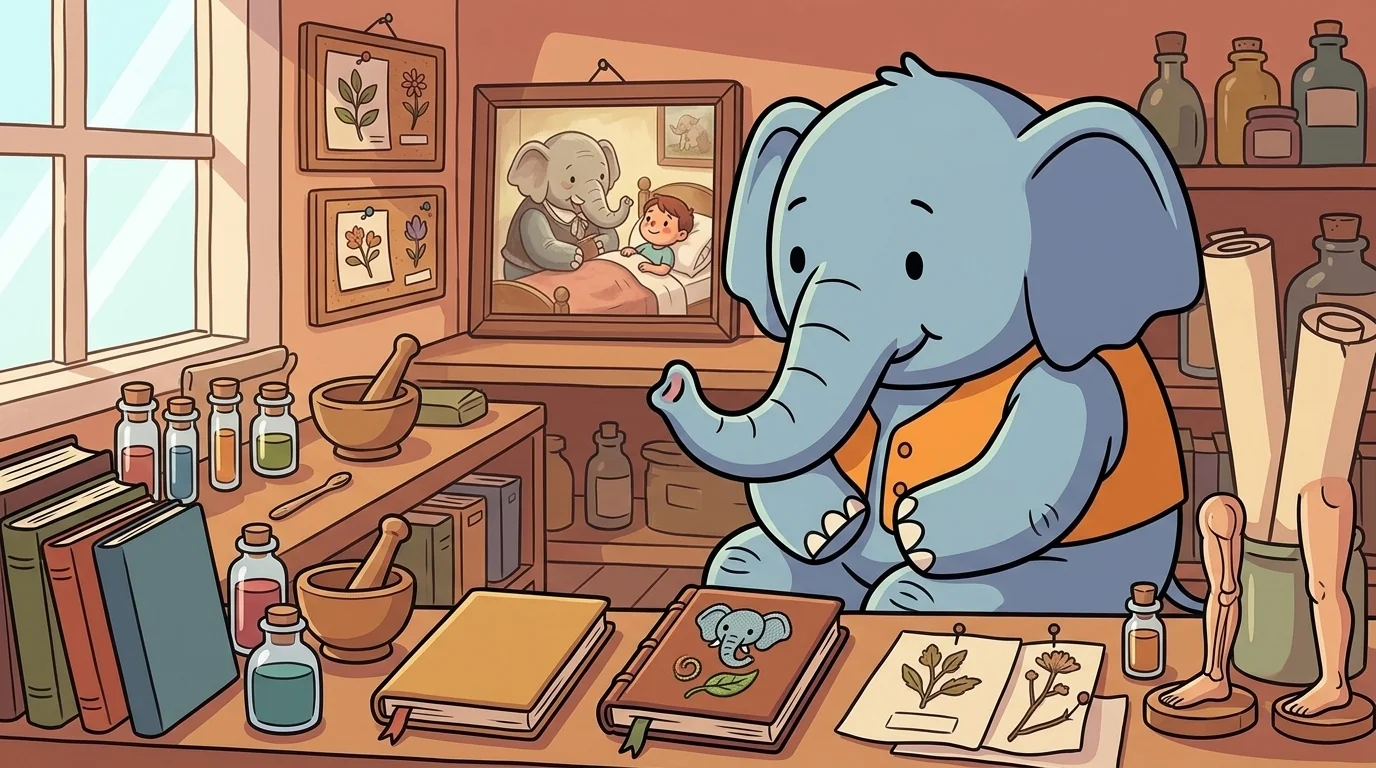
Rally had learned about the body's memory young, and it filled her with a lifelong awe.
Her family were the defenders' historians of MedicQuest — elephants, because the village said a creature famous for never forgetting understood a body that never forgets a germ. They studied why a child who'd had a certain sickness once rarely caught that exact one again, and why a fever, miserable as it was, so often came right before getting better.
When Rally was small, she thought a fever meant the sickness was winning. Then she watched Nurse Poultice sit with a feverish child through the night — not fighting the fever, just helping the child rest and drink while it did its work — and by morning the fever broke and the child was mending.
"The fever wasn't the enemy," the mentor said, exhausted and glad. "It was the battle. And her body won it — and now it remembers. That germ will never hit her that hard again." Nurse Poultice looked at Rally. "The body has defenders you'll never see and a memory longer than any of us. Your job isn't to panic at the fight. It's to support it — rest, fluids, patience — and to know the difference between a fever that's working and one that's climbing too high or lasting too long, which is when you fetch a grown-up fast." Small Rally held that: the body fights, and the body remembers — and a fever is the sound of it working.
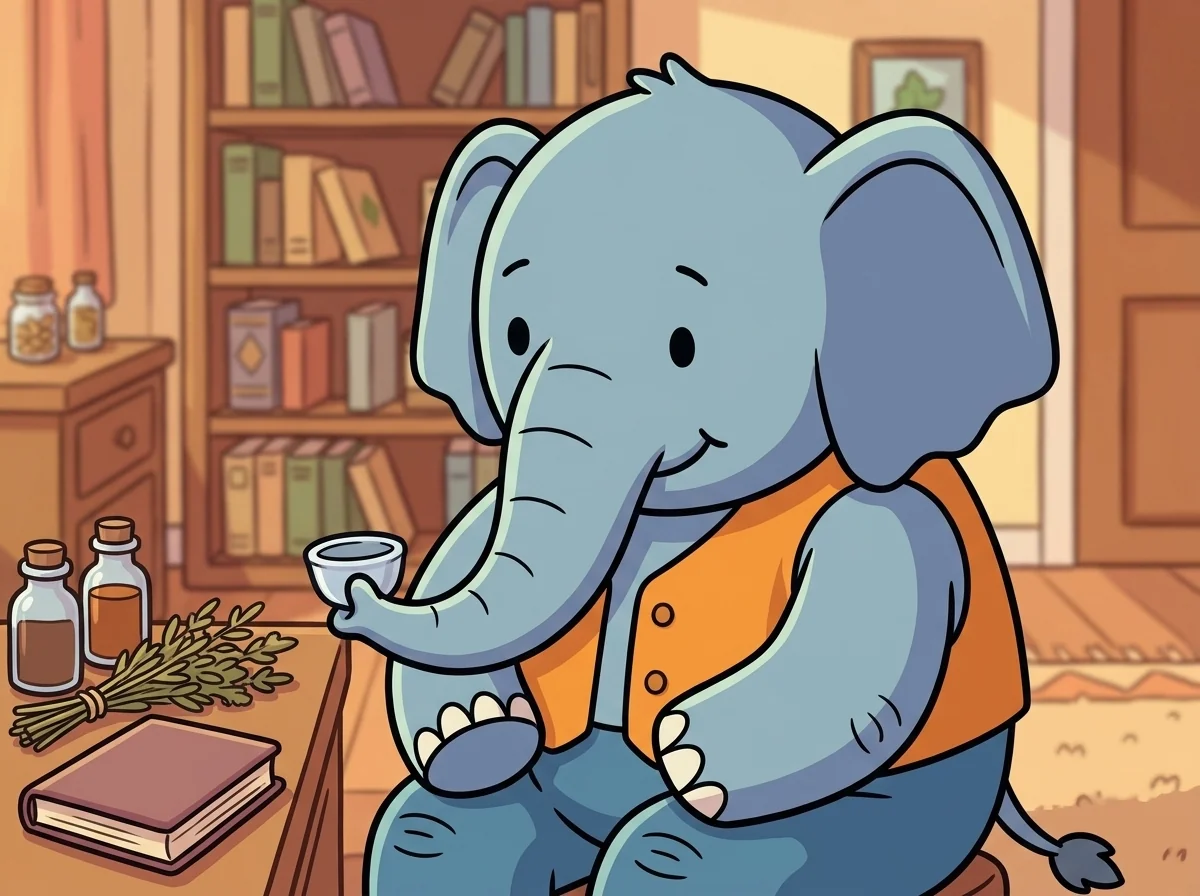
She stayed on at MedicQuest, and one day the mentor asked her the defender's question.
Nurse Poultice described a child sick with a fever, then well, then never catching that same bug again — and asked Rally just one thing: "What is the body doing that we can't see?"
Rally didn't rush. She explained it slowly. "First, the defenders rush the germ — the fever's the heat of the fight. Then, if we help the body rest and drink, they win. And then the clever part: the body writes down exactly what that germ looked like, and keeps the note. Forever, sometimes. So next time — recognized, remembered, beaten before it can dig in." She added the careful part: "And a safe practice-meeting — a vaccine — is a way to give the body the note without the whole hard fight: a harmless piece, so the defenders learn the germ's face in advance. When the real one comes, they already remember."
Nurse Poultice nodded slowly, deeply pleased. "Most young healers fear the fever," the mentor said. "You understood it as the body's own defense, learning as it fights. Stay. You've got the most hopeful science there is."
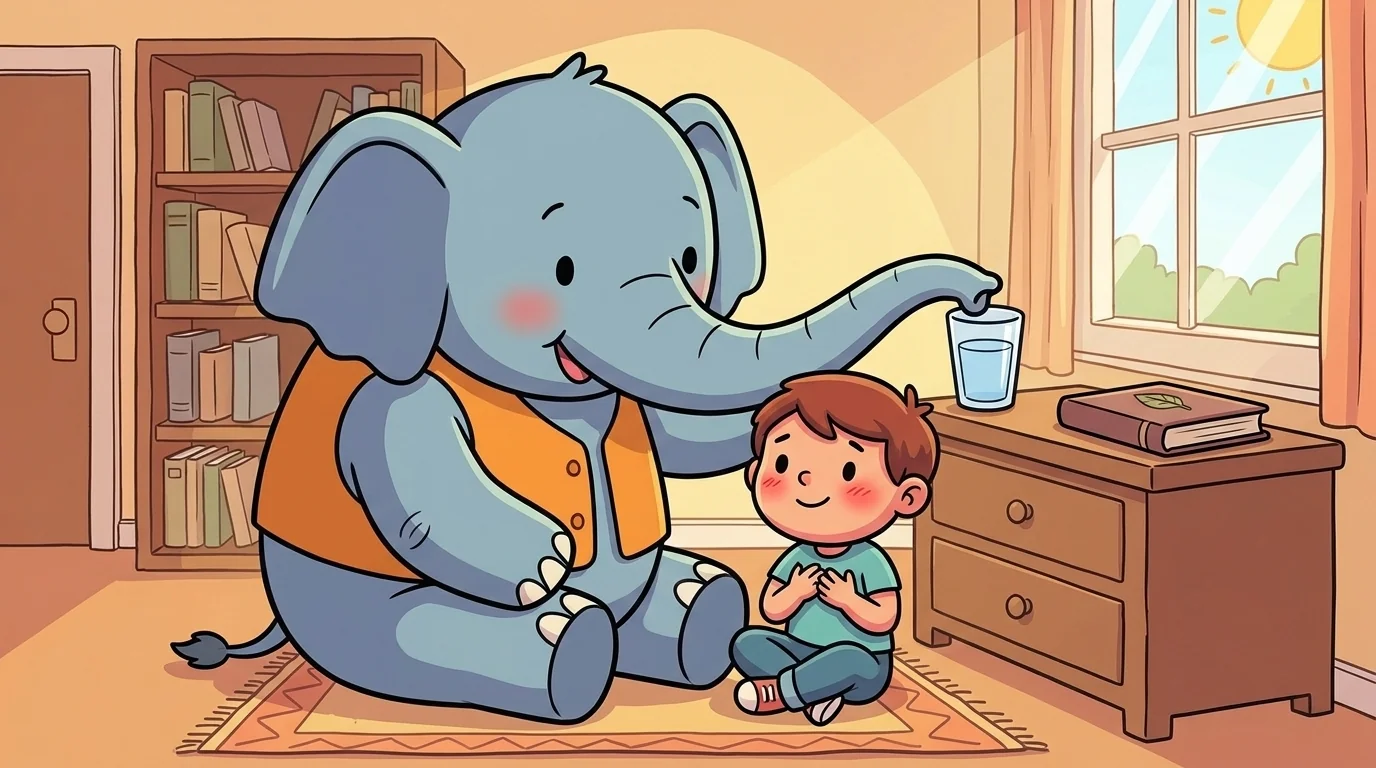
Weeks later, that same student — fever long gone — sat with Rally, no longer scared of her own body.
"Remember how awful you felt?" Rally rumbled warmly. "And remember how, a few days later, you were fine? That's the whole story. Your defenders fought, the fever was the fight, you rested and drank and let them work — and they won. And here's what you can't feel but is absolutely true: your body kept a note. That exact germ comes back, your body will crush it so fast you'll never even know it tried."
The student pressed a hand to her own chest, thinking about the quiet army in there. "So when I feel terrible with a fever," she said slowly, "my body isn't breaking. It's working. And it's getting smarter while it does."
"Every single time," Rally said. "The fight feels bad; the fight is good; and the body remembers what it learns." She rumbled, gentle and serious. "Now — one thing to hold alongside the wonder. A fever that's working is a normal one. But a fever that climbs very high, or lasts many days, or comes with something that scares you — that's when you don't just wait and admire your defenders. That's when you tell a trusted grown-up right away, so they can get you the right care. Trusting your body's fight and knowing when to fetch help are both part of being wise about it."
The student nodded, and there was a small settled feeling in her chest — the awe of an army she'd never see, working, remembering, on her side.
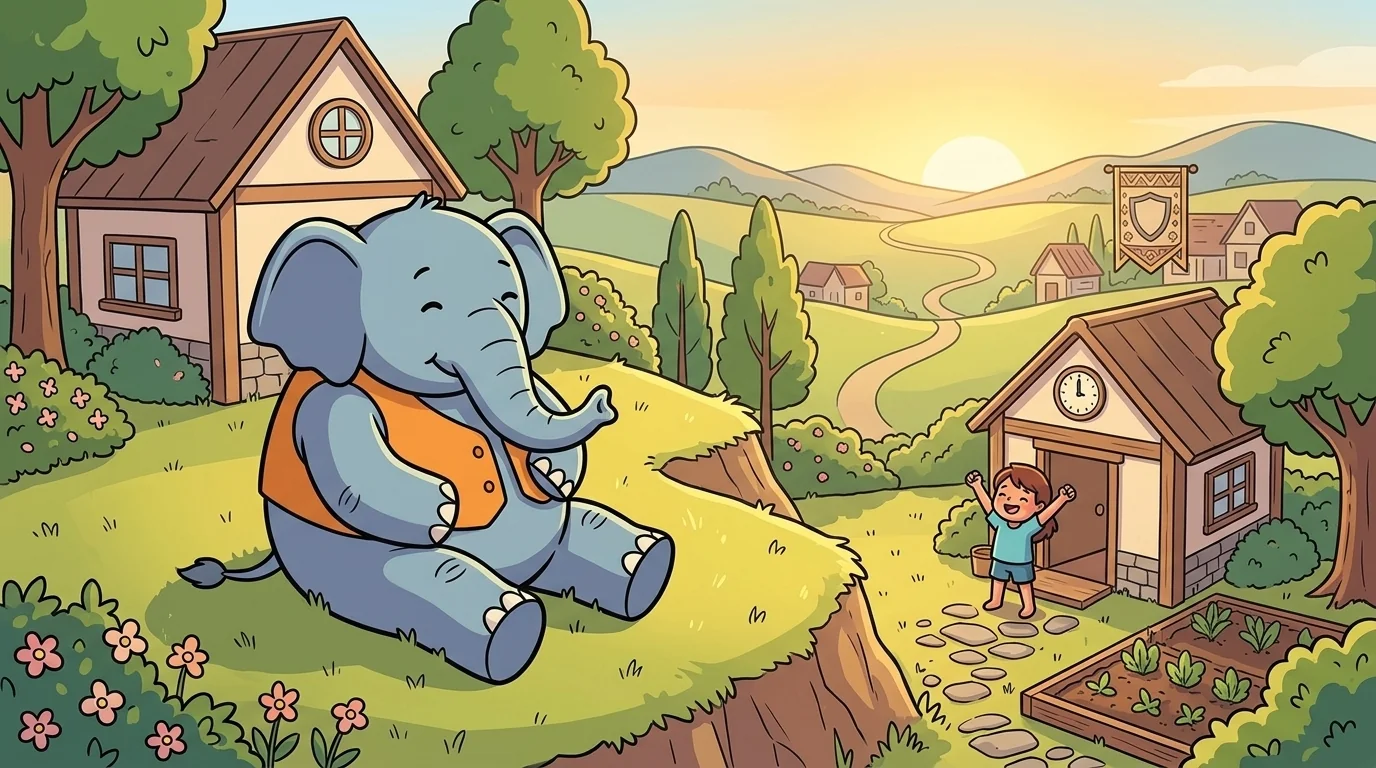
The student stopped fearing her own fevers, and started, a little, to marvel at them — while always telling a grown-up when one climbed too high. There was a small settled feeling in her chest: the quiet trust of a body that fought for her and remembered.
Rally rested her great calm bulk in the sun and let out a long, low, contented rumble — the ease of a creature who'd spent her life in awe of a body that never forgets a fight. Somewhere in the memory of it, a fever broke at dawn, and a child woke well, and stronger, and remembered forever after.
"The body fights, and the body remembers," she said softly. "A fever is the sound of it working, and getting wiser. Trust the fight — and fetch a grown-up when it climbs too high. That's the hopeful part. That's the part worth marveling at."
The MedicQuest ensemble
Rally is one of the friends in MedicQuest. Each friend shows you one idea by how they act; meet them all and you have the whole subject.
-

Notice
Symptom-noticing without alarm — most symptoms are minor + temporary; notice without catastrophizing
-

Framer
How the body is put together; bones, muscles, heart and lungs are systems that work as one team
-

Sentry
Prevention and everyday protective habits
-

Mote
Germs and how sickness spreads
-

Triage
What needs help first; sorting a problem into right now, soon, or can rest, and always telling a trusted adult
-

Ask
Clinical-history-taking + questioning — your questions are MEDICAL EVIDENCE; never feel silly asking
-

Balm
Rest, recovery, and comfort
-
Dram
Medicine safety and dosing
-

Boundary
Body-autonomy + consent — your body is YOURS; ask-first is universal; pangolin curl-pose models self-protection-as-positive
-

Tell
Help-seeking from a trusted adult — telling is the most powerful medical move (shared design language with SafetyForge Wave 24 Tell — cross-app continuity)
-

Whole
Wellness-as-multi-factor-system — health is sleep + food + movement + relationships + meaning + safety; never single-factor; explicit health-equity foregrounding