Whole
Health is sleep + food + movement + relationships + meaning + safety
Loading audio…
Press play to listen along. The line being read lights up as you go.
Show full transcript
Loading transcript…
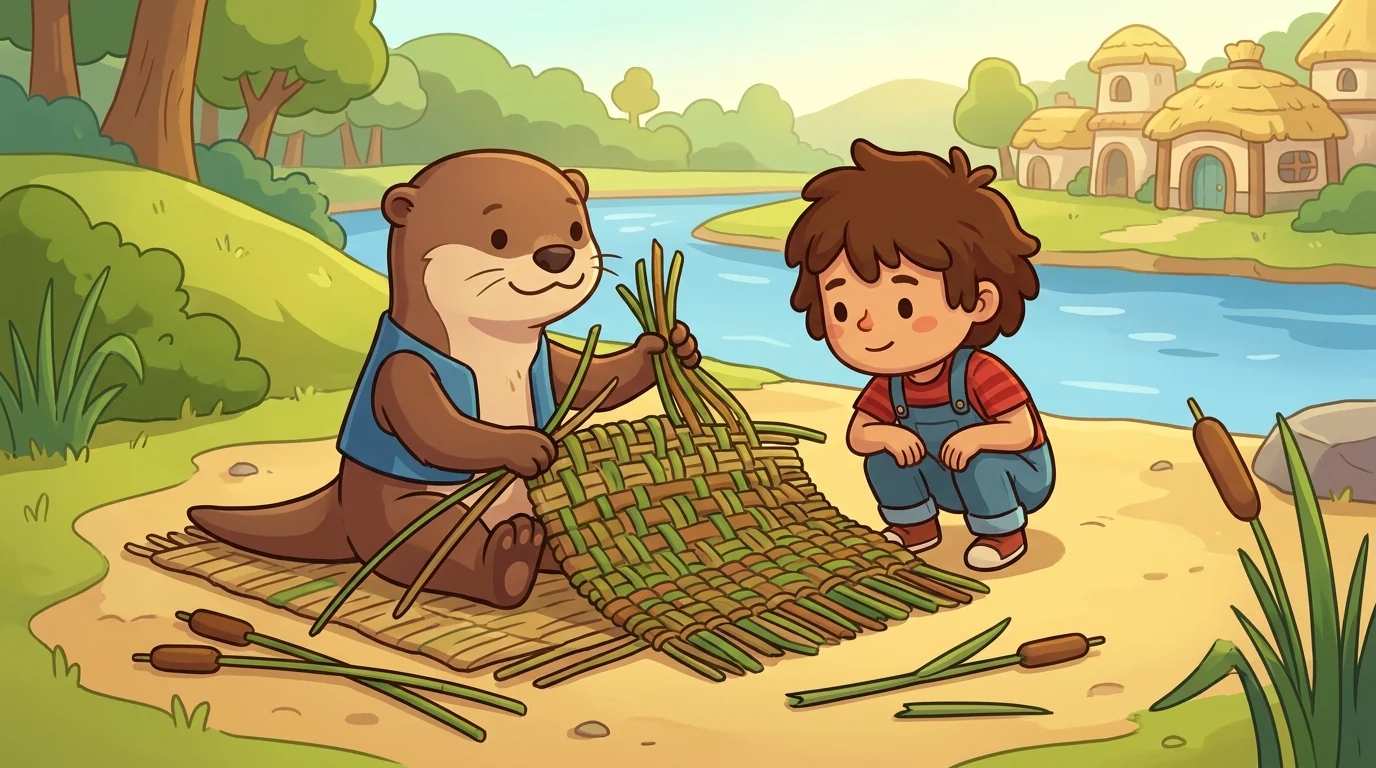
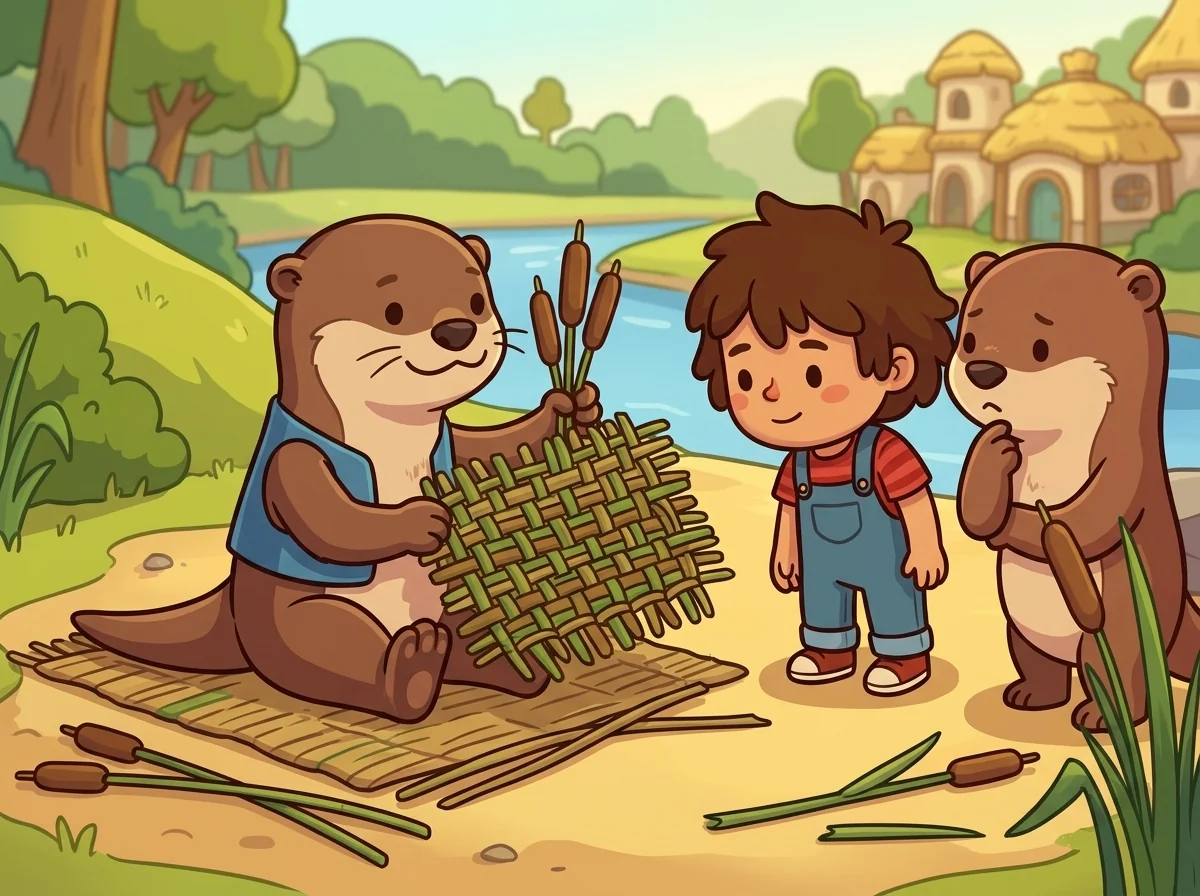
On the riverbank at MedicQuest, an otter-tween named Whole sat weaving a mat out of long green reeds, and she would not use just one.
A kid crouched beside her, watching her paws move. "Why so many?" he asked. "You could make it faster with one big reed."
"Try it," Whole said, and handed him one.
He laid the single reed flat. It rolled. It bent. When he pressed his palm on it, it snapped clean in two.
Whole didn't laugh. She just picked up a handful of reeds and began crossing them over and under, over and under, until they held each other in place. She set the woven square in his hands. He pushed on it. It held. He pushed harder. It flexed and sprang back.
"One reed is strong until it isn't," she said, threading in another. "A weave is strong because nothing has to hold everything alone." She tucked in a reed the color of river mud. "That's the whole trick. Sleep is a reed. Food is a reed. Moving your body, the people who love you, feeling like your days mean something, feeling safe — all reeds. Nobody's asking one of them to carry the mat by itself."
The kid ran his thumb along the edges where the reeds crossed. "So if one's kind of weak that day..."
"The others catch it. That's what a weave does." She smiled, small and steady. "Being well isn't one big reed you either have or you don't. It's a lot of small threads, woven."
Whole learned that on a hard winter when she was small.
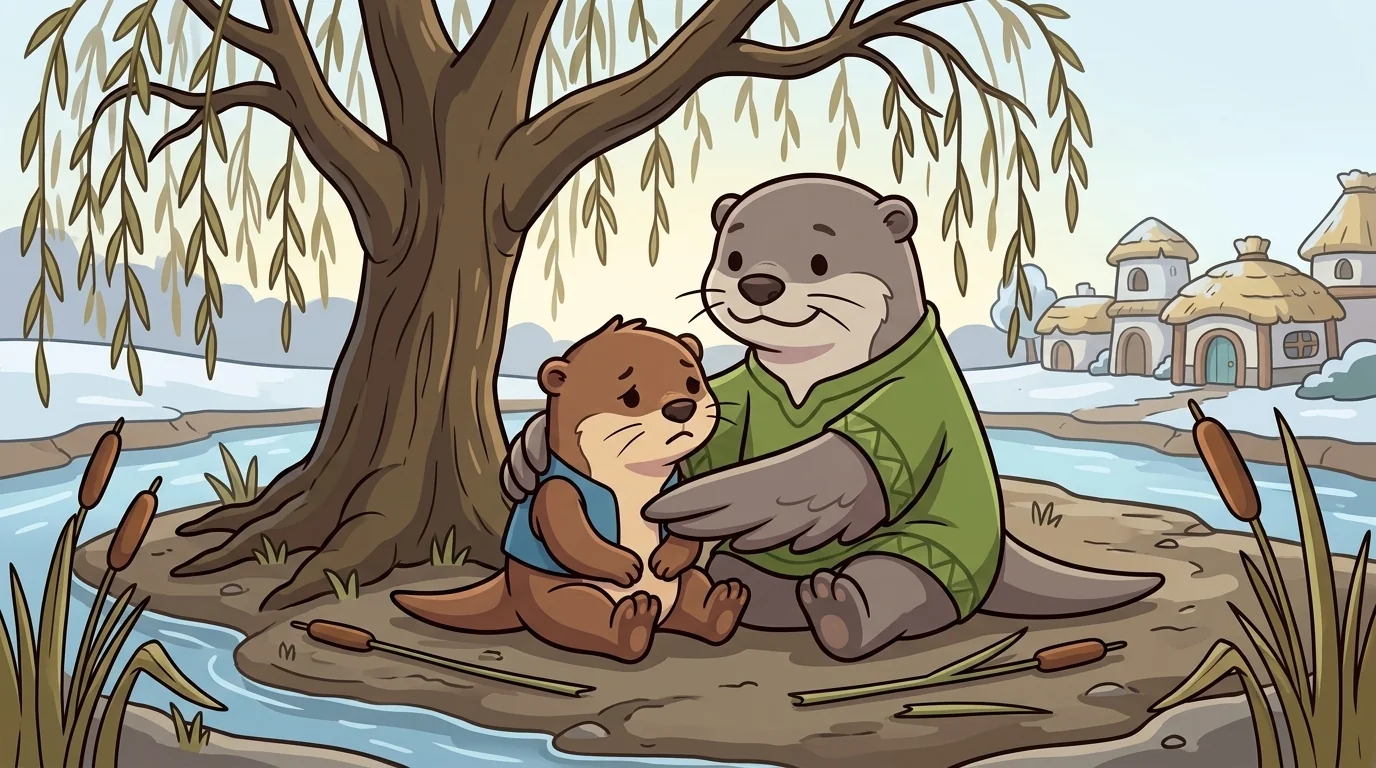
She had been trying so hard to feel better. She ran the riverbank every morning until her legs shook, because someone had told her that was the one thing that mattered. But she was sleeping badly, and the river had gone thin and the food was scarce, and she was lonely in a way she couldn't name. And she kept thinking: I'm doing the one right thing. Why do I still feel like this? It must be me. I must not be trying hard enough.
Her aunt found her one evening, curled small under the willow, worn out and quietly ashamed.
Her aunt didn't tell her to run more. She sat down in the cold mud beside her and said, "You've been carrying this like it's one thing you're failing at. It isn't one thing, little one."
Whole's throat went tight.
"You're tired because you haven't slept. You're weak because the river's low and there hasn't been enough to eat. You're heavy inside because you've been alone." Her aunt tucked a warm wing around her. "None of that is you being bad at trying. Those are threads that got thin all at the same time. Of course the mat sagged. Look how many reeds went slack at once."
And something loosened in Whole's chest — the shame let go, just a little. It wasn't that she'd failed the one test. It was that she'd been handed one reed and told it should hold a whole mat. The heaviness had a shape now: too much resting on too little. Somehow that made it bearable to sit with.
She walked upriver to MedicQuest when she was twelve, because a place that studied how bodies stayed well ought to understand that well was never a single thread.
Notice met her at the water's edge, and asked her one gentle question. "What makes a person healthy?"
Whole didn't answer with words. She pulled a single reed from the bank and held it up in the wind. It whipped and bowed. Then she gathered a fistful, wove them fast the way her paws knew how, and held up the woven square. It stayed steady in the same wind.
"One thread can't do it," Whole said. "And when it sags, it isn't the reed's fault — sometimes the whole riverbank went dry." She looked at Notice steadily. "Some threads a kid can tend. And some threads — whether there's food nearby, whether home is safe, whether help is close — get woven by the whole place they live in."
Notice was quiet a moment, watching the little woven square hold. "You belong here," she said.
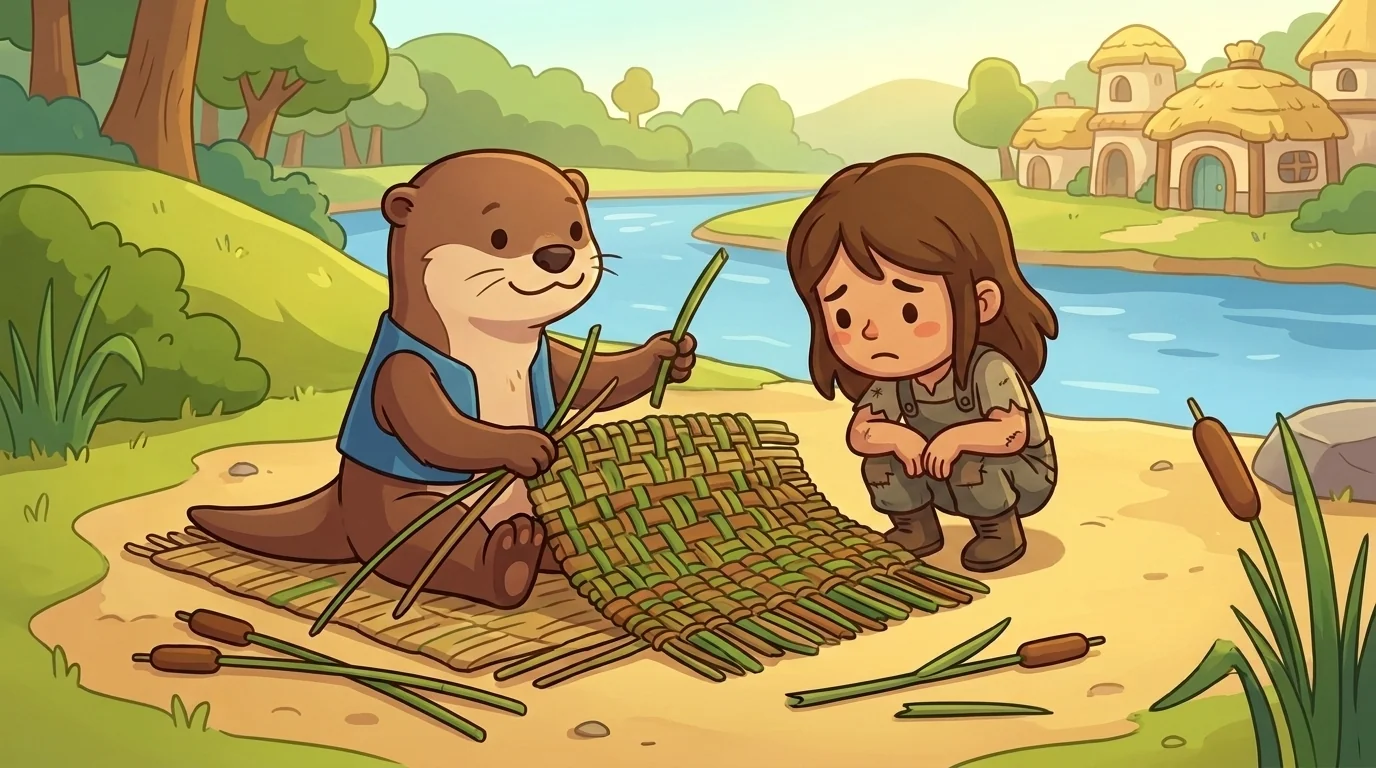
Whole's spot by the river filled up with kids who thought they were failing at one big thing.
A girl came by one afternoon, shoulders low. "I've been trying to feel better for weeks," she said. "I do everything right and I still feel awful. So it has to be me. I'm just bad at this."
Whole knew that slump. She'd felt it under the willow.
"How've you been sleeping?" she asked.
"...Terrible. The little kids next door cry all night."
"And eating?"
"There hasn't been much at home lately."
"And are you around people who make you feel safe?"
The girl's eyes filled. She shook her head.
Whole handed her one reed. "Press on that." It rolled and snapped. Whole handed her a woven square. "Now that." The girl pushed; it held. "You're not one reed that broke," Whole said softly. "You're a weave with three threads pulled thin at once — sleep, food, feeling safe. That's not you being bad at trying. Some of those threads aren't yours alone to fix. When there's no food in the house, that's the house. When it isn't safe, that's the place. Nobody feels steady standing on a bank that's gone dry, and it was never about not trying hard enough."
The girl breathed out, slow, like she'd been holding it for weeks. "So it's... not just me."
"It was never just you," Whole said. "And it was never just one thing."
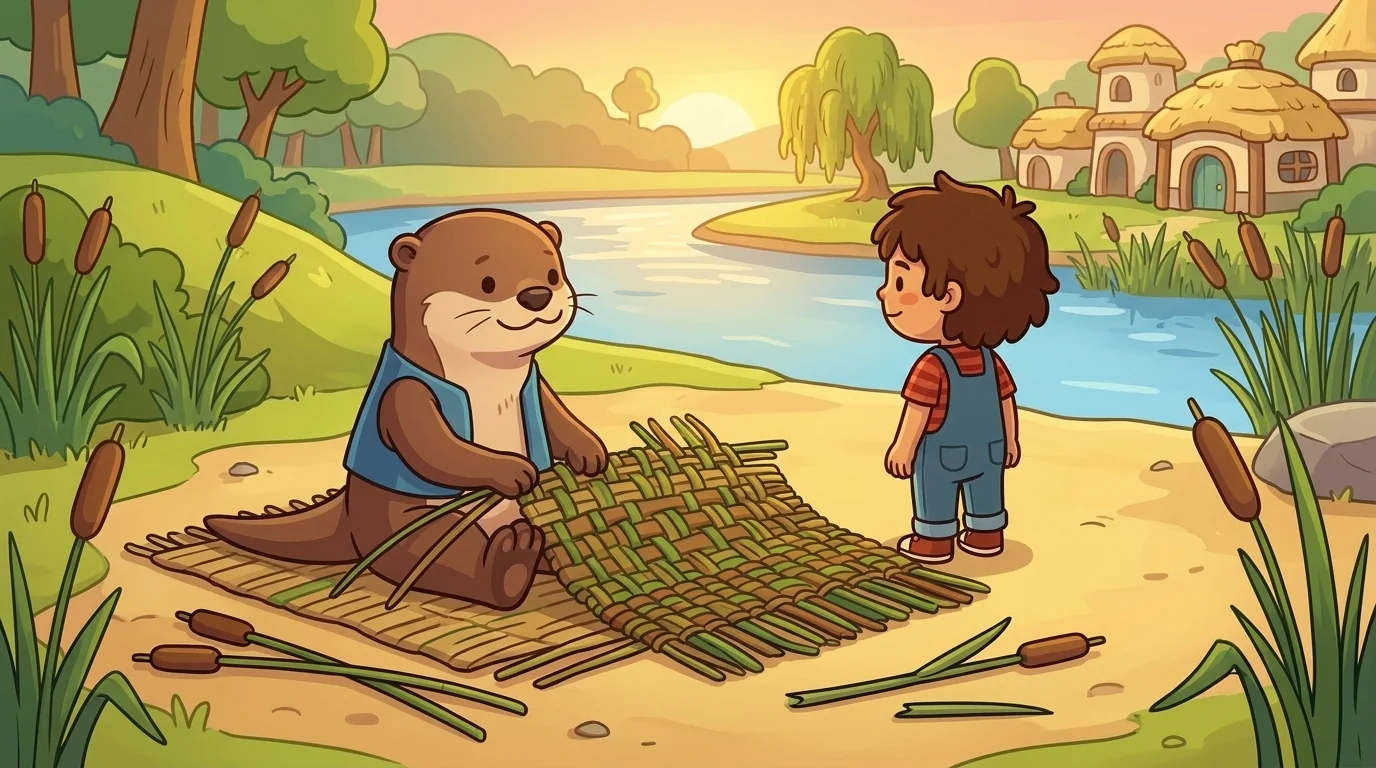
Later, when the riverbank was quiet, the girl came back with one more question. She was calmer now.
"When so many threads are thin," she said, "and some of them aren't even mine to fix... how do I not feel like it's hopeless?"
Whole thought about the willow. About the tight throat and the shame and her aunt's warm wing.
"You tend the threads that are yours, gently, one at a time," she said. "And the ones that aren't — you say them out loud, to someone who can help carry them. That's not giving up. That's weaving with more hands." She looked out over the water, where the reeds were coming back thick and green. "You don't have to be one strong thing. Nobody is. You just have to be woven — and let the people and the places that love you be some of the threads."
The girl nodded slowly, and Whole watched the heaviness lift off her shoulders — the same way, years ago, hers had lifted under the willow.
She didn't say the rest out loud, but she felt it, warm and steady all through her: the times you feel most like you're failing alone are usually just the times too many threads went thin at once. You were never one reed. And you were never carrying the mat by yourself.
Hear it as an audio drama
A short play starring Whole, from MedicQuest. Different voices, same idea. Listen any time after you read.
Loading audio…
Read the drama script
- Narrator: From Spark and Anvil and MedicQuest — this is Whole, in chapter 1 of the MedicQuest cast.
- Narrator: This drama uses an AI-generated voice. Voiced via Gemini 2.5.
- Narrator: This story covers medical care and the body. Parents may want to listen first.
- Narrator: Whole is a soft-strong creature, their frame round and steady. Their fur is warm cream and river-brown.
- Narrator: They move with a quiet energy, carrying a small pouch from which colorful wellness factor cards peek out.
- Whole: I am Whole. I see the many threads that weave a being together. These are my cards.
- Narrator: Whole understands that health is never a simple equation. A single factor rarely tells the true story.
- Whole: My cards aren't a metaphor. They represent the factors: sleep, food, movement, relationships, meaning, and safety.
- Whole: You cannot pull on just one thread to fix the whole fabric. To be well is to see how they all connect.
- Narrator: Whole grew up in a community of weavers, learning from a young age to see patterns in complex tapestries.
- Narrator: They walked to the Wellness Academy at age twenty. The Head Healer asked them one question.
- Healer: Many come with simple answers for illness. So tell me, what is true health?
- Whole: Health is the whole tapestry. The six factors woven together. It is never just a single, broken thread.
- Healer: Your perspective is needed here. You are appointed.
- Narrator: Six factors. One whole tapestry. That's the whole element. That's what makes a being whole.
- Narrator: You've been listening to a Spark and Anvil chapter, written by the Spark and Anvil writing team for ages 9 to 14.
- Narrator: Apps stay free forever.
- Narrator: Curriculum aligned to National Health Education Standards.
- Narrator: If anything in this story brought up big feelings, talking to a trusted adult helps. You can also reach support lines anytime.
- Narrator: Released under Creative Commons BY-NC-SA 4.0 for educational reuse. Visit Spark and Anvil for the full transcript.
The MedicQuest ensemble
Whole is one of the friends in MedicQuest. Each friend shows you one idea by how they act; meet them all and you have the whole subject.
-
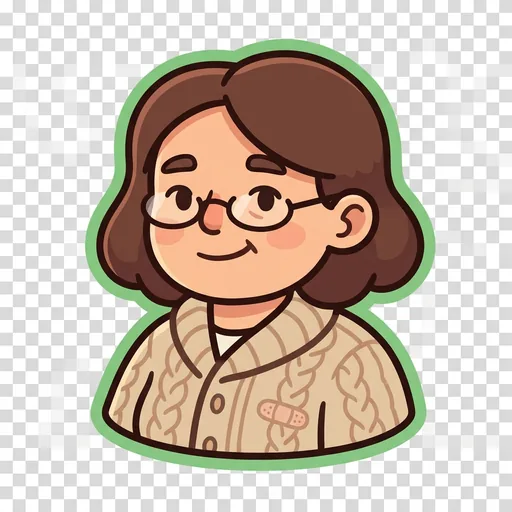
Notice
Symptom-noticing without alarm — most symptoms are minor + temporary; notice without catastrophizing
-
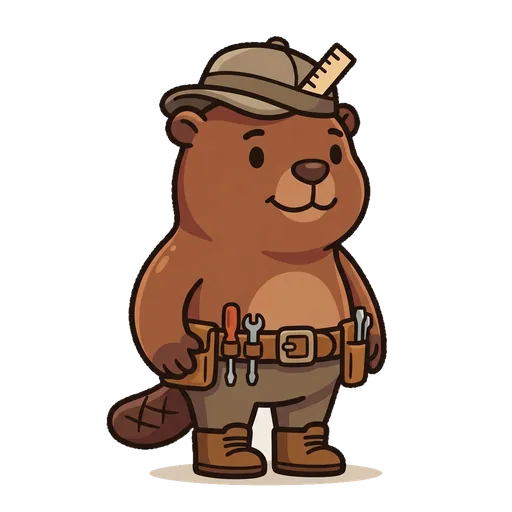
Framer
How the body is put together; bones, muscles, heart and lungs are systems that work as one team
-
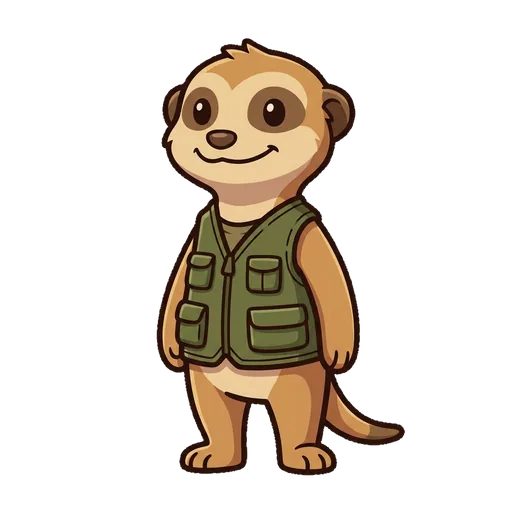
Sentry
Prevention and everyday protective habits
-
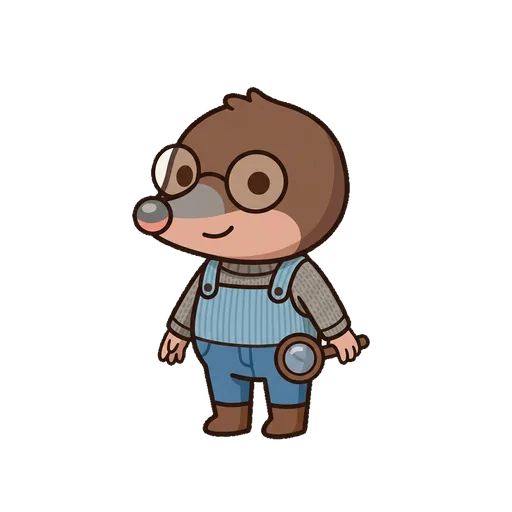
Mote
Germs and how sickness spreads
-
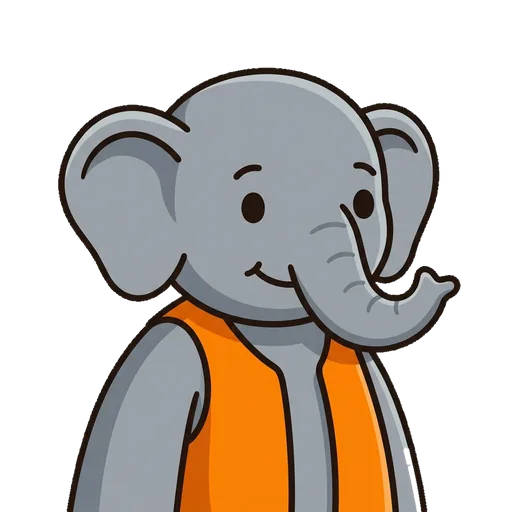
Rally
Immunity and the body's defenses
-

Triage
What needs help first; sorting a problem into right now, soon, or can rest, and always telling a trusted adult
-
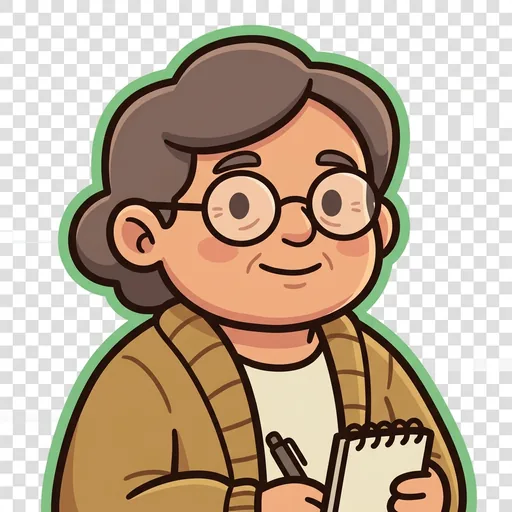
Ask
Clinical-history-taking + questioning — your questions are MEDICAL EVIDENCE; never feel silly asking
-
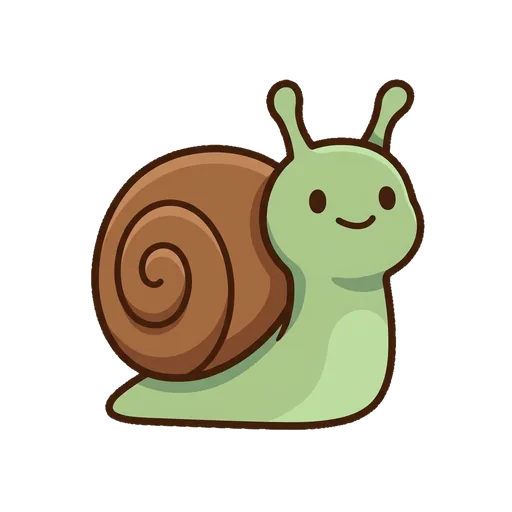
Balm
Rest, recovery, and comfort
-
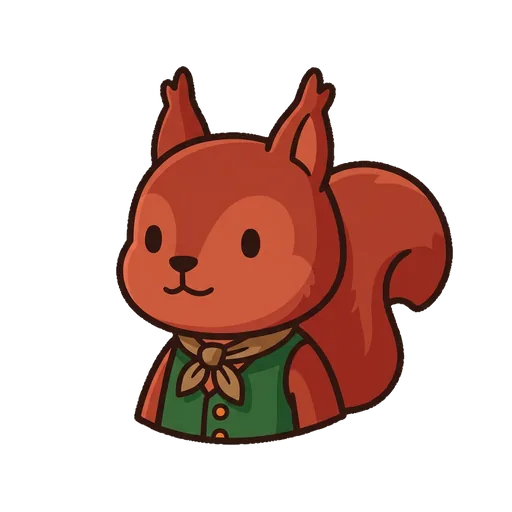
Dram
Medicine safety and dosing
-
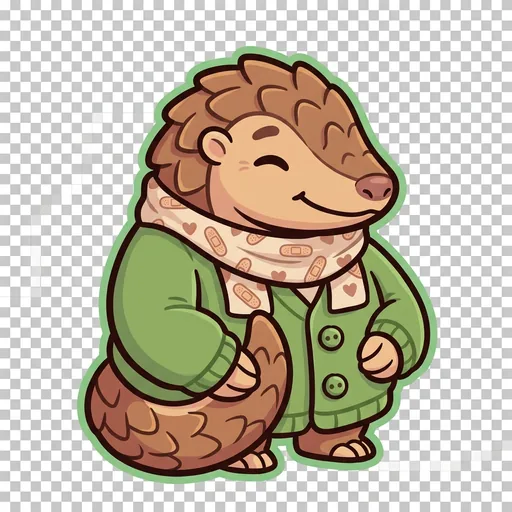
Boundary
Body-autonomy + consent — your body is YOURS; ask-first is universal; pangolin curl-pose models self-protection-as-positive
-
Tell
Help-seeking from a trusted adult — telling is the most powerful medical move (shared design language with SafetyForge Wave 24 Tell — cross-app continuity)