
Norm
NORM — a number can't alarm you or calm you alone. it needs its base rate — how often does this usually happen? most 'shocking' figures turn out to be Tuesday.
Loading audio…
Press play to listen along. The line being read lights up as you go.
Show full transcript
Loading transcript…
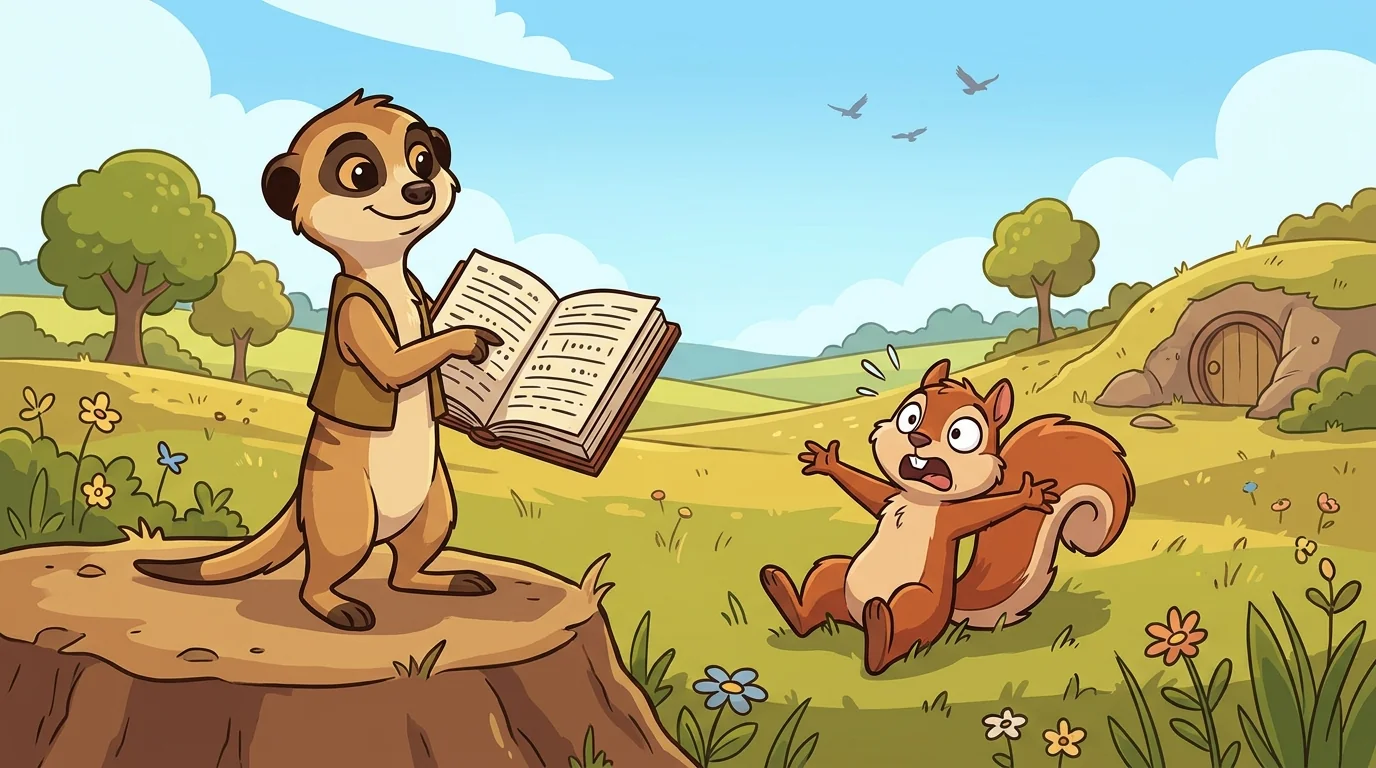
Norm stood tall on the lookout-mound as a squirrel came racing up in full panic, and she did the one thing panic never does: she reached for her tally-book. She was a small upright meerkat with clever counting eyes, and she never let a number frighten her before she knew its background.
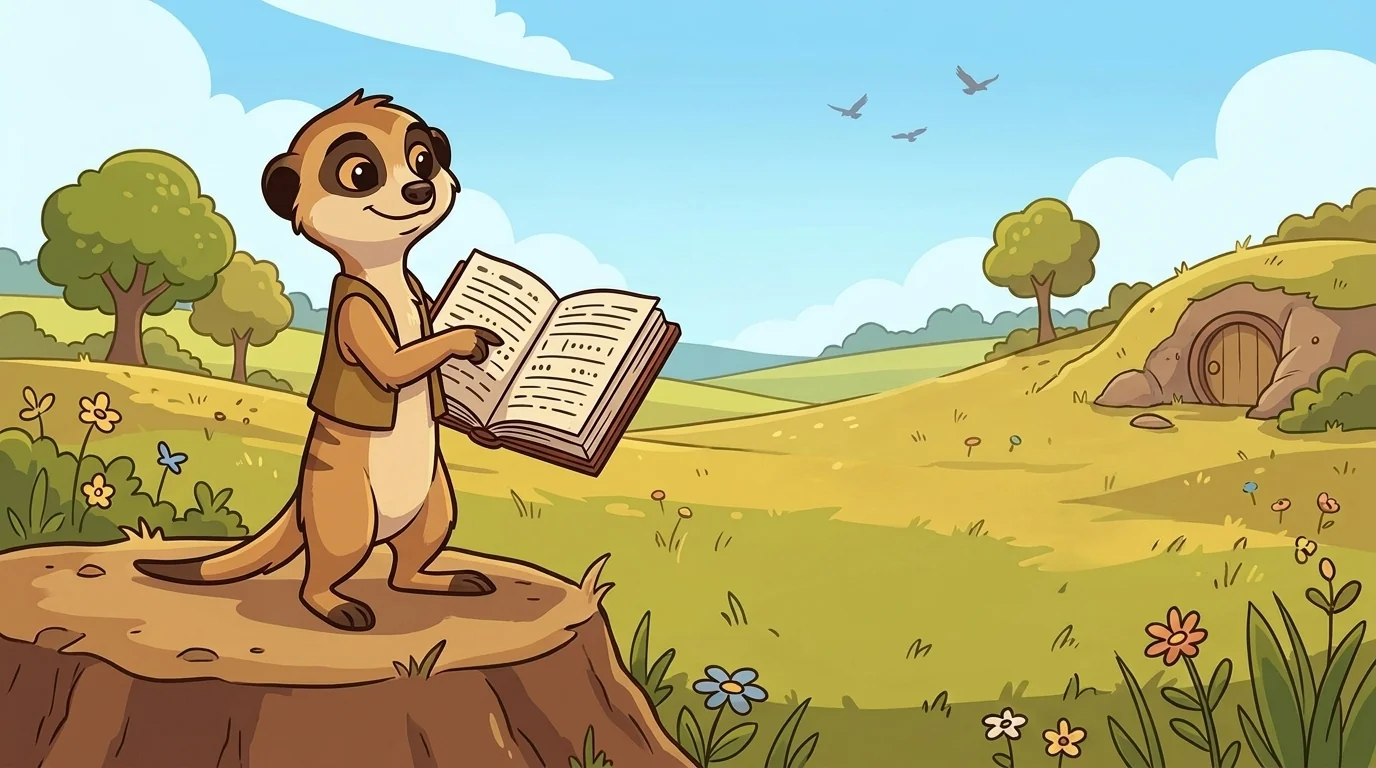
"THREE hawks over the meadow today!" the squirrel gasped. "Three! We're doomed!"
"Three," Norm agreed mildly. "That could be a catastrophe or a Tuesday — I genuinely can't tell yet, and neither can you." She opened the book, columns of daily counts running back a long way. "Yesterday, three. The day before, four. The average across the season, three-and-a-bit. So three isn't the alarm bell you heard. Three is exactly normal." She tapped the page. "A raw count arrives with no meaning attached. To know what it means, you set it against its base rate — how often this usually happens. Three is terrifying if the usual is zero, and boring if the usual is three. The number didn't change. What changed is that now you know its background."
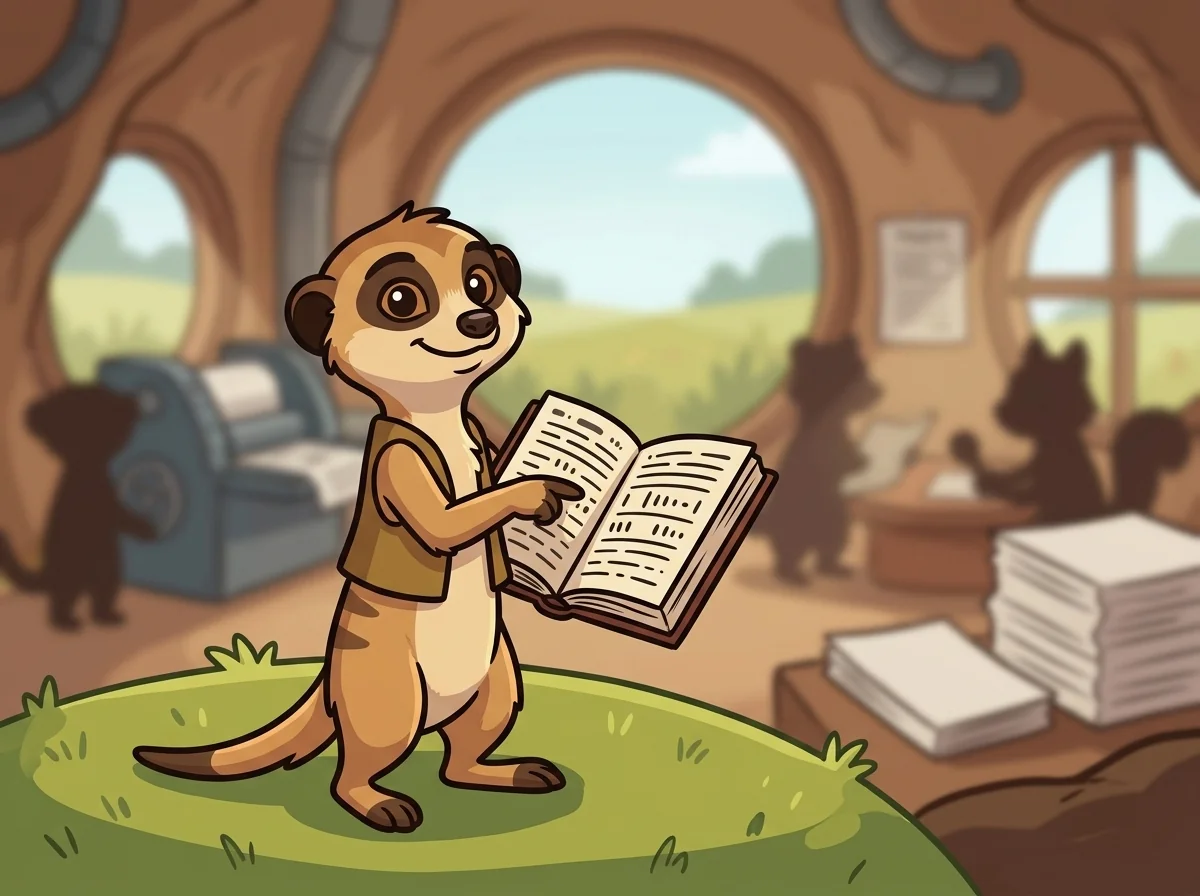
The squirrel's breathing slowed. "So it only sounded scary because I didn't know the usual?"
"That's the whole trick, and it's used on you constantly," Norm said. "Someone hands you a number stripped of its base rate — a bare count with no 'out of how many' and no 'compared to the usual' — precisely because a bare number borrows whatever size your fear gives it. Give it back its base rate and it snaps to its real size."
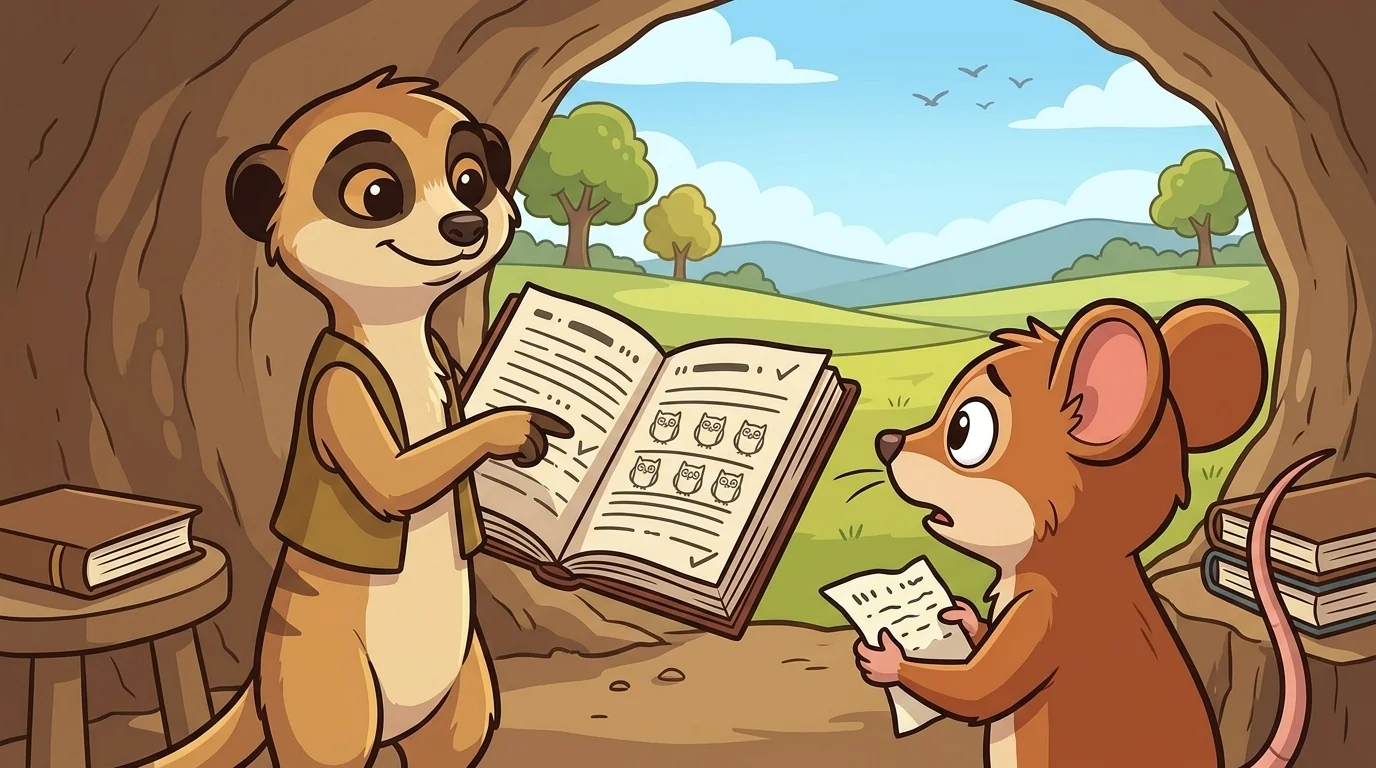
She had learned it by causing a panic herself, once. As a pup she'd counted five beetles marching into the burrow and shrieked invasion — and the whole colony scrambled before an old meerkat gently checked and found five beetles wandered in most mornings. Norm had felt foolish, jumpy, bad at judging danger. Her grandmother had sat with her and her worn tally-book. "You're not jumpy. You reacted to a count without its base rate. Five feels like an army until you know five is every morning." She'd run a claw down the columns. "A number needs a partner before it can mean anything: how often, usually? Ask it, and the scary figure either stays scary — because it truly is unusual — or relaxes into 'oh, that's just today.' Either way you've learned something true instead of just feeling something loud."
Norm started keeping her own book, counting the dull ordinary days on purpose, because you cannot spot the strange without first knowing the usual. And the ambushing numbers stopped ambushing.
A while later the squirrel crept back with a smaller question. "But if I stop and count the usual every time, don't I just... stop reacting? Doesn't caution keep me safer than counting?"
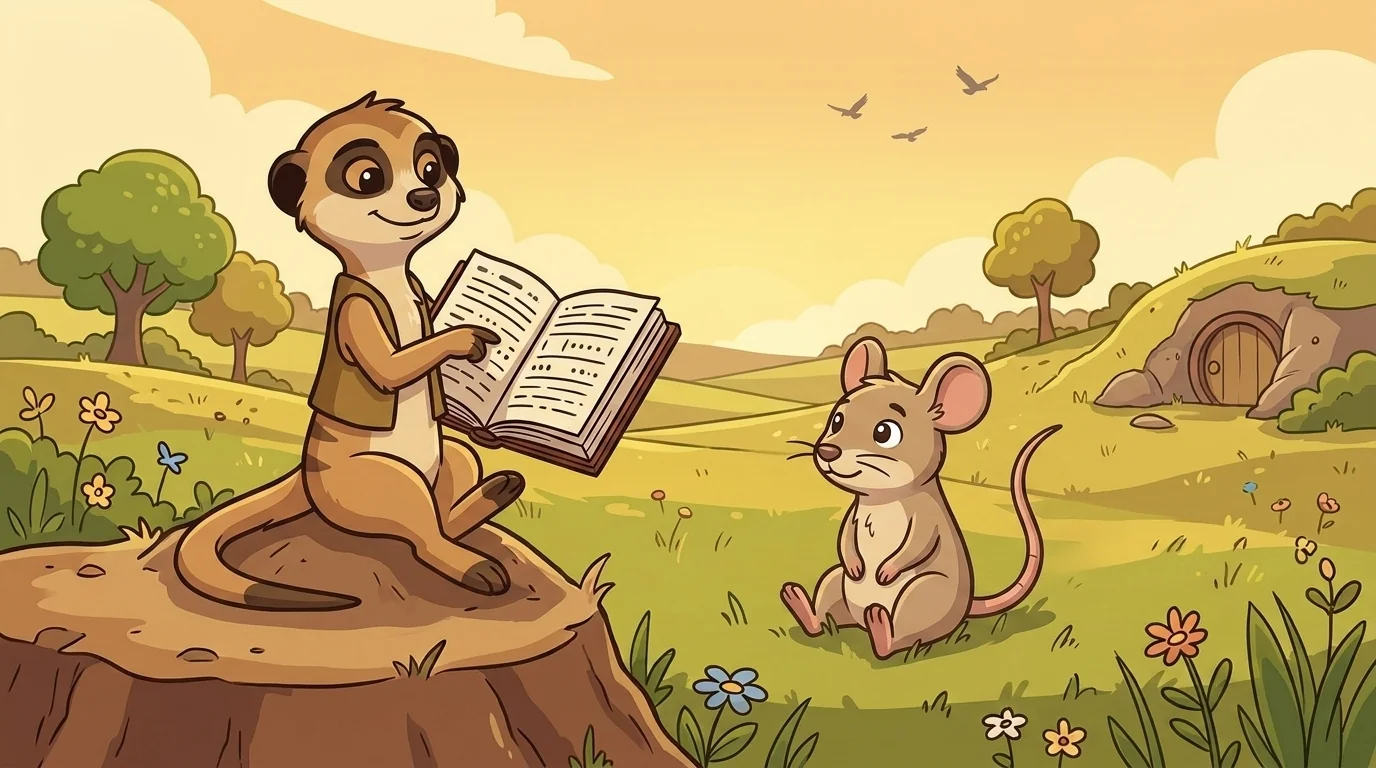
"Counting is the caution," Norm said. "A creature who bolts at every number wears itself out and misses the real danger when it finally comes — that's the cost of ignoring the base rate. The one who knows the usual can tell the true emergency from the ordinary morning, and spends its fear only where fear is earned." She closed the book gently. "It isn't about caring less. It's about aiming your alarm at what's genuinely rare. Know the usual, and you free yourself to notice the truly unusual."
The squirrel sat with that, and the wound-up spring in him unwound. He'd arrived certain the sky was falling; he left with a plainer, sturdier feeling — that a number was only ever half a fact until he'd asked how often its like came around. Norm watched the tension leave his shoulders and felt the quiet, grounded gladness of her craft: not the drama of the alarm, but the settled calm of a thing measured against its background and found, most of the time, to be Tuesday.
"How often, usually," she murmured, and made a small mark for an ordinary day.
The TruthQuest ensemble
Norm is part of TruthQuest's distributed-narrative cast. Each character embodies a different curricular primitive; together they teach the full subject.
-

Claim
Claim-identification — what EXACTLY is being asserted? distinguish claim from opinion from feeling from prediction
-

Weigh
Credibility-evaluation — who's in a position to KNOW? what stake? calibration not verdict (shared design language with DebateForge Weigh)
-

Trace
Evidence-traceback — where does this claim ORIGINATE? what's the chain? open four tabs; follow it back
-

Update
Belief-revision — being WRONG is how knowledge MOVES; visibly carry old-guess and new-guess as data (shared design language with DebateForge Yield)
-

Wonder
Epistemic-humility — 'I don't know yet' is the START of knowing; trust calibrated to evidence; counter-cynicism
-

Prove
Falsifiability — what would change my mind? a belief you could NEVER be proven wrong about isn't strong, it's just stuck
-

Vivid
Anecdote vs. data — one dramatic story feels truer than a hundred quiet ones; ask: is this ONE story, or the whole picture?
-

Yardstick
Context — 'a lot' and 'a little' mean nothing on their own; always ask: compared to WHAT?
-
Cull
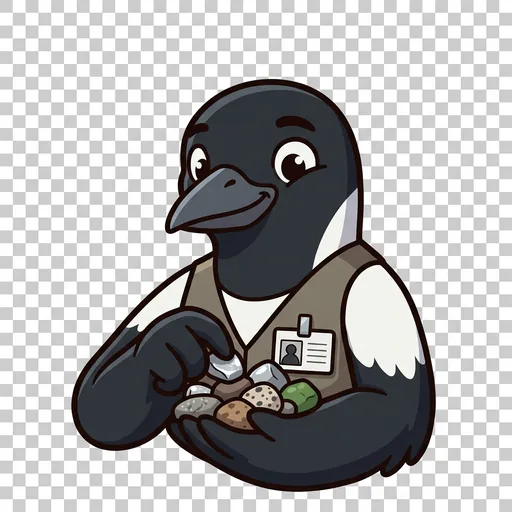
Cherry-picking / representativeness — anyone can find a few examples for anything; the real question is what got LEFT OUT?