
Prove
PROVE — a belief you could NEVER be proven wrong about isn't strong — it's just stuck. always ask: what would change my mind?
Loading audio…
Press play to listen along. The line being read lights up as you go.
Show full transcript
Loading transcript…
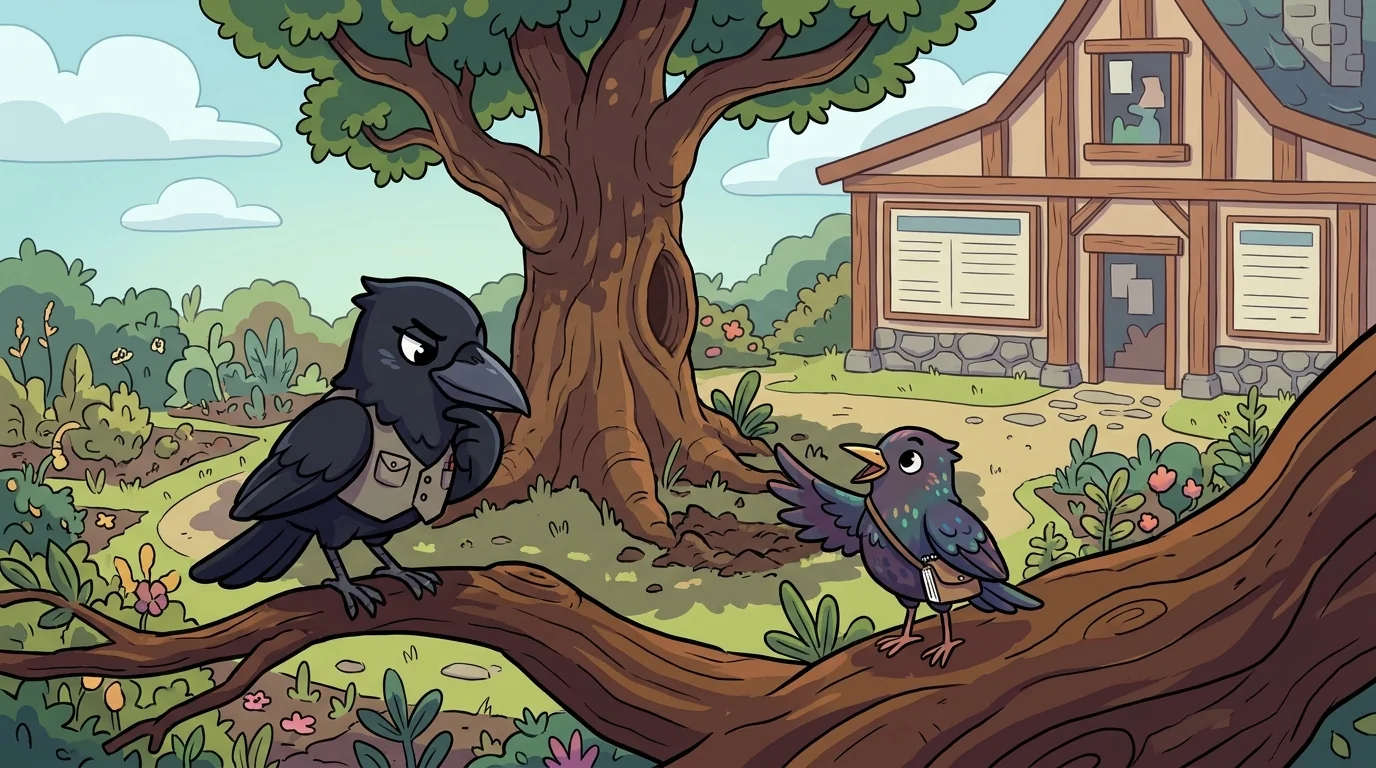
On a branch in the Truth Tribune's garden, a clever young crow was testing a belief the way you'd test a bridge before crossing it — by asking what could make it collapse.
Prove was glossy and sharp-eyed, forever poking and prodding at ideas, and she had a favorite, surprising question: not "how do I KNOW I'm right?" but "what would show me I'm WRONG?" A young starling landed beside her, puzzled. "I believe there's a treasure buried under the old oak," the starling said. "And nothing you say can change my mind! If we dig and find nothing, it just means the treasure moved. If a storm knocks the oak down and there's nothing, the storm stole it. If we NEVER find it, that just proves how well it's hidden!"
"Hold on," Prove said, tilting her head. "You've built a belief that NOTHING could ever prove wrong. Dig and find nothing? Treasure moved. Never find it? Hidden well. There's no possible thing that would make you say 'okay, I was wrong.'" She hopped closer. "That FEELS strong — unbeatable, even. But it's actually the weakest kind of belief there is." She pecked the branch. "A belief you could NEVER be proven wrong about isn't strong — it's just stuck. Always ask: what would change my mind?"
The starling frowned. "But isn't it GOOD that nothing can shake my belief?"
"It sounds good," Prove said gently. "But think — if no evidence could EVER touch it, then evidence isn't holding it up at all. It's just glued in place. A strong belief is one that COULD be knocked down by evidence, and hasn't been. That's the difference between a belief that's TRUE and one that's just stuck."
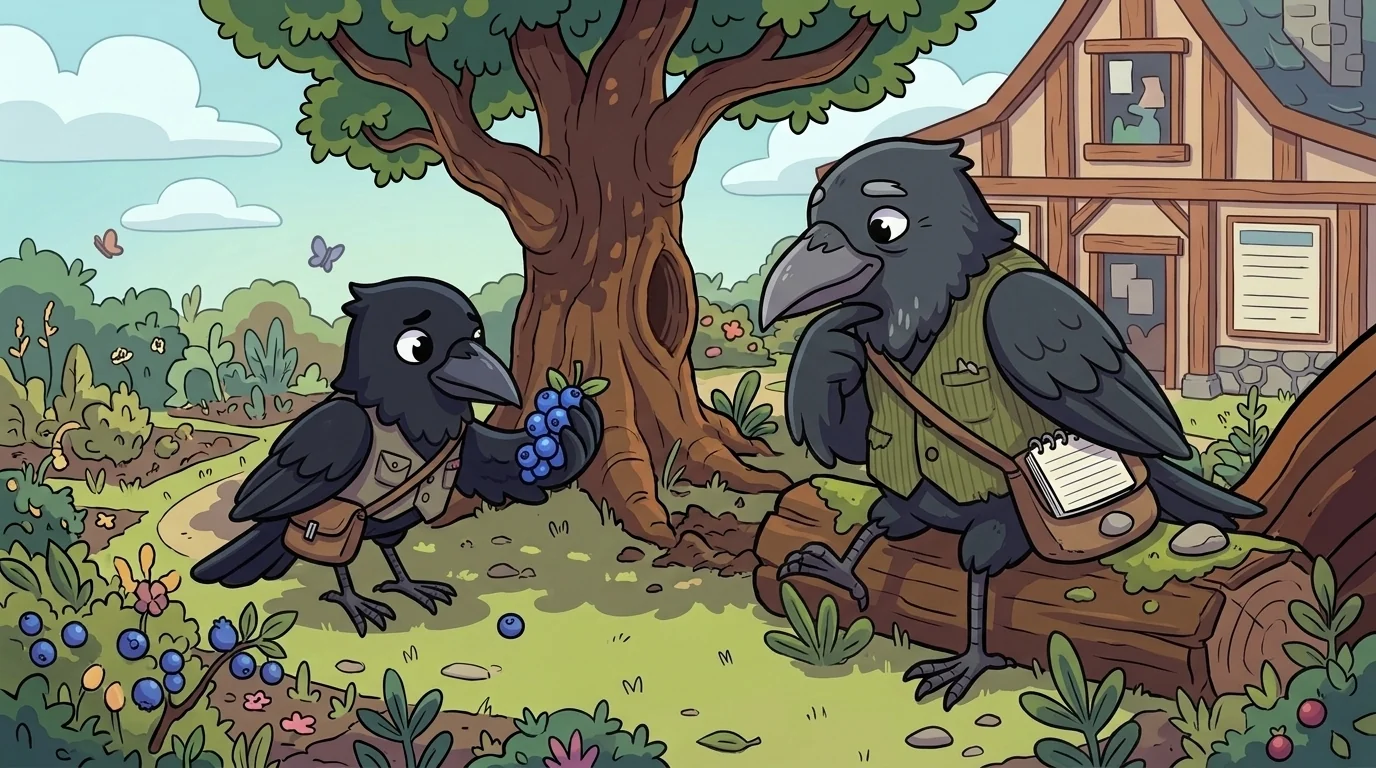
Prove had learned about stuck beliefs by being stuck herself, once.
When she was small, she was certain a particular berry bush was magic and granted wishes. Every good thing that happened, she credited to the bush. Every bad thing, she said the bush was testing her. There was NOTHING that could have changed her mind — and she felt wonderfully sure, right up until she realized her sureness never actually depended on the bush doing anything at all. She felt hollow and a little foolish, sure that being so certain of something so unprovable meant she was gullible.
Her grandfather, an old crow with knowing eyes, sat with her. "You weren't gullible for believing," he said. "You got stuck because you never asked the freeing question: 'what would change my mind?'" He tapped the branch. "A belief that explains away EVERYTHING — good news proves it, bad news proves it, no news proves it — isn't being held up by the world. It floats free of the world. And a belief that floats free of the world can never be TRUE or FALSE. It's just... stuck." He looked at her kindly. "The bravest beliefs are the ones that stick their neck out — that say 'if THIS happens, I'll admit I'm wrong.' Then, when that thing DOESN'T happen, your belief has actually earned its keep."
Prove started asking, of every belief, "what would change my mind?" And the beliefs that could answer felt honest and testable; the ones that couldn't, she learned to hold loosely. The hollow, foolish feeling turned into a clear, honest steadiness. She wasn't gullible. She'd just been holding beliefs that no evidence could ever reach.
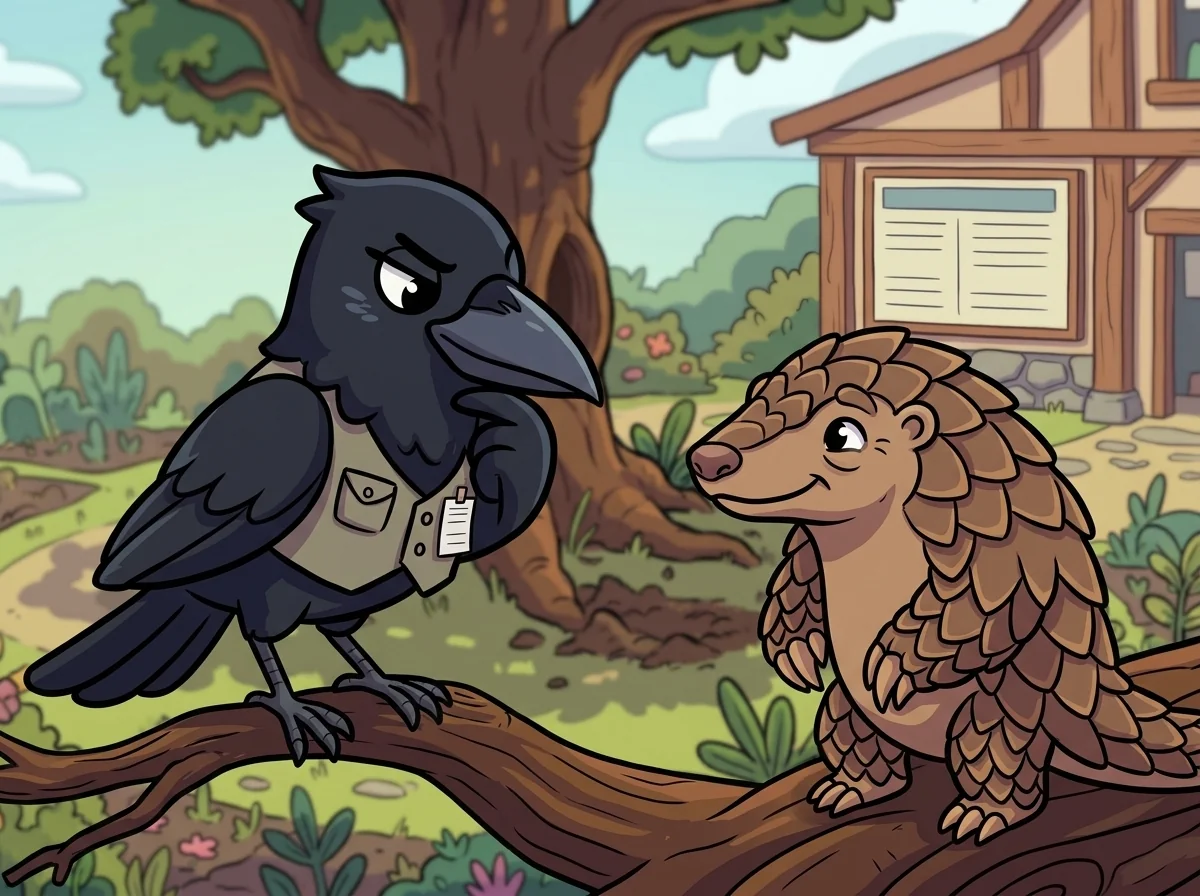
When Prove turned twelve, she went to the Truth Tribune, where a wise old pangolin named Veritas asked, "What makes a belief honest?"
Prove didn't answer with a speech. "It sticks its neck out," she said. "An honest belief names, ahead of time, what would prove it wrong — and then that thing doesn't happen." She pecked the air. "The belief that explains away EVERYTHING feels the strongest but is the weakest, because no evidence can ever touch it. So I always ask, of my own beliefs first: 'what would change my mind?' If the answer is 'nothing could,' I know I'm stuck, not sure."
Veritas's eyes crinkled warmly. "Most people ask how to defend a belief," Veritas said.
"I ask what could defeat it," Prove said. "A belief that COULD lose to evidence, and hasn't, is worth far more than one that can't lose at all." Veritas smiled. "Then come in," Veritas said. "The Tribune needs someone who asks what would change her mind."
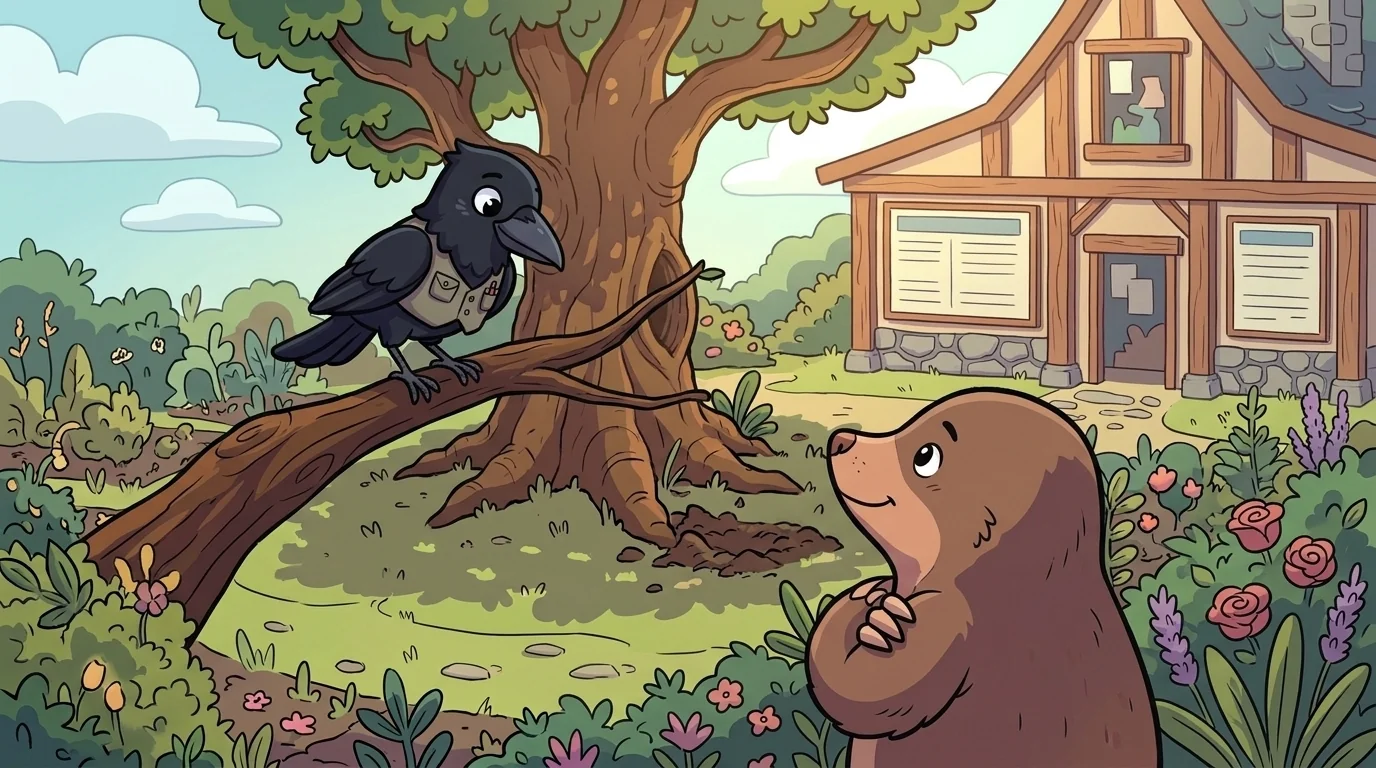
One afternoon a stubborn young mole burrowed into Prove's garden, arms crossed.
"I KNOW the north field is cursed," the mole announced. "Nothing you say will change my mind. Good harvest? The curse is resting. Bad harvest? The curse struck. Normal harvest? The curse is being sneaky. See? Proven!"
"Let's look at what you just did," Prove said gently. "Good, bad, OR normal harvest — you counted every single one as proof of the curse. Which means... no harvest, of any kind, could ever prove there ISN'T a curse." She hopped closer. "So ask yourself, honestly: what WOULD change your mind? What could the field possibly do to show you it's fine?" The mole opened his mouth, then closed it, because he couldn't think of anything. "That's the tell," Prove said kindly. "When NOTHING could change your mind, your belief isn't resting on the field at all. It's just stuck to you. And a stuck belief can never be checked against the world — so it can never actually be TRUE."
The mole uncrossed his arms slowly. "So because I made everything count as proof... nothing really counts as proof."
"That's exactly it," Prove said. "A belief that wins no matter what the world does hasn't really won anything. If you want to know whether the field is really cursed, first decide: what would a NOT-cursed field look like? Then go see which one you've got."
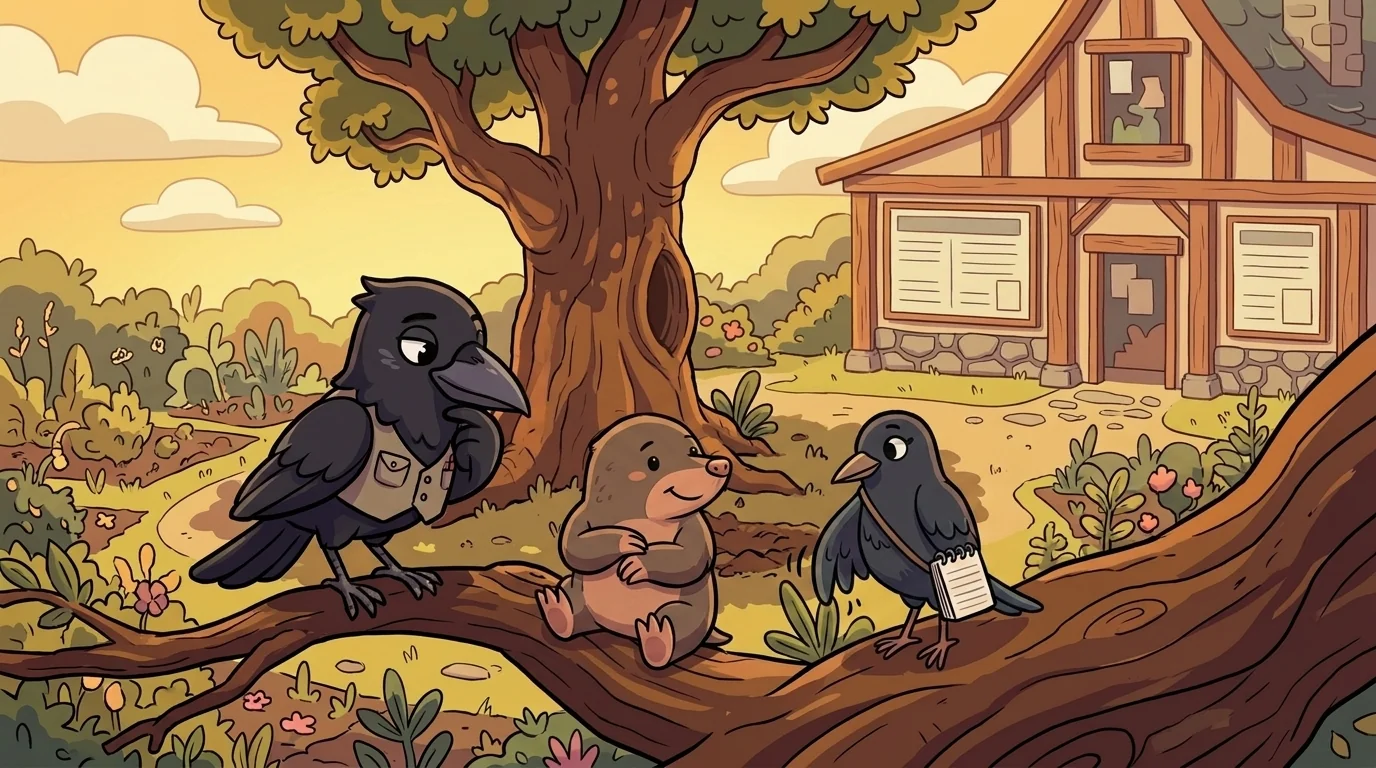
Later, as the garden went gold, the mole came back, thoughtful, arms no longer crossed.
"It's strange," the mole said. "I thought a belief nothing could shake was the strongest. But it's actually the emptiest."
Prove settled beside him on the branch.
"It's the great trick our own minds play," she said. "The belief that explains away everything FEELS unbeatable, and that feeling is exactly why it's worthless — no evidence can reach it, so no evidence holds it up." She pecked the branch, light. "But you don't have to be unshakable OR doubt everything. You just ask, calm and honest, of yourself first: 'What would change my mind?' If you can name it, your belief is brave and testable. If you can't, you've found a stuck spot to hold loosely." She smiled. "There's a steady, honest feeling in that question — not the false certainty of the unshakable, not the sourness of the cynic, just a clear 'I could be wrong, and here's exactly what would show me.'"
The mole nodded, arms relaxed, and Prove watched the stubborn, nothing-can-shake-me feeling ease into that clear, honest steadiness she'd found over her grandfather's branch — the warm gladness of a young thinker who's learned that the strongest beliefs aren't the ones nothing can touch, but the ones brave enough to say what would prove them wrong.
The TruthQuest ensemble
Prove is part of TruthQuest's distributed-narrative cast. Each character embodies a different curricular primitive; together they teach the full subject.
-
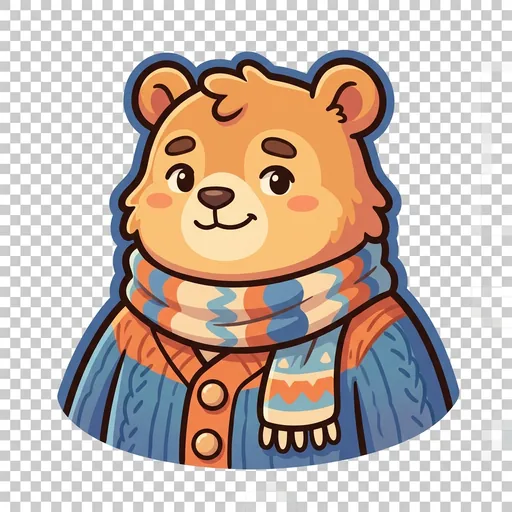
Claim
Claim-identification — what EXACTLY is being asserted? distinguish claim from opinion from feeling from prediction
-

Weigh
Credibility-evaluation — who's in a position to KNOW? what stake? calibration not verdict (shared design language with DebateForge Weigh)
-
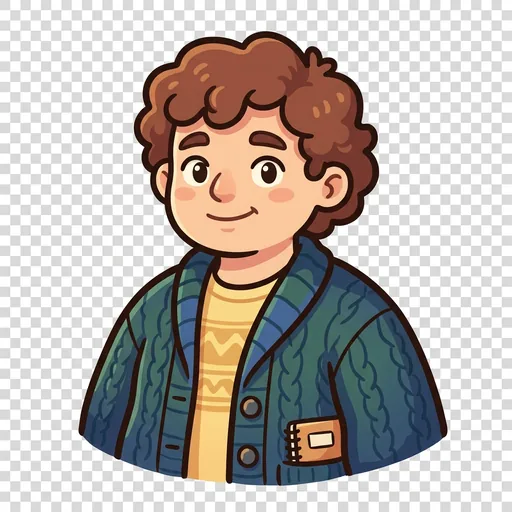
Trace
Evidence-traceback — where does this claim ORIGINATE? what's the chain? open four tabs; follow it back
-
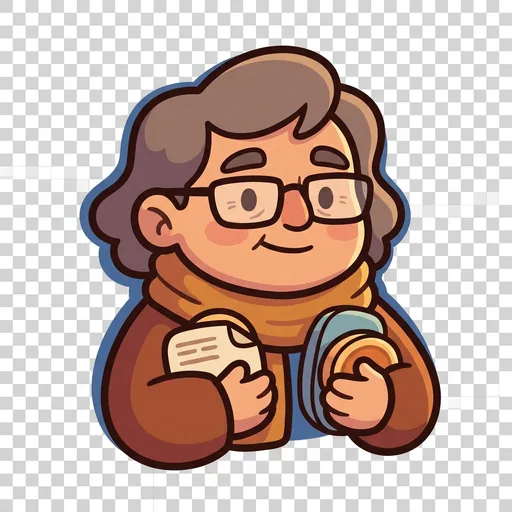
Update
Belief-revision — being WRONG is how knowledge MOVES; visibly carry old-guess and new-guess as data (shared design language with DebateForge Yield)
-
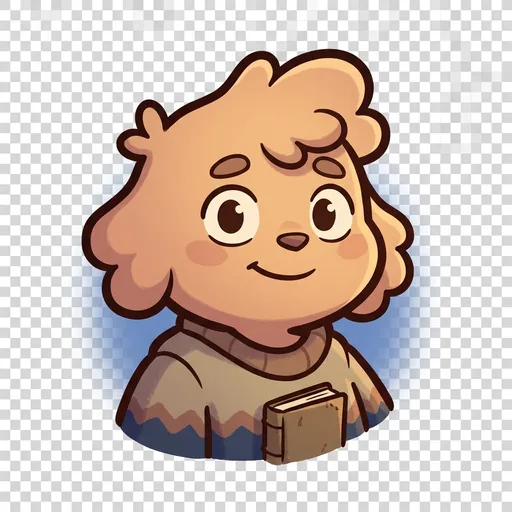
Wonder
Epistemic-humility — 'I don't know yet' is the START of knowing; trust calibrated to evidence; counter-cynicism
-
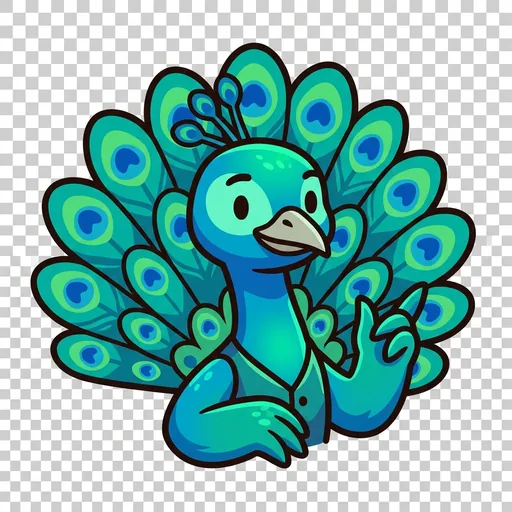
Vivid
Anecdote vs. data — one dramatic story feels truer than a hundred quiet ones; ask: is this ONE story, or the whole picture?
-
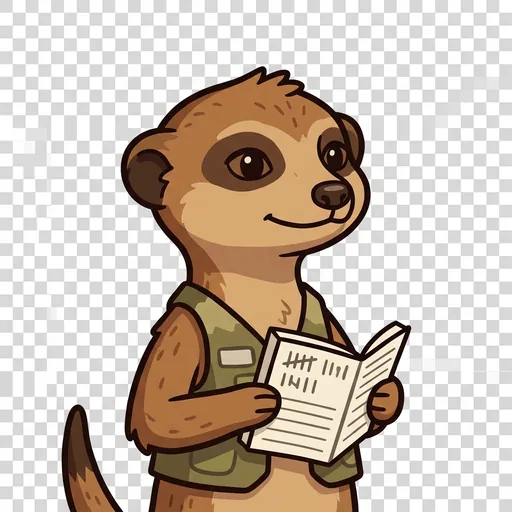
Norm
Base rates — before you panic at a scary number, ask how OFTEN it usually happens; most 'shocking' things turn out normal
-
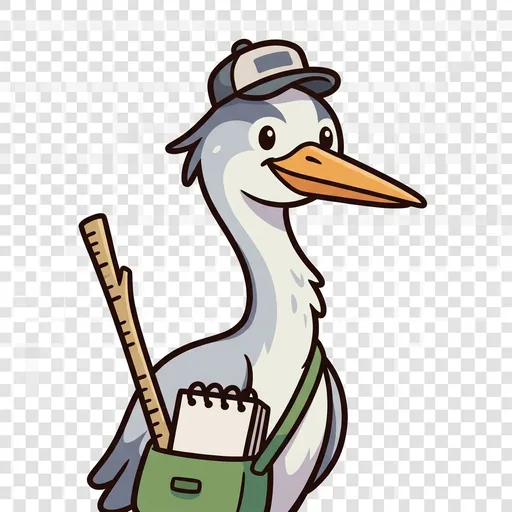
Yardstick
Context — 'a lot' and 'a little' mean nothing on their own; always ask: compared to WHAT?
-
Cull
Cherry-picking / representativeness — anyone can find a few examples for anything; the real question is what got LEFT OUT?

