Prove
A belief that nothing could ever prove wrong isn't strong, it's unfalsifiable
Loading audio…
Press play to listen along. The line being read lights up as you go.
Show full transcript
Loading transcript…
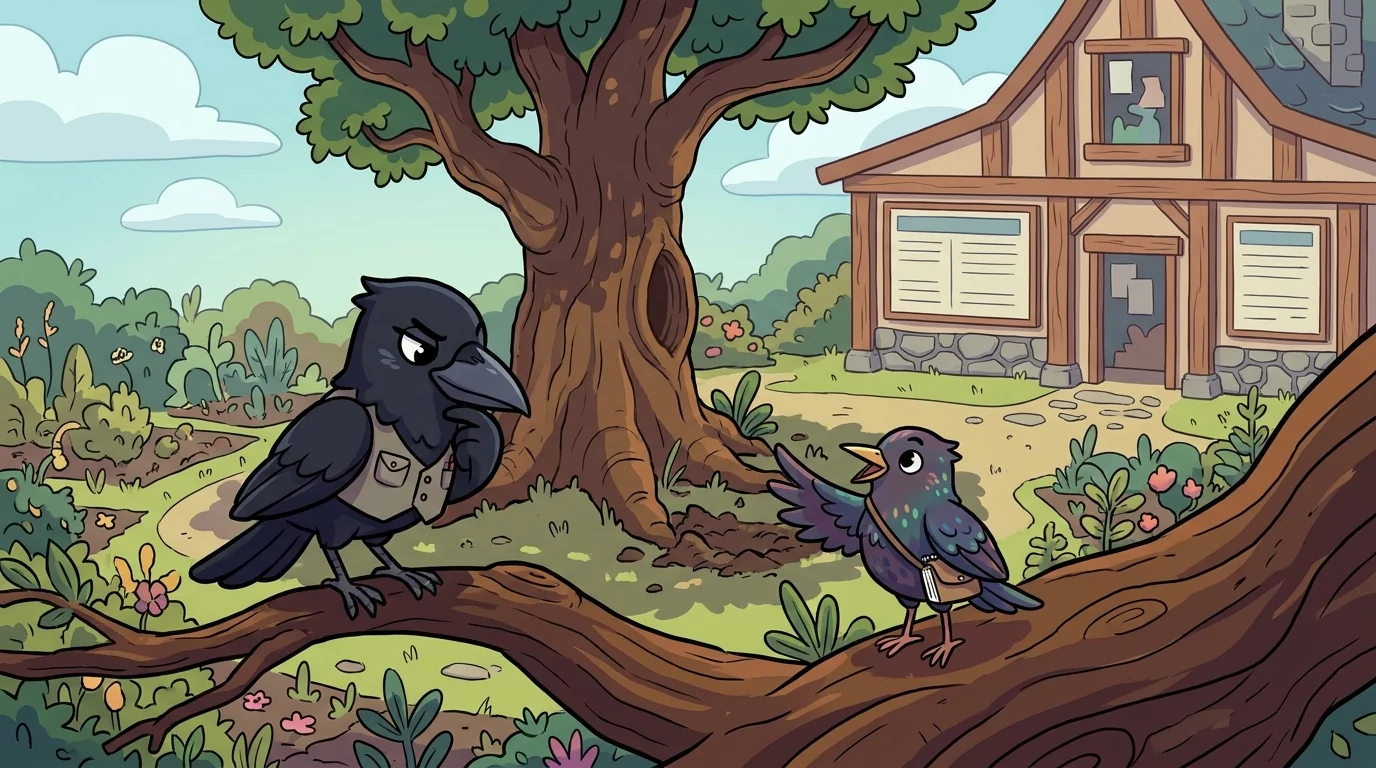
Prove tested a belief the way you'd test a bridge before crossing — by asking exactly what could make it collapse. She was a glossy, sharp-eyed crow, forever prodding at ideas, and her favourite question surprised everyone: not how do I know this is true? but what would show me it's false?
A young starling landed beside her, sure of a buried treasure under the old oak. "And nothing can change my mind! Dig and find nothing? It moved. Storm topples the oak, still nothing? The storm stole it. Never find it at all? Proof of how well it's hidden!"
"Stop there," Prove said, tilting her head. "Listen to what you built. There is no possible outcome that would make you say 'I was wrong.' Every result — success, failure, silence — you've already turned into evidence for. That feels unbeatable. It's actually the weakest kind of belief there is." She pecked the branch. "A claim that no result could ever contradict is unfalsifiable. It doesn't stick its neck out. And a belief that risks nothing can win nothing — because the world was never allowed to vote."
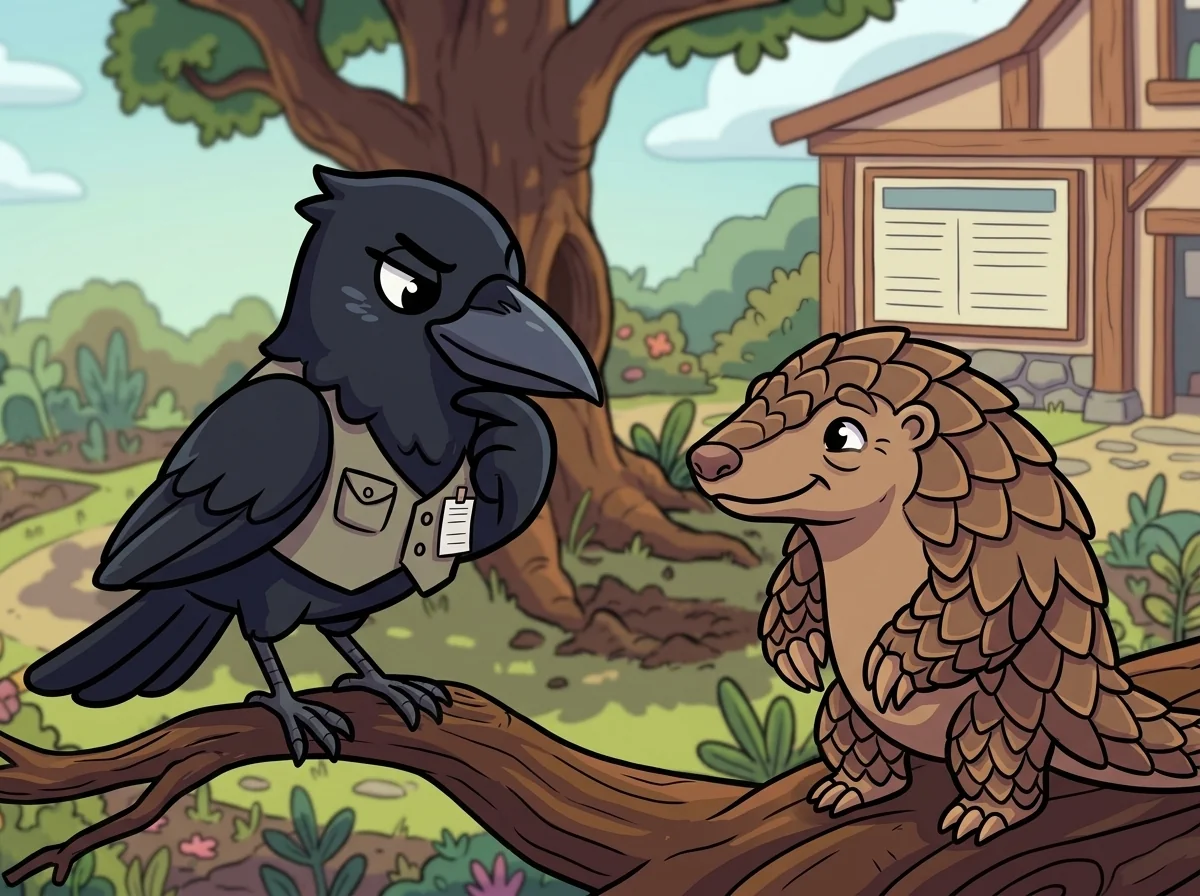
The starling frowned. "But isn't it good that no evidence can shake me?"
"That's the trap dressed as a virtue," Prove said gently. "If no evidence could ever touch it, then evidence isn't what's holding it up. Something else is — habit, hope, wanting it. A strong belief is one that could have been knocked down by a specific result, and wasn't yet. The strength lives in the risk it took and survived, not in being untouchable."
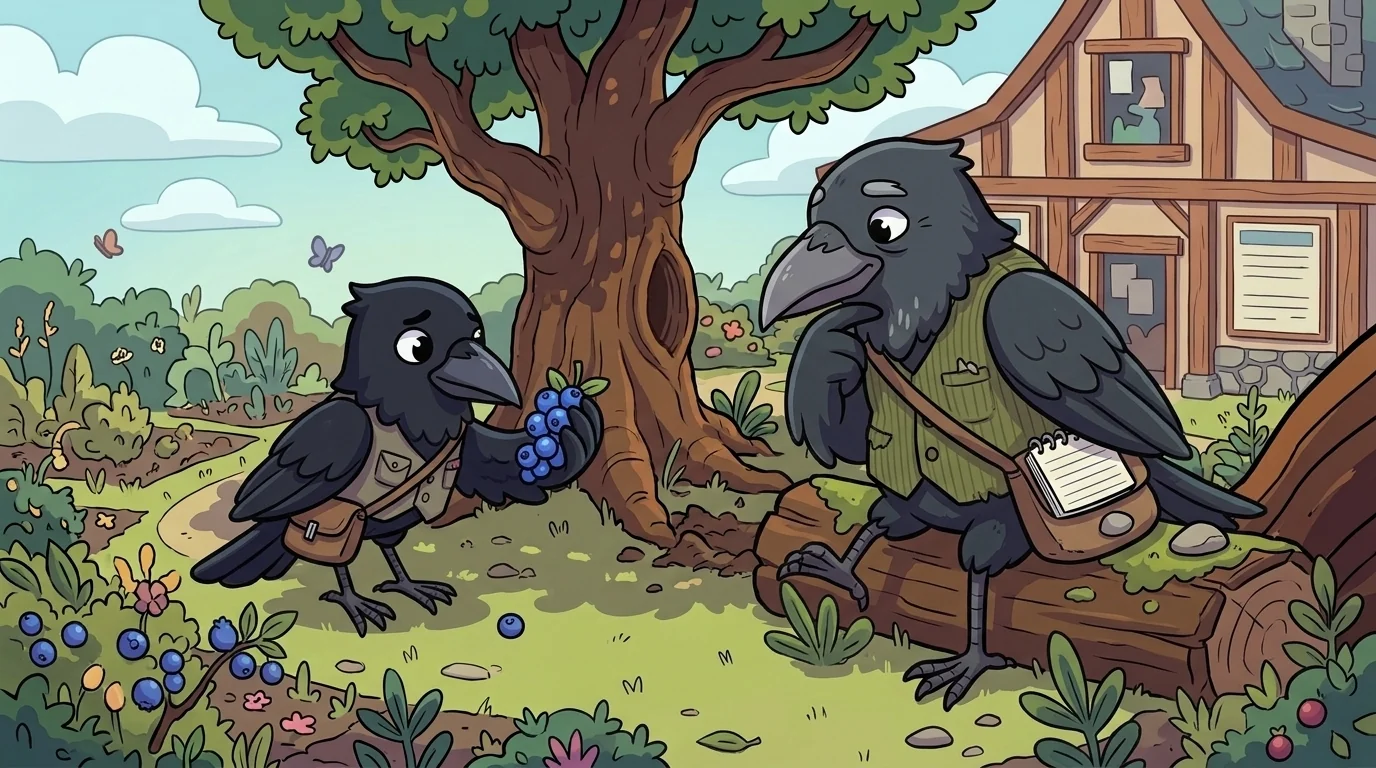
She had learned it by being stuck herself. As a fledgling she'd been certain a berry bush granted wishes: good days proved its favour, bad days were its tests, quiet days were it resting. Nothing could have reached the belief — and she'd felt wonderfully sure right up until she noticed her sureness never once depended on the bush doing anything at all. Hollow, a little foolish. Her grandfather, an old knowing crow, had sat with her. "You weren't gullible for believing. You got stuck because you never asked the freeing question: what would change my mind?" He'd tapped the branch. "A belief that swallows every outcome — good, bad, and none — isn't anchored to the world. It floats free of it. And what floats free of the world can be neither true nor false; it just is, forever, uselessly. The bravest beliefs name their own breaking point out loud: if this happens, I'll admit I was wrong. Then, when that thing doesn't happen, the belief has actually earned its keep."
Prove began asking it of everything she believed. The claims that could name their breaking point felt honest and testable; the ones that couldn't, she learned to hold loosely — not as truths, but as hopes wearing a truth's coat.
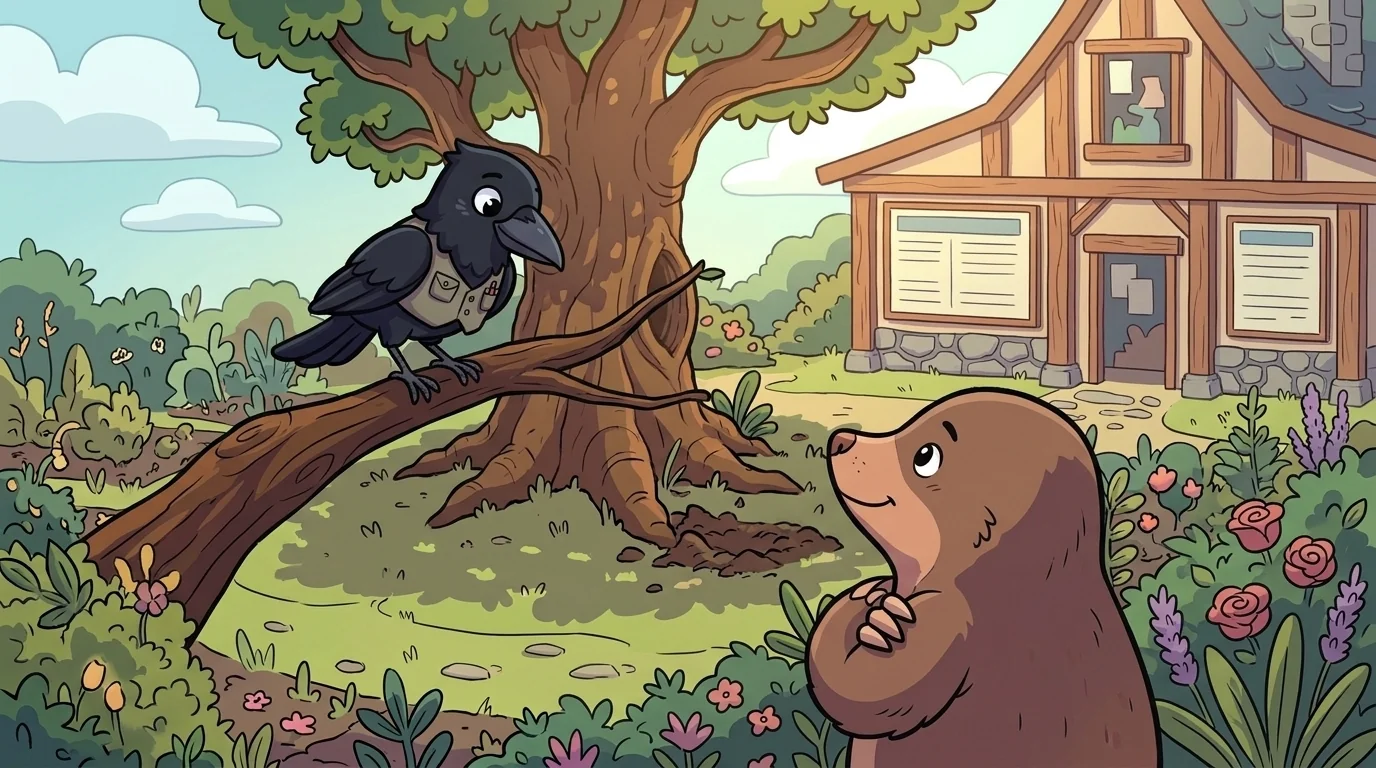
Later the starling returned, quieter. "But if I have to name what would prove me wrong — doesn't that mean I'm not really sure? Doesn't it make my beliefs weaker?"
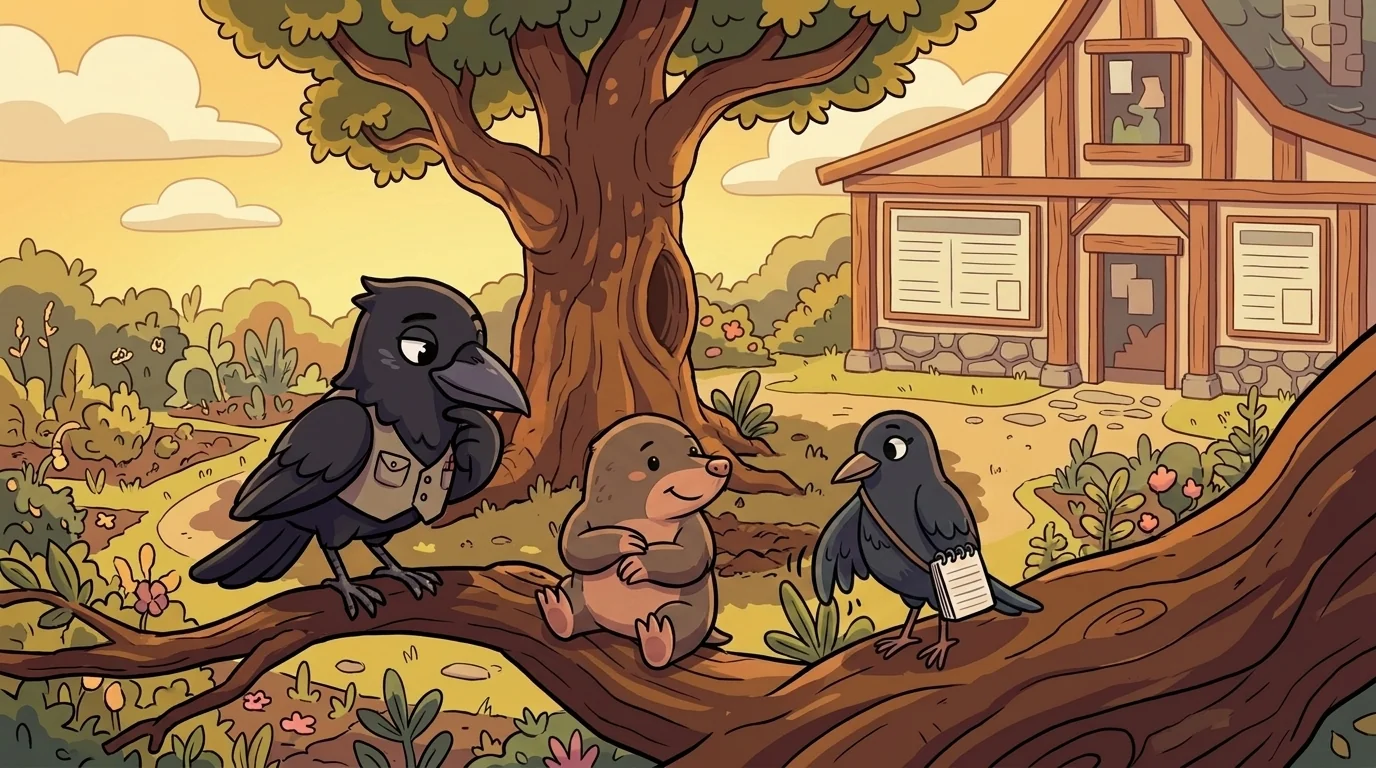
"The opposite," said Prove. "Naming your breaking point is what lets a belief be checked — and a checked belief is the only kind that can honestly be called strong. Refusing to name it doesn't protect the belief. It just protects you from ever finding out. Courage here is letting the world get a vote, and trusting the belief to survive the counting." She folded her wings. "Sureness that risks nothing is just a wish. Sureness that named its own danger and stood — that's the real thing."
The starling sat with it, and the stubborn, cornered feeling of defending the undentable gave way to something lighter: the relief of holding beliefs that could breathe, that could be wrong, and were therefore allowed to be genuinely right. Prove watched the tightness leave him and felt the clean gladness of her craft — not the false comfort of the unshakable, but the honest steadiness of a belief brave enough to name what would end it.
"What would change my mind," she murmured, like a key she was glad to keep turning.
Hear it as an audio drama
A short play starring Prove, from TruthQuest. Different voices, same idea. Listen any time after you read.
Loading audio…
Read the drama script
- Narrator: From Spark and Anvil and TruthQuest — this is Prove, in chapter 1 of the TruthQuest cast.
- Narrator: This drama uses an AI-generated voice. Voiced via Gemini 2.5.
- Narrator: This story covers truth, evidence, and disagreement. Parents may want to listen first.
- Narrator: Prove is a glossy, sharp-eyed crow-tween, forever prodding at ideas. Her favorite question surprises everyone.
- Prove: I don't ask, how do I know this is true? I ask, what would show me it's false? That one question keeps a belief honest.
- Narrator: A young starling was certain a treasure lay buried under the old oak, and nothing could change his mind.
- Starling: Dig and find nothing? It moved. A storm topples the oak and there's nothing? The storm stole it. Never find it at all? Proof of how well it's hidden!
- Prove: Listen to what you built. There is no possible outcome that would make you say, I was wrong. Every result, you've already turned into evidence for.
- Prove: That feels unbeatable. It's actually the weakest belief there is. A claim no result could ever contradict is unfalsifiable. It floats free of the world.
- Narrator: The starling asked whether it wasn't good that no evidence could shake him.
- Prove: If no evidence could ever touch it, then evidence isn't what holds it up. A strong belief is one that could have been knocked down, and wasn't yet.
- Narrator: Prove learned it as a fledgling, certain a berry bush granted wishes — good days its favor, bad days its tests, quiet days its rest.
- Prove: My grandfather said: a belief that swallows every outcome isn't anchored to the world. The bravest beliefs name their own breaking point out loud.
- Narrator: The starling worried that naming what would prove him wrong meant he wasn't really sure.
- Prove: The opposite. Naming your breaking point is what lets a belief be checked. Courage is letting the world get a vote, and trusting the belief to survive it.
- Prove: Sureness that risks nothing is just a wish. Always ask: what, exactly, would change my mind?
- Narrator: You've been listening to a Spark and Anvil chapter, written by the Spark and Anvil writing team for ages 9 to 14.
- Narrator: Apps stay free forever.
- Narrator: Curriculum aligned to media literacy standards.
- Narrator: If anything in this story brought up big feelings, talking to a trusted adult helps. You can also reach support lines anytime.
- Narrator: Released under Creative Commons BY-NC-SA 4.0 for educational reuse. Visit Spark and Anvil for the full transcript.
The TruthQuest ensemble
Prove is one of the friends in TruthQuest. Each friend shows you one idea by how they act; meet them all and you have the whole subject.
-
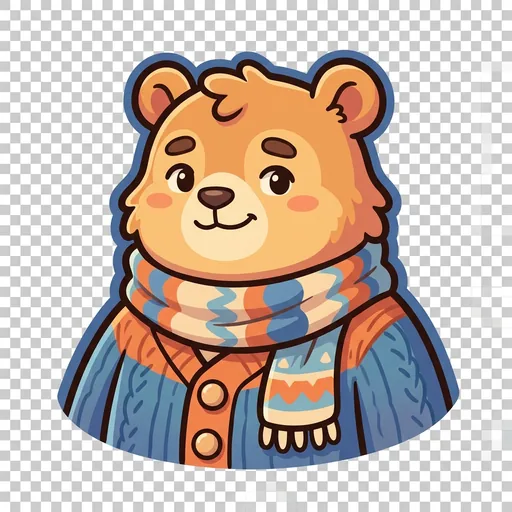
Claim
Claim-identification — what EXACTLY is being asserted? distinguish claim from opinion from feeling from prediction
-

Weigh
Credibility-evaluation — who's in a position to KNOW? what stake? calibration not verdict (shared design language with DebateForge Weigh)
-
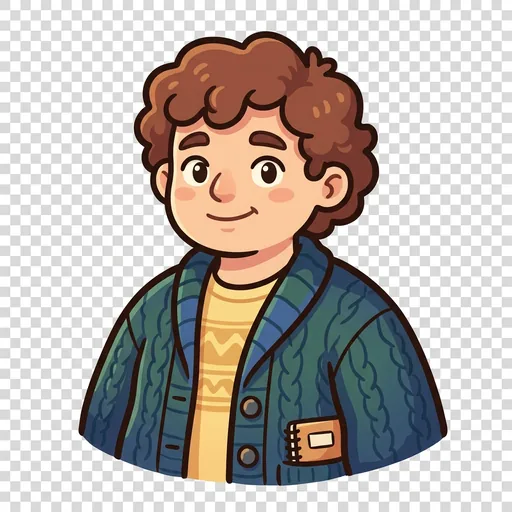
Trace
Evidence-traceback — where does this claim ORIGINATE? what's the chain? open four tabs; follow it back
-
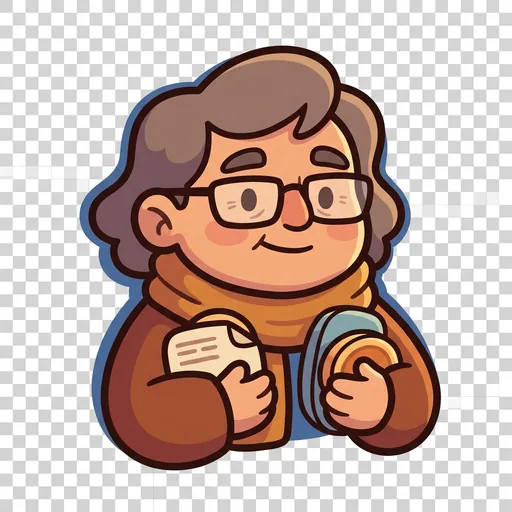
Update
Belief-revision — being WRONG is how knowledge MOVES; visibly carry old-guess and new-guess as data (shared design language with DebateForge Yield)
-
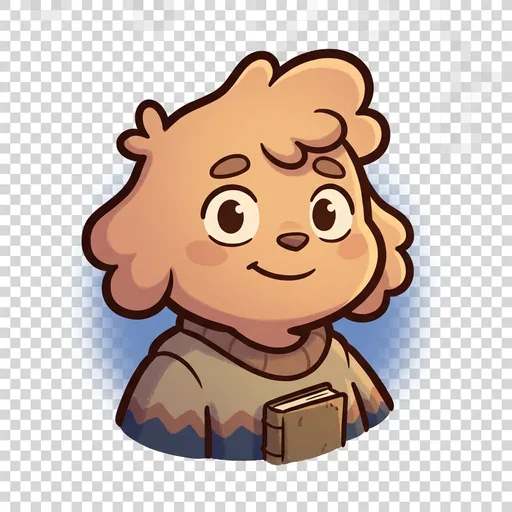
Wonder
Epistemic-humility — 'I don't know yet' is the START of knowing; trust calibrated to evidence; counter-cynicism
-
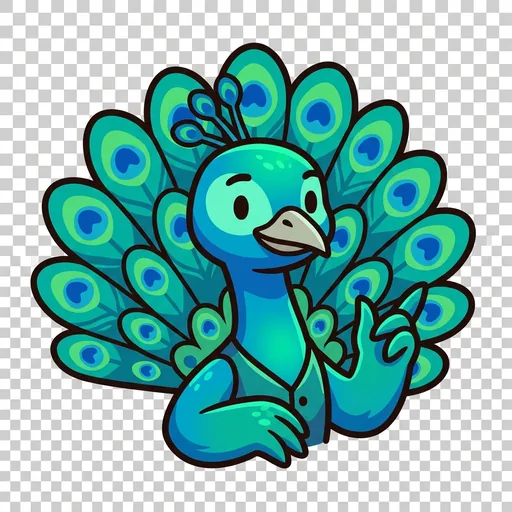
Vivid
Anecdote vs. data — one dramatic story feels truer than a hundred quiet ones; ask: is this ONE story, or the whole picture?
-
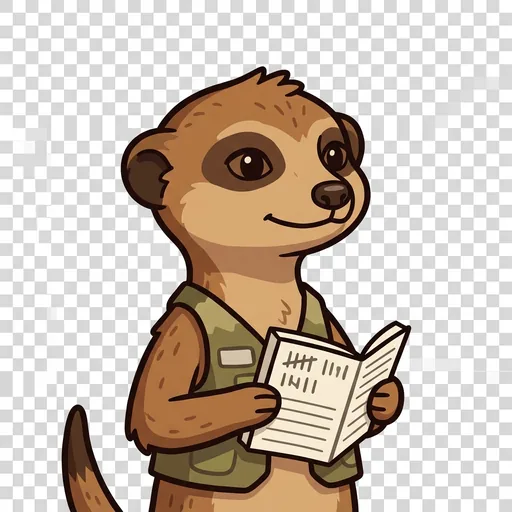
Norm
Base rates — before you panic at a scary number, ask how OFTEN it usually happens; most 'shocking' things turn out normal
-
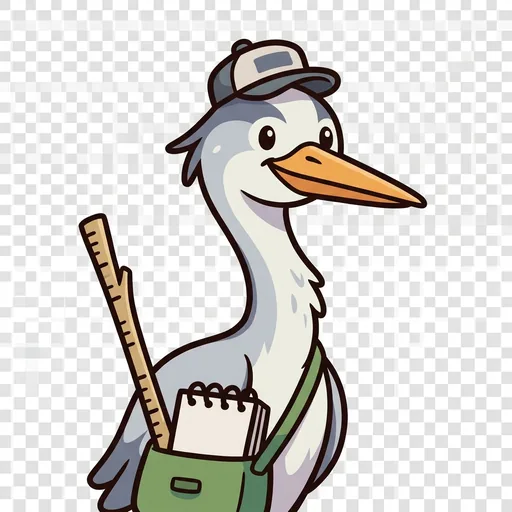
Yardstick
Context — 'a lot' and 'a little' mean nothing on their own; always ask: compared to WHAT?
-
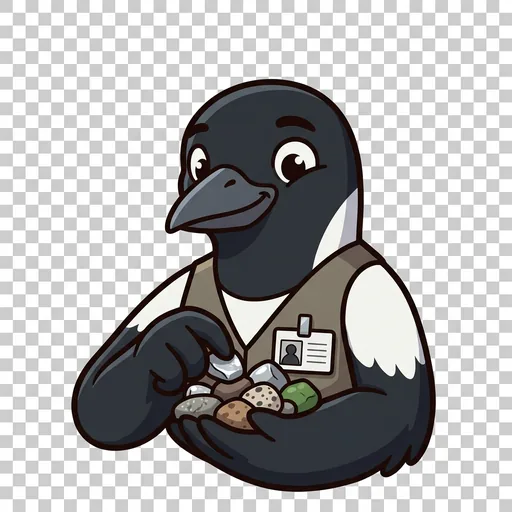
Cull
Cherry-picking / representativeness — anyone can find a few examples for anything; the real question is what got LEFT OUT?