Till
A fair price covers your costs
Loading audio…
Press play to listen along. The line being read lights up as you go.
Show full transcript
Loading transcript…
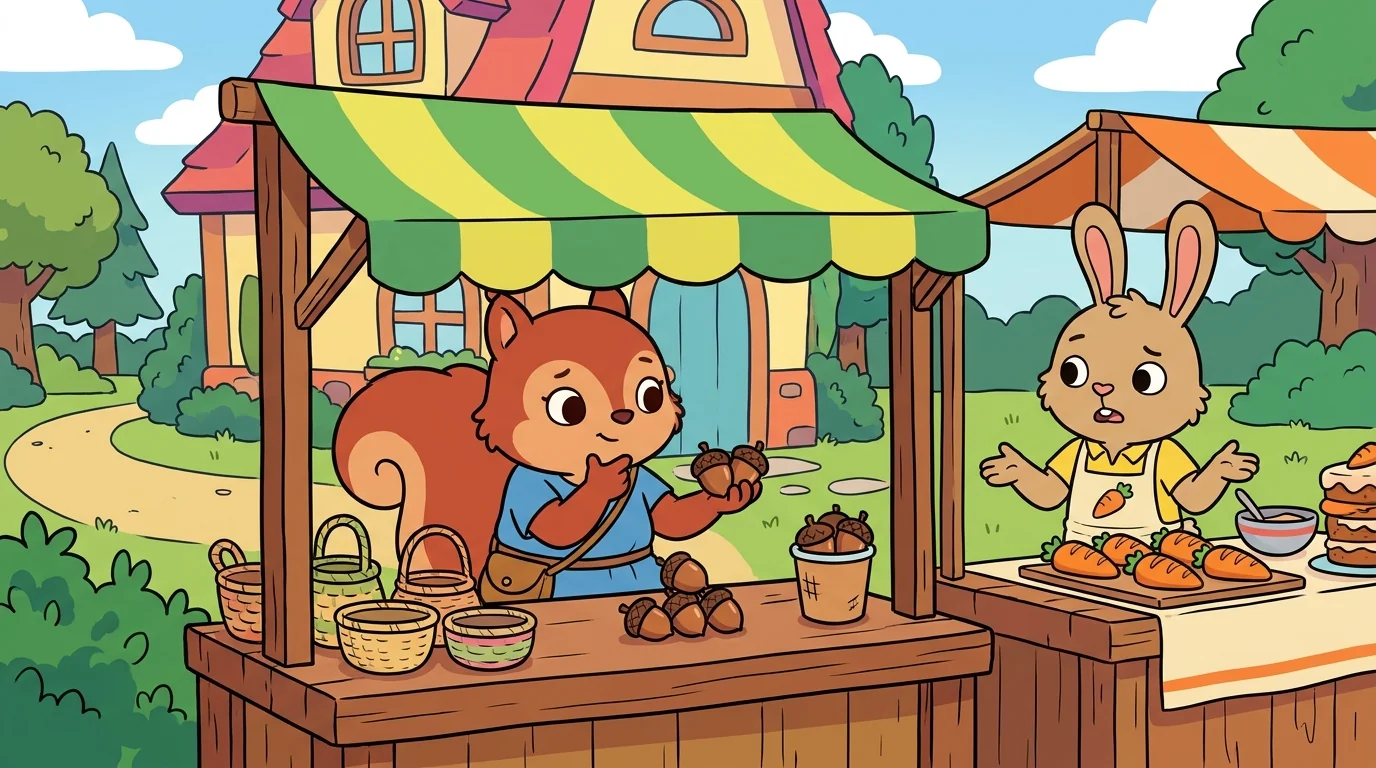
At the little craft-stall behind VentureQuest, a young squirrel sat with a cup of acorns and a puzzle everyone finds hard: how much to charge for the beautiful little baskets she wove.
Till was quick and bright-eyed, with a small money-pouch and a habit of weighing things carefully in her paws. A young rabbit, setting up his own carrot-cake stand nearby, was fretting over the same question. "How much do I charge?!" he wailed. "If I charge a lot, I'll be rich! But it feels mean. If I charge almost nothing, people will love me! But then... I don't know."
"Let's find the FAIR price," Till said, pulling out her acorns. "Not the biggest, not the smallest — the fair one." She lined up three acorns. "First, what did the cake COST you to make — the flour, the carrots, your afternoon? That's your costs; the price has to cover those, or you lose money every time." She added a fourth acorn. "Then a little for your WORK — your time and care are worth something. Not a fortune. A little." She held up the small stack. "And then check: does this price still feel HONEST to the person paying it? Would you be happy to pay it yourself?" She looked at him kindly. "A fair price covers your costs, pays you a little for your work, and still feels honest to the buyer. Never squeeze; never give it all away."
The rabbit blinked. "So not as much as I can get, and not almost-free?"
"Right in the honest middle," Till said. "Squeeze too hard, and people feel cheated and don't come back. Give it all away, and you can't keep baking. The fair price is the one you'd both smile at."
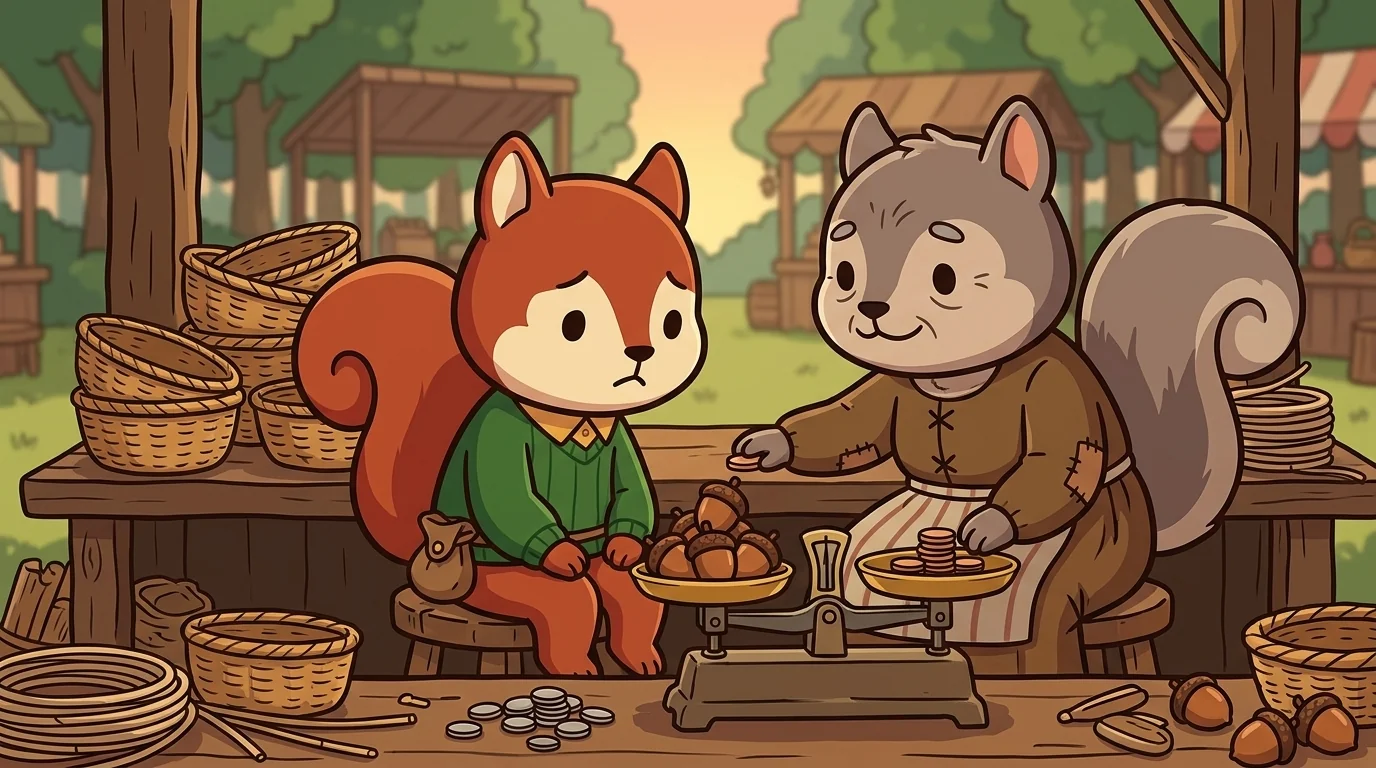
Till had learned about fair pricing by getting it wrong both ways.
The first time she sold her baskets, she was so eager to be liked that she charged almost nothing — less than the reeds cost her. People loved the deal, but she ran out of money for reeds and had to stop, sure she was just bad at business. So the next time she overcorrected and charged as much as she possibly could — and people felt squeezed, muttered that she was greedy, and didn't come back. She sat between her unsold baskets feeling like there was no way to do it right at all.
Her grandmother, an old squirrel with a worn little scale, sat with her. "You swung from giving it away to squeezing it out," she said. "Both feel wrong, and both ARE wrong. There's an honest middle." She set acorns on her scale. "Cover what it cost you. Add a little for your work — you deserve that; there's no shame in it. And stop where it still feels fair to the person buying. That price won't make you rich, and it won't make you a saint. It'll just be HONEST — and honest is what keeps people coming back." She tapped the scale, balanced. "A price isn't about getting the most or being the nicest. It's about being fair to both of you at once."
Till learned to weigh it that way — costs, a little for her work, still honest to the buyer — and her stall steadied. People paid gladly and returned; she could keep buying reeds. The bad-at-business, greedy-or-broke feeling settled into a calm, fair confidence. There WAS a way to do it right: the honest middle.
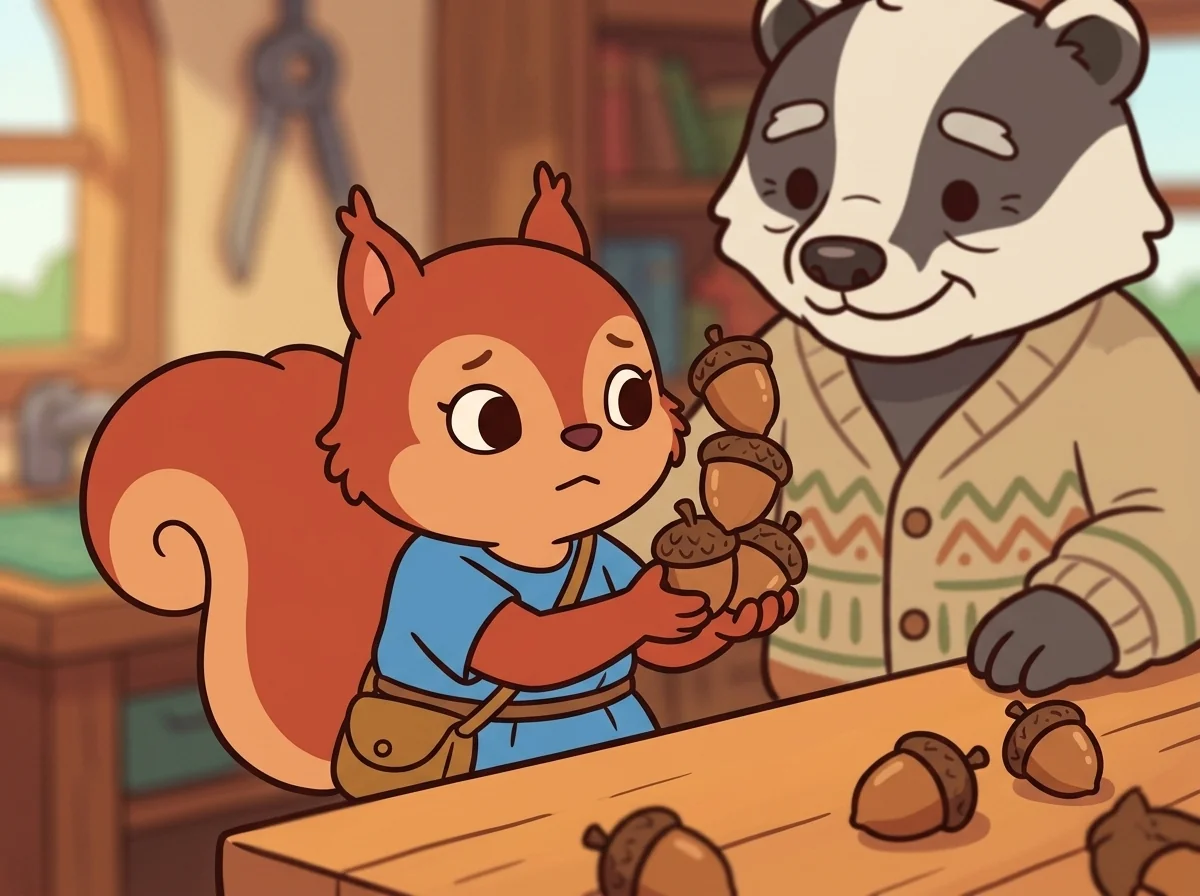
When Till turned twelve, she went to VentureQuest, where a wise old mentor named Ledger asked, "What makes a price fair?"
Till didn't answer with a speech. She set out acorns. "It covers costs — the price can't be less than what the thing cost to make. It pays a little for the work — my time is worth something, not a fortune, just a little. And it still feels honest to the buyer — they'd be glad to pay it." She held up the small, balanced stack. "Not the most I can squeeze. Not so little I go broke. The honest middle, where we both walk away fair."
Ledger's eyes crinkled warmly. "Some people charge all they can," Ledger said. "Others give it all away."
"Both leave someone feeling cheated," Till said. "Fair leaves you both feeling good." Ledger smiled. "Then come in," Ledger said. "VentureQuest needs someone who finds the honest middle."
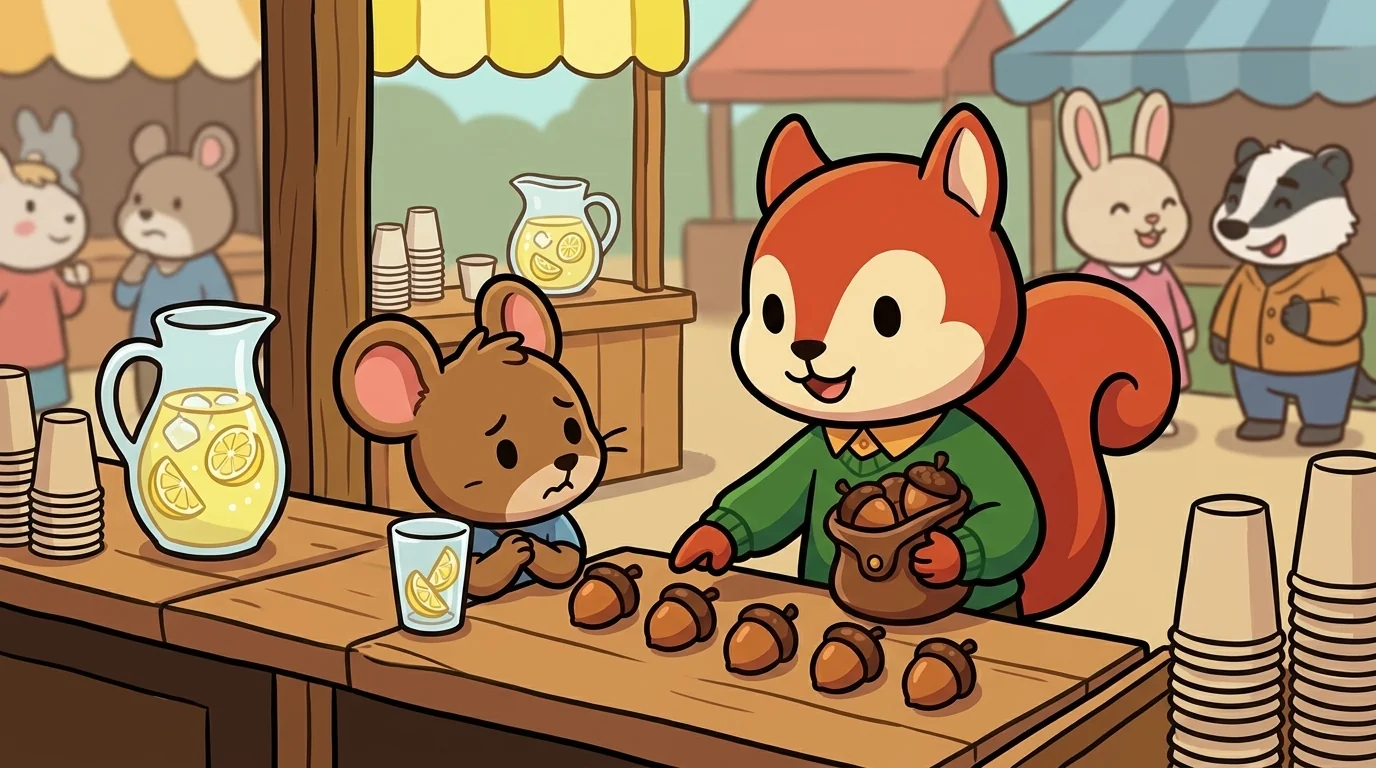
One afternoon a worried young mouse came to Till's stall, wringing his paws over a lemonade stand.
"I don't know what to charge for a cup!" he said. "My big cousin says charge as much as people will pay — squeeze every coin. But that feels awful. So I was just going to give it away free. But then I can't buy more lemons. I'm stuck."
"Both of those feel wrong because both ARE," Till said gently, laying out acorns. "Let's find the honest middle. What does one cup COST you — the lemons, the sugar, the cups?" They worked it out: a few coins. "So the price has to cover that, or you lose money." She added an acorn. "Then a little for your work — squeezing the lemons, running the stand. A little." She held up the small stack. "Now — would YOU happily pay that for a cup of lemonade on a hot day?" The mouse nodded. "Then that's your fair price. It covers your lemons, pays you a bit, and feels honest to the person buying."
The mouse looked at the small, sensible number. "So I don't have to choose between squeezing people and going broke. There's a fair price in the middle that works for everyone."
"That's the whole craft," Till said. "The squeezers lose customers; the give-it-all-away folks run dry. But the fair price — covers your costs, pays you a little, feels honest to the buyer — that one lasts. And it never costs you a wink of sleep."
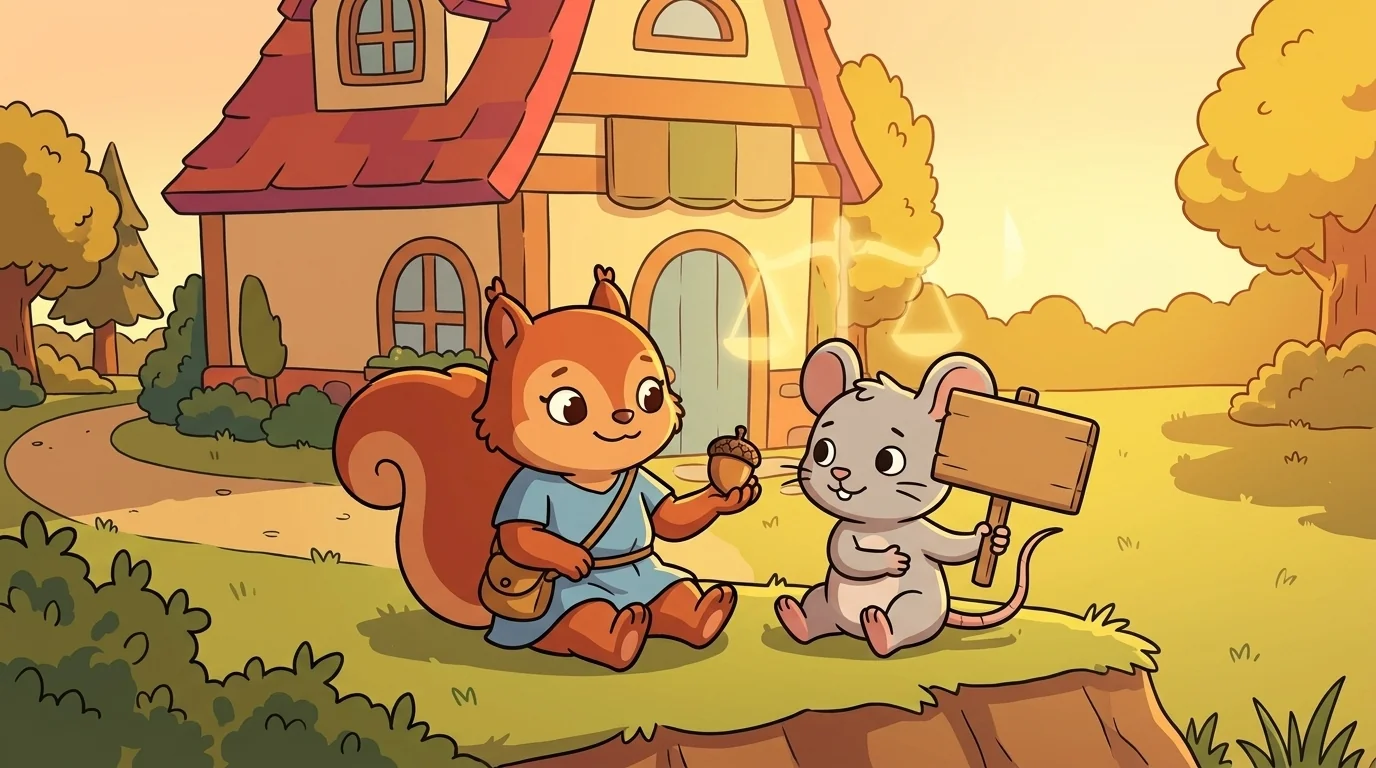
Later, as the light went gold, the mouse came back, calmer, a fair-priced lemonade sign in hand.
"It's kind of a relief," the mouse said, "that fair isn't the biggest OR the smallest. It's just... honest."
Till settled beside him, weighing an acorn.
"It really is a relief," she said. "So many people think business means squeezing every coin, and it makes them miserable and greedy-seeming. And others feel they have to give everything away to be good, and go broke being saints." She balanced the acorn on her paw. "But there's a calm, honest middle — cover your costs, pay yourself a little, keep it fair to the buyer. No shame in the 'little for yourself' — you did the work. And no squeezing — the buyer matters too." She smiled. "There's a steady, clean feeling in a fair price. Not the grabby thrill of getting the most, not the anxious guilt of giving it all away — just the quiet honesty of a deal you'd both smile at."
The mouse nodded, sign in hand, and Till watched the stuck, squeeze-or-broke feeling ease into that calm, fair confidence she'd found over her grandmother's scale — the warm gladness of a young maker who's learned that a good price isn't the biggest you can grab or the smallest you can bear, but the honest middle where both of you walk away fairly.
The VentureQuest ensemble
Till is one of the friends in VentureQuest. Each friend shows you one idea by how they act; meet them all and you have the whole subject.
-

Spot
Opportunity recognition — noticing problems worth solving for real people
-

Listen
Customer discovery — asking + waiting + watching, never guessing
-

Build
Lean experimentation — rough first drafts, fast iteration, failure-as-learning
-

Kernel
Focus — the one essential thing
-

Pitch
Pitch craft — plain-language story, inviting people in, never pressuring
-
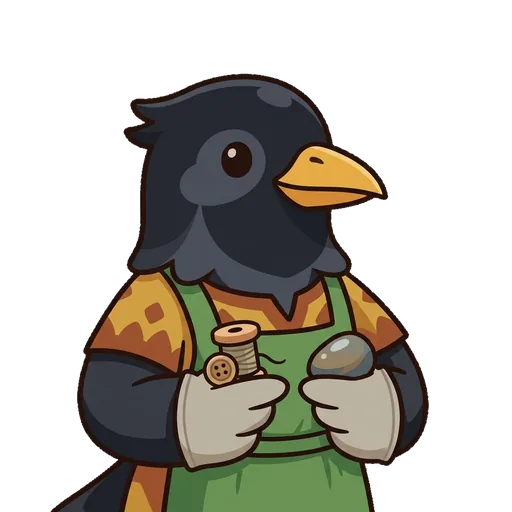
Barter
Fair exchange — a deal both sides win
-
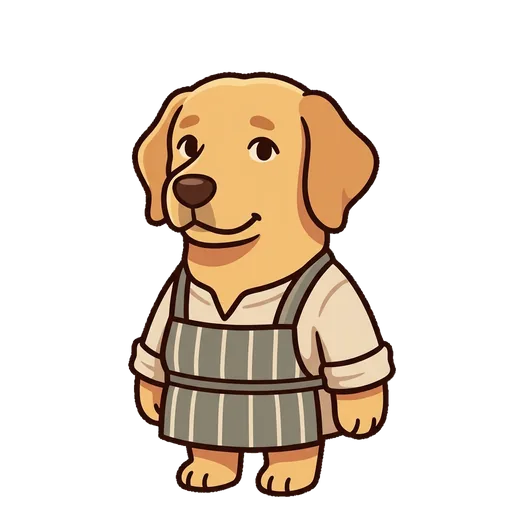
Loyal
Reputation — customers who come back
-

Thrift
Saving and reinvesting
-

Surplus
Profit — the money left after paying every cost, so count all the costs before you count the win
-

Weigh
Ethical decision-making — sitting with tradeoffs, holding stakeholder views



